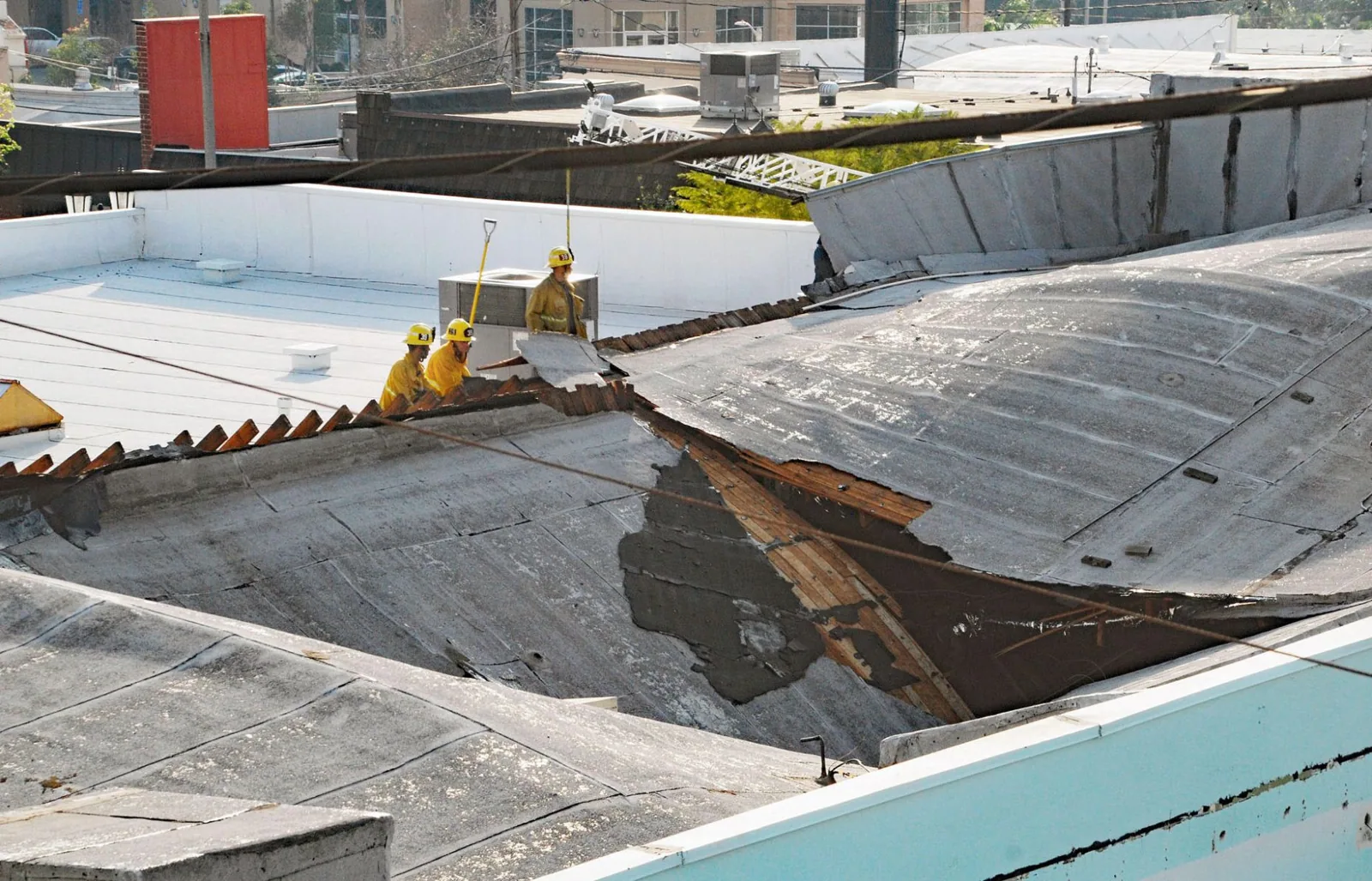
Damage repair begins by separating the reported event from the condition found on the roof. League City's upper-coast location brings rain, wind, hail, and tropical-weather concerns into post-event inspections. We record photographs, measurements, affected zones, and the decision required for each repair or test.
Repair wind-damaged commercial roofs in League City, TX, with documented edge checks, dry-in planning, measured work limits, and practical follow-up.
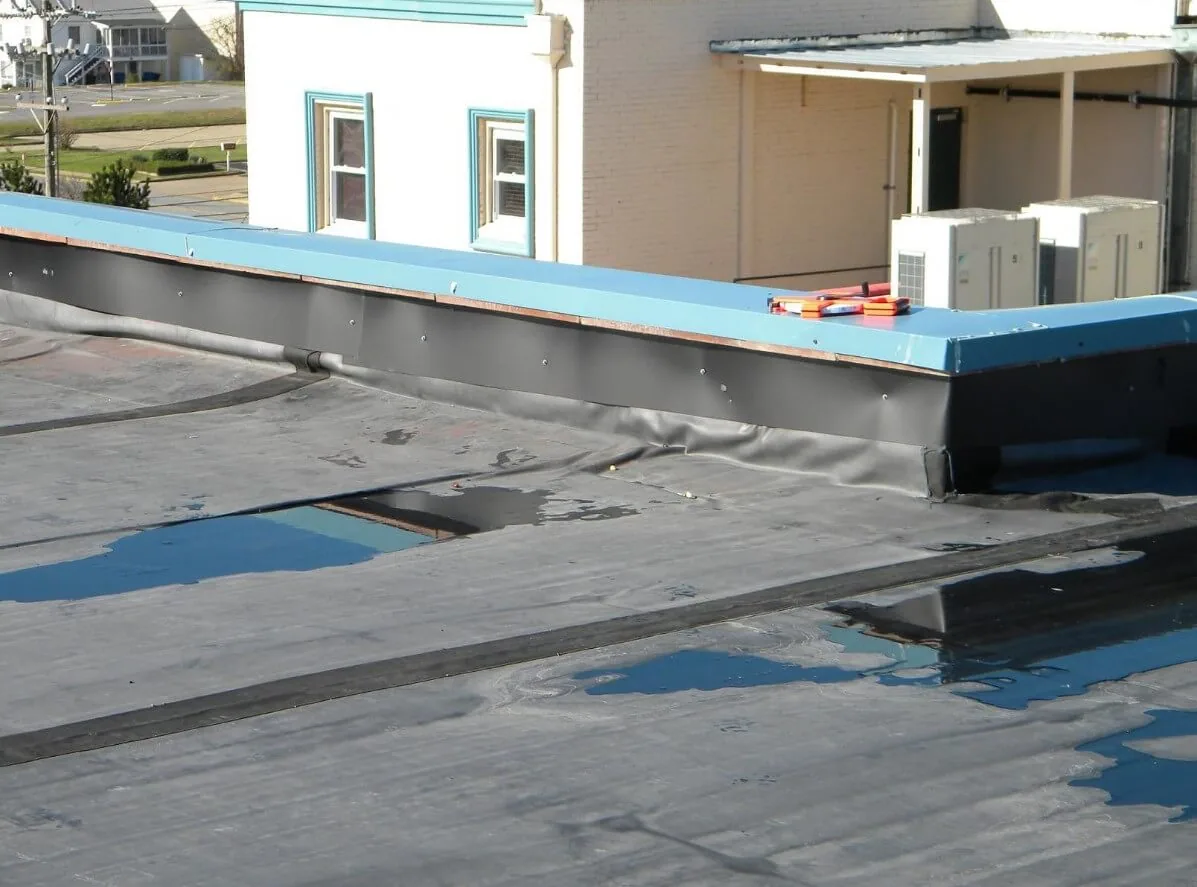
Resolve commercial roof ponding in League City, TX, with drainage checks, slope measurements, moisture testing, and repair limits tied to evidence.
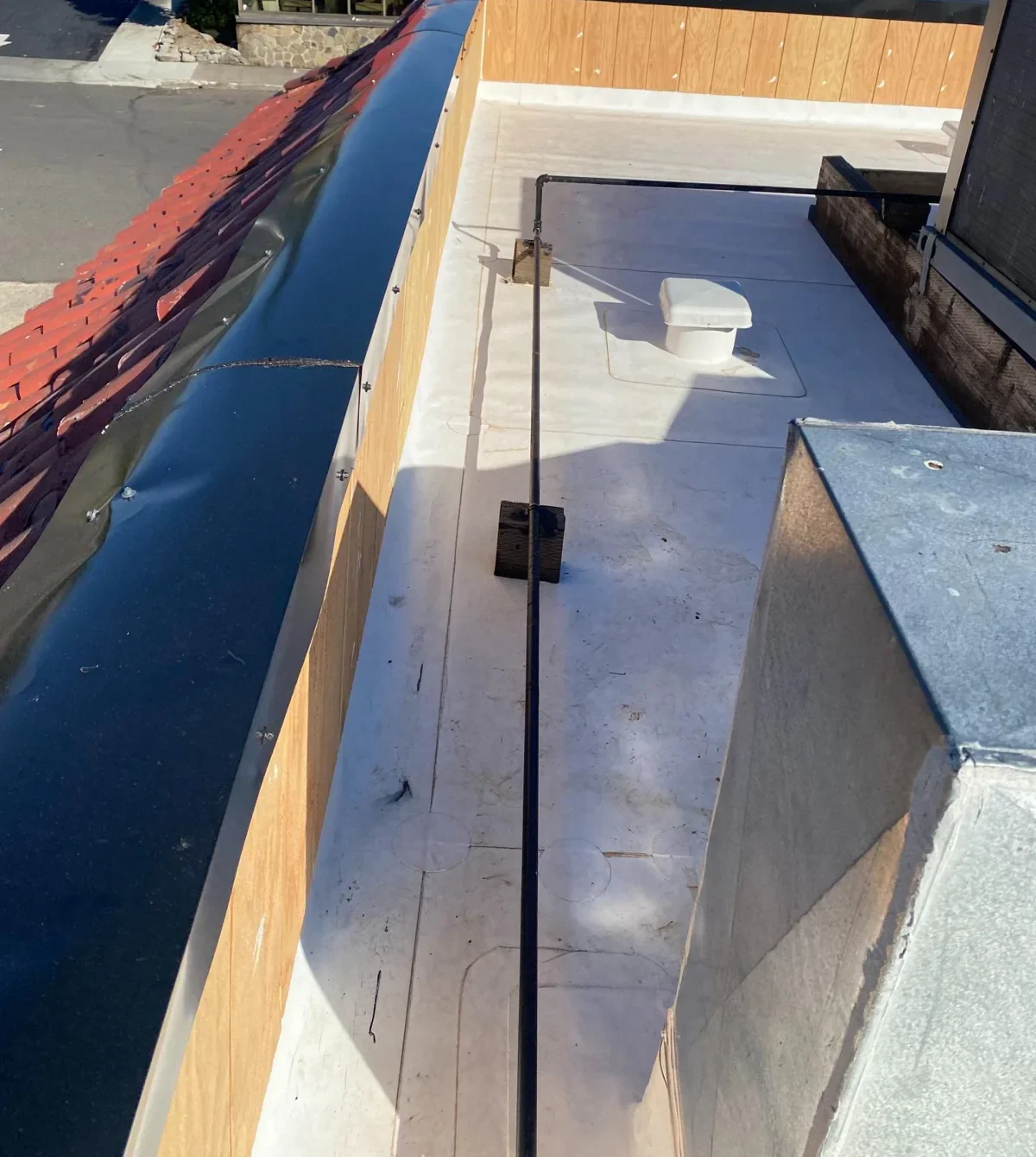
Repair failed commercial roof flashing in League City, TX, with detail-level inspection, water-path tracing, material coordination, and documented tie-ins.
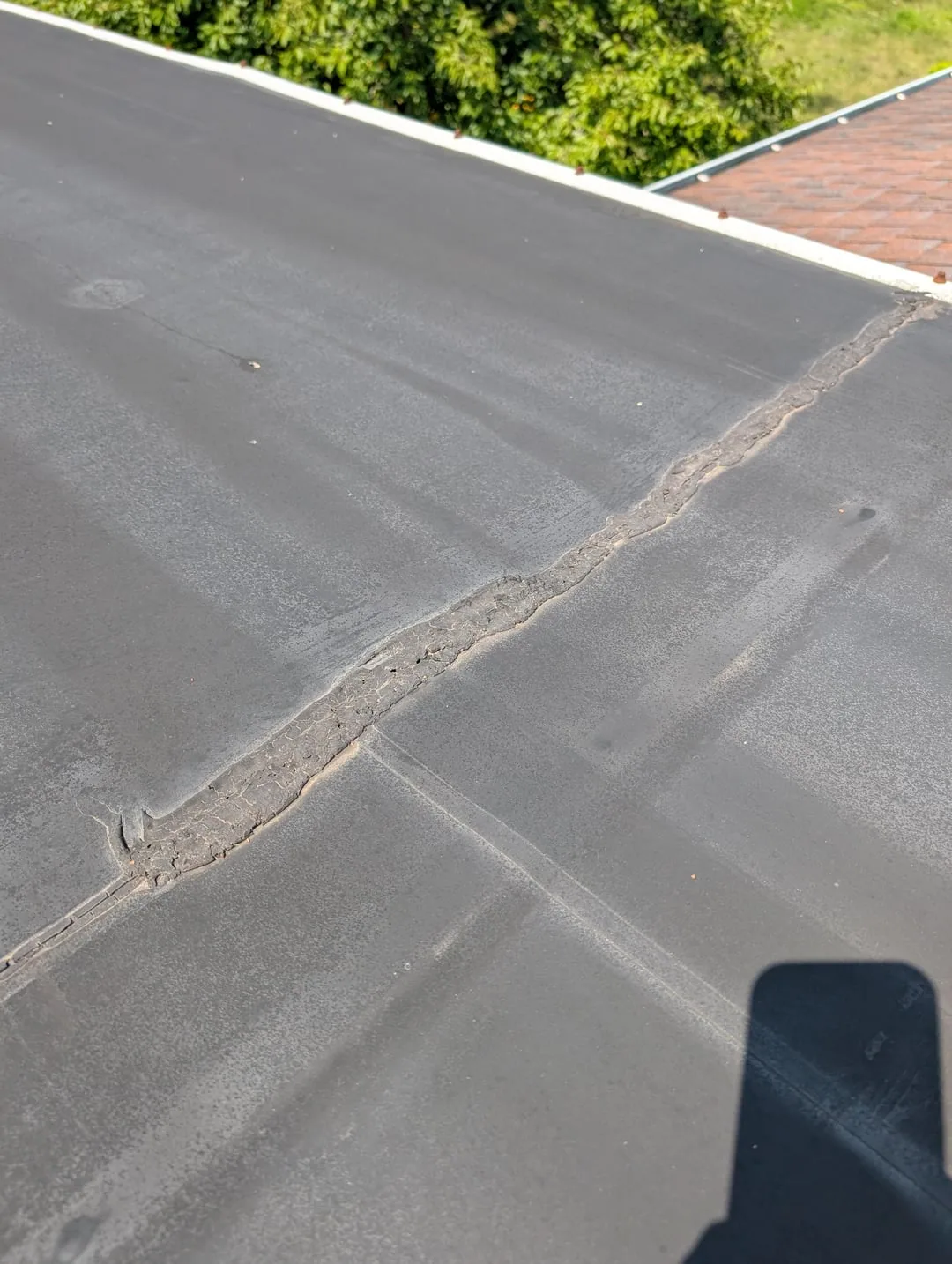
Repair open commercial roof seams in League City, TX, with assembly-specific testing, water-path tracing, temporary cover, and defined tie-ins.
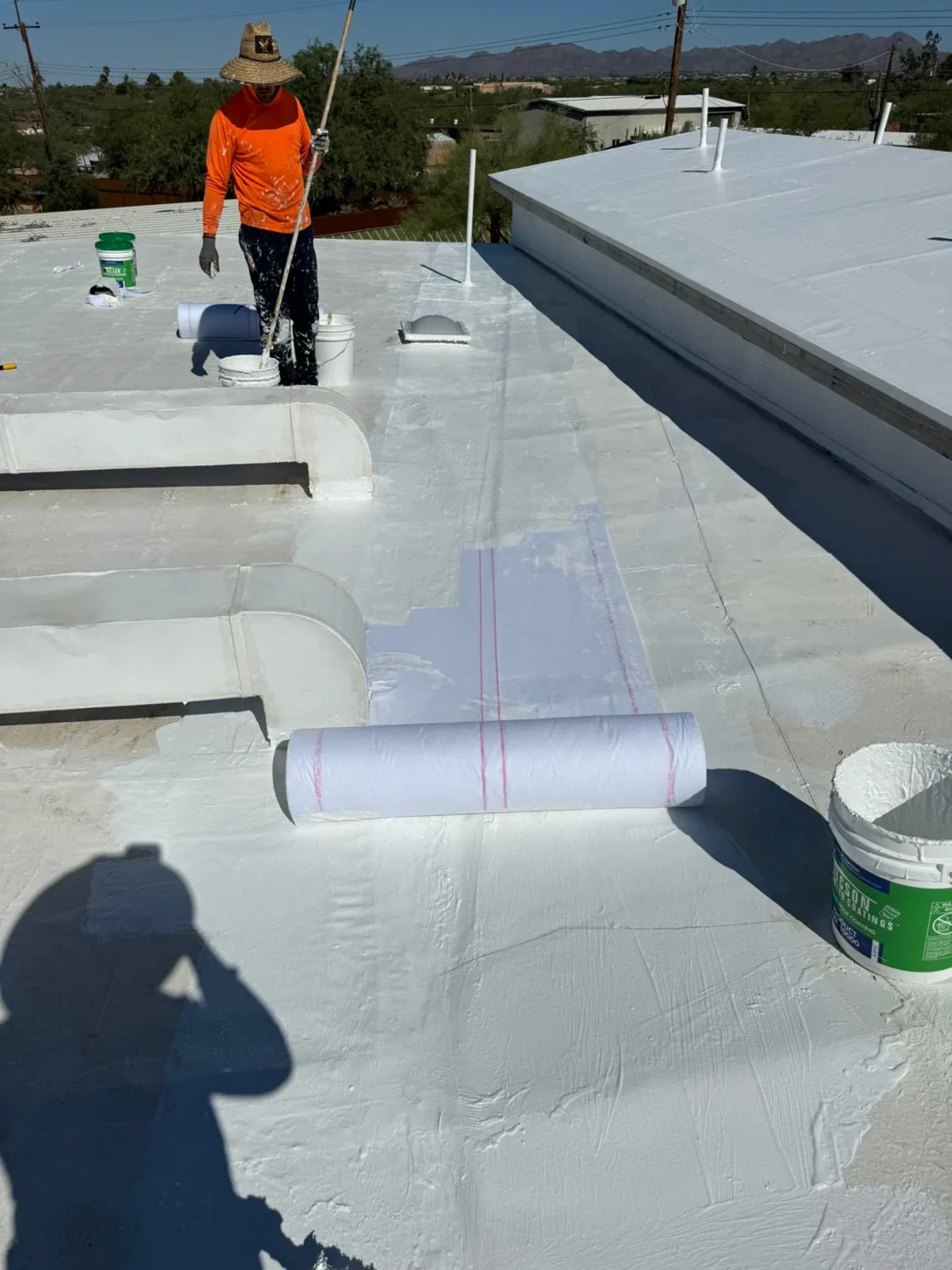
Repair punctures in League City, TX, commercial roof membranes with mapped access damage, compatible patches, moisture checks, and clear closeout.
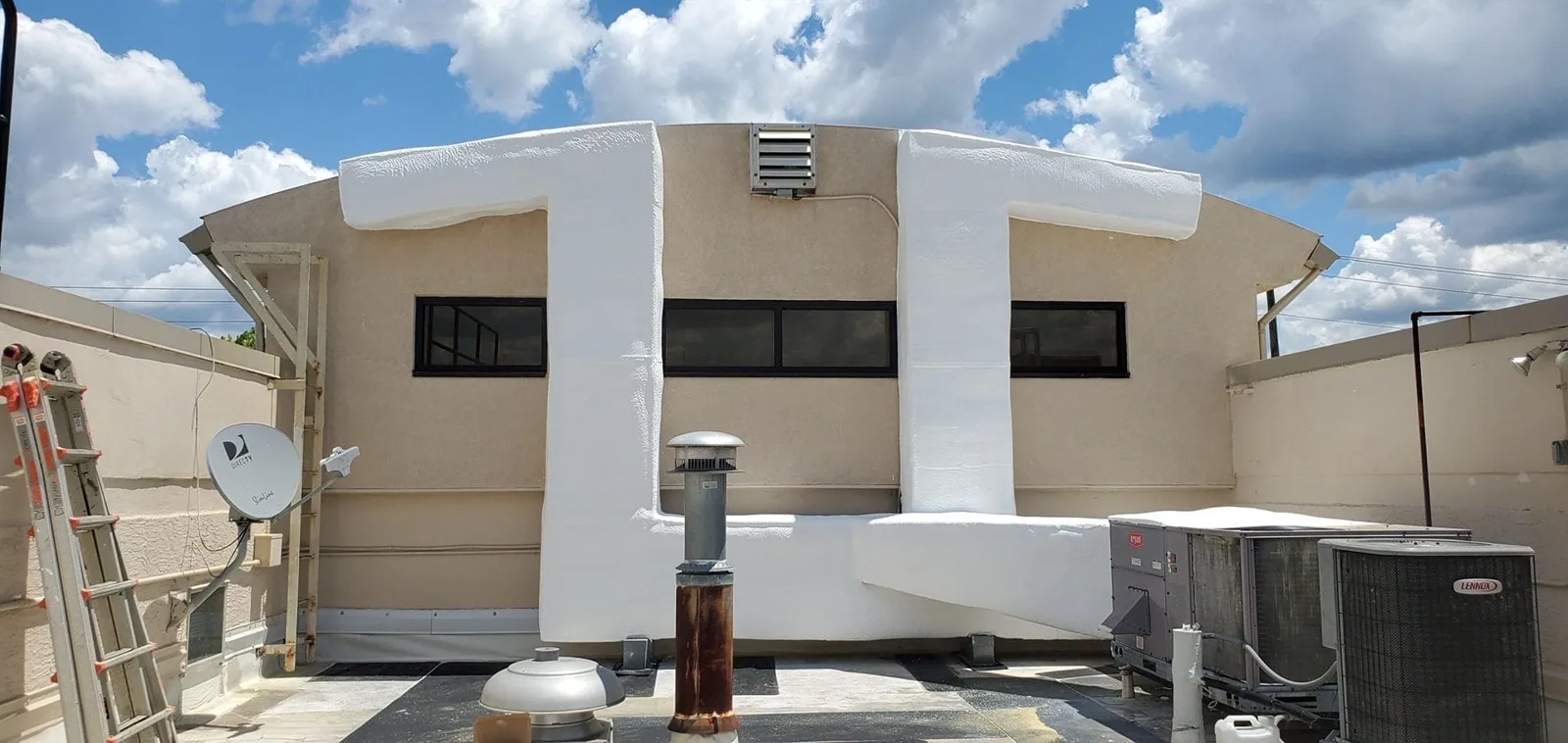
Assess fire and smoke damage to commercial roofs in League City, TX, with safe access, assembly testing, water protection, and documented repair limits.
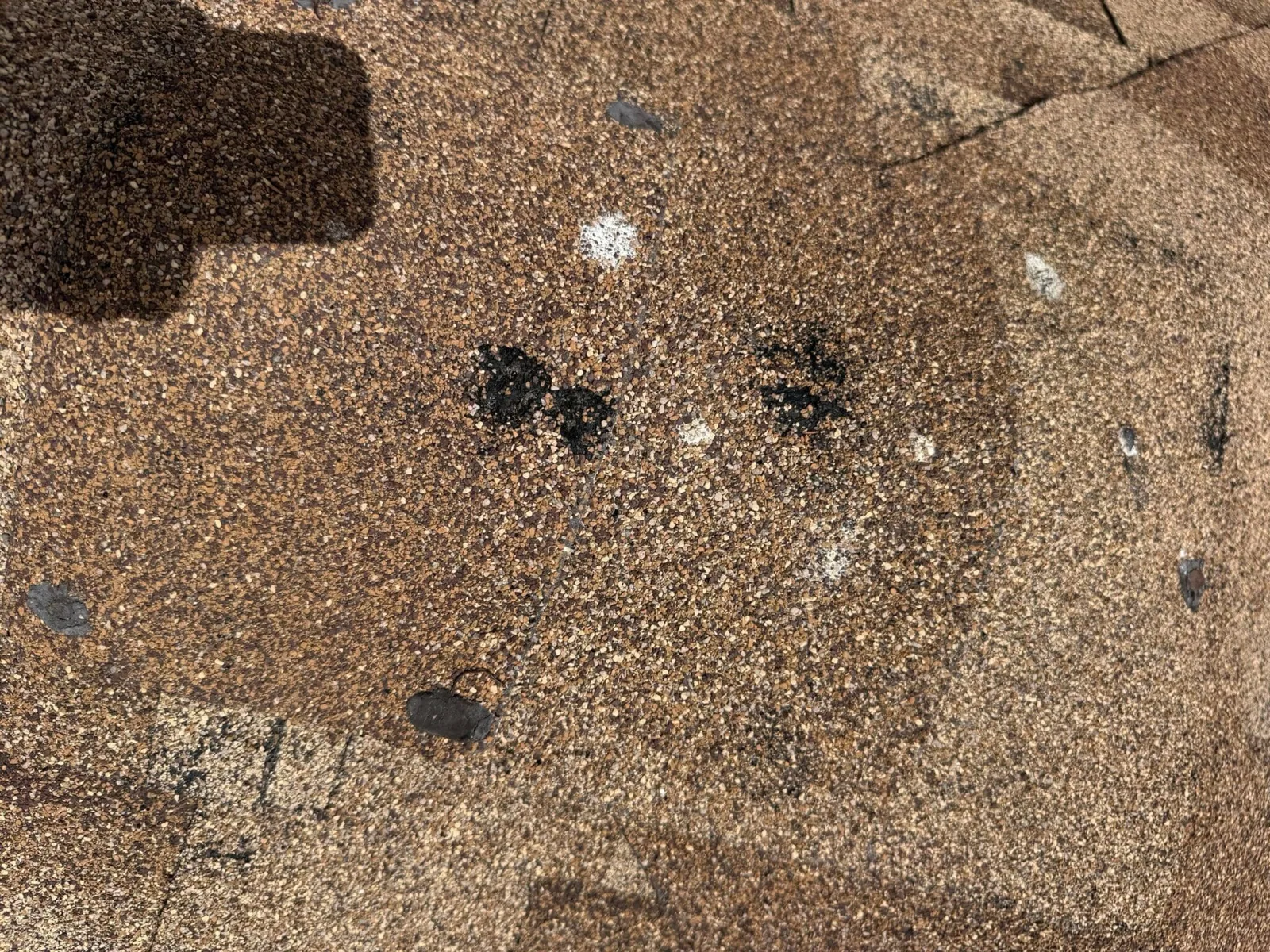
Inspect and repair commercial hail damage in League City, TX, with roof-zone photos, system-specific testing, measured scope, and claim documentation.
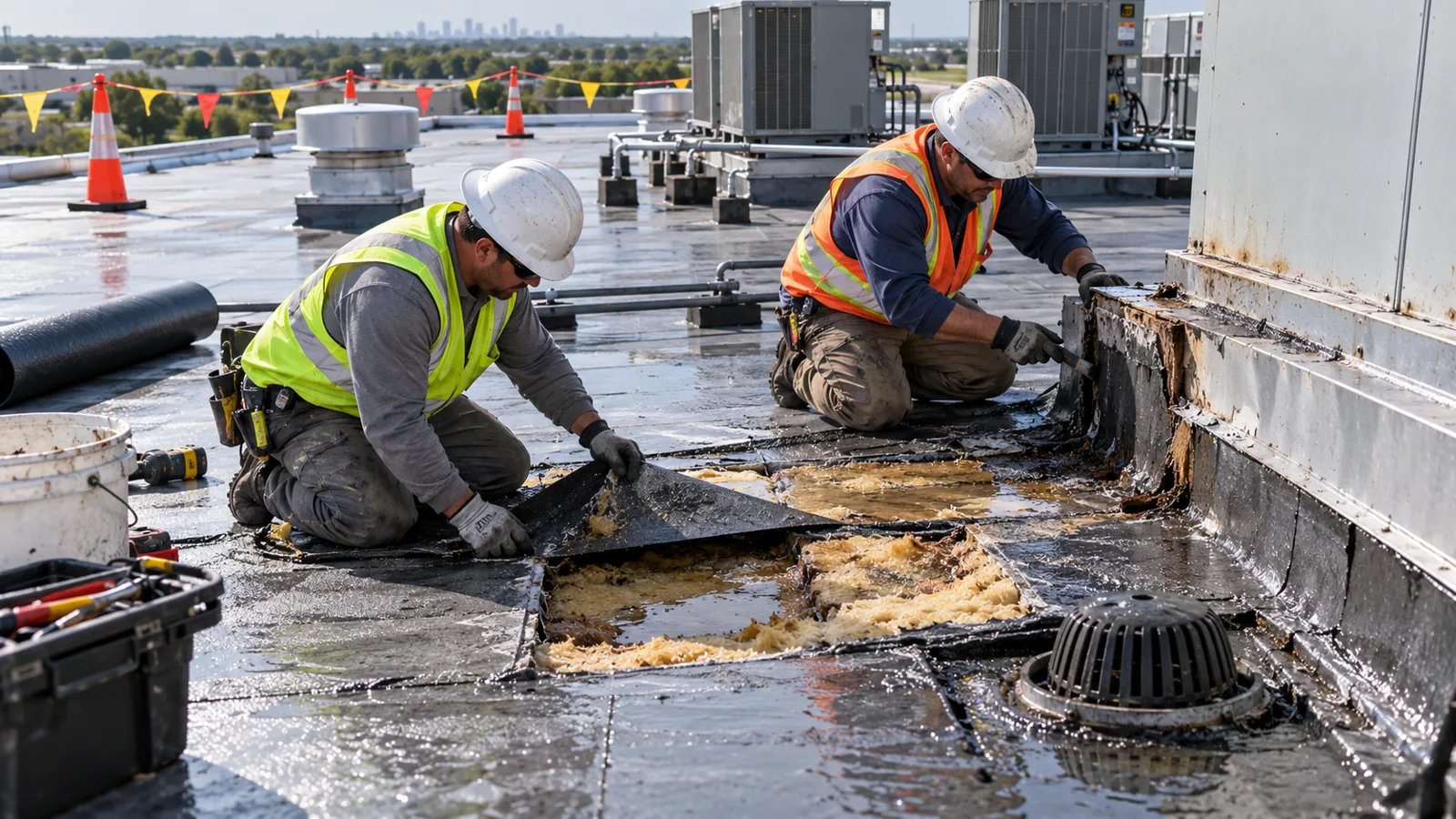
Inspect and repair hurricane-related commercial roof damage in League City with documented findings, temporary protection, and a defined approval sequence.
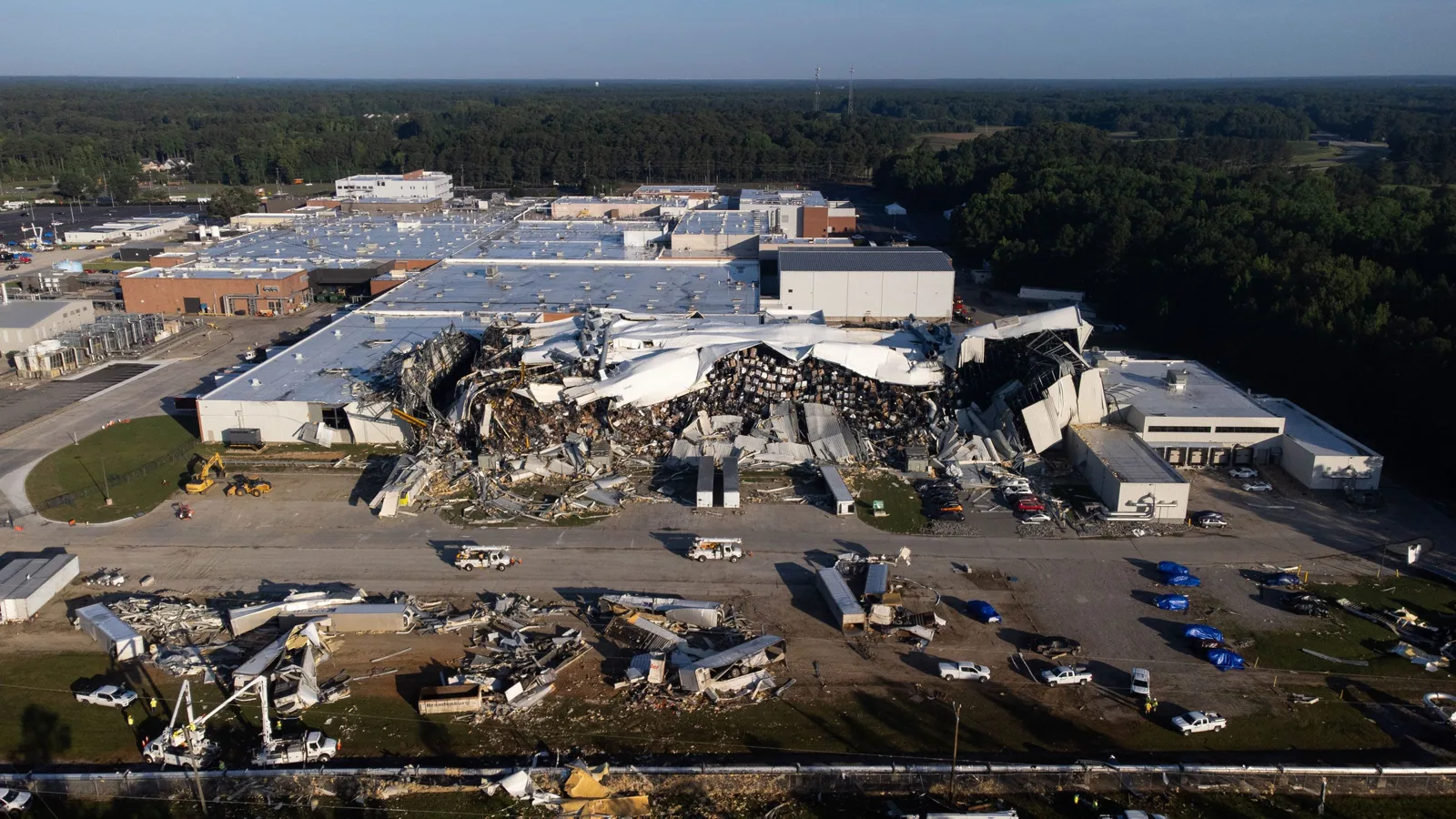
Assess commercial roof impacts after a tornado near League City. Get a sequenced repair scope, temporary protection record, and clear test-dependent items.
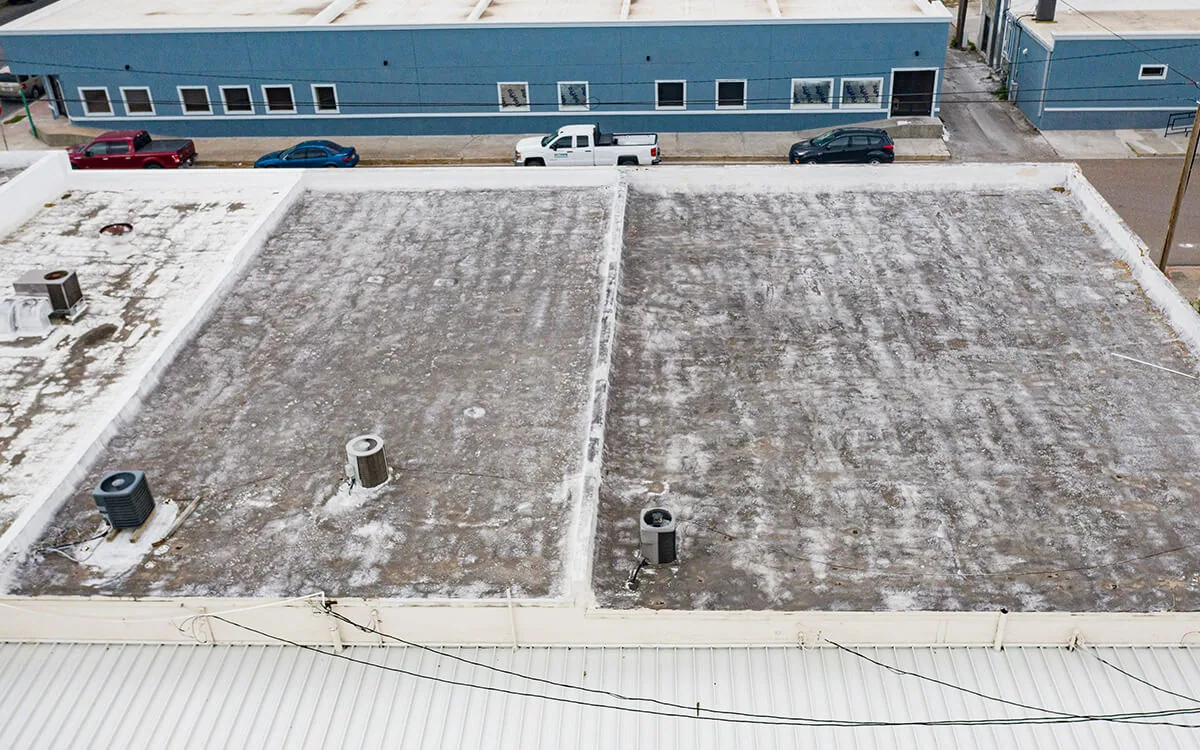
Review heat and UV-related roof wear in League City. Get a system-specific inspection, measured repair boundaries, and documented test-dependent quantities.
Water stains, loose flashing, a puncture, displaced metal, and ponding are different observations. We map the interior report to roof drains, seams, curbs, penetrations, edges, and prior patches. For reported wind damage, hail impact, hurricane exposure, or tornado damage, we inspect the affected details and document the repair boundary. A flashing assessment or seam repair focuses on the detail actually observed.
A ceiling stain does not establish the entry point. We compare its location and timing with roof geometry and drainage. If insulation or deck remains concealed, the report states the proposed opening and restoration plan before requesting authorization. The site record notes areas not safely reached, so they do not appear as inspected.
An active opening may need immediate protection while the owner reviews a permanent repair. We document the temporary material, location, limits, and return point separately. Then we define preparation, compatible repair material, tie-in, measured quantity, and exclusions for the permanent work. A membrane puncture correction has a different repair detail from ponding-water work, which may require review of drainage, slope, and outlet conditions.
If the reported condition extends into concealed materials, testing is an approval item before removal quantity expands. Owners can compare localized work with restoration or replacement only when the inspection supports those options. The estimate identifies access, staging, tenant protection, disposal, and any test allowance so urgent response does not become an undefined capital scope.
For weather-related concerns, we record the event date supplied by the owner and inspect the actual property. League City's upper-coast setting includes repeated tropical systems; the I-45 and FM 646 area and Texas City's industrial canal are different service contexts, but weather history alone does not diagnose a roof. The report distinguishes visible damage, a reported interior symptom, prior wear, and conditions still under review.
When an owner requests documentation, keep dated photos, roof-zone labels, invoices, and temporary work in one file. A claim documentation review can organize those records without presenting a regional storm report as proof of site damage. The person approving a test opening or added removal should be identified before that work proceeds.
The closeout names the property, affected area, inspection date, evidence, materials, work boundary, approvals, and open actions. Repeat visits can then compare the same roof zone. A maintenance visit may track drainage, seams, flashing, and previous repairs. Send the address, reported event or symptom, access window, photos, drawings, and service history to set the first review. We will identify what can be repaired on visible evidence and what requires a separate test.
No. It can provide context for an inspection request, but the report must identify what was found at your property. We document visible conditions and list concealed areas requiring an approved test.
When access is safe and authorized, temporary protection can limit active water entry. We record its materials and limits separately from the permanent correction and set a return point.
A test may be proposed when insulation, deck, attachment, or another concealed layer could change the repair quantity. The scope names the location and restoration plan, then waits for owner approval.
Keep the event date, interior report, photographs, access notes, invoices, repair history, and roof drawings. We add dated field observations and a map of the zones inspected.
Send the property address, reported event or symptom, roof access window, photos, and repair history. We will inspect the affected area and define the evidence and approvals needed next.