Property Management Companies
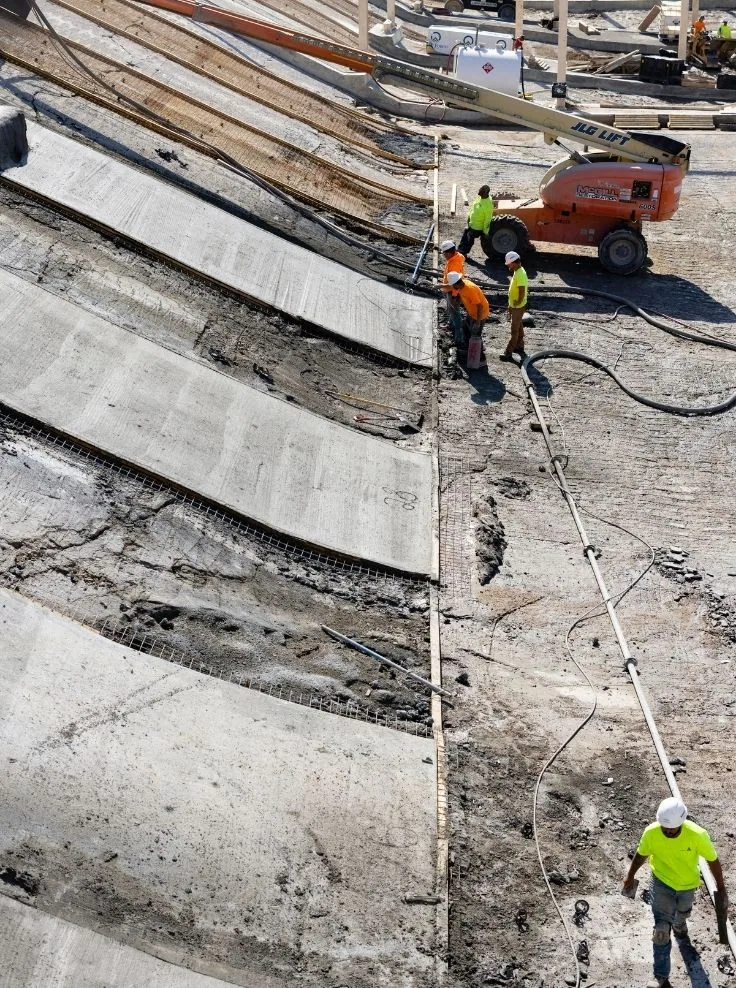
A portfolio roof report is useful only when the property manager can tie each finding to a building, a decision, and a next action. In League City, that may mean comparing retail near I-45 and FM 646 with a medical office, warehouse, or occupied service building. We record the roof zone, what was observed, what needs testing, and whether work can proceed without closing tenant space. The manager can then move from a leak call to a scoped repair or capital review without treating every property as the same assembly.
Build one record for each address
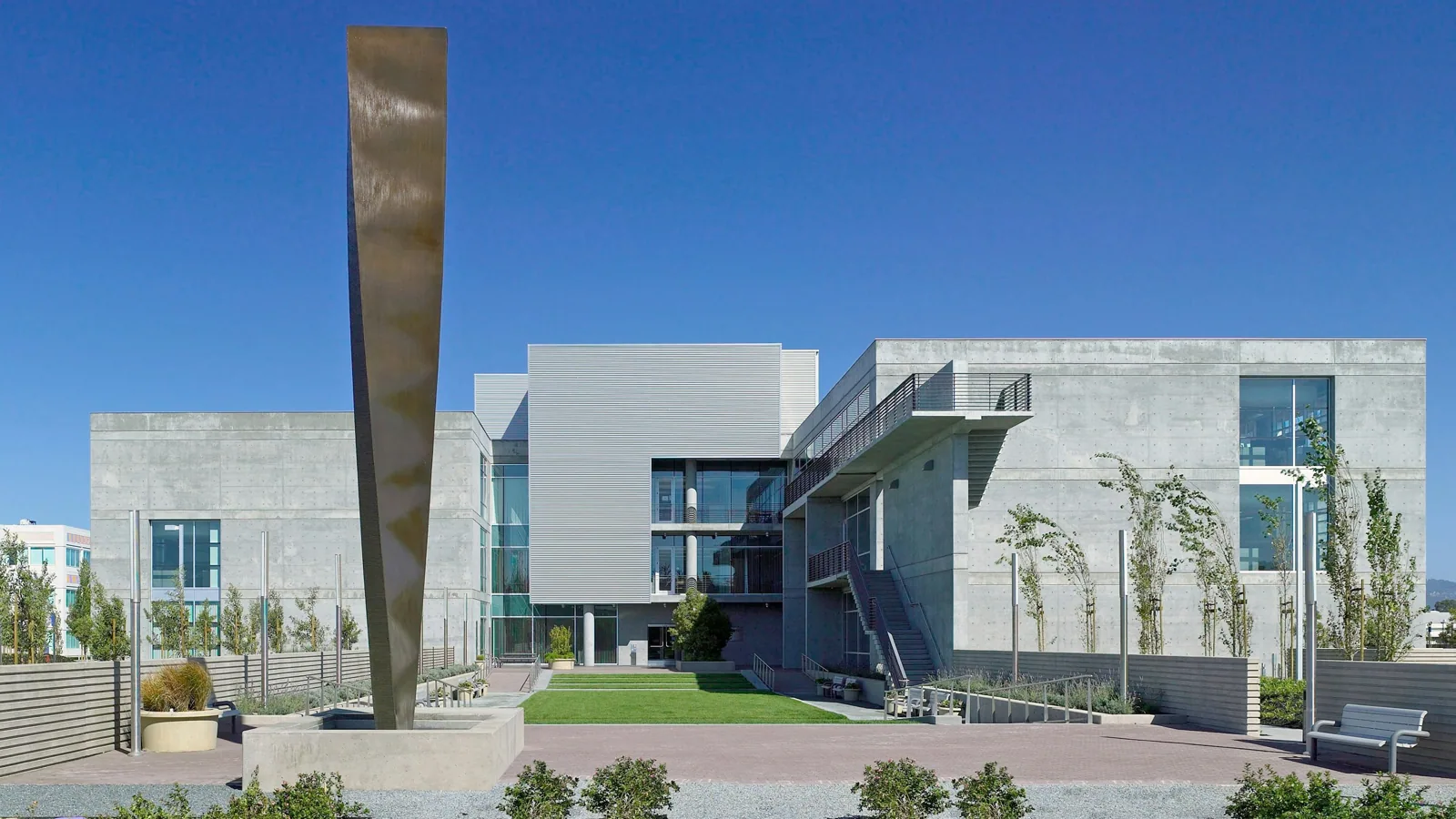
We begin with the rent roll or asset list only to identify the buildings included, then inspect each roof as its own system. A drain problem, lifted edge, puncture, or failed seam gets a marked location and dated photograph. Prior repairs and tenant leak reports are compared against that map, with visible evidence kept separate from moisture tests and selective openings. A commercial roof inspection can establish the baseline the manager needs before approving repair work or asking ownership to consider replacement.
League City's employer mix includes medical, retail, petrochemical, education, and public-sector operations. That variety creates different access hours and occupants, not a single standard roof profile. Victory Lakes Town Center sits at I-45 and FM 646, while UTMB's League City campus occupies a separate medical setting. We connect each recommendation to the address and operating conditions the manager provides. A Victory Lakes property roof review can address a specific center building when its owner requests it.
Infrared or drone imagery can help identify areas for closer review, but neither replaces direct inspection where safe access is available. We state the limits of each method and mark any roof area that could not be inspected. A photo-based condition report can preserve those limits across management handoffs and future service requests.
Coordinate notices with tenant activity
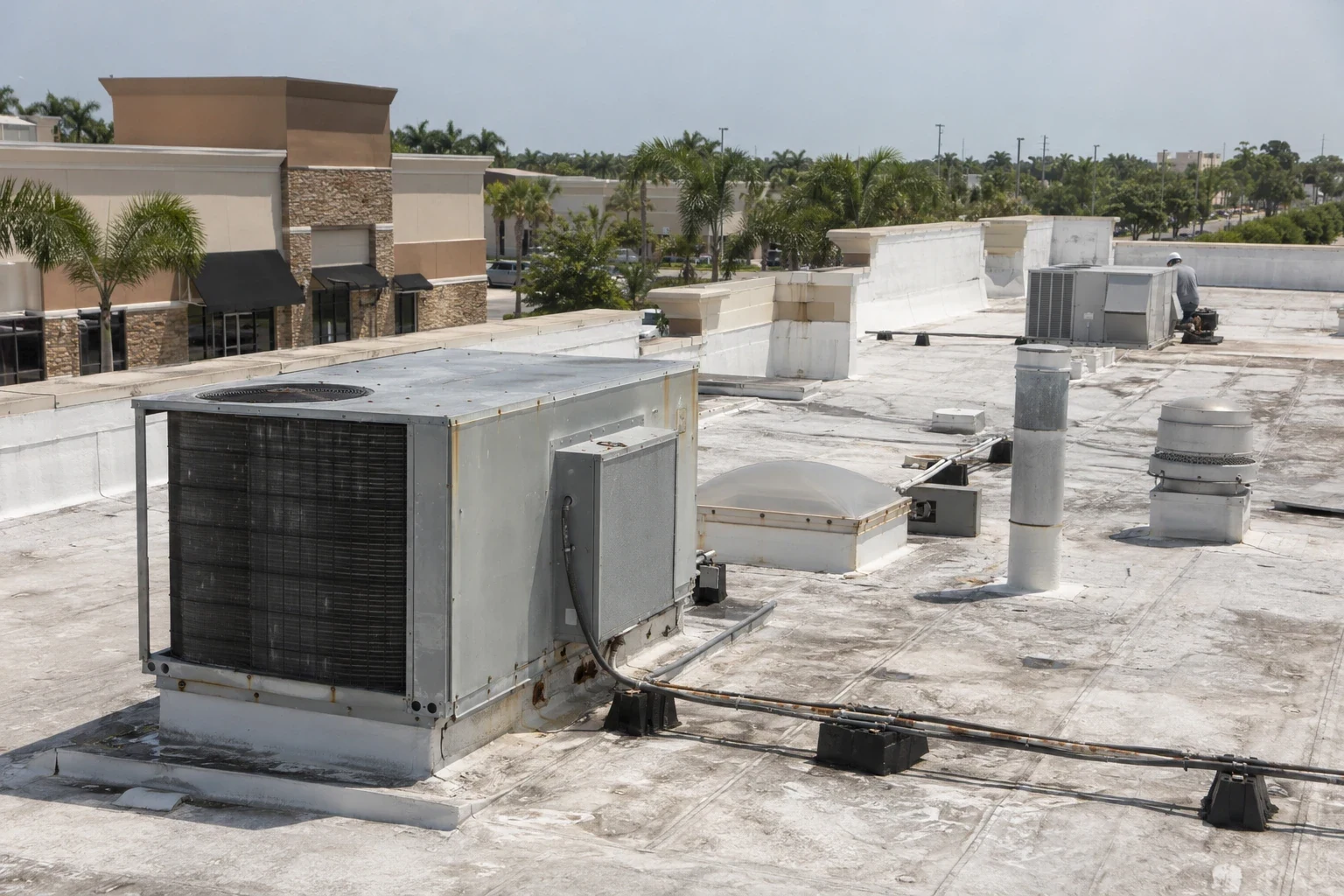
Occupied retail, offices, medical buildings, and industrial spaces each need a practical notice plan. The manager identifies tenant hours, loading paths, restricted rooms, roof access, and delivery limits. We set a daily opening boundary and note which entrances or work areas could be affected. Material staging, debris routes, temporary cover, and dry-in checks belong in the same schedule, so a roof repair does not surprise an on-site contact or leave an open issue for the next shift.
At a multi-tenant property, work may move in smaller zones to keep the rest of the building available. An occupied-building reroof sequence can group roof areas by access and protection needs, with a contact assigned to each approval point. A separate owner or REIT review can frame the asset-level decision, while the operating plan remains specific to each tenant property.
League City lies on the upper Texas coast, where rain and wind can narrow the safe work window. Weather checks belong beside the temporary-cover plan: stop opening material when protection cannot be maintained and document which section must wait.
Separate urgent repairs from capital work
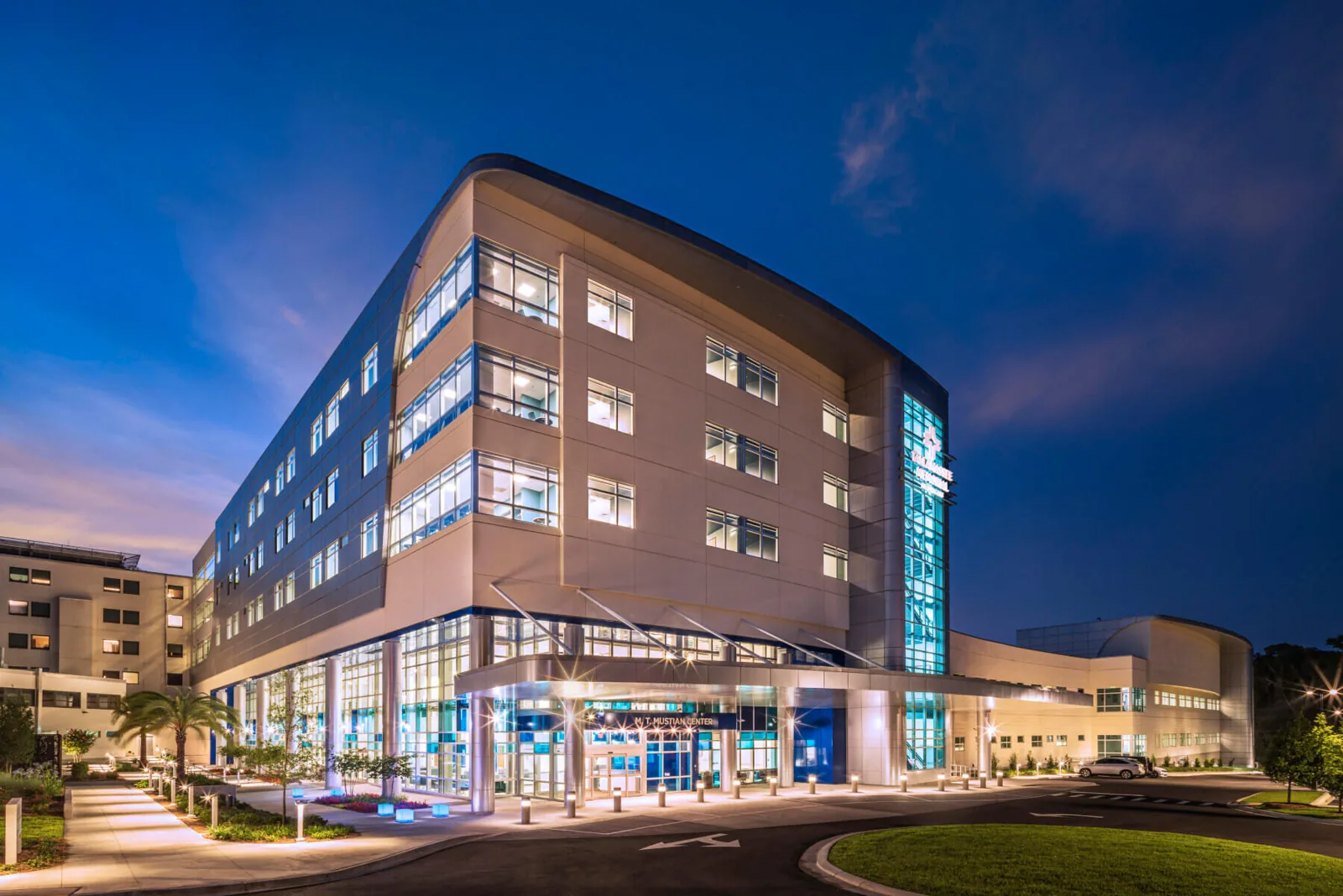
A manager can face an active leak and a roof approaching broader renewal at the same address. We separate the immediate water-control task from the permanent correction, then record the repair boundary, material, and remaining test question. If wet insulation, repeated seam failure, or widespread corrosion appears, the proposal explains which evidence supports expansion and which area still needs authorization. A targeted repair scope keeps a contained condition from becoming an undefined allowance.
For several properties, ranking work by condition, consequence, and access window helps ownership compare near-term repairs with larger projects. Roof age alone does not establish remaining service life. We document the visible assembly, drainage, edge details, and test results, then identify a planning range only where evidence supports it. A roof capital review can group findings by address without merging one building's condition into another's.
Price and duration vary with height, assembly, access, testing, removal, disposal, tenant protection, and the amount of roof that can be opened each day. The proposal should show those drivers separately, along with work hours and the approval required if concealed damage changes the boundary. That gives the manager a clean request to send to ownership.
When a leak may involve an insured loss, preserve the first report, date-stamped photographs, emergency invoice, and later permanent-repair findings together. The initial water-control work may not define the full covered scope, so we distinguish what was stabilized from what testing later confirms. A restoration and claim review can keep those records tied to the same property while the manager coordinates insurer and tenant updates.
Make the handoff useful to the next manager
After work, we can provide marked roof zones, before-and-after photographs, materials, inspection notes, test locations, and open recommendations. The report states what was repaired and what was not part of the approved scope. Keep it with tenant notices, access records, and any warranty paperwork tied to the address. A multi-property roof register can make later service planning easier while preserving each building's own history.
For League City properties, delivery planning may use I-45, FM 646, FM 518, or State Highway 3, but the property sets truck access and staging rules. We confirm the address, gate instructions, preferred contact, and requested work window before scheduling. If the portfolio includes a building near the Texas City port district, its industrial access and corrosion conditions should be reviewed separately rather than assumed from a nearby retail roof.
Send the address list, leak history, available drawings, tenant restrictions, and the decision deadline. We will identify which roofs need inspection first, where testing may be required, and what work can be priced as a defined repair. The manager receives a scope organized for review, with assumptions and next approvals visible.
Frequently Asked Questions
How can we compare roof conditions across different property types?
Use the same record fields, not the same conclusion. We note assembly, drainage, edge details, visible defects, tests, and access limits for every address, then rank follow-up by condition and operating impact.
Can inspections be scheduled without disrupting tenants?
The manager sets access windows, notice requirements, and restricted rooms. We organize roof areas and deliveries around those limits, then identify any location needing a temporary closure or escort.
What belongs in a repair approval request?
Include the address, marked roof zone, photos, observed condition, proposed repair, and any unresolved test question. We separate temporary water control from permanent correction and list added removal as an approval item.
How do you decide which properties need attention first?
Active water entry, safety exposure, repeated failure, occupied operations, and test results help sort the queue. We document those factors so ownership can distinguish a current repair from a longer-term capital need.
What should a portfolio closeout include?
Keep roof-zone photos, repair materials, access notes, tested areas, open items, and warranty documents with the correct property file. Each building remains separately identified for the next review.