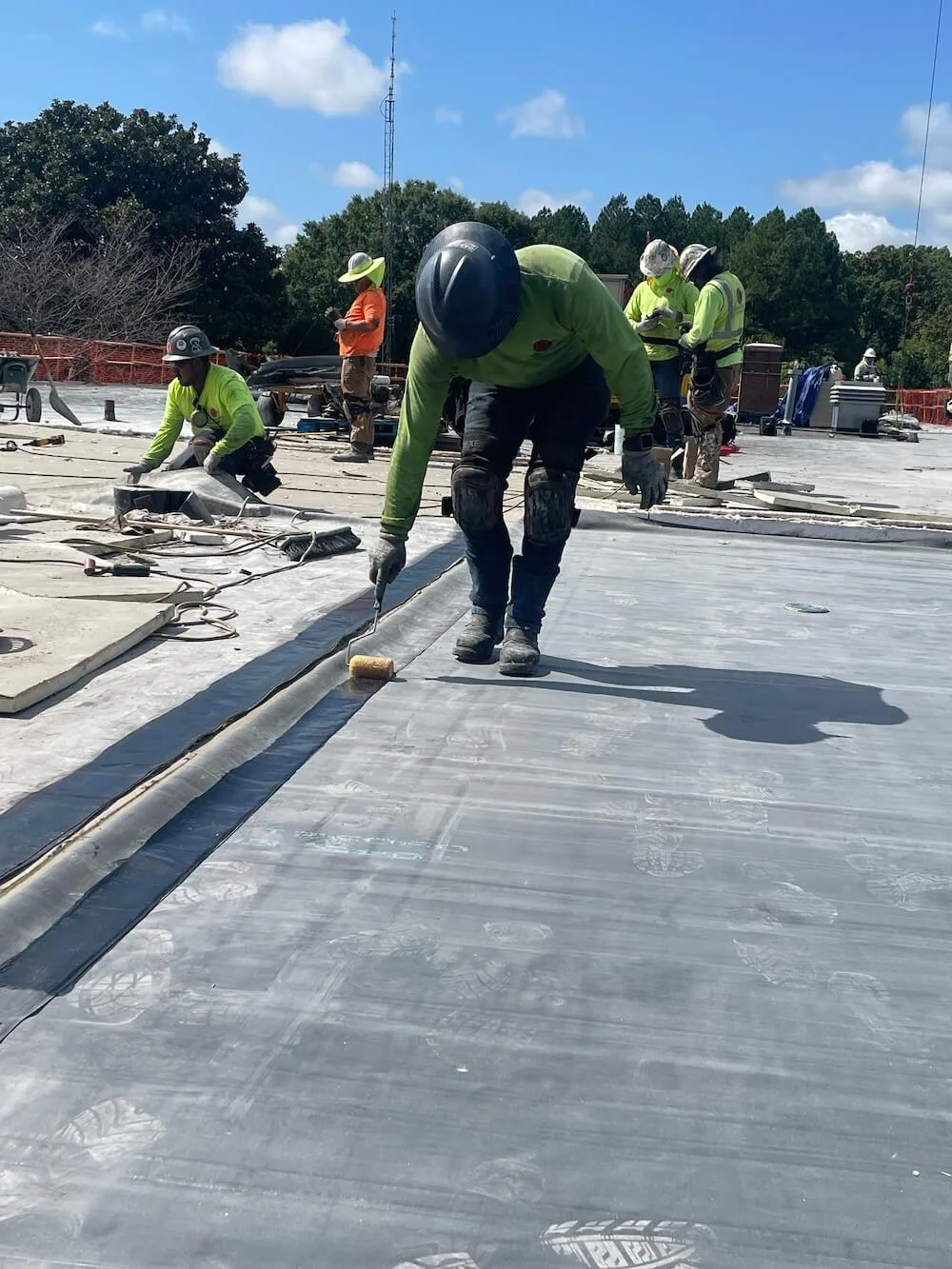
Commercial Roof Insurance Claim Assistance
A claim file is stronger when the roof condition, reported date, and proposed work stay connected. After a storm in League City, we document visible damage by roof zone, record areas that still need testing, and separate temporary protection from permanent repair. The file can include photos, measurements, prior repair information supplied by the owner, and a roofing estimate tied to field findings. A Texas City industrial property and a League City medical facility face different operating constraints, so access and documentation follow the actual building rather than a generic claim checklist.
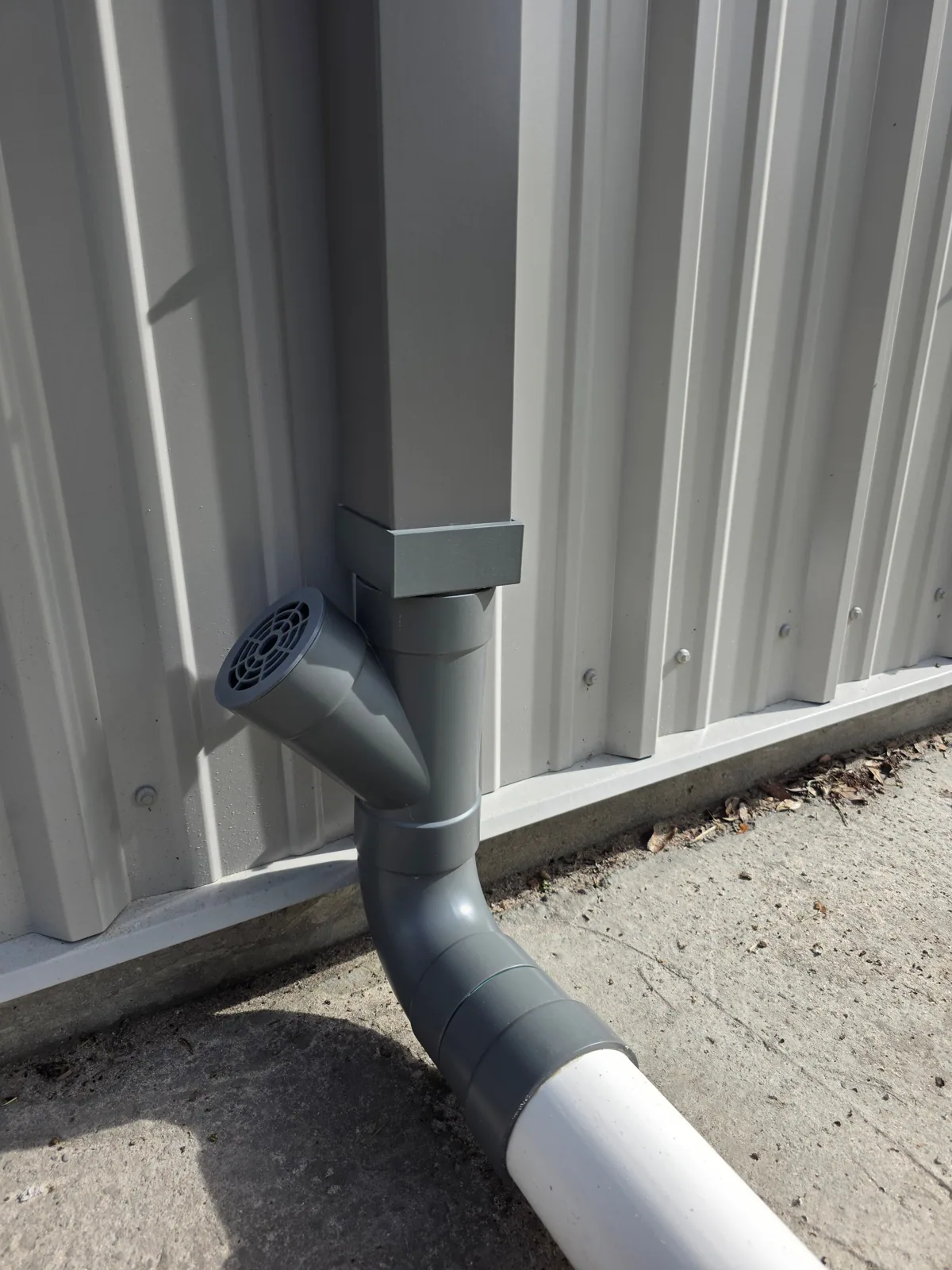
Assemble the event and roof records
We start with the reported event date, time water appeared, affected rooms, prior leaks, repair invoices, roof plans, and any photographs taken before temporary work. The owner can provide insurer correspondence or an adjuster’s inspection schedule so the roofing visit does not conflict with a requested site meeting. A roof inspection records current conditions, photographs, measurements, and sections not reached. We identify the inspection date and weather window, which may differ from the event date stated in the claim.
For a claim, we compare the reported date with dated photographs, roof-zone observations, and approved tests at the insured property. The file separates emergency stabilization, confirmed repair, prior wear, unresolved interior symptoms, and testing still awaiting approval.
Inspect and measure the affected roof zones
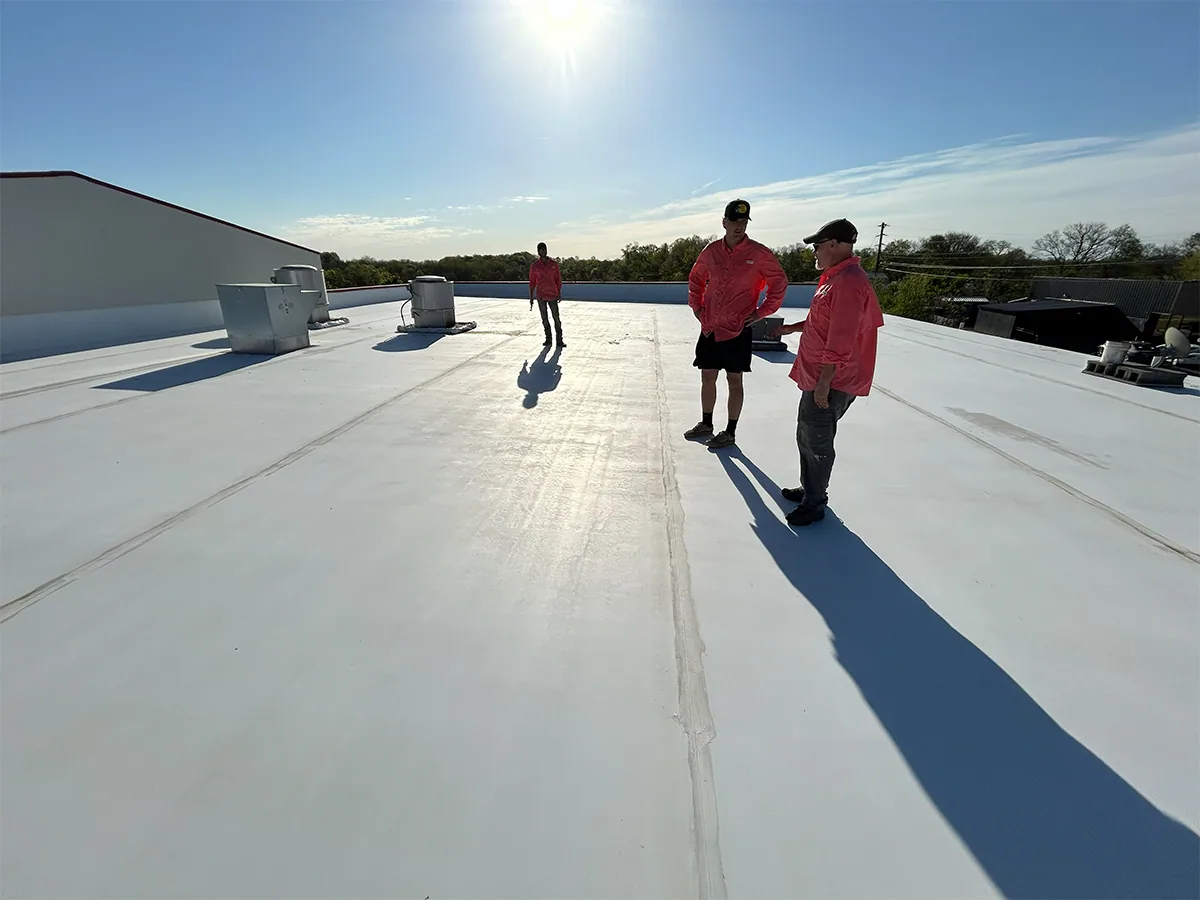
We map the reported rooms to roof zones and examine seams, edges, flashings, curbs, skylights, drains, and penetrations near the suspected water path. Each photograph should identify location and scale, while measurements show the quantity included in a proposed repair. If moisture is suspected, an infrared survey may help select core cuts; the opening confirms material condition at that point. We mark tested and untested areas separately so a thermal pattern does not become a measured removal line.
At an occupied institution, the site contact confirms access, room coordination, equipment restrictions, and authorized photography. We record escorts, closures, and any conditions that prevent close inspection.
Separate emergency work from claim scope
Emergency stabilization protects the building while claim review continues. We describe the temporary cover, attachment, interior protection, and follow-up date separately from the permanent repair estimate. The emergency response record shows what was done to limit ongoing exposure; it does not state that the insurer will reimburse the work. The owner retains invoices, time-stamped photographs, and communications with the property contact as part of the event file.
Permanent repair quantities follow inspection and testing. We identify the roof assembly, affected dimensions, preparation, compatible materials, and closeout check in a repair scope. If damage appears across multiple zones or concealed moisture changes the decision, a replacement comparison can be prepared separately. Each option lists exclusions and removal-dependent quantities so a reviewer can understand the roofing basis of the estimate.
Coordinate the inspection and claim meetings
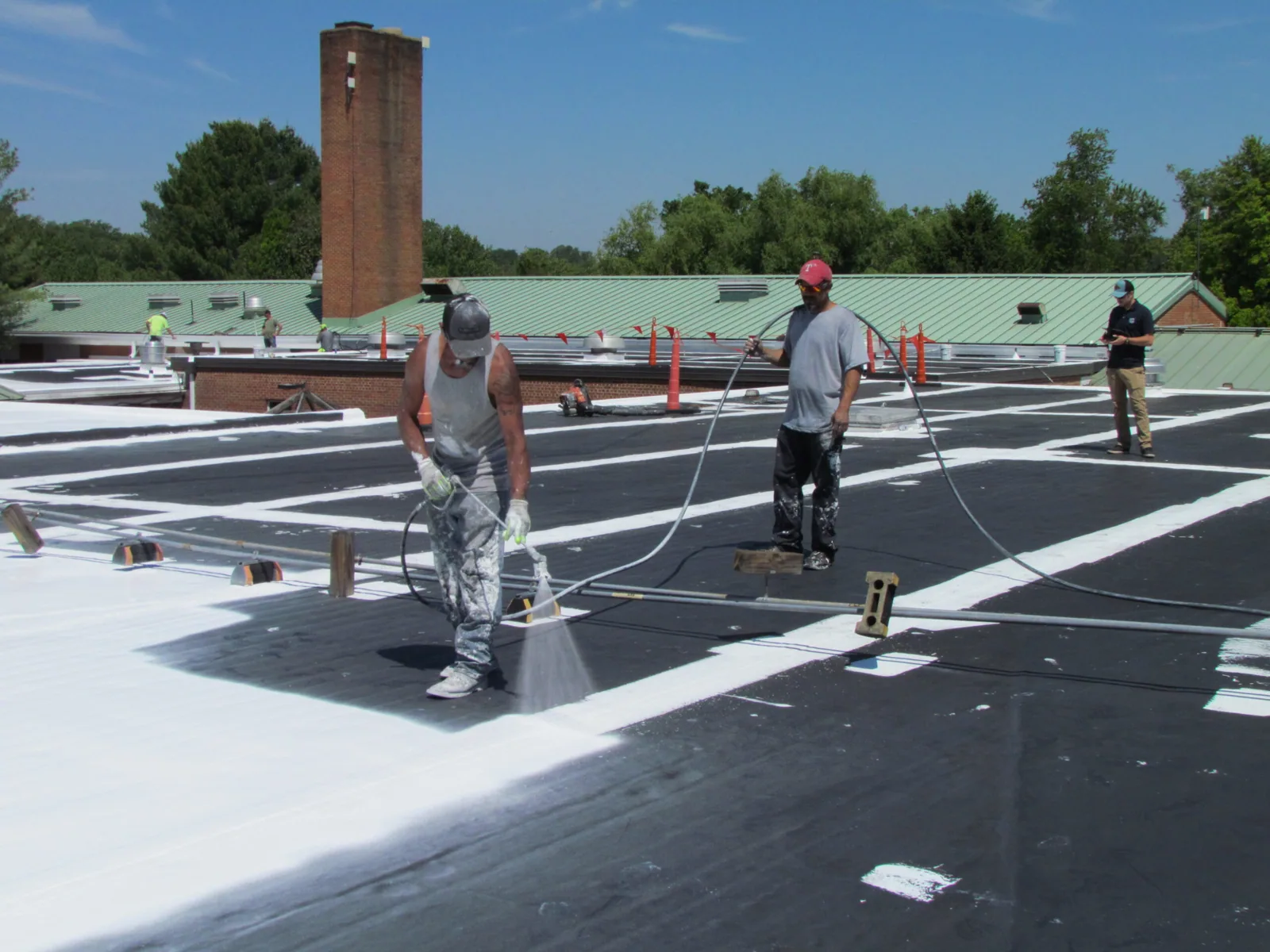
When an adjuster or consultant has a scheduled site visit, the owner can share the timing and any requested documents before mobilization. We can explain our measured roof findings and identify what still needs testing, while the insurer and policyholder handle coverage questions and decisions. A storm damage assessment preserves current observations, photographs, and damage categories for that discussion.
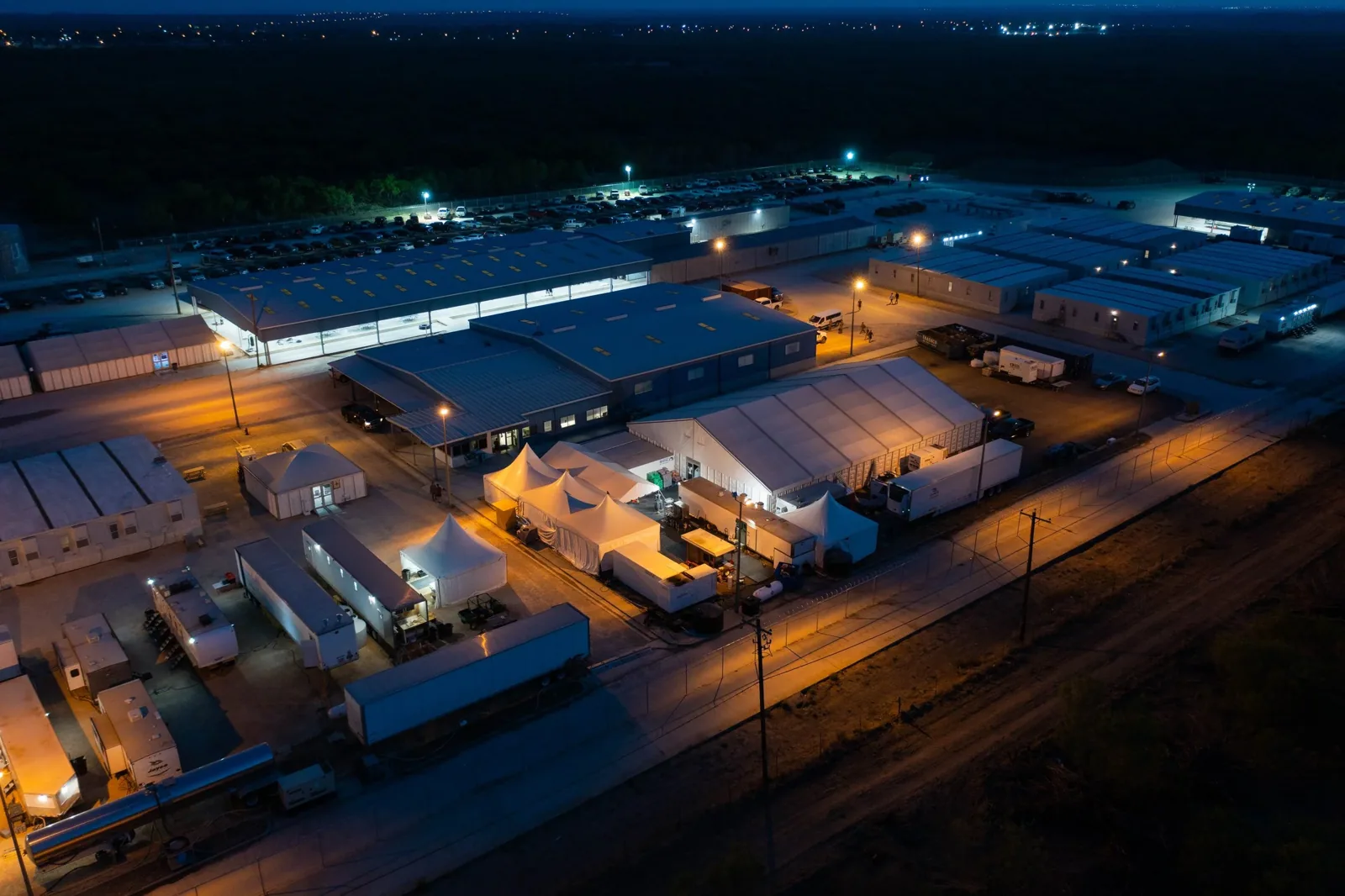
The Texas City Industrial and Port District has warehouses, rail, grain, oil, and chemical operations. Active production, truck routes, and safety procedures can shape a claim inspection window at those facilities. We confirm the owner’s access rules and identify whether any area remains unavailable. If a meeting cannot enter a restricted roof zone, the report states that limit and schedules another inspection after the property contact releases access.
Explain quantities without deciding coverage
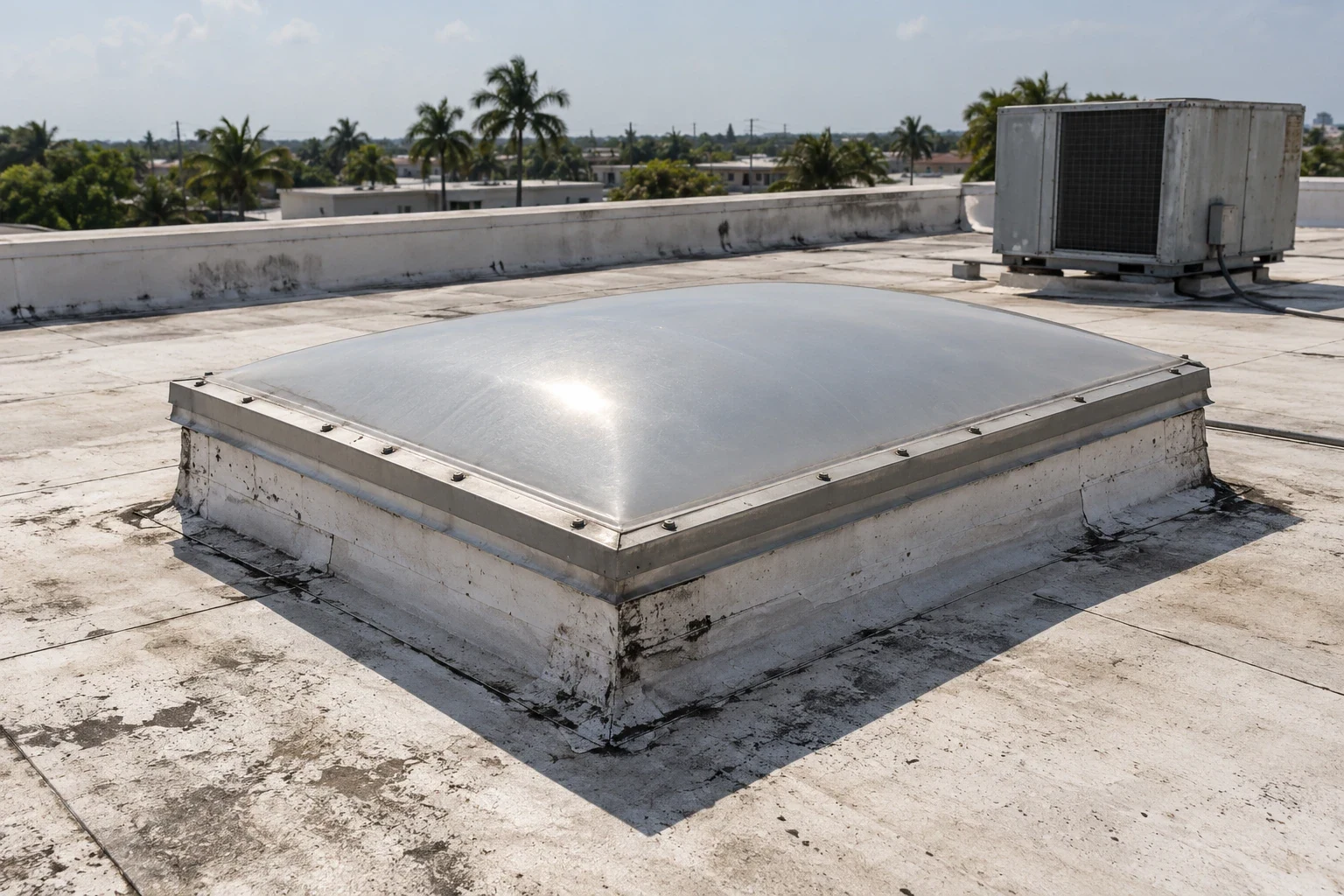
A roofing estimate describes the scope needed to repair or replace the roof, along with dimensions, materials, access, protection, and costs. It does not determine policy interpretation, deductibles, coverage, depreciation, or payment timing. We identify assumptions and distinguish conditions directly observed from those that depend on opening the assembly. A condition report can preserve test locations and photos for comparison with the estimate, helping the reviewer see how the quantity follows the roof evidence.
For a League City reroof, the design team confirms city code, ultimate design wind speed, and applicable Texas Department of Insurance requirements before the scope is finalized. We identify design questions that affect the roofing scope, while leaving any coverage interpretation with the policyholder and insurer. The owner can compare measured work with the claim file before authorizing repairs beyond emergency protection. Our photos and quantities support that review without stating how the insurer should determine coverage.
Close the file with dates and open items
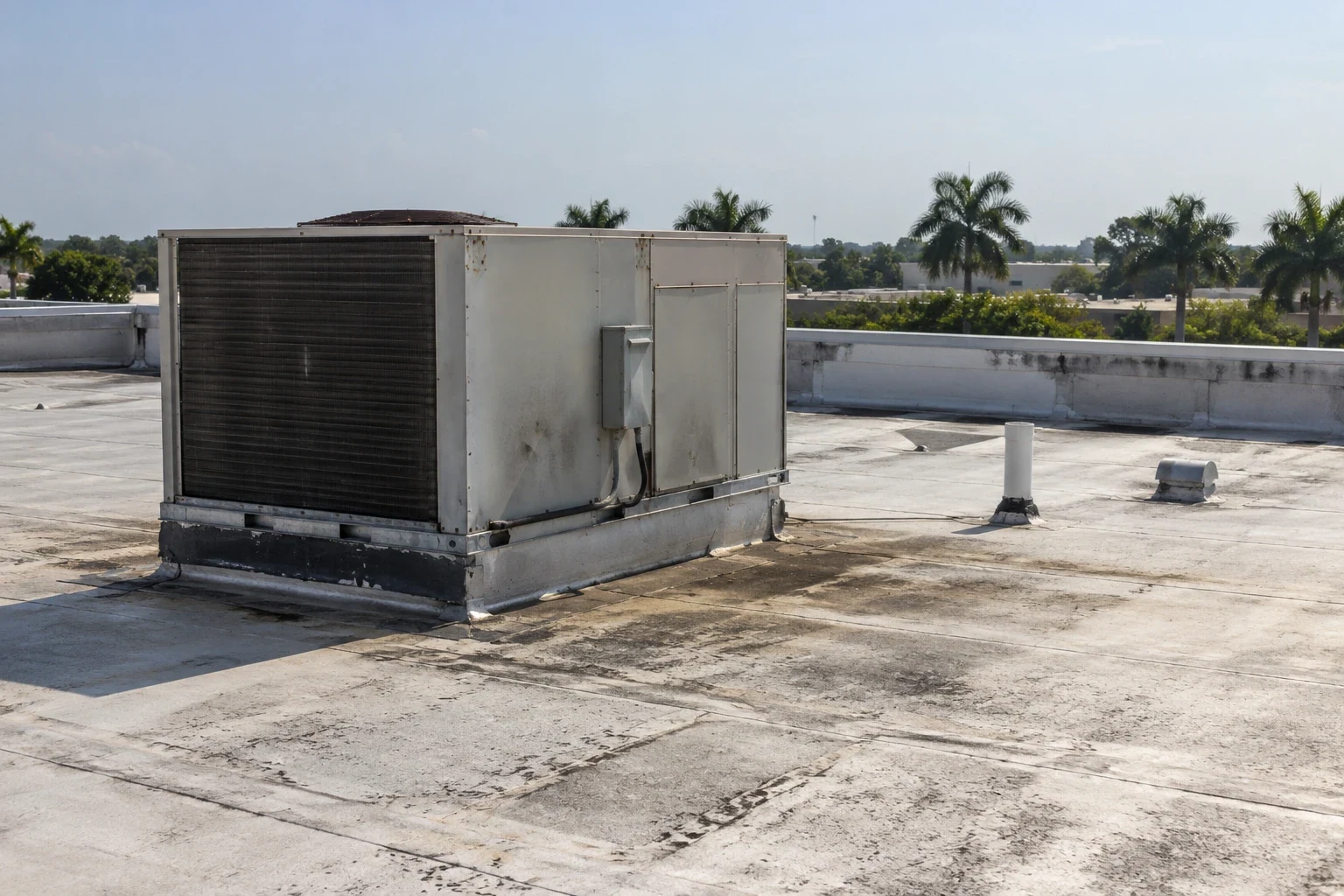
After the work, we provide completion photographs, material and area details, tie-in checks, change approvals, and any deferred condition. We note whether the temporary cover was removed and whether additional testing or a separate trade remains necessary. The final record should align with the original roof-zone map so later staff can tell which repair followed the storm report and which conditions remain outside the approved work.
Send the League City address, event date, insurer’s requested inspection window, roof plans, prior repair records, and affected rooms. We will document the roofing findings and organize the estimate around measured work, testing, and access. The file supports a claim discussion while leaving coverage decisions with the policyholder and insurer.
Frequently Asked Questions
Can you tell me whether my policy covers a roof repair?
We document roof conditions and prepare a roofing scope. Coverage, policy interpretation, deductibles, and payment decisions belong to the policyholder and insurer.
What should I gather before a claim inspection?
Provide the event date, roof plans, prior repairs, interior reports, photographs, insurer correspondence, and any access restrictions. We connect those records to roof zones and test locations.
Does a regional storm report prove damage at my building?
No. It gives event context, while current photographs, measurements, and tests establish what is present at the property. We keep untested areas separate from confirmed conditions.
Can emergency dry-in be documented separately?
Yes. We list the temporary cover, attachment, interior protection, and follow-up point apart from permanent repair. The record describes the work without promising how a claim will be handled.
What if the adjuster cannot access part of the roof?
We note the restricted area and why it was not inspected, then identify the contact and return access needed. The estimate does not extend findings into a section that was not reached.