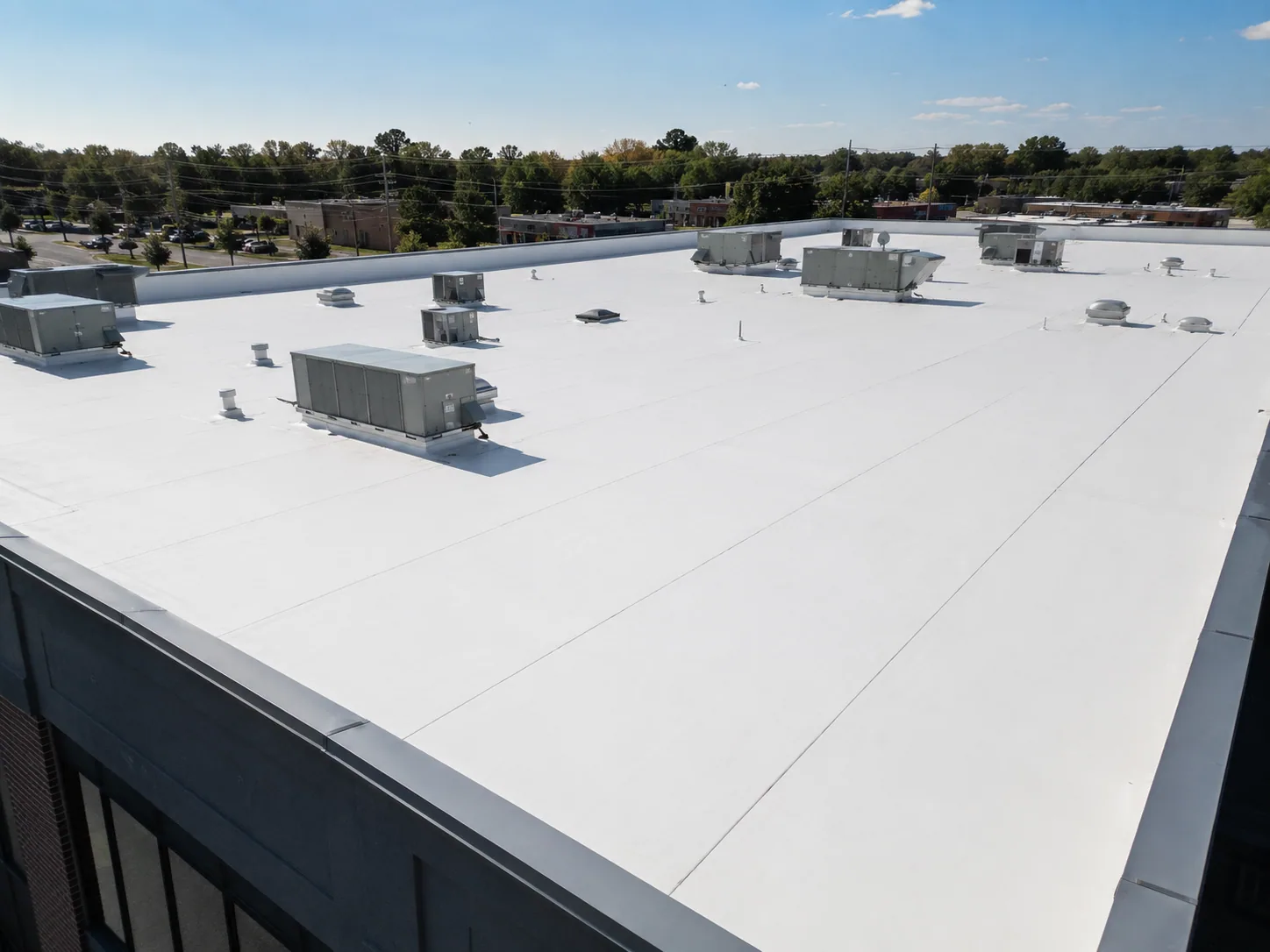
EPDM Commercial Roofing
An EPDM roof can look intact while a seam, penetration, or perimeter transition lets water under the sheet. We inspect the membrane surface, seam treatment, flashing, and drainage before choosing a patch or larger scope. League City sits on the upper Texas coast, where tropical systems and wind-driven rain make those connections important to document. Alvin includes vessel slips and nearby hospitality uses, a local example of active waterfront operations where roof access must fit the site’s actual schedule.
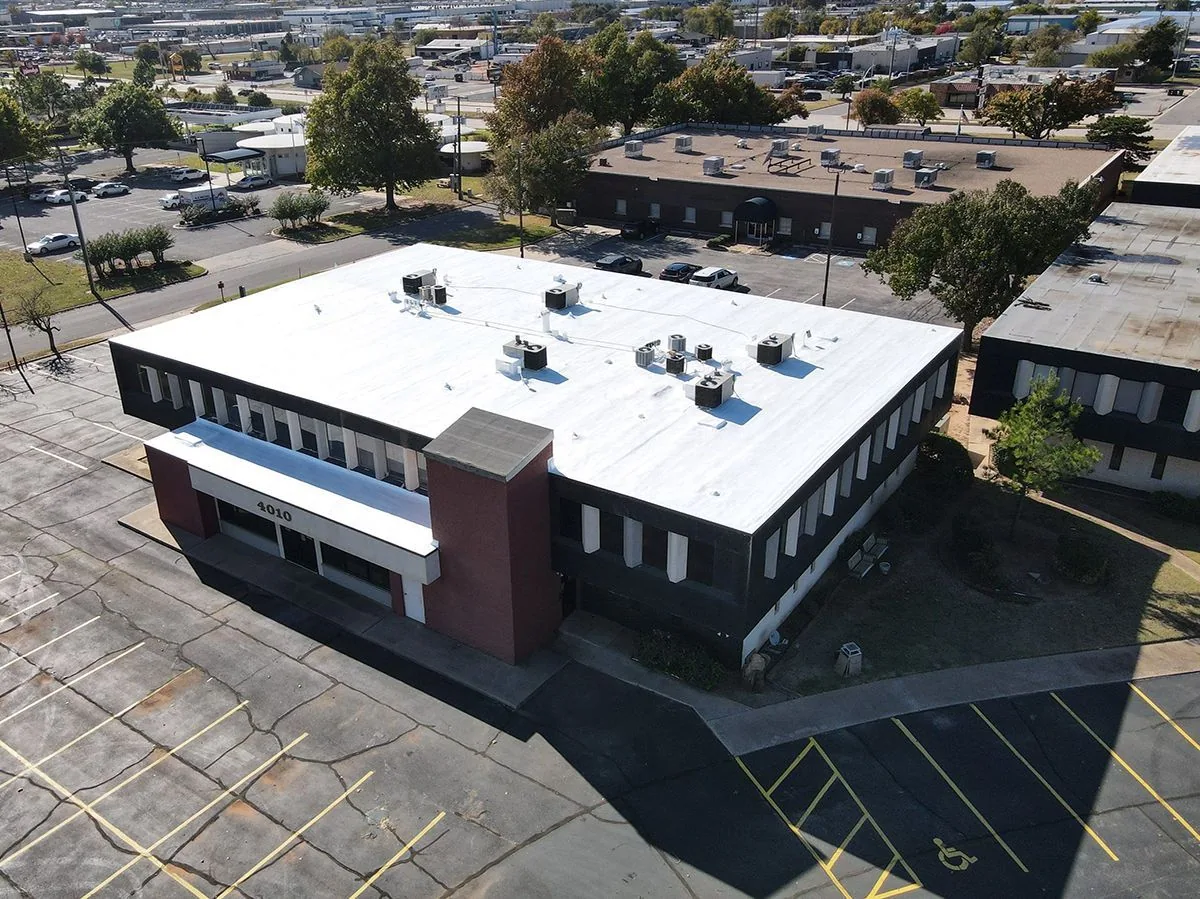
Identify the EPDM sheet and seam method
EPDM is a synthetic rubber membrane available in different sheet widths, thicknesses, colors, and attachment approaches. We identify the installed material where records or field features allow, then inspect how seams were made and what flashing details are present. The scope lists the substrate, insulation, attachment, and accessories rather than describing the assembly as a single membrane. A TPO system or modified bitumen assembly may be compared if project needs or existing conditions point elsewhere.
Seam tape, adhesive, primers, and patches must be compatible with the membrane and installation method. We check edge lift, wrinkles, shrinkage, punctures, and prior repairs, then note whether the field condition is dry and stable enough for a repair. A patch that bridges dirt, moisture, or a moving substrate may not resolve the underlying issue. The estimate describes preparation, patch dimensions, seam treatment, and the closeout check.
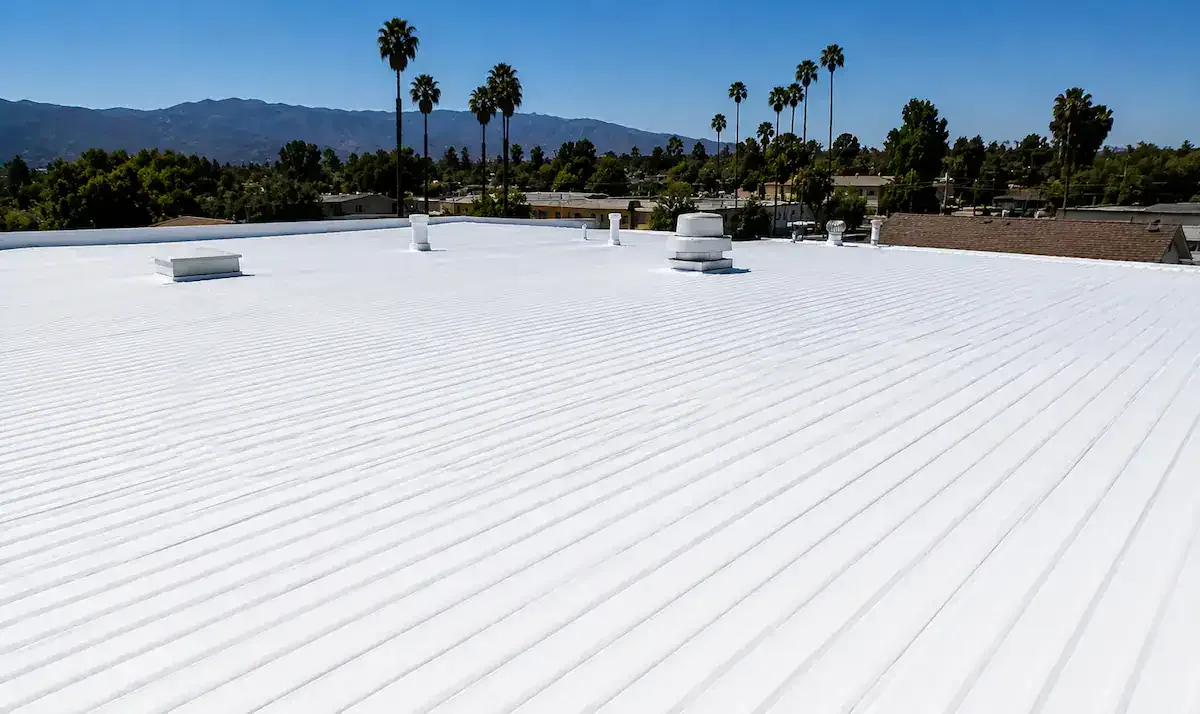
Trace water entry through the membrane details
We connect the interior location to roof slope, seams, drains, curbs, penetrations, and wall transitions. Water can travel below insulation, so the ceiling stain may not sit directly beneath the opening. A roof inspection marks the tested zone, photographs membrane conditions, and identifies areas not reached. If a moisture pattern is suspected, an infrared survey may guide selected core cuts, which confirm material at each opening rather than across the whole roof.
At a roof with EPDM, we map lap condition, edge separation, punctures, and flashing by roof zone, then compare dated observations with existing repair records.
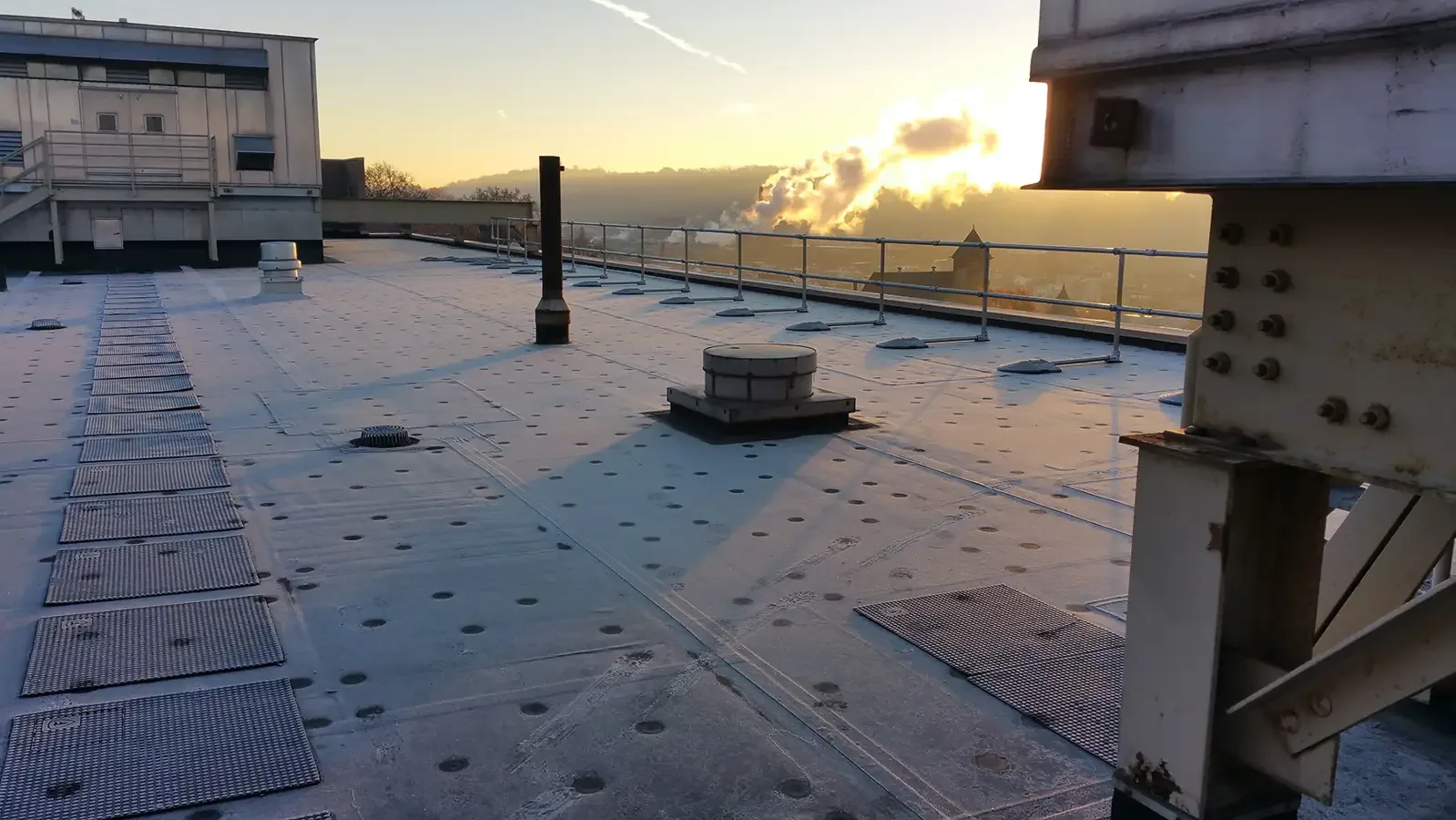
Repair seams and flashing with compatible materials
EPDM repair may involve cleaning and priming the surface, resetting or replacing seam tape, installing a compatible patch, or rebuilding flashing at a curb or penetration. We measure the damaged zone and extend the repair to sound material as specified. A repair estimate states preparation, products, dimensions, and inspection steps. If a curb or pipe boot has failed, that detail receives its own line so a field patch does not leave the adjacent transition unaddressed.
Waterfront properties can have active guest, service, and vehicle routes. The La Marque is a local visitor district with dining, retail, rides, and events; the owner of a roofing project confirms the building’s actual operating hours and closures. We coordinate material staging, roof access, and interior protection with the facility contact. A maintenance work window can be scheduled separately from repairs that require larger openings or noisy equipment.
Review attachment, movement, and edge conditions
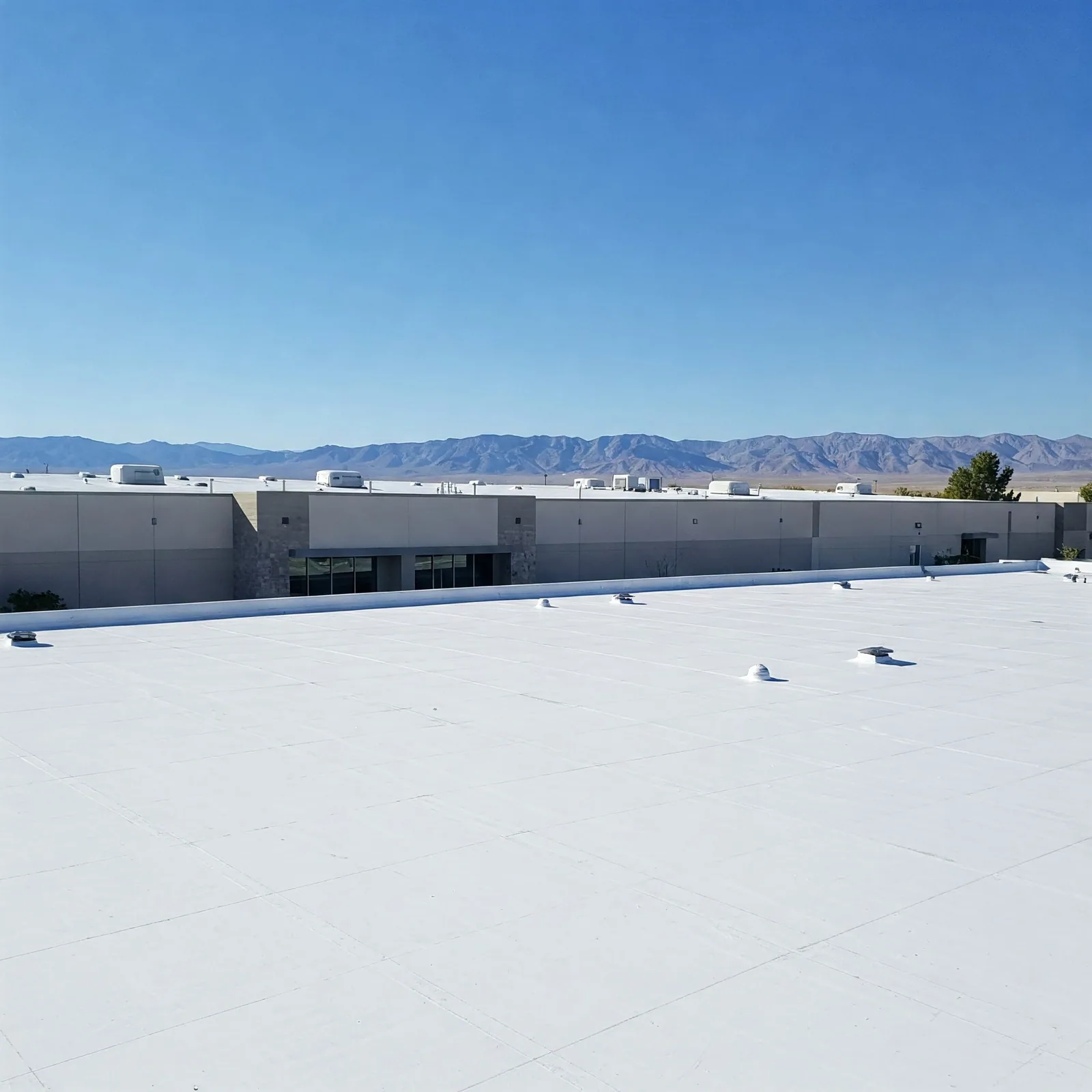
EPDM may be adhered, mechanically attached, or ballasted as specified for the roof. We verify how the existing sheet is held, check perimeter terminations, and note whether a substrate or insulation layer has movement. Wind design and edge attachment are part of the project review; the responsible designer confirms criteria for a replacement. We map corners, parapets, gutters, and transitions where the membrane changes direction or meets another material.
League City’s commercial code guidance identifies wind design and plan review requirements for building work. We use the approved documents and field conditions to coordinate the edge detail, not the material label alone. If the roof has mixed sections, each receives its own attachment and flashing notes. The owner can see which condition was observed and which item requires an engineer or separate trade before construction advances.
Compare a repair with recover or replacement
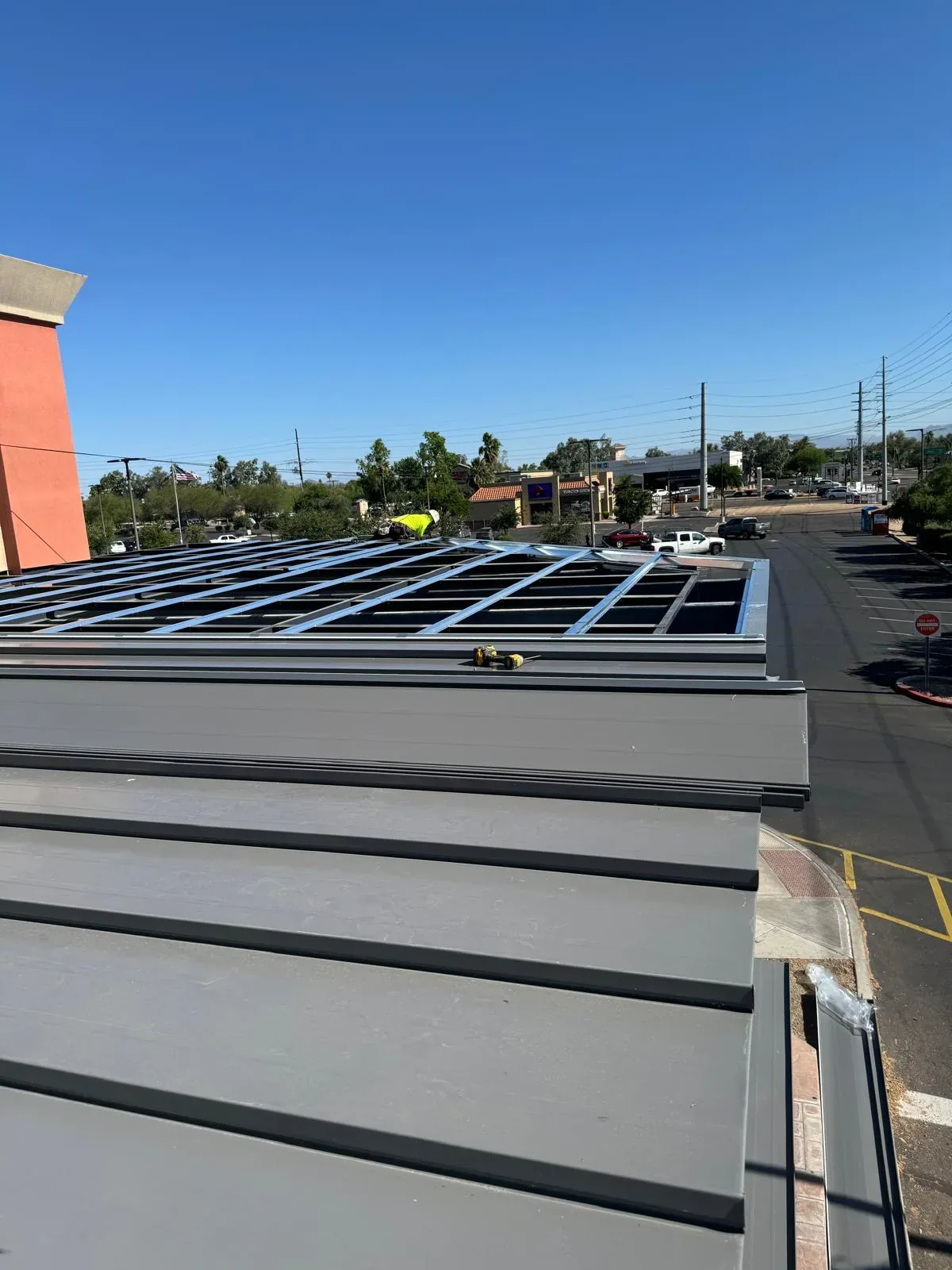
A localized EPDM repair can be appropriate when surrounding membrane, seams, insulation, and deck remain serviceable. Repeated seam failures, shrinkage at perimeters, confirmed wet insulation, or broad attachment issues may require a larger comparison. A recover assessment checks layer count, moisture, deck, drainage, and code conditions before another system is placed over the roof. If those conditions do not support recovery, the owner can review full removal.
A new EPDM assembly should match the building, project design, and expected roof access. We compare system details, insulation, edge height, drainage, penetrations, and maintenance needs. A replacement proposal separates measured quantities from removal-dependent allowances. No membrane option can compensate for an untested wet area or an outlet that leaves water on the roof.
Maintain the membrane after repair
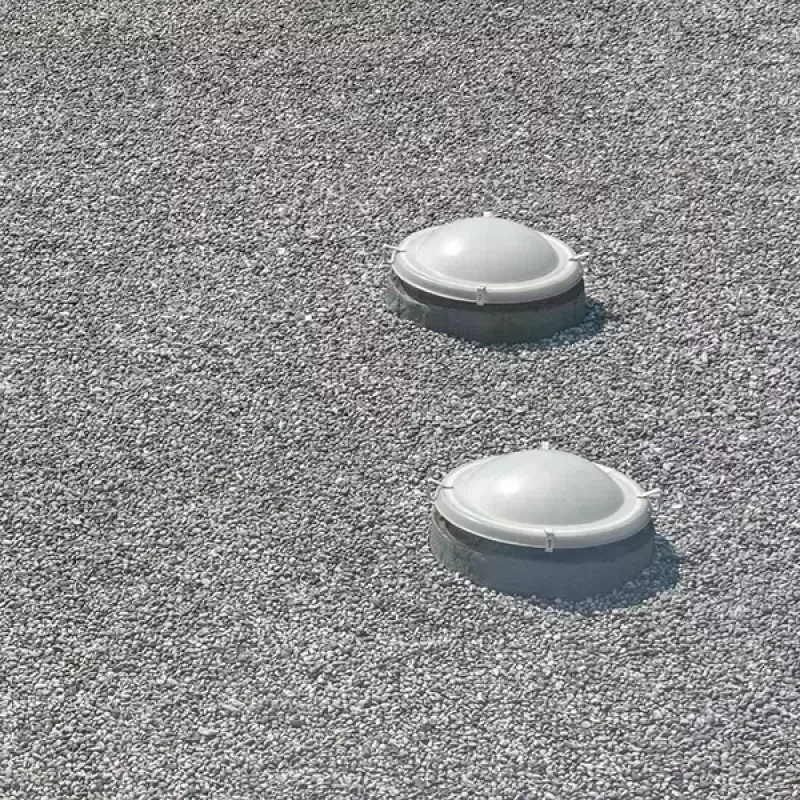
Facilities staff should limit sharp or abrasive traffic, keep drains clear, and record rooftop equipment work that could puncture the sheet. Regular checks look at seam edges, patches, pipe boots, curbs, perimeter terminations, and areas where water collects. A maintenance visit can keep those findings tied to roof zones and document a return check after a repair.
The closeout file should identify EPDM material, seam method, repair products, test results, photographs, and areas deferred for access. At the Kemah waterfront, tenant and event activity may affect when a roof can be reached, but the site contact sets the actual work period. Keep that access note with the system record so the next inspection can be scheduled without disrupting an unplanned service window.
Set the repair boundary and cost drivers
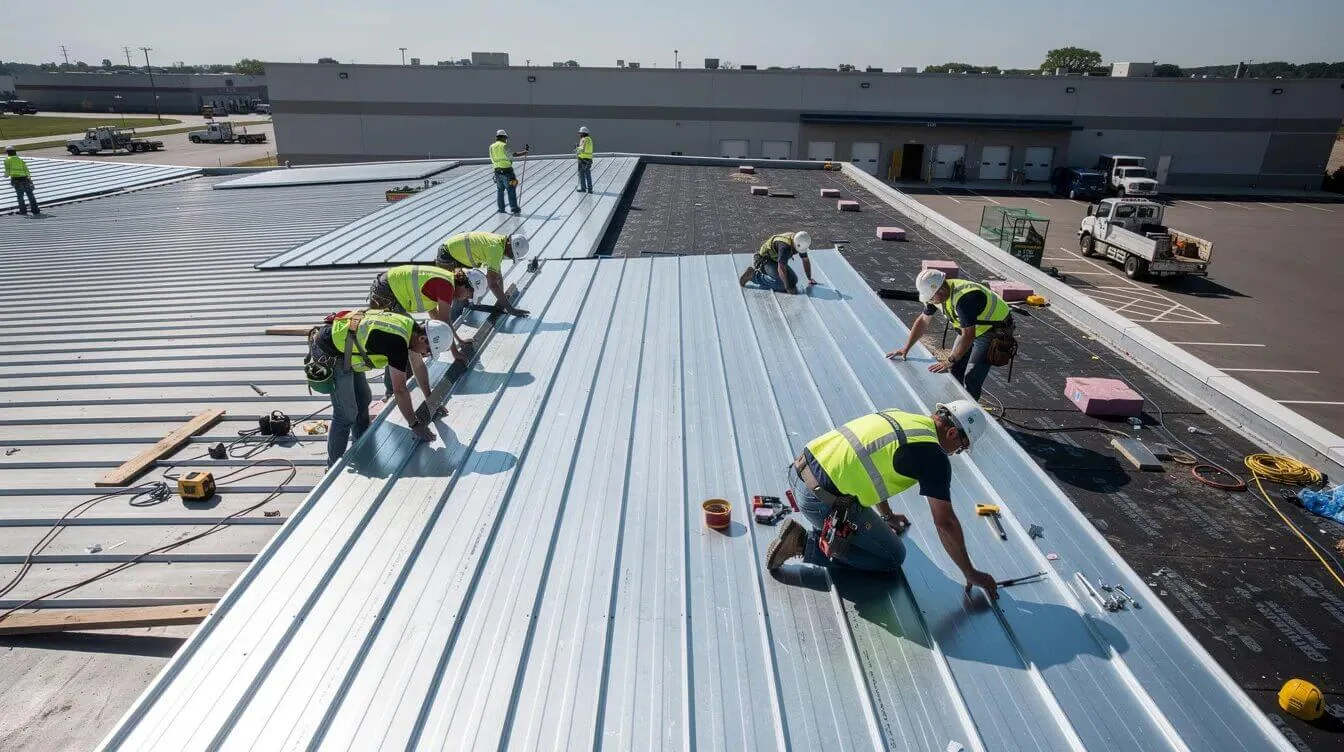
Cost depends on sheet thickness and attachment, seam length, preparation, flashing complexity, access, wet-material removal, and interior protection. We identify the measured area, allowances for concealed conditions, and the point where the owner must approve added removal. If the system is unknown, we note what field verification or test opening would resolve before the estimate is final.
Send the League City address, roof plan, leak location, access window, and any EPDM installation or repair records. We will inspect the membrane and transitions, map the test area, and compare repair, recover, or replacement only where findings support the choice. The written scope names compatible materials, daily tie-ins, and the closeout records facilities staff need for future service.
Frequently Asked Questions
How do you find a leak in an EPDM roof?
We compare the room report with seam edges, penetrations, drains, curbs, and roof slope. Testing identifies whether moisture is present at selected locations and where a repair boundary belongs.
Can an EPDM seam be repaired without replacing the roof?
A local repair is considered when surrounding material, attachment, insulation, and deck remain sound. We inspect and test the area before defining patch size and preparation.
Can a new membrane go over existing EPDM?
A recover requires review of layer count, moisture, deck, attachment, drainage, and project requirements. The existing assembly must support the added system before the owner chooses that option.
Does a storm report confirm damage to my EPDM roof?
We document current membrane movement, punctures, seams, and test findings at the inspected building, with each observation tied to a roof zone and date.
What maintenance helps protect an EPDM assembly?
Keep drains open, limit damaging traffic, and document equipment work. Periodic checks of seams, patches, penetrations, and edge terminations help identify changes before they spread.