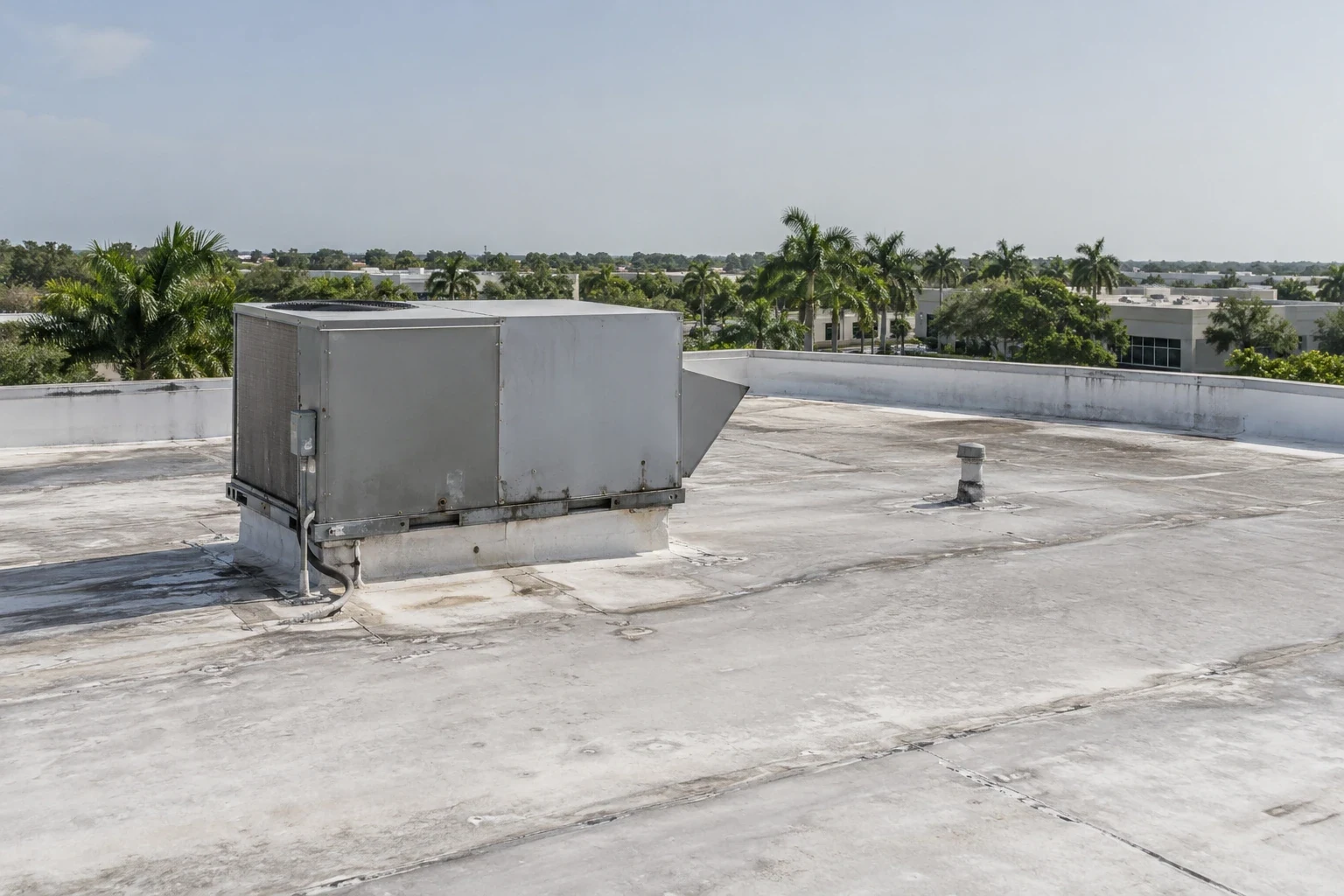
Industry changes the coordination around a roof, while the assembly and field condition determine the repair. League City's employer base includes education, medicine, retail, petrochemicals, and public services. A school district may need a calendar-based work plan; a medical group may require controlled access; a logistics site may need dock coordination. We confirm the actual property, roof system, operating contact, and work limit before recommending maintenance, repair, restoration, or replacement.
Coordinate commercial roof work across managed properties in League City, TX, with clear inspection records, tenant notices, repair limits, and budgets.
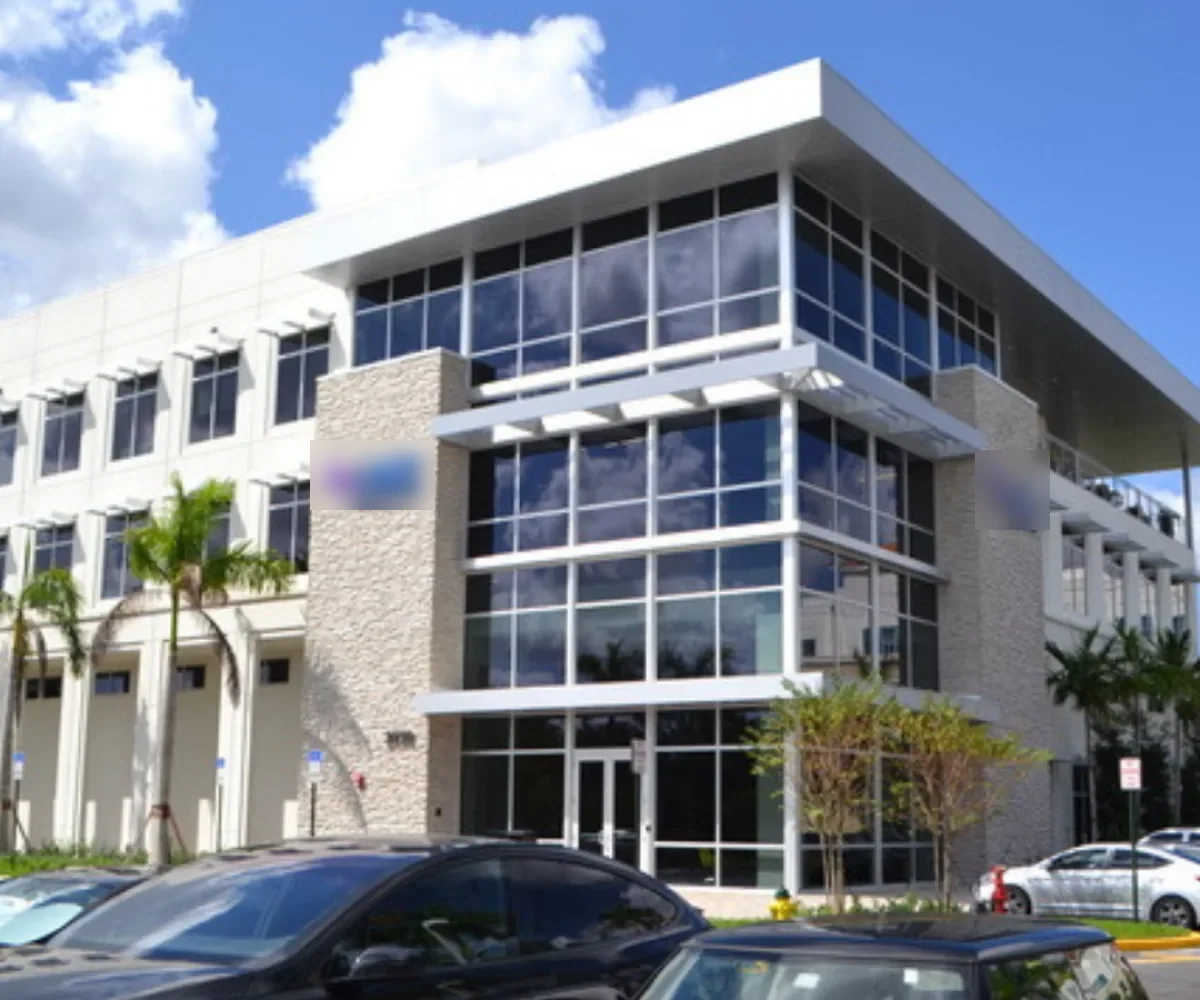
Evaluate commercial roof risk for League City, TX, investments with condition evidence, repair boundaries, due-diligence records, and capital options.
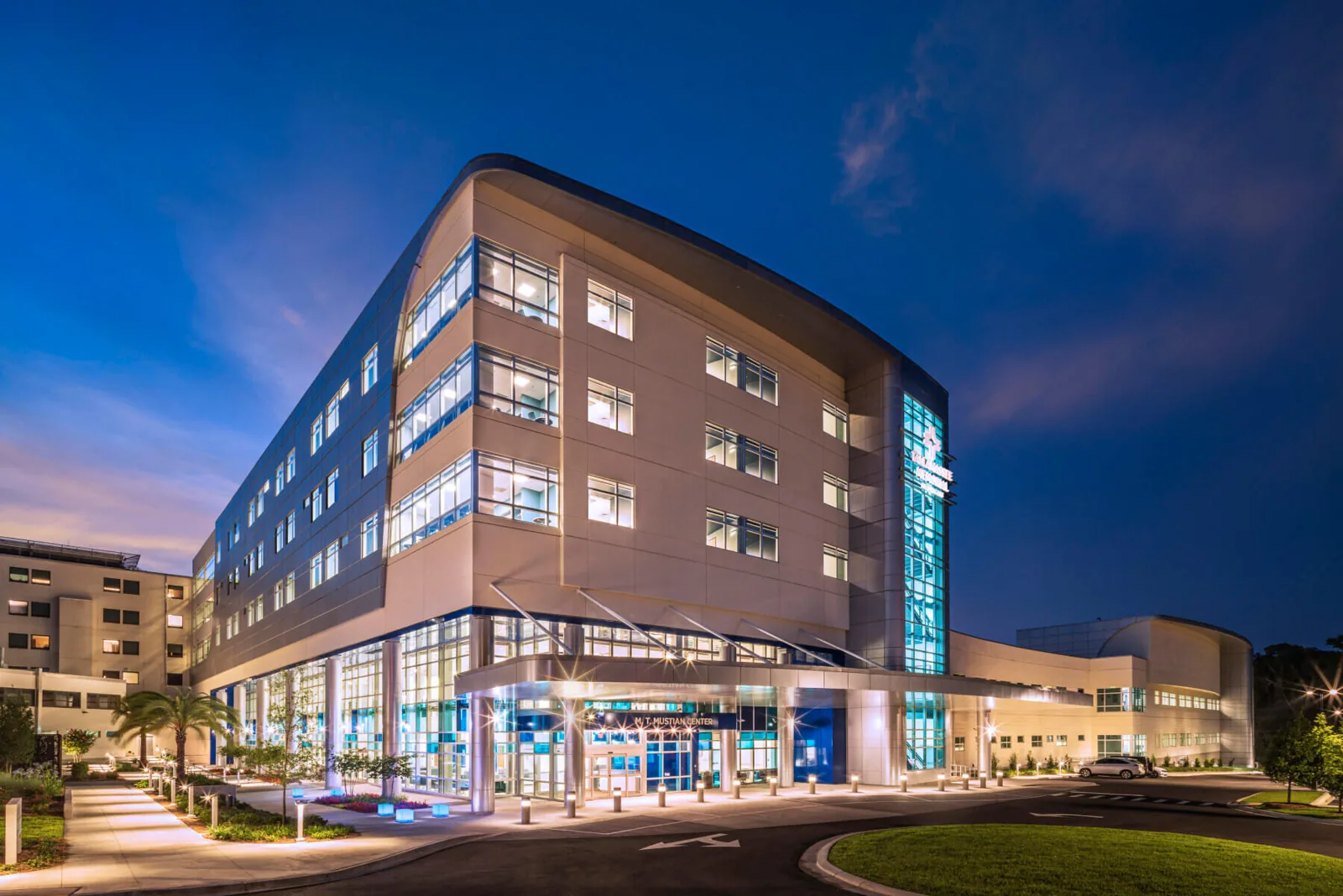
Plan healthcare roof inspections and repairs in League City, TX, with patient-area phasing, moisture testing, protected access, and clear closeout records.
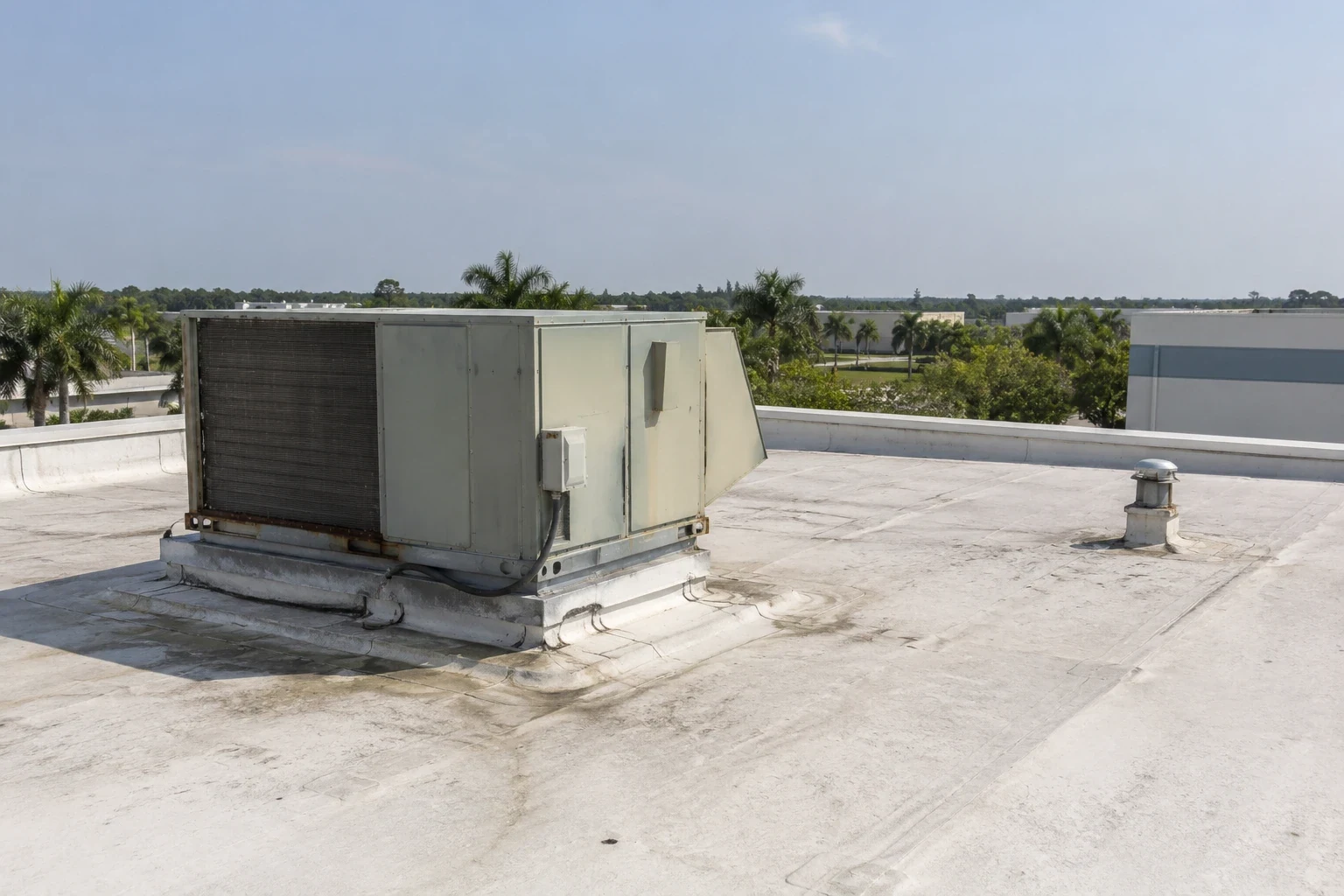
Plan manufacturing-facility roof work in League City, TX, with production-aware access, assembly testing, staged repairs, and clear shutdown limits.
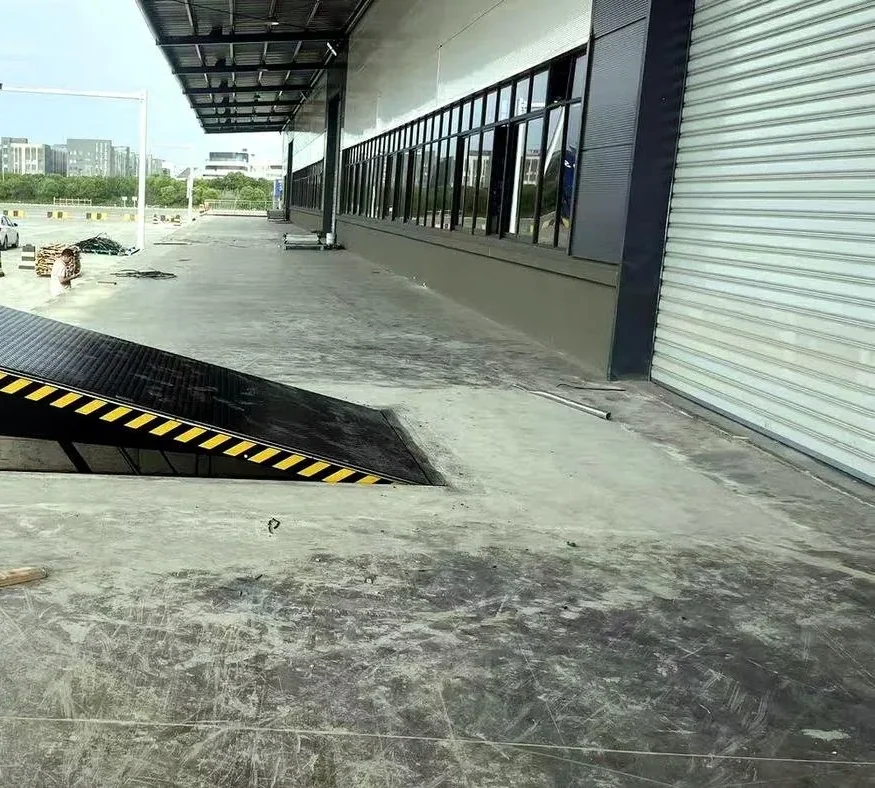
Coordinate warehouse and logistics roof work in League City, TX, with dock scheduling, inventory protection, staged repairs, and defined dry-in checks.
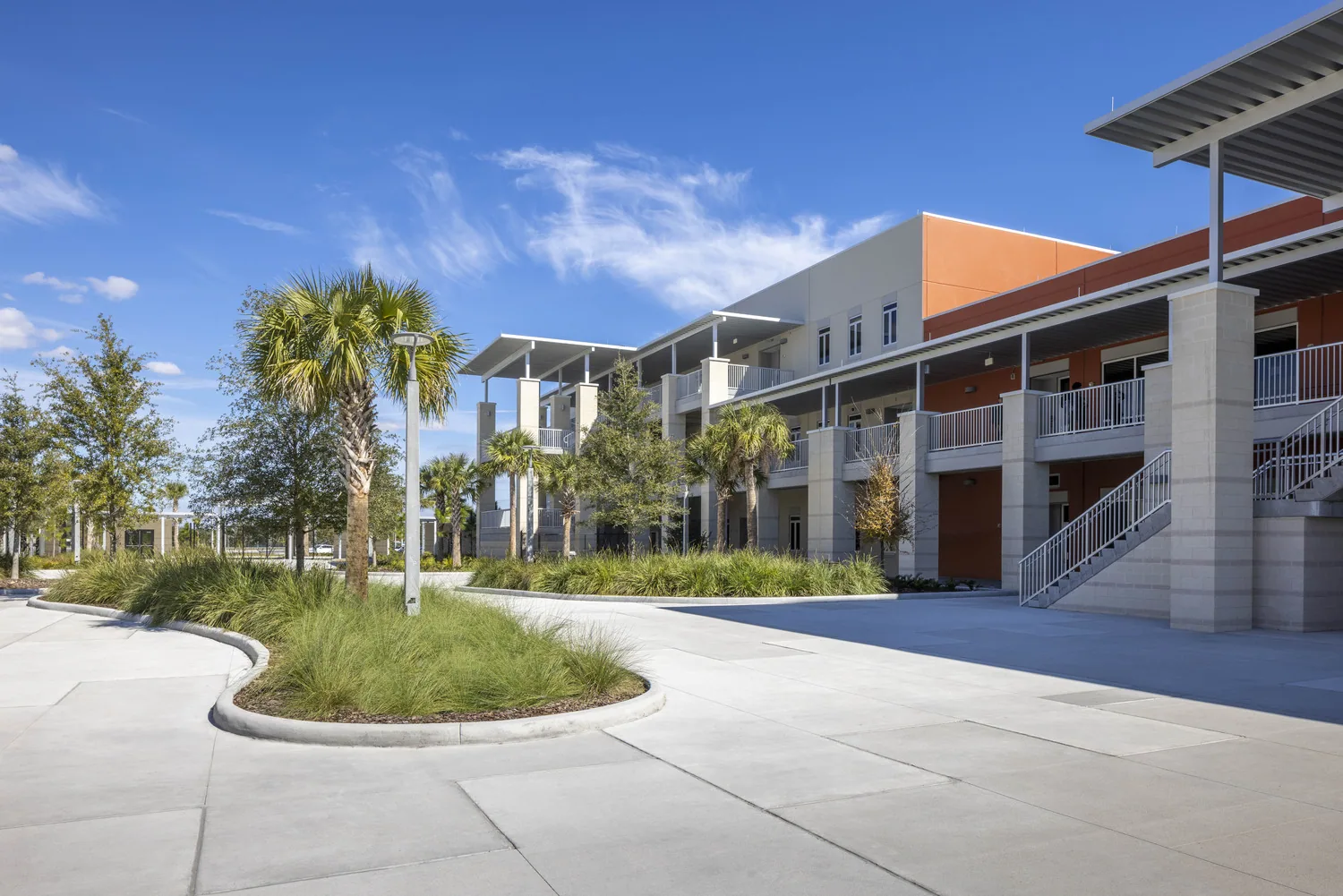
Plan school district roof inspections and repairs in League City, TX, with campus access controls, summer sequencing, classroom protection, and clear records.
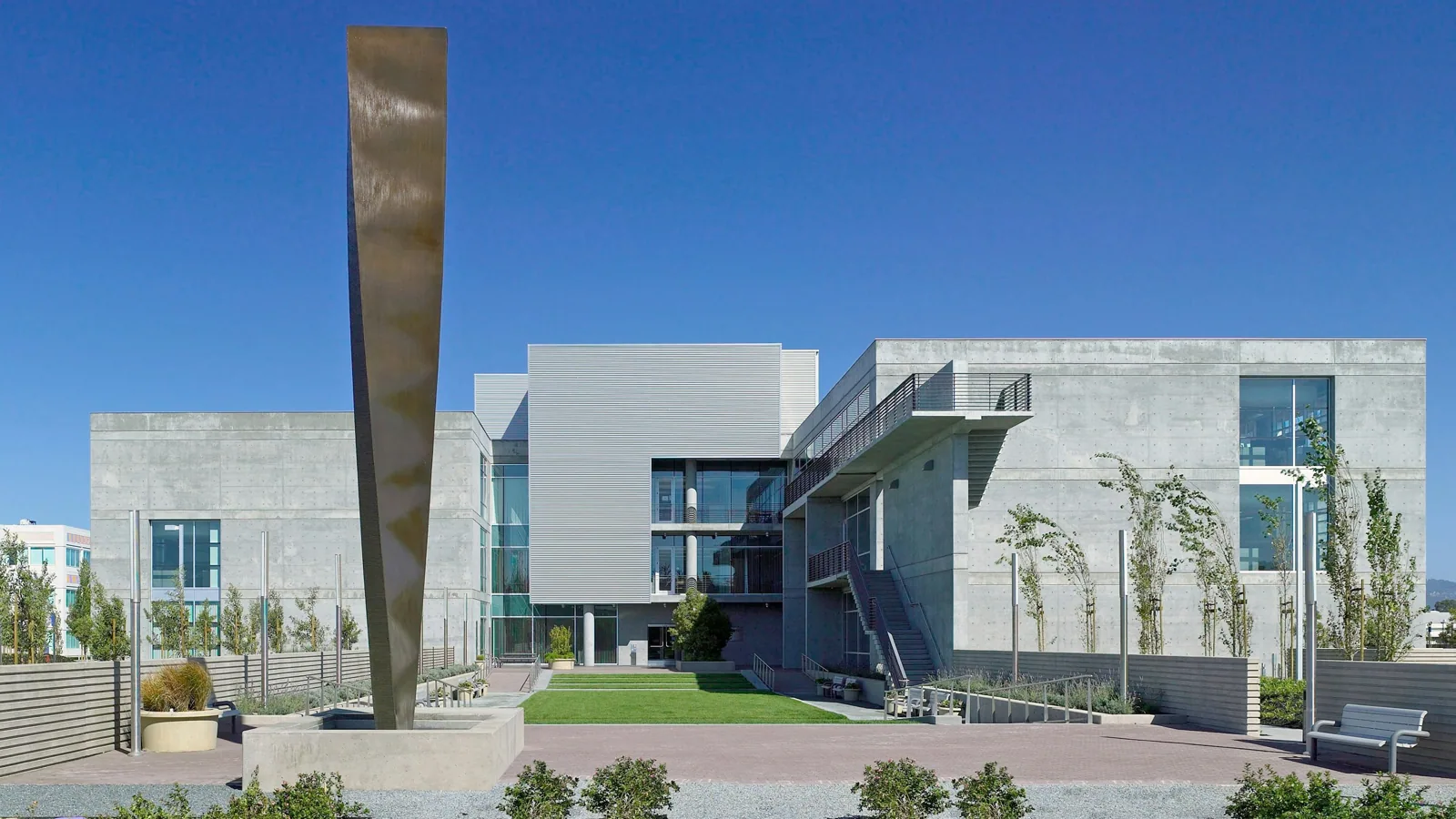
Scope public-facility roofing in League City, TX, with inspection records, procurement-ready work limits, access coordination, and documented approvals.
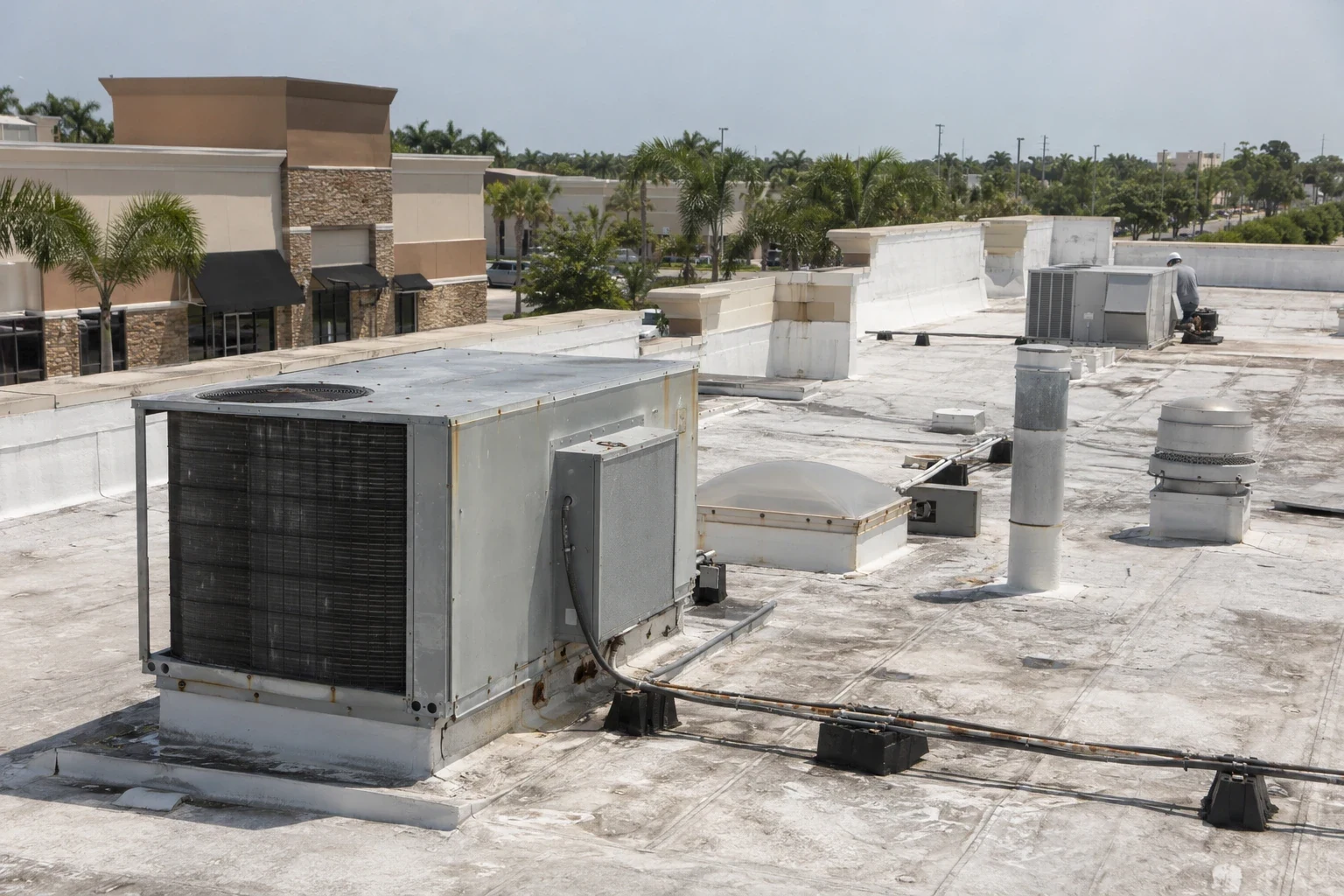
Coordinate retail and restaurant roof repairs in League City, TX, with tenant access, exhaust and flashing checks, local work zones, and consistent records.

Coordinate hotel and hospitality roof work in League City, TX, with guest protection, event calendars, phased access, and documented repairs.
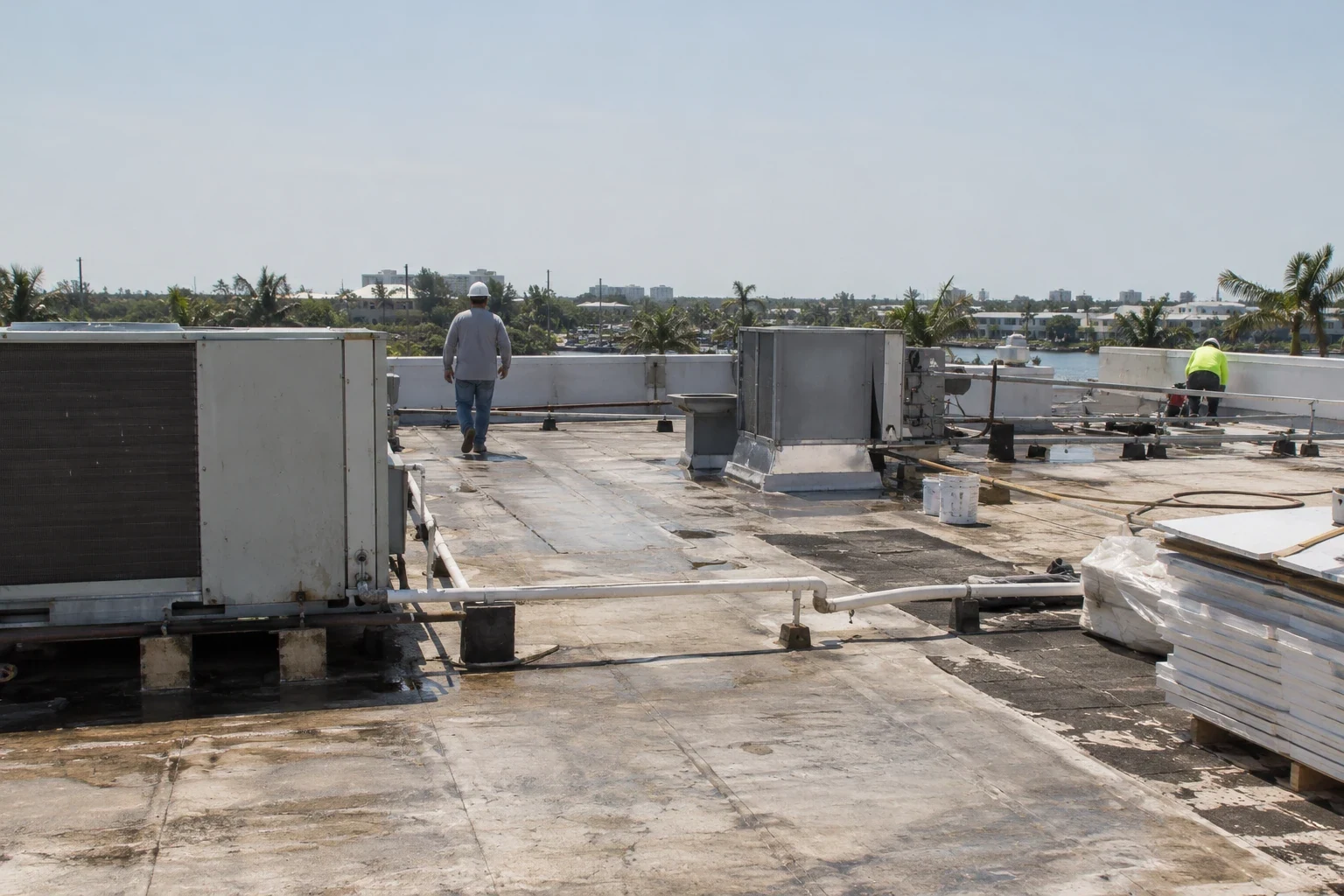
Coordinate commercial roofing scopes for League City, TX, general contractors with defined tie-ins, schedule holds, submittals, and closeout records.
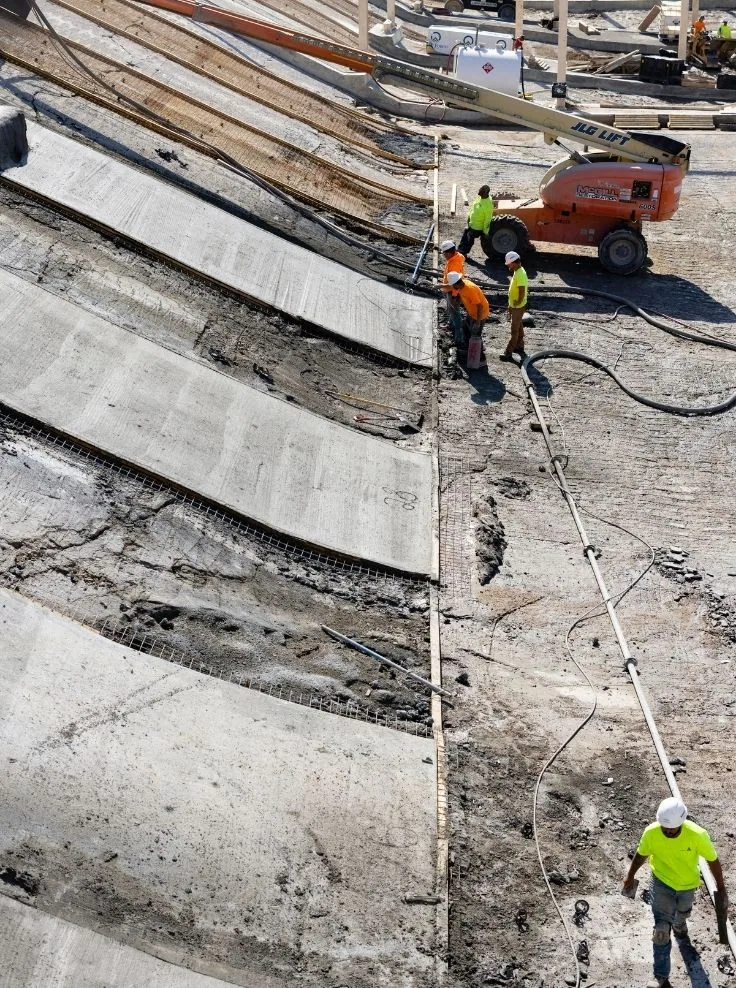
Document commercial roof damage and restoration in League City, TX, with dated photos, measured repair limits, emergency protection, and clear follow-up.
For owners with multiple buildings, property-management groups and real-estate investors can use consistent roof-zone records without assuming the portfolio has one system. healthcare systems coordinate around patient routes and equipment contacts. school districts provide calendars and site restrictions. A general contractor identifies trade interfaces, current drawings, sequencing, and the party authorized to approve a test opening.
The area's employers include UTMB, Clear Creek ISD, H-E-B, and INEOS. Texas City's industrial and port activity brings process controls and production schedules into roof-access planning. Those names are context; the facility contact defines how a specific roof visit can proceed. A plan identifies delivery, access, staging, work hours, protection below, and the sequence for returning an opened area to service.
We map accessible membranes or panels, seams, drains, edges, penetrations, curbs, and previous repairs. For a school, we compare a classroom report with the roof zone, drain path, and time of water entry; for a logistics facility, the dock location and dispatch window help set the inspection sequence. Any suspected wet insulation or deck condition remains a test item until an approved opening confirms it. The inspection record lists the areas reached, photographs, and what could not be accessed safely.
At logistics and 3PL facilities, we coordinate dock windows; on manufacturing roofs, we protect process routes. Retail and restaurant buildings need public paths controlled, while hospitality properties add guest and service access to the work plan. League City's I-45 and FM 646 retail concentration differs from the port and industrial canal in Texas City. Work access, process constraints, and roof condition stay tied to the address rather than to an industry label.
A measured repair states its preparation, material, tie-in, quantity, and limits. If the condition is concealed, we propose a test and approval point before expanding removal. A broader reroof estimate lists assembly assumptions, insulation, deck allowance, edges, equipment, access, disposal, and work sequencing. For claim files, an insurance restoration review ties event dates, photographs, completed repairs, and field findings to each roof zone.
League City logged gusts as high as 52 mph during Beryl in 2024; the October 2004 League City event included damaging wind, golf-ball-size hail, and an F0 tornado. After a reported event, we inspect the named building and record visible conditions by roof zone. We record the current roof evidence and keep immediate stabilization, permanent repair, and any test-dependent work separate.
A closeout file identifies the site, building, roof areas, date, photos, work performed, material, approvals, and remaining actions. That record helps an asset team compare maintenance needs across unlike properties. At League City's UTMB medical campus, retail centers near FM 646, and upper-coast industrial properties, we match roof measurements and access approval to the specific building. Send the address, operating requirements, roof plans, leak history, and work window to plan the first review.
No. Industry helps set access, protection, and sequencing questions. The roof assembly and site evidence determine repair materials and quantities.
Yes. Each building gets its own roof map, inspection date, and findings. Portfolio reporting can use consistent labels while keeping property-specific conditions separate.
Send current roof details, drawing revision, construction sequence, trade interfaces, access plan, and approval contacts. We will identify the observation milestone and boundary for added work.
They provide weather context, but not a property finding. We document accessible roof conditions and state what needs testing before drawing a conclusion.
Share the addresses, property uses, access limits, roof records, and upcoming work windows. We will define the site-specific inspection and reporting structure.