
A roof program is useful when each record supports an actual owner decision. Our capabilities help commercial teams inspect, document, maintain, and plan work across buildings without treating unlike roofs as one asset. A condition report can establish what was observed; capital planning can organize likely work by timing; asset management can retain repairs and records by address. We begin with the owner’s goal, the available documents, and the roof evidence that can be verified.
Track commercial roof condition, repairs, and capital decisions across League City properties with address-specific records and an owner-focused review process.
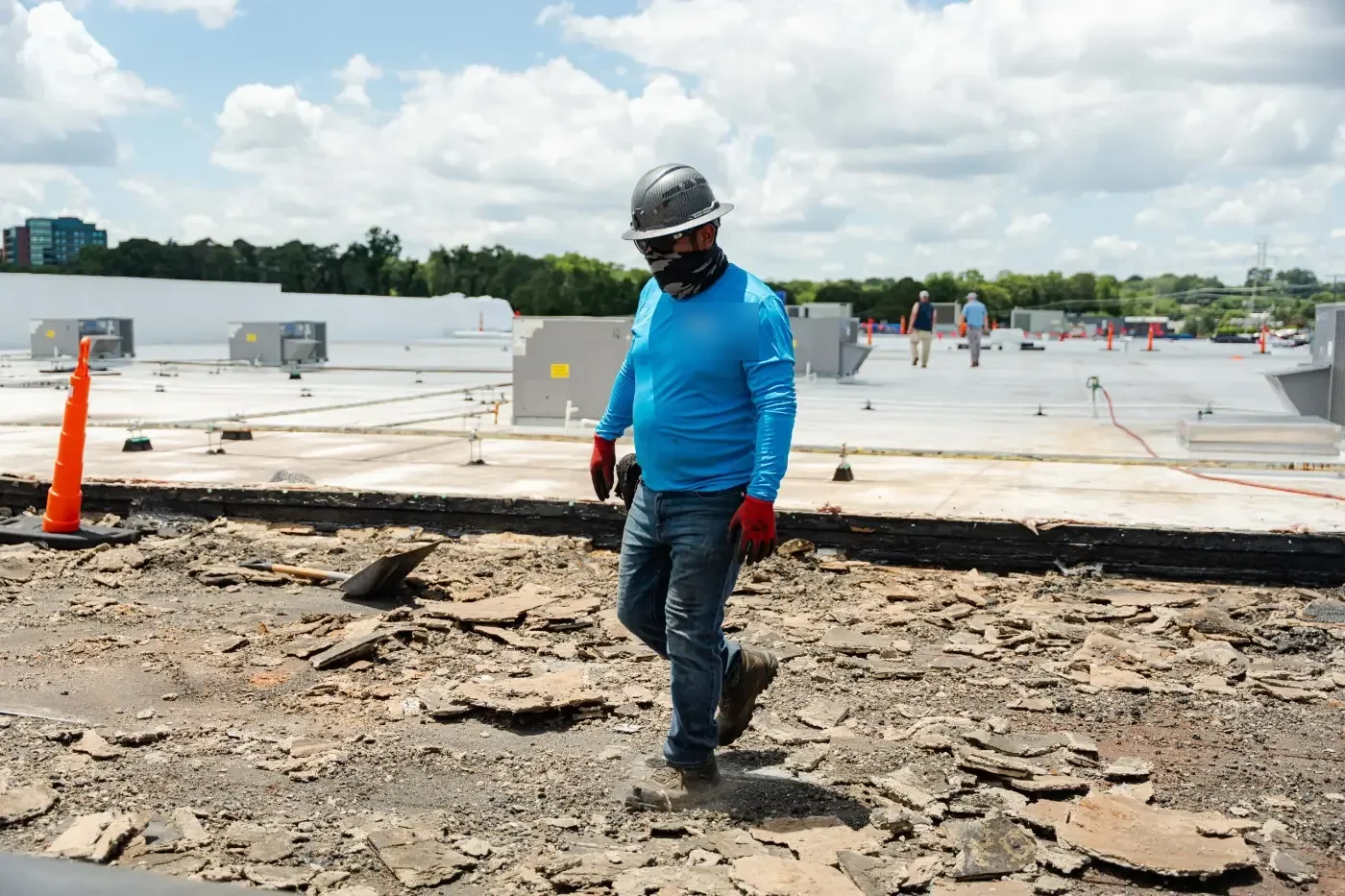
Build a roof capital plan for League City properties using documented conditions, measured scope, test-dependent allowances, and owner approval timing.
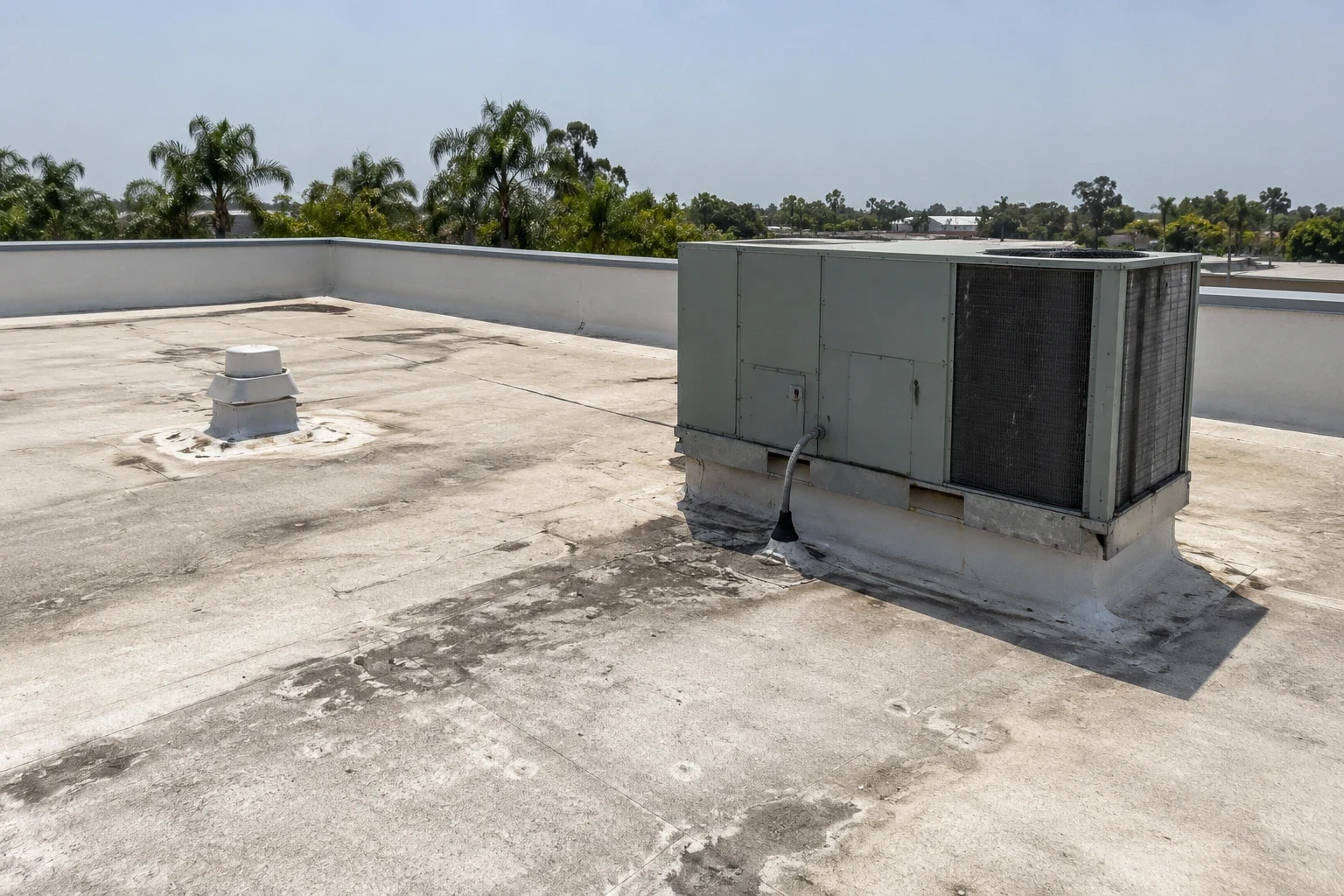
Get a photo-supported commercial roof condition report for League City properties with marked observations, testing limits, and actionable next steps.
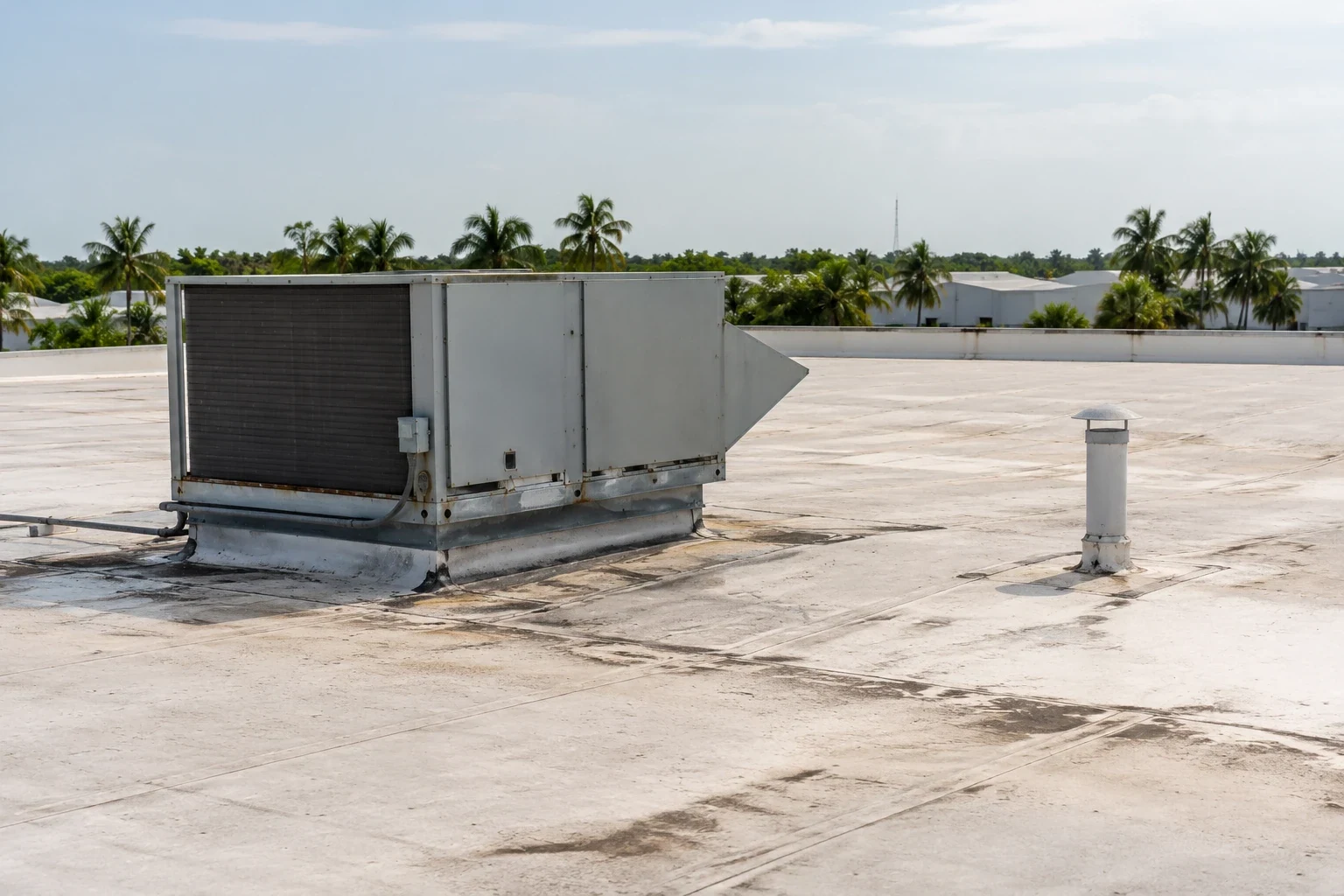
Organize commercial roof warranty documents, inspections, repairs, and open questions for League City properties without assuming coverage.
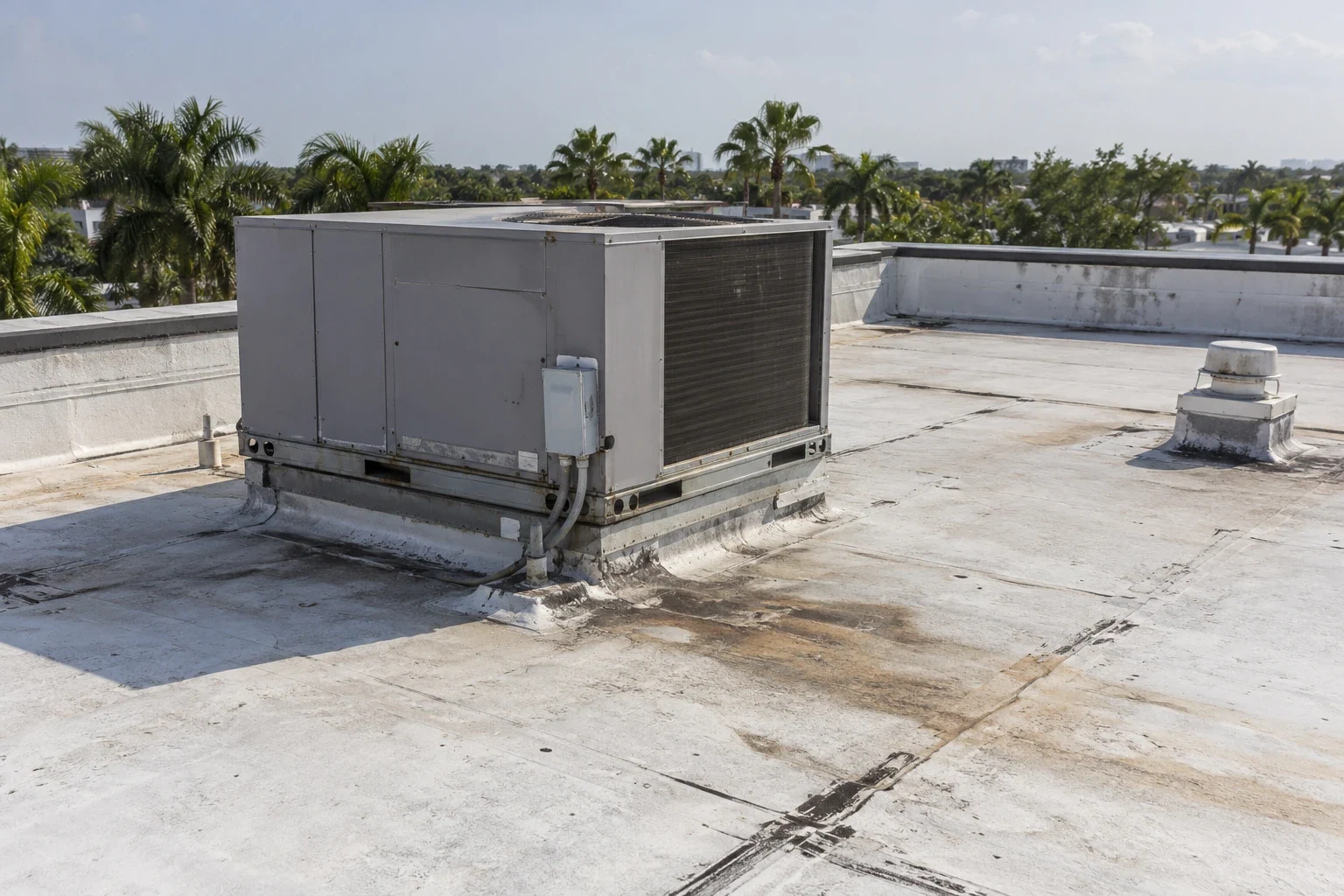
Review commercial roof condition for League City acquisitions and refinancing with a defined survey scope, photo record, access limits, and open questions.
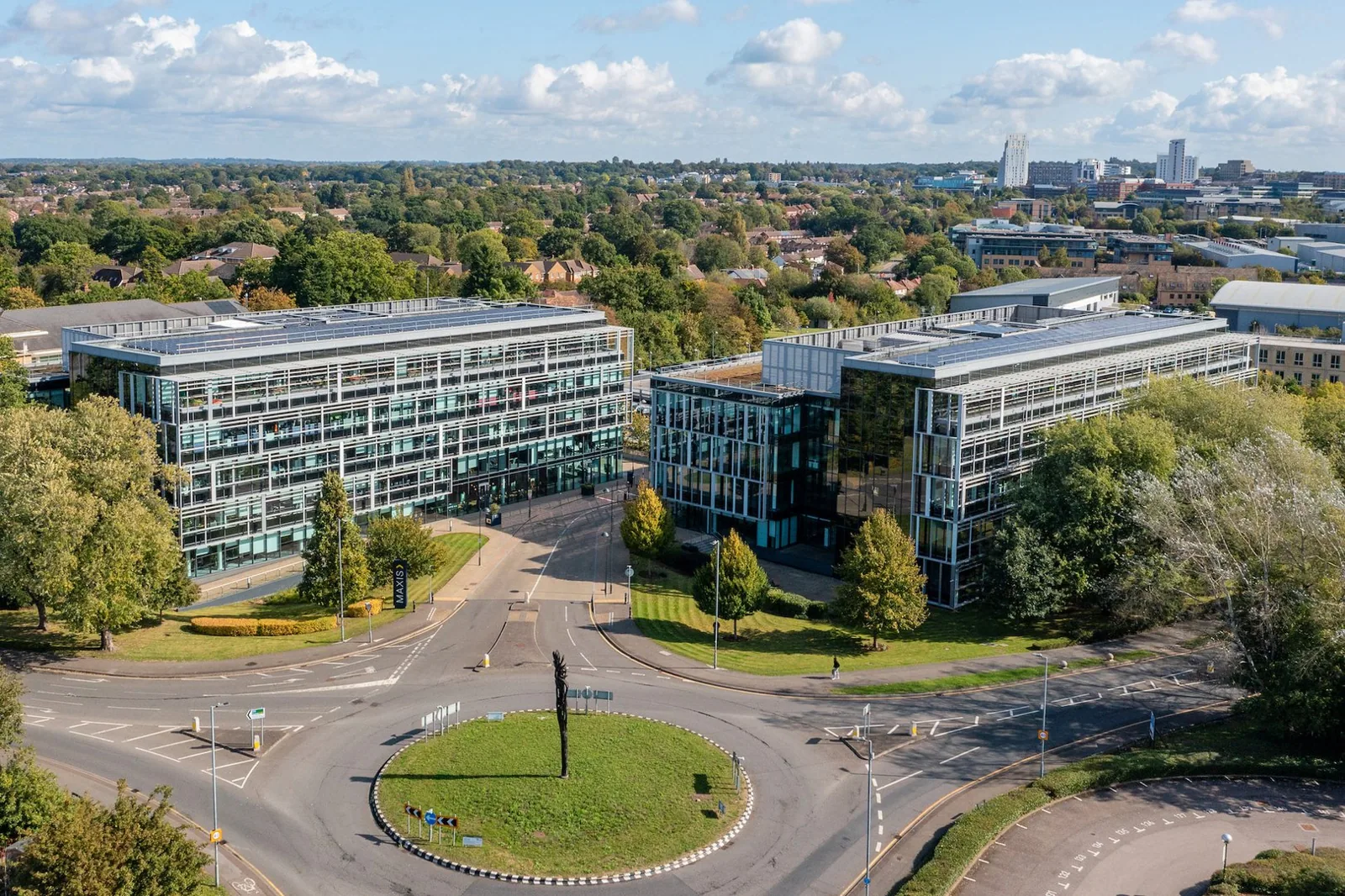
Coordinate commercial roof inspections, repairs, reporting, and approvals across League City properties while keeping each site's findings distinct.
A roof condition report records accessible roof zones, photographs, visible defects, access limits, and test-dependent questions. For acquisition or refinancing, due diligence surveys can distinguish observed conditions from assumptions in the available property file. League City's 2024 employer list includes UTMB, Clear Creek ISD, H-E-B, INEOS, and city government, reflecting owners with varied facility types. Each building still needs its own inspection date, map, and approved access.
For a portfolio, roof asset management can retain system details, repair history, maintenance, and open issues. warranty management organizes supplied documents, notice dates, inspection requirements, and authorized repair questions. The file does not replace the manufacturer's terms; the responsible party confirms coverage and approval requirements.
A capital plan should show measured work, allowances, and dates that remain uncertain. Roof capital planning can group repair, testing, restoration, and replacement by approval stage. It can also preserve why a project moved forward or waited. A photo record from a retail property near I-45 is not a condition assessment for an industrial building near the Texas City port; shared ownership does not make roof assemblies identical.
League City's medical campus and FM 646 retail activity bring different access and continuity needs. Multi-building teams can use multi-site roof programs to coordinate inspections, reporting, maintenance windows, and status while keeping findings at each address. The program tracks decisions, not presumed conditions.
A useful capability record names the source document, current roof zone, inspection date, evidence, next action, and person who approves it. If a concealed deck or insulation condition affects a budget, the test and restoration plan stay separate from a measured repair. That lets an owner use a verified baseline for immediate service while planning larger work only when the evidence supports it.
League City has recorded tropical systems including Ike, Harvey, and Beryl; observers reported gusts up to 52 mph during Beryl in July 2024. A post-event inspection records each property's roof zones, visible movement, water entry, and areas requiring closer testing.
Send the address list, roof plans, prior reports, service invoices, known warranties, access limits, and budget horizon. We will identify which capability fits the immediate question and where more field verification is needed. A useful portfolio view keeps a consistent format but preserves each property's system, history, photos, and open approvals. The next decision should be visible from the record, with a person and date attached.
It should identify the property, inspection date, zones reached, photographs, visible findings, access limits, and questions that require testing. We keep observations separate from assumptions about concealed materials.
Yes. The reporting format can be consistent, while each building retains separate assembly, condition, repair history, access, and estimate assumptions.
No. The supplied warranty terms and authorized manufacturer contact determine requirements. We can organize documents, dates, service records, and questions for the responsible party.
We compare inspection evidence, repair history, test needs, access, operating impact, and owner timing. The plan distinguishes measured work from allowances and records why a project is scheduled.
Share the property list, current roof documents, repair history, access limits, and planning horizon. We will identify the records and field checks needed for the next decision.