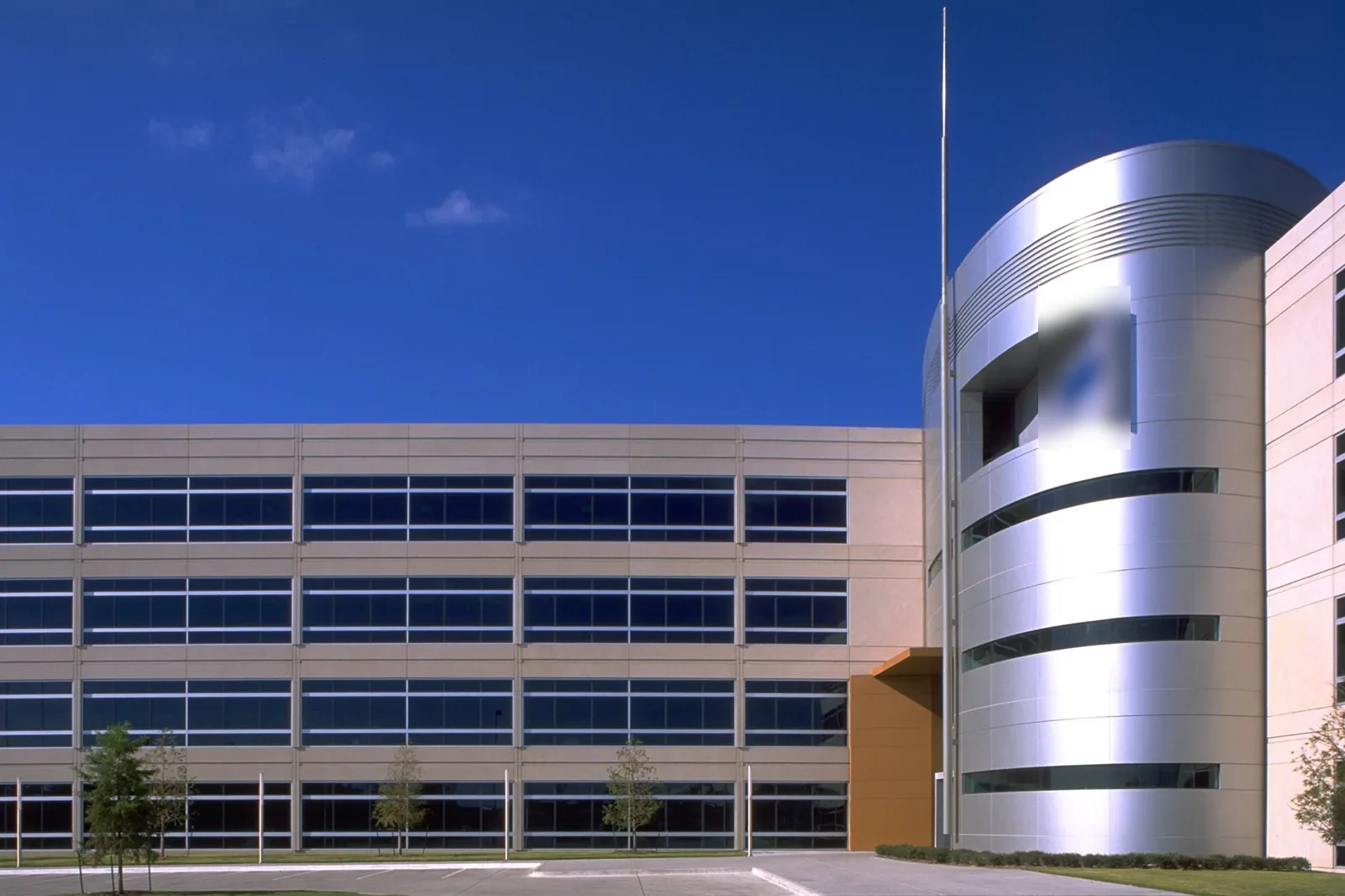
Friendswood
A roofing request in Friendswood starts with the property address, the roof concern, and the work window. The City’s zoning information identifies business park, community shopping center, downtown, industrial, light industrial, office park, and neighborhood commercial districts. Those planning categories show that the city accommodates varied commercial uses; they do not establish the roof assembly or condition at a particular parcel. We review the records and inspect the building in scope before recommending repair, maintenance, or replacement.
The city’s Downtown District plan describes a mixed-use, pedestrian-oriented community retail center, while Baybrook Mall is a separate regional retail property in Friendswood. Different property types bring different access and phasing decisions. Our commercial roof inspection maps the actual roof zones and identifies what the owner can approve next.
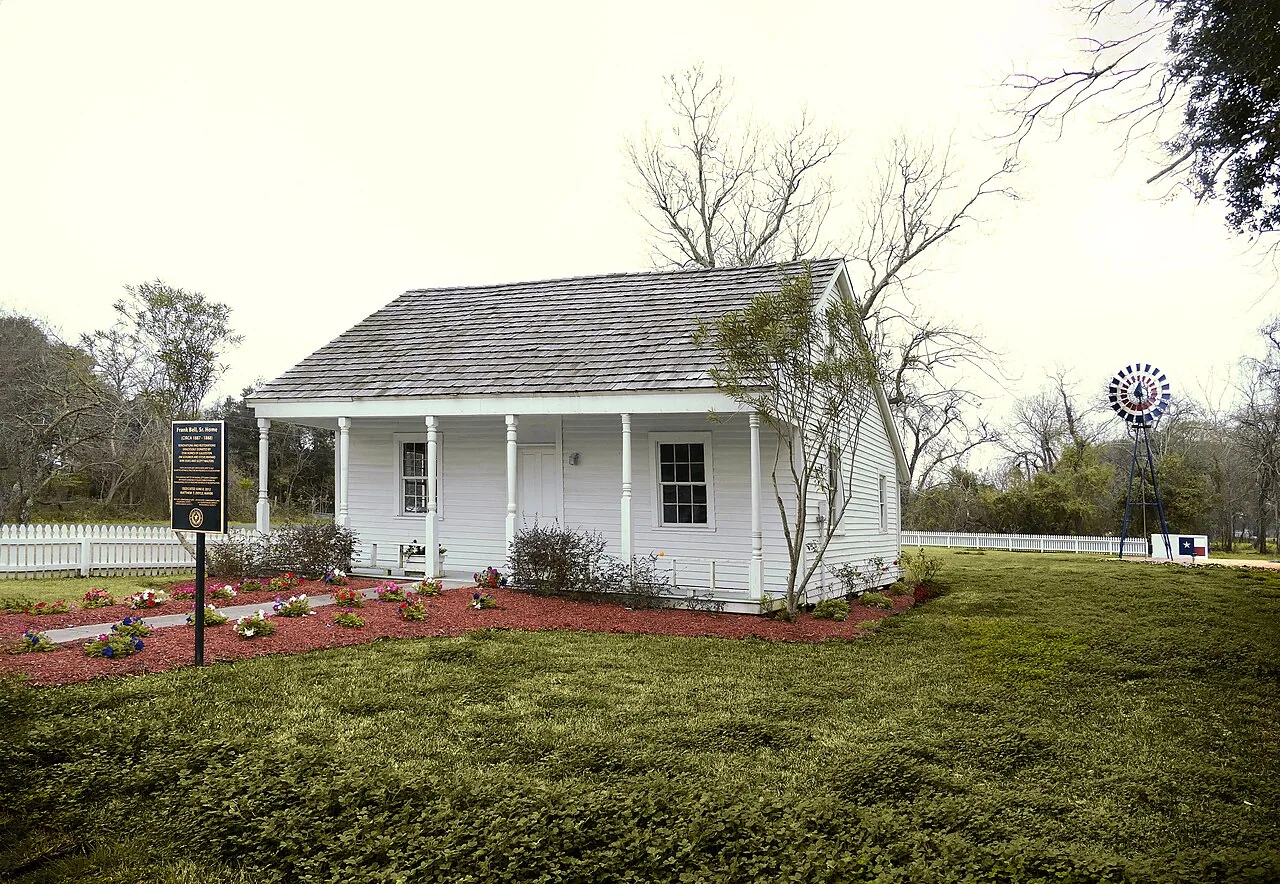
Match the roof scope to the actual property
Friendswood includes zoning categories for business parks, office parks, industrial and light industrial uses, community shopping centers, and downtown activity. The zoning map is useful context for development and permitted use, not a field survey. We ask which building, tenant, or roof section is involved and review available plans, repair history, interior reports, and access instructions. A leak investigation then compares the report with drains, seams, curbs, penetrations, wall transitions, and prior patches.
Baybrook Mall combines an enclosed mall and an open-air expansion, but that fact does not establish that its buildings share a roof system. The Friendswood Downtown District has a separate mixed-use and pedestrian-oriented plan. At either location, or at another Friendswood commercial property, the site contact confirms the building boundary and who can authorize testing. We document accessible areas, restrictions, and observations without extending one tenant’s report to an adjacent roof.
When a symptom appears indoors, we note the room, timing, ceiling condition, and nearby equipment before tracing the likely water path. Moisture beneath a membrane or deck cannot be quantified from a ceiling mark. If a selective opening may change the scope, we state its location, restoration method, and price as a separate approval decision.
Plan access through occupied commercial areas
Work near a storefront, office entrance, loading area, or shared sidewalk needs a route confirmed by the property representative. Friendswood’s Downtown District plan emphasizes a pedestrian-oriented setting, and its zoning information separates several commercial uses. That context makes pedestrian protection and staging worth discussing early, but the exact entrances, deliveries, work hours, and site controls come from the current owner or manager. We record who can release the work area and who communicates with occupants.
Before material arrives, the work plan names the access window, lift position, staging boundary, daily roof-opening limit, temporary cover, and dry-in check. A phased occupied-building sequence can separate roof zones or buildings when the owner approves that approach. If a leak is active, temporary protection is listed separately from permanent correction, including its limits and return point.
The City of Friendswood describes a commercial site-plan review process and requires a certificate of occupancy for specified tenant or use changes. Those requirements concern city development and occupancy procedures; they are not roofing permits or project approvals. For roofing work, we confirm the applicable review path and project documents with the owner and relevant authority rather than assuming a city requirement from a zoning label.
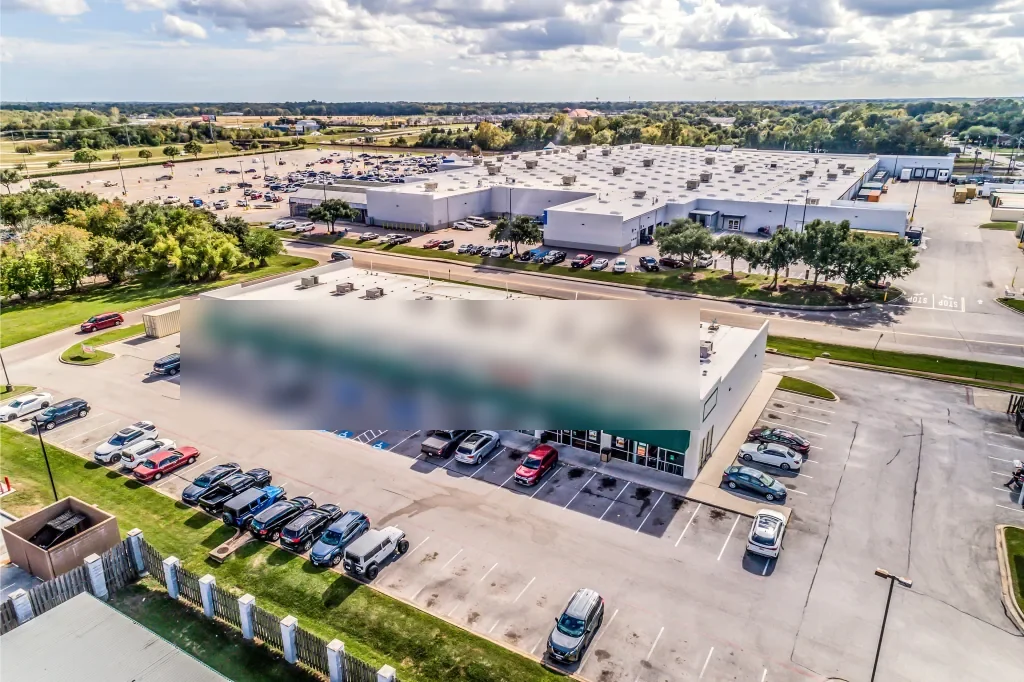
Inspect drainage, edges, and roof transitions
Drainage and perimeter details deserve a close look when a building has recurring leaks. We record drain condition, visible debris, ponding location, slope cues, scuppers, edge metal, seams, curbs, and penetrations. Standing water prompts a drainage review, but it does not by itself prove a failed membrane or structural problem. A TPO roof evaluation or review of another system identifies the actual material before a repair product or tie-in is specified.
Wind-driven rain can expose a weak seam or transition, while blocked drainage can create a separate problem. We keep those observations distinct unless field evidence connects them. A wind-damage inspection documents displaced components and exposed details; it does not infer damage from a weather summary. If records identify a past repair, we compare the current condition with that repair boundary and note whether the same location has changed.
The City’s major thoroughfare plan maps the city boundary and designated road network, which can support project coordination across Friendswood. The Downtown District is one distinct part of that citywide service area. It does not establish a crew entrance or delivery route for a property. The owner or manager confirms the actual gate, loading area, lift location, and traffic-control arrangement before mobilization.
Compare repair and replacement options
A localized repair can be appropriate when the defect and tie-in are bounded on sound material. The written scope identifies preparation, compatible product, measured repair area, adjacent details, and exclusions. If testing could reveal wet insulation or deck damage, we price that opening and restoration separately. The estimate states what can be approved now and what depends on test results.
For a larger project, a replacement comparison records the verified assembly, measured area, insulation, deck assumptions, edge details, drainage, penetrations, staging, disposal, and occupant protection. A roof condition report can preserve photos and zone labels for future budgeting. Baybrook Mall’s retail scale and Friendswood’s Downtown District planning context may help identify the broader property setting, but neither tells us the measured roof area or condition of another building.
Cost and timing also depend on height, access, tear-off limits, occupied space below, material lead time, weather protection, and approvals. We separate base work from allowances and state the quantity behind each allowance. If an unseen condition changes the scope, the owner receives the test result and revised work limit before additional removal proceeds.
Leave a usable maintenance and closeout record
Closeout identifies the Friendswood building, inspection date, roof zones, photographs, materials, work completed, approvals, access limits, and open items. If temporary protection remains, the file names the covered area and return date. A preventive maintenance visit can record drains, seams, flashing, penetrations, and prior repairs by section. The next inspection can then compare a documented condition with later reports instead of starting from an unlocated ceiling stain.
Clear Lake and Friendswood are separate city service areas; a Clear Lake property receives its own roof-zone record. The City’s business-services resources link property and land search tools, planning, permits, economic development, and commercial services. Those resources can help an owner assemble property information; the roof inspection still relies on approved building records and current field observations. We keep the project record focused on the work requested and share it with the authorized contact.
To schedule a Friendswood review, send the address, roof concern, access window, project dates, and available drawings. We will define the inspection boundary, identify any test-dependent decision, and return a scope that separates immediate protection from permanent work.

Frequently Asked Questions
Does the Friendswood zoning map tell you what roof is on my building?
No. Zoning describes permitted land uses and development rules. We verify the roof system from project records and field conditions at the specific address.
Can you inspect a leak in one tenant space without checking the whole property?
Yes, the requested area can define the first inspection boundary. We also note nearby roof details that may affect the water path and identify any area not included.
How do you keep pedestrian access open during roof work?
The owner or manager confirms entrances, sidewalks, deliveries, and permitted work windows. We then set staging, barriers, roof-opening limits, and daily dry-in checks in the work plan.
What is the difference between an emergency repair and permanent correction?
Emergency work limits active exposure with documented temporary protection. Permanent correction follows after the defect, system, and repair boundary are verified and approved.
Can a test opening be included in the estimate?
Yes. We identify its location, size, restoration method, and price. Any added removal is proposed after the opening confirms what lies below the surface.