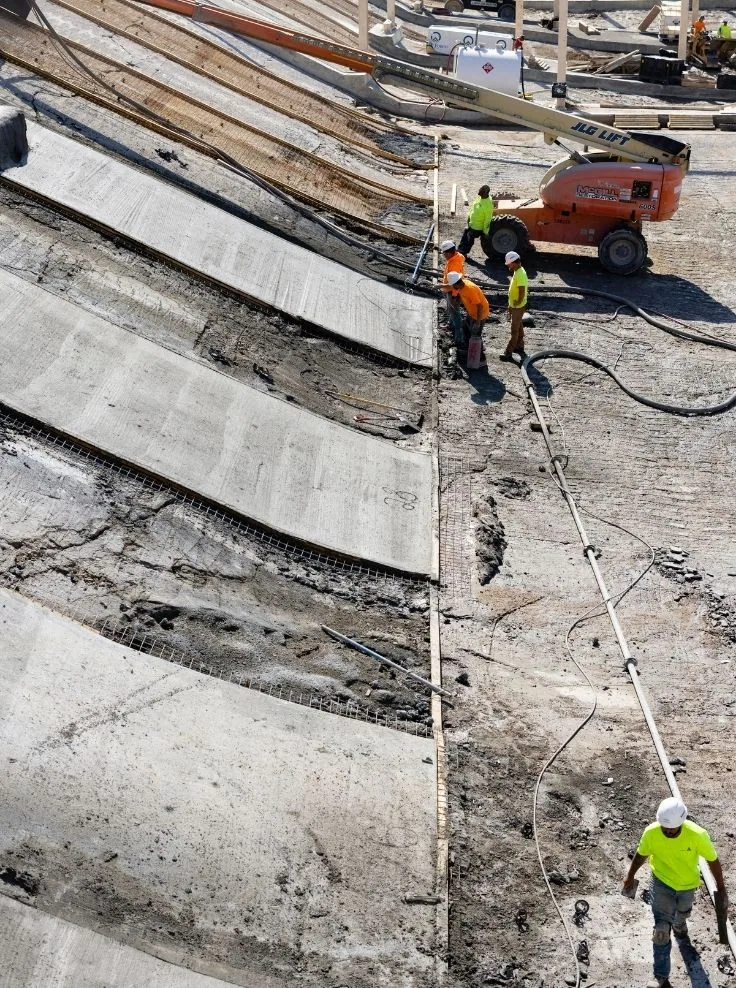
Manufacturers
A manufacturing roof repair needs a work boundary that makes sense to the production team below. The scope identifies which roof area can be opened, what equipment or process needs protection, and how the facility will approve any added removal. League City's employer list includes INEOS USA, and the region's industrial base extends toward the Texas City port and petrochemical district. Those facts describe the local economy, not any individual plant's roof. We inspect the assigned building and build the sequence from its drawings, access rules, and operating calendar.
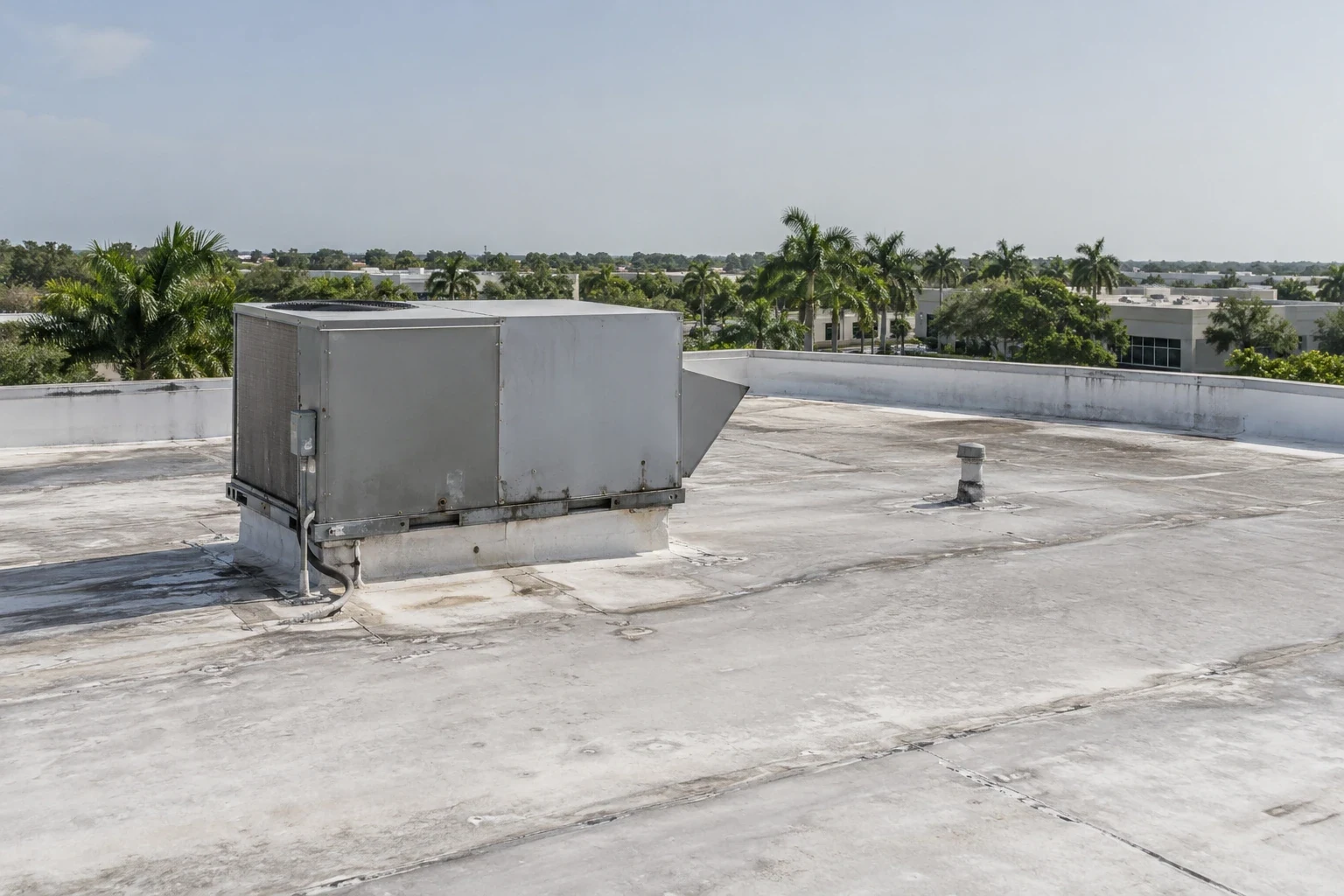
Map process areas against roof findings
We locate reported leaks, drains, seams, penetrations, curbs, and perimeter transitions on a roof plan. Below, the facility team identifies sensitive equipment, production lines, electrical areas, or stored materials that need protection. The roof report connects those areas without assuming a visible ceiling mark is directly below the point of entry. A commercial roof inspection can record the assembly, test locations, photographs, and any limits on safe access.
A broad moisture reading may help choose a test location, but it does not establish the condition of every bay. If an opening could affect production, we first state the location, expected size, protection method, and approval needed to proceed. The report then separates tested findings from other areas. A roof condition record can give facilities and operations staff the same marked evidence when they review the repair plan.
League City's upper-coast weather history includes tropical systems such as Ike, Harvey, and Beryl. After a reported event, we check edge attachment, panel fasteners, seams, curbs, and drainage, then record observed conditions and any test needed to set repair quantities.
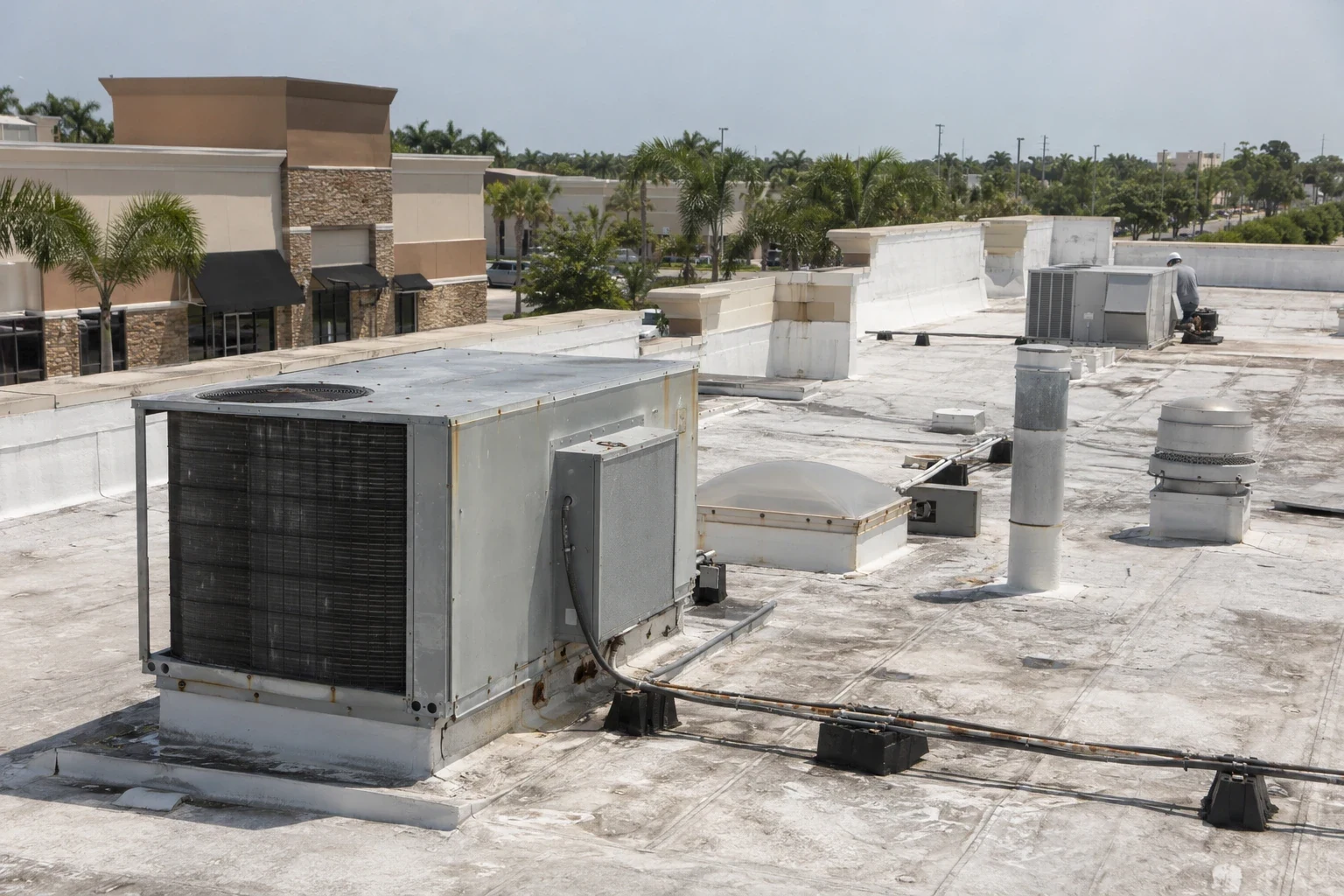
Sequence work around production windows
Facility managers control the production calendar, permit-to-work process, roof access, lift routes, hot-work restrictions, and location for material staging. We coordinate those details before mobilization and define the daily roof-opening limit. If the production area cannot be cleared, the schedule changes; a roof opening is not left dependent on an unapproved shift to cover it. Temporary protection and dry-in checks remain part of the work plan.
A phased reroof sequence can divide a large facility into zones that match operating windows. For emergency water entry, a 24-hour response visit can stabilize an opening at night, on weekends, or during holidays when safe access is approved. The record states which actions are temporary and what inspection or permanent correction remains.
A planned shutdown can make broader removal practical, but the roof and interior sequence should be agreed before the window starts. We identify delivery timing, equipment moves, penetrations to protect, and a final dry-in check so production staff know what must be cleared and when the area can return to use.
In a multi-site operation, local facility leads may have different rules even under one corporate program. League City sits on I-45 between Houston and Galveston, and FM 646 and State Highway 3 serve commercial and industrial areas. For a Texas City port-district facility, the site contact supplies the delivery route, access procedure, and production limits before mobilization.
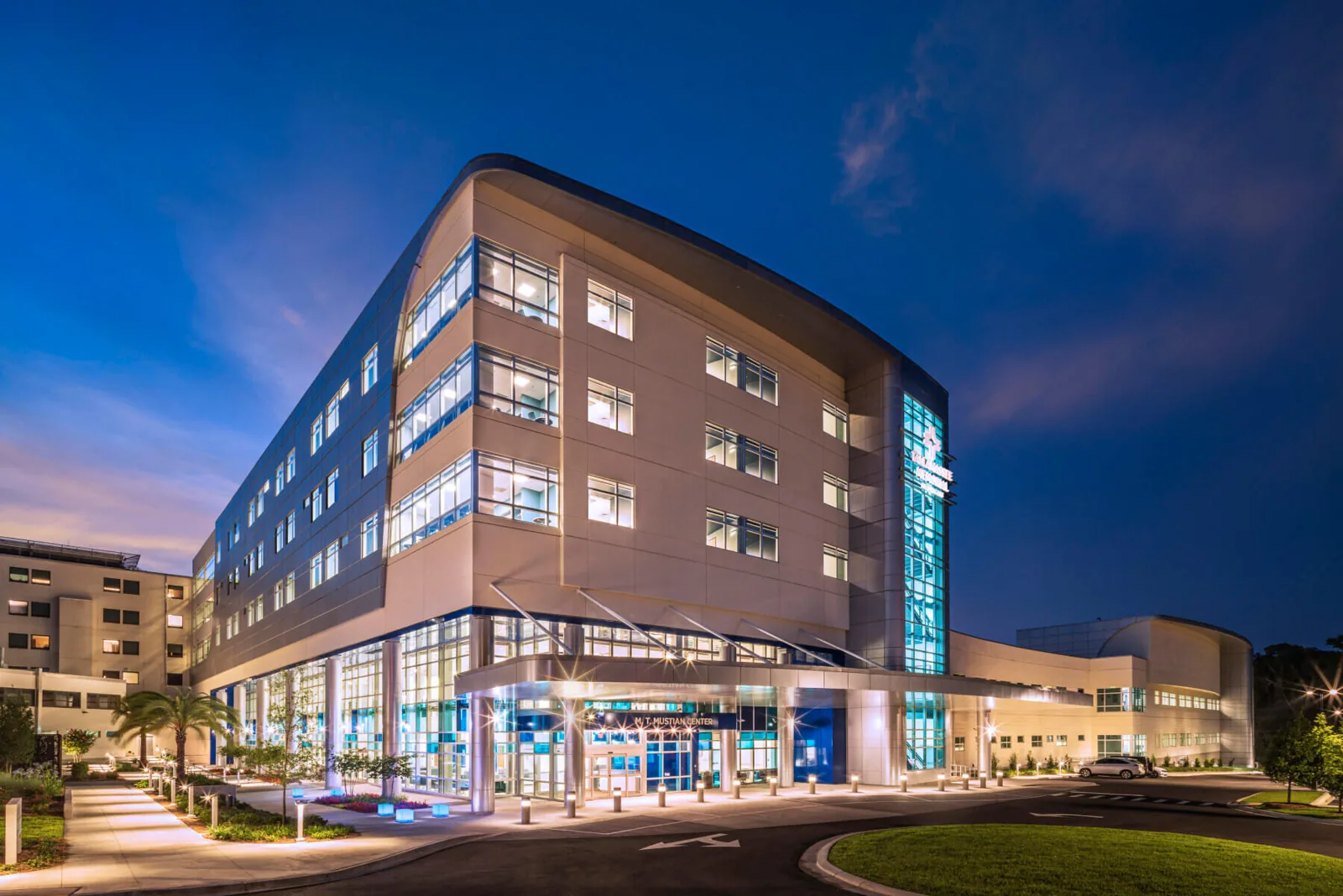
Choose a repair window or broader renewal
A contained puncture, flashing failure, or short seam may be repairable when adjacent material is stable and compatible. Repeated leaks, wet insulation, widespread corrosion, failed attachment, or recurring drainage issues can justify a wider review. We define the patch or removal boundary and list concealed conditions separately. A targeted plant roof repair can restore water control without turning one defect into a full-roof allowance.
Recover or coating proposals require evidence that the existing assembly is suitable. We review moisture, adhesion, attachment, drainage, structural capacity, surface preparation, and tie-ins before comparing the option with replacement. A recover feasibility review can state which assumptions depend on testing. Replacement estimates identify insulation, edge work, penetrations, removal, disposal, and temporary cover separately, so the facility can consider production impacts along with cost.
Pricing and duration depend on assembly, building height, roof access, interior protection, testing, restricted work hours, material handling, and how many sections the plant can release. If an opening uncovers another layer or deck deterioration, we record the area and stop at the agreed approval point. That lets operations weigh the new condition before the work boundary changes.
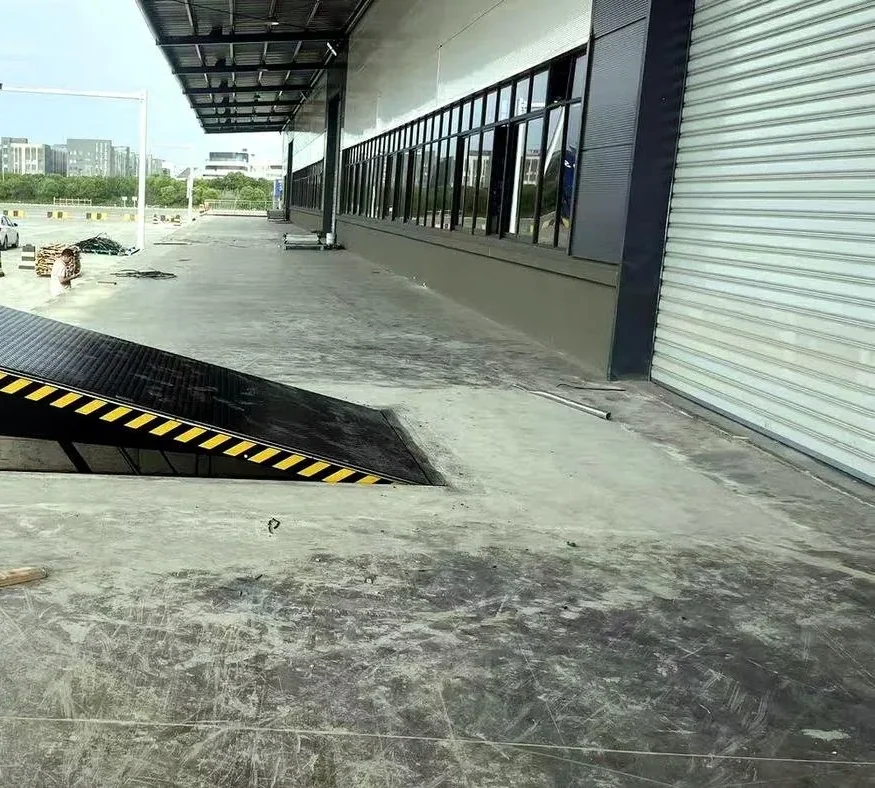
Return a closeout the plant can use
Closeout should identify each roof zone, tested area, repair material, completion date, open item, and approval for added work. Photographs should show the repaired seam or penetration with enough surrounding context to locate it later. The plant can pair that file with maintenance requests, shutdown notes, and equipment work orders. If a roof scope sits inside a larger equipment upgrade, the facilities lead can share the marked plan with the project manager before curbs, piping, or rooftop service routes change. A general-contractor coordination scope can identify tie-ins, sequencing boundaries, and the party approving added roof work. That early handoff helps keep new penetrations from being treated as part of an unrelated repair. A logistics-facility roof plan may share the need to protect continuous operations, but manufacturing process limits stay specific to the plant.
The local employer base includes petrochemical companies, medical and education providers, retail, and public agencies, so contractors may coordinate around varied traffic and delivery needs. No neighboring use determines the assembly or access plan for a production building. We confirm the receiving contact, truck path, roof entry, and hours each time the owner requests service.
Send the facility address, roof plans, leak log, operating calendar, safety procedures, and any prior inspection. We will mark visible conditions, testing needs, and work limits, then return a repair or renewal scope that operations and facilities can review together.
Frequently Asked Questions
Can production continue during roof repairs?
The plant decides which process zones can remain active and what protection is required. We can stage the roof work by area, but an opening only proceeds when the site releases the related work zone.
How do you protect equipment below a roof opening?
The facility identifies sensitive equipment and restricted spaces before work. The scope sets a daily opening limit, temporary cover, interior protection, and a dry-in check before the crew leaves.
What triggers a broader repair than one leak patch?
Repeated seam failures, wet insulation, failed attachment, corrosion, or drainage trouble can extend beyond a local defect. We document evidence and request approval before enlarging the test or removal area.
Does a drone inspection confirm wet insulation?
No. Drone images document visible surfaces, while moisture testing and selective openings answer different questions. The report identifies the method and the area each finding represents.
What affects the shutdown window for a reroof?
Production access, roof height, material staging, testing, weather, temporary cover, and the number of sections released each shift shape the schedule. We set those dependencies in the work plan.