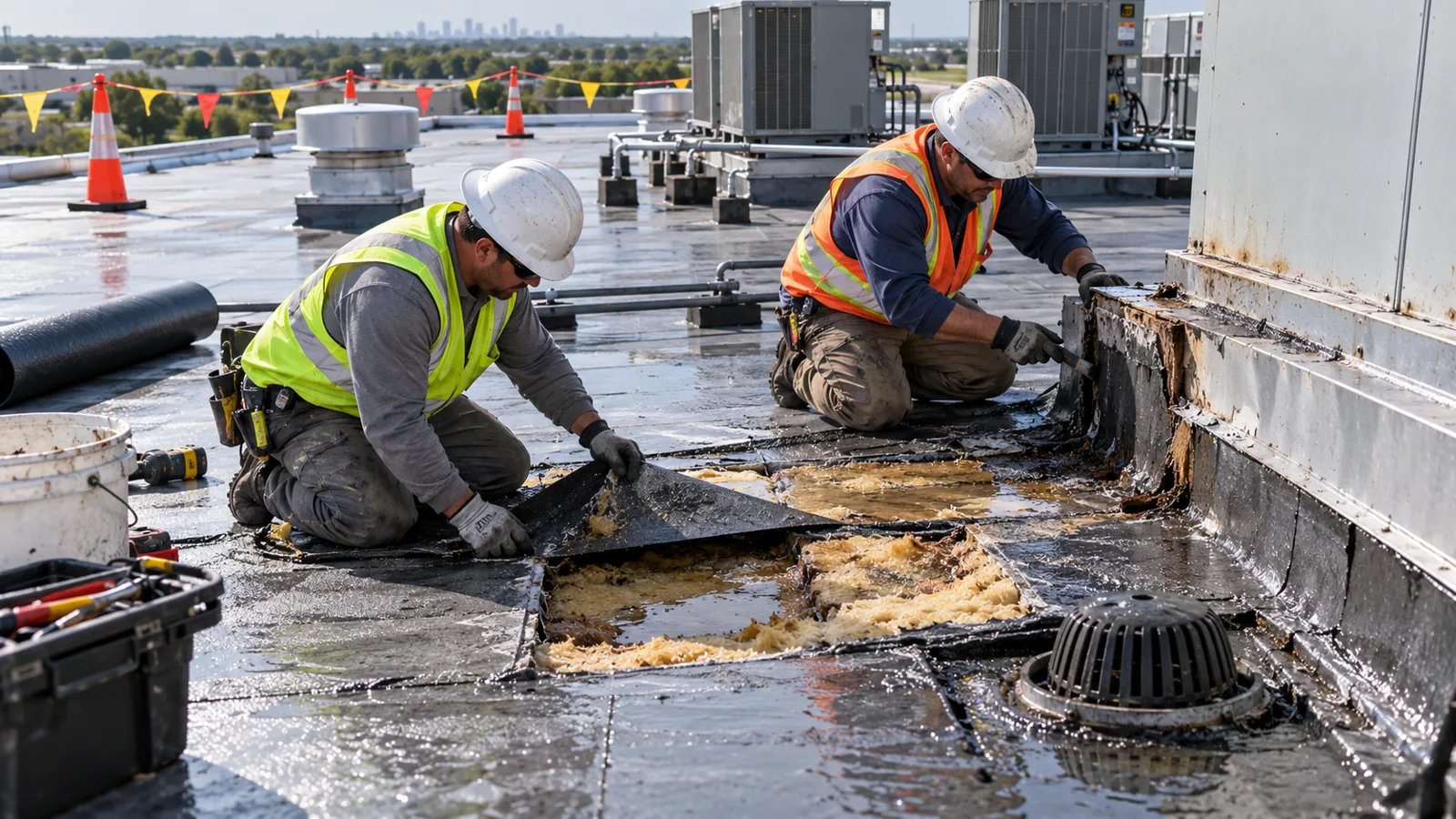
Commercial Heat and UV Roof Damage Repair
Repeated heat exposure can age a roof surface, but discoloration alone does not tell an owner whether the assembly has lost serviceability. Climate records for League City's office and seasonal reports for Houston-Hobby help with regional inspection planning. We assess the actual roof surface, transitions, drainage, and repair history before defining work. We look at the system, drainage, coating or membrane condition, exposed transitions, and repair history before defining work. The scope distinguishes visible aging from a leak path or failed component, then sets a test or approval point if the condition extends beneath the surface.
Identify the roof material and its exposure pattern
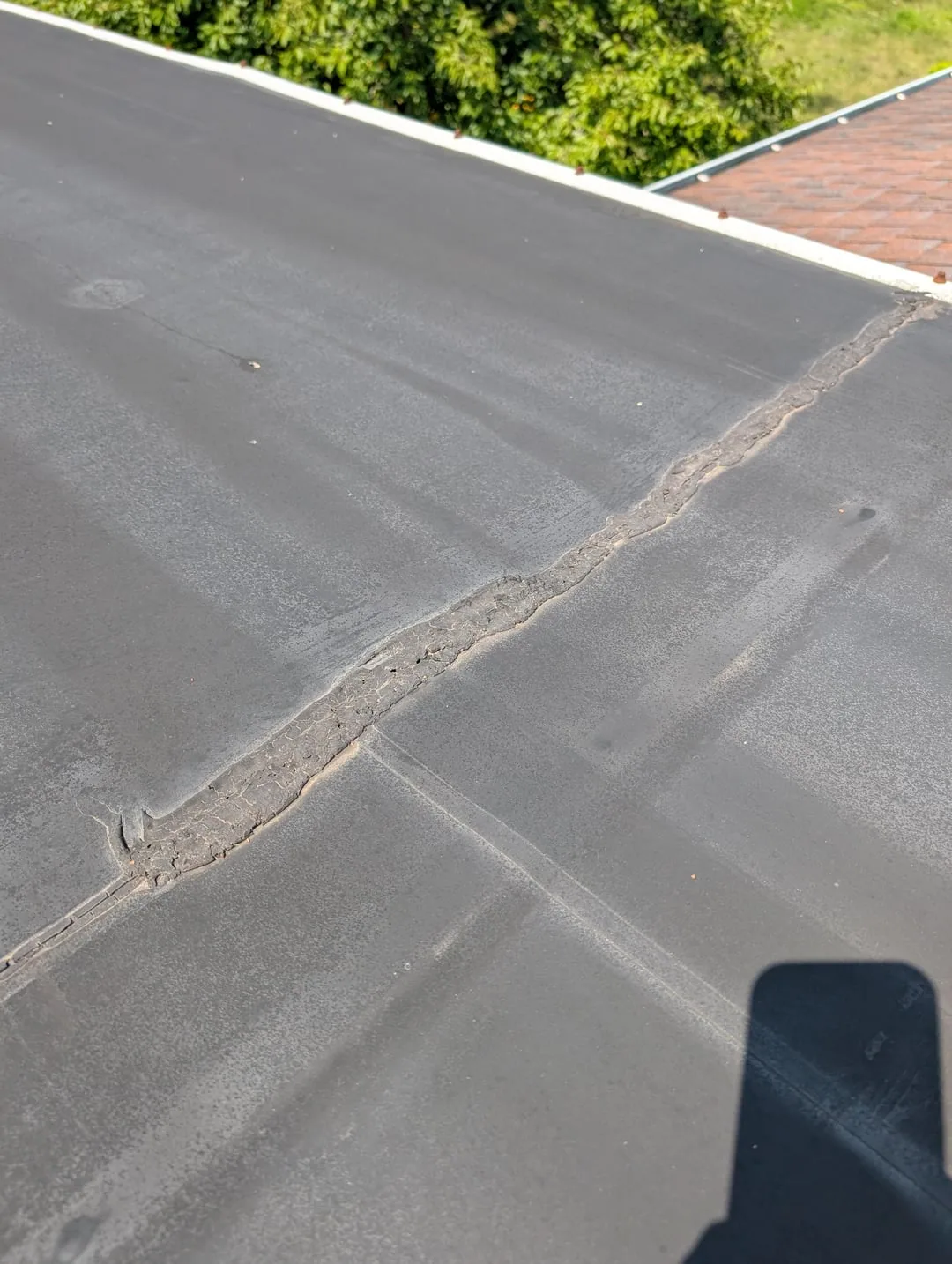
The first inspection records the roof type, approximate age if documented, prior repairs, drainage layout, and the areas with the strongest reported symptoms. We look for surface checking, brittle or cracked coating, open laps, loose flashing, degraded sealant, exposed reinforcement, and changes around penetrations. The same visible condition can mean different things on a single-ply membrane, modified bitumen, metal panel, or coated roof. We document which conditions are present and avoid inferring hidden damage from a color change or chalky finish alone. A commercial roof inspection can map the surface and detail conditions; a seam-failure review is appropriate if a joint is separating or admitting water. Where moisture may extend below the membrane, a moisture survey can help select confirmation points when weather and roof construction make the method suitable. The owner receives the observation, the basis for the next test, and any access limit that prevented a complete look. Rooftop units, solar equipment, walk pads, and shaded areas can create varied exposure across a single roof, so the report notes conditions by zone rather than treating the entire building as uniform.
Distinguish surface aging from a repairable defect
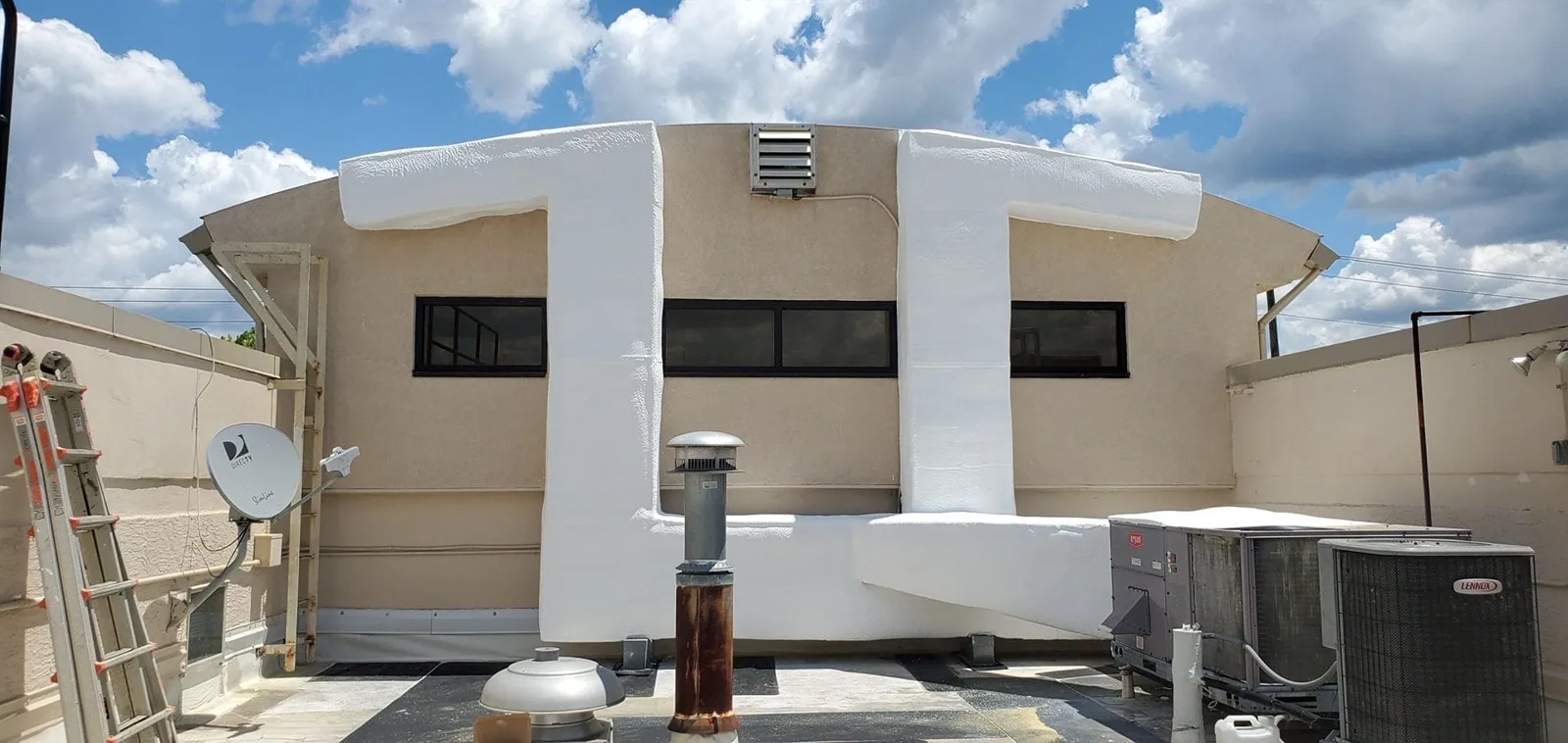
A coating may lose reflectivity or show wear while the underlying roof remains watertight; elsewhere, a small split or failed transition may allow water into the assembly. We compare the observed condition with the roof's intended function, product history when available, drain performance, and adjacent details. On a membrane, the review checks seam integrity and material compatibility. On metal, it includes fasteners, panel movement, laps, and the finish at exposed edges. On a coated system, we assess adhesion, thickness information if available, substrate preparation records, and whether the coating is still continuous at details. A silicone coating assembly and an acrylic coating assembly have different maintenance and compatibility considerations, so the existing product should be identified before recoating is proposed. We also note whether the concern is a leak, loss of surface protection, ponding, or simply an owner's request for a condition baseline. That distinction shapes the repair scope and helps avoid specifying a coating where the substrate or drainage condition needs attention first.
Control water entry before surface restoration
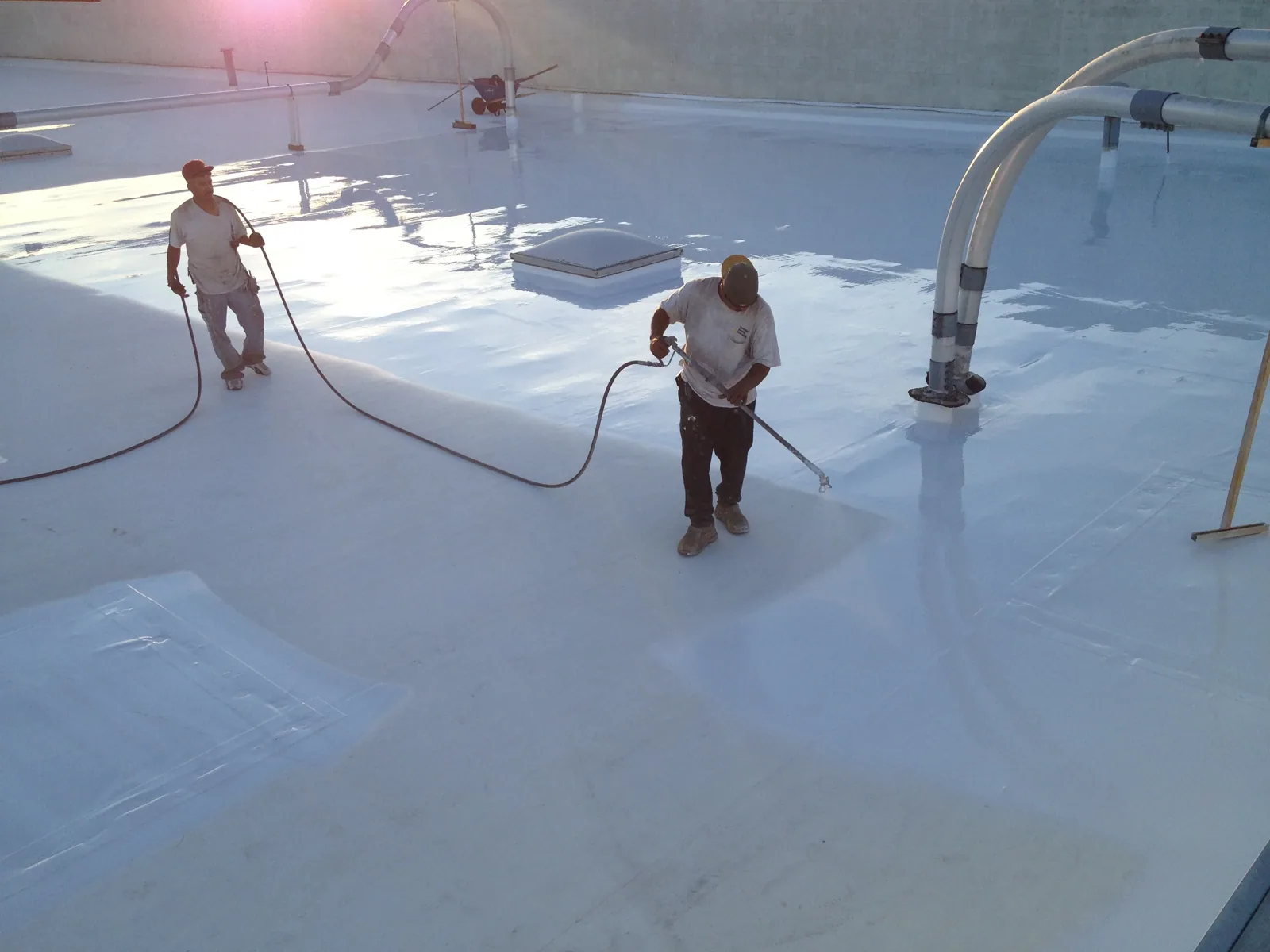
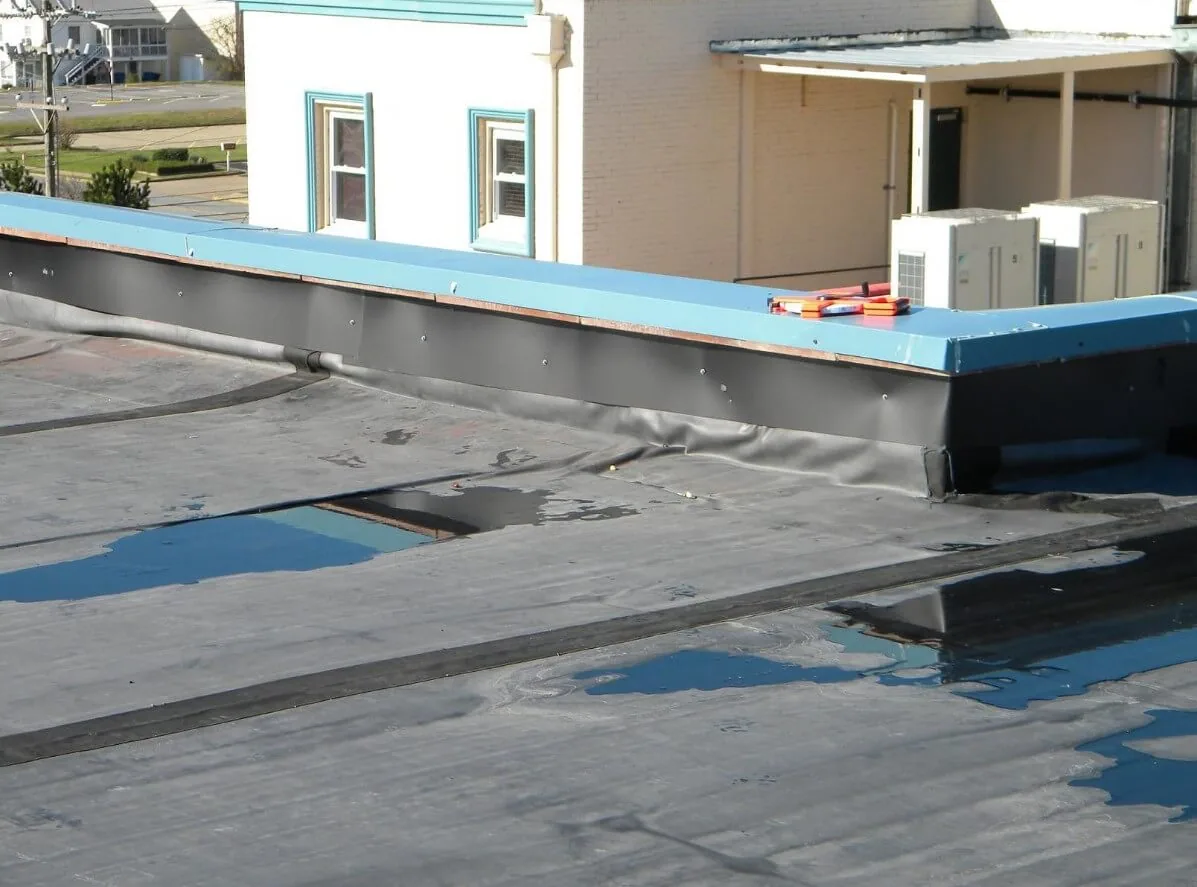
If a heat-aged detail is actively leaking, stopping water entry takes precedence over broad restorative work. We trace the opening, protect the affected space where appropriate, and identify whether a compatible repair can be completed without disturbing sound surrounding material. A commercial roof repair scope states preparation, repair boundary, tie-in method, and any test-dependent removal as separate items. If an interior leak is active, the team can coordinate a temporary response while permanent materials and weather conditions are evaluated. Temporary protection is identified as such; it is not represented as a restored roof coating or completed membrane repair. On a site with equipment curbs or rooftop service paths, we coordinate access with the facilities contact before moving tools or material across the roof. Where repeated ponding is present, its depth, extent, and drainage path should be documented before a coating is selected. The ponding-water assessment can define those observations. A dry, clean substrate and compatible system matter, so surface restoration waits until moisture, adhesion, and preparation requirements are understood.
Sequence restoration around occupants and equipment
Heat-related repair work may need staging that limits odor, noise, rooftop traffic, or access interruptions. Before mobilization, we confirm the work area, equipment shutdown needs, tenant hours, material staging, and whether the roof can be divided into manageable phases. A medical campus such as UTMB's League City campus and a mixed-use property such as Pinnacle Park bring different access and operating contacts into the schedule. For the actual address, the building contact sets the restricted routes and work windows. We coordinate material compatibility and tie-ins before coating or membrane work begins, and we identify who can approve additional removal if the substrate is not as expected. On a larger property, roof capital planning can distinguish immediate leak repair from a later restoration or replacement decision. If condition warrants a broader comparison, the roof coating restoration scope should identify substrate preparation, coating limits, warranty conditions, and exclusions before the owner approves work. That keeps a surface treatment from being used to hide a drainage or assembly problem.
Document the baseline and future maintenance points
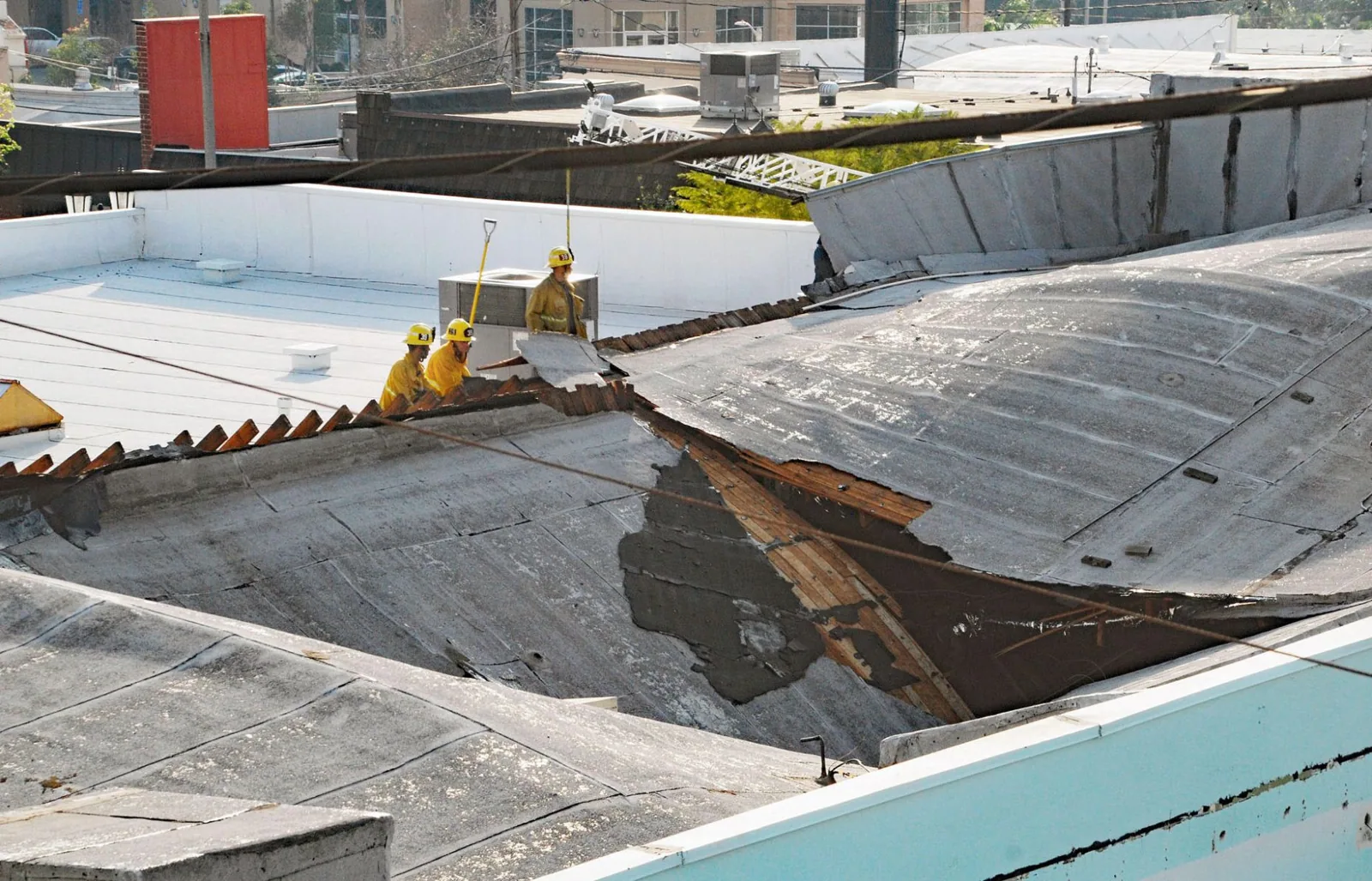
A useful closeout records which roof zones were inspected, what aging or damage was observed, repairs completed, products installed, and any locations that require monitoring or further testing. Include date-stamped photographs, moisture verification where performed, drainage notes, and the maintenance interval recommended for the specific system. League City's adopted code references include the 2021 International Energy Conservation Code alongside commercial construction requirements; project-specific energy or code questions should be checked with the responsible design professional and local authority. The code reference does not establish the roof's current thermal performance. A roof condition report can give the property team a baseline for comparing later inspections, and preventive roof maintenance can track drains, flashings, coating wear, and repairs by location. If recurring repairs begin to approach a larger capital decision, the record should show the age and condition evidence used, not only the latest work order. To arrange a League City inspection, share the property address, roof concern, access window, operating schedule, project timing, and available drawings or coating records. We will use those details to set the first visit and identify the next approval point.
Frequently Asked Questions
Does a faded roof surface mean the roof is failing?
Not by itself. Fading or chalking is an observation that needs to be considered with seams, flashings, drainage, adhesion, and any reported water entry. The inspection records evidence before repair is selected.
Can a new coating correct every heat-related roof problem?
No. Coating depends on substrate condition, preparation, compatibility, moisture, and drainage. If those checks do not support restoration, the scope should identify repairs or other options first.
How do you decide whether moisture is present below the membrane?
We use the available roof history and visual inspection to identify likely test areas. Suitable survey methods can help screen those areas, but concealed moisture should be confirmed using an appropriate verification method.
Will heat-related repairs disrupt building operations?
The effect depends on access, materials, equipment, and work-area size. Before starting, we coordinate work windows, staging, restricted routes, and any system shutdown with the site contact.
What records help evaluate a roof restoration proposal?
Roof plans, prior repair and coating records, leak history, product information, access restrictions, and recent photographs help establish the existing assembly and define a realistic scope.