Carlisle SynTec Commercial Roofing
A Carlisle SynTec product may be part of a new roof, a repair, or a replacement comparison, but the project still starts with the building. We identify the current assembly, substrate, drainage, edge details, use below, and owner requirements before evaluating a manufacturer-specific approach. For League City properties, local wind-driven rain and operational schedules affect inspection and sequencing; they do not establish that a particular roof has failed. Our scope describes the system under review, the details requiring confirmation, and any test-dependent quantities before materials are selected or the roof is opened.
Document the existing roof and project limits
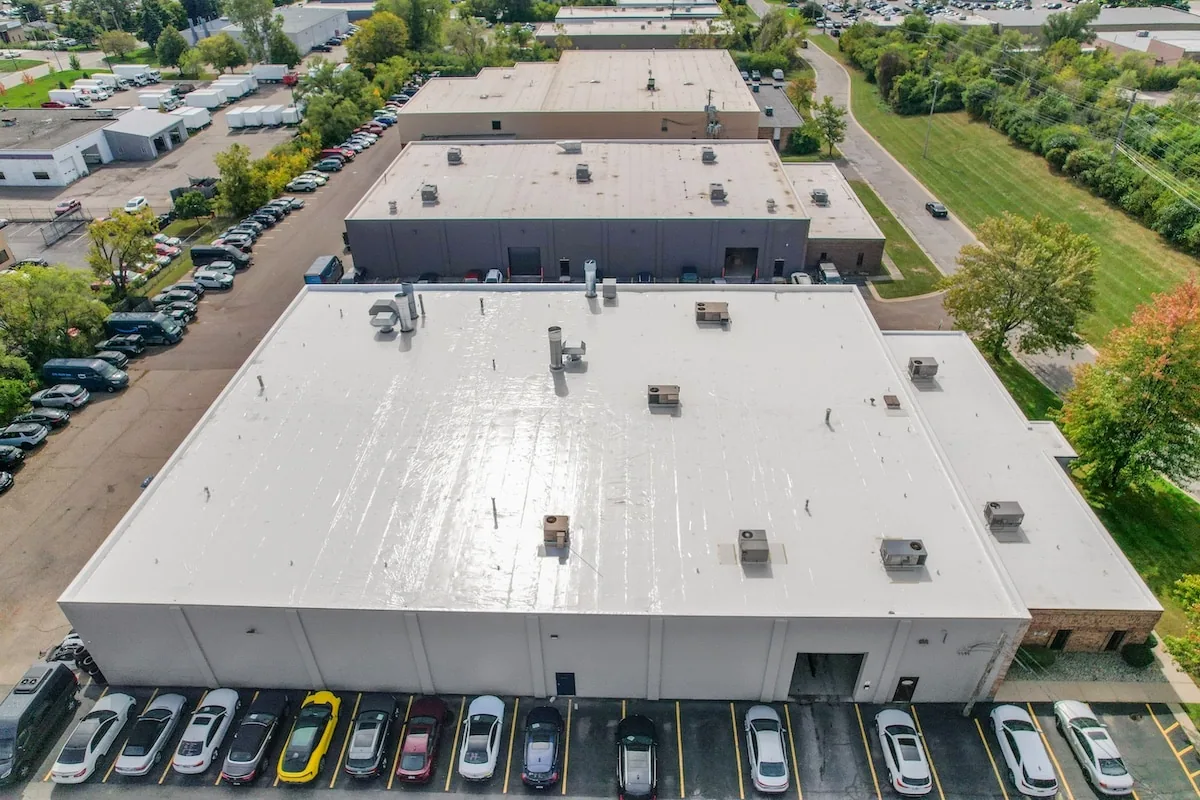
We record accessible roof zones, membrane or panel type, seams, penetrations, curbs, drains, perimeter metal, prior repairs, and interior leak reports. Available plans and product records are matched to the field; conflicting or missing information becomes an open item. A commercial roof inspection establishes the baseline, and a leak investigation can trace a reported water path before a repair material is specified. A League City site near I-45 or FM 646 may have roof access, loading, and tenant restrictions that affect the visit. The UTMB League City campus and Pinnacle Park are local reference points for distinct institutional and mixed-use settings, not claims that Carlisle systems are installed there. Each subject property gets its own work limits, contact, and conditions. If moisture is suspected, we identify the area for verification and record whether the selected survey method can answer the question. The report separates visible findings from concealed substrate or attachment conditions that need a test opening.
Evaluate Carlisle options against the design basis
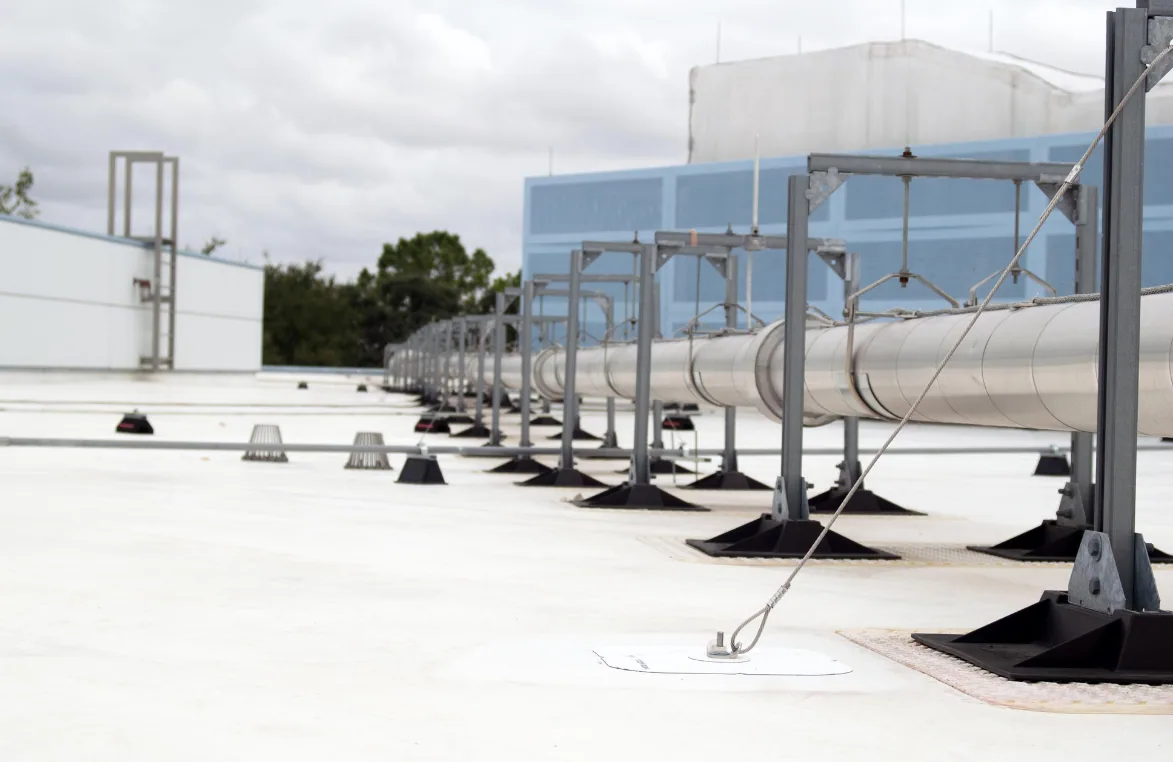
System selection considers deck type, insulation, attachment, slope, drainage, wind design, perimeter details, rooftop equipment, and planned access. The project's specification and reviewed manufacturer details govern components and installation methods. We identify which documents are available and which submittals or design clarifications remain. A TPO assembly review can help organize membrane and seam questions, while a EPDM system assessment uses its own repair and transition considerations. For another manufacturer comparison, the Johns Manville roof review and GAF commercial roofing review can evaluate a similar roof-zone record under their respective product details. That comparison does not substitute for compatibility confirmation. If the owner considers a coating, the restoration scope first needs suitable substrate, preparation, and moisture review. We show the basis for each option and identify when an engineer, design professional, or manufacturer representative must confirm the assembly. That keeps the roof product choice aligned with the project's use and exposure rather than a generalized brand preference. The review also checks how the assembly meets parapets, expansion joints, roof-to-wall transitions, and equipment curbs. Those locations often determine whether a standard field detail can be used or whether the design team must issue a project-specific detail. We record the expected inspection and closeout documents with the scope, then identify who confirms them before procurement.
Confirm submittals, delivery, and roof openings
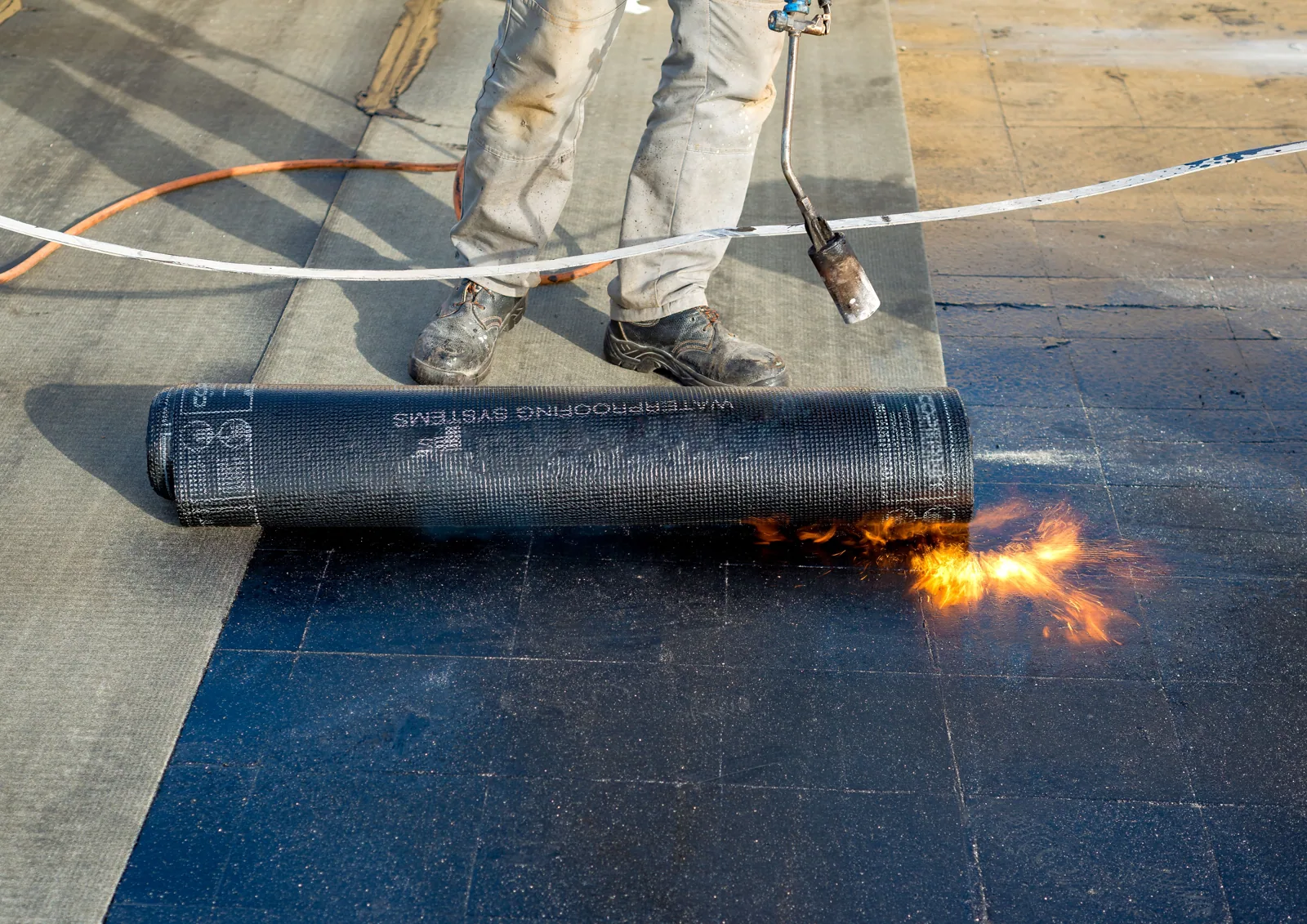
Before ordering material, the contractor team confirms product designation, accessory requirements, current documentation, field dimensions, delivery sequence, storage conditions, and the person who reviews submittals. A roof replacement scope identifies removal limits and the method for protecting the building if weather changes. If concealed wet material appears, the crew documents the location and pauses at the stated approval point before expanding removal. For a repair, we define the existing material, preparation, tie-in, and test needed to confirm the boundary. Temporary stabilization for active water entry is listed separately from the permanent work. A phased occupied-building plan can identify which roof zones are open each day and how tenant or equipment access will be maintained. Delivery access along the League City I-45 corridor may require a site-approved window and staging route; the property contact confirms those details for the actual address. League City's development guidance references commercial building and wind criteria, but project-specific design requirements are confirmed by the responsible professional and authority. We record who owns each approval before mobilization. If the work spans several days, the foreman and site contact also establish daily opening limits, the dry-in check, debris routes, and the person who can stop work when site conditions change. Materials remain protected according to project requirements, and unused stock is handled through the agreed staging plan. For an occupied building, the schedule states which rooms or tenant routes may be affected and how notice is provided. These steps keep roof sequencing visible to the owner instead of leaving access and weather decisions to an informal field handoff.
Keep repair and warranty records tied to the installed roof
Repair records should identify the product used, location, date, preparation, tie-in, photographs, and any approval or manufacturer response. The warranty agreement, rather than a product name alone, sets inspection and maintenance requirements. We organize the available documents in a roof warranty record and schedule inspections through preventive maintenance where the owner requests that service. The upper Texas coast has experienced tropical storms and hurricanes including Ike, Harvey, and Beryl. That history makes a dated roof record useful after severe weather, but an event does not prove damage at a specific property or determine coverage. If temporary protection is needed, it stays identified as temporary, with a return check and the permanent repair decision listed separately. Any claimed warranty condition or required submittal should be verified against the actual agreement and authorized contact.
Close out with approved details and field photos
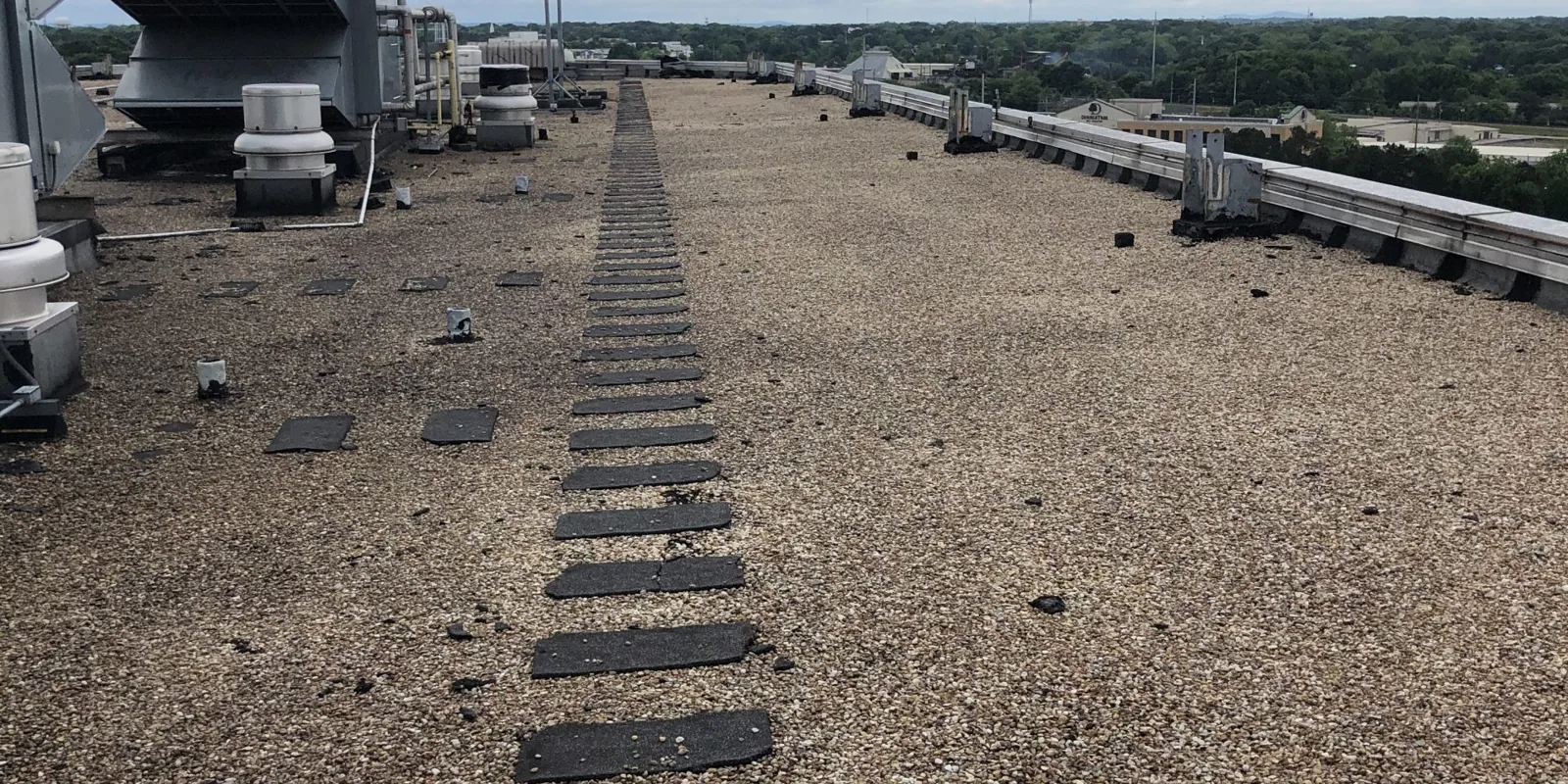
The closeout package includes approved product documents, installed roof zones, dated photographs, edge and penetration details, repair locations, inspection notes, and any remaining questions. It records departures from the original scope and the person who accepted each change. A roof condition report can preserve a baseline for future inspections. If the owner maintains several League City properties, each roof should retain its own material, access, and work record even when reporting uses a common format. Send the address, roof plans, current concern, access window, project schedule, and any available Carlisle or prior repair records. We will identify which conditions are confirmed and which need a field test, then outline the next approval point before product selection or installation proceeds.
Frequently Asked Questions
How do you determine whether Carlisle SynTec is appropriate for my roof?
We review the existing assembly, deck, drainage, attachment, project requirements, and applicable product details. Manufacturer selection follows that review rather than replacing it.
Can you repair a roof that already has Carlisle materials?
The repair can be evaluated after the installed materials and condition are identified. The scope should verify compatibility, preparation, tie-in, and any contract or warranty requirements.
Does a Carlisle product choice establish warranty coverage?
No. The executed warranty and project records determine the applicable terms. We can organize those documents and identify questions for the authorized warranty contact.
What if roof plans do not match field conditions?
We record the discrepancy and use verified field references for inspection. Additional drawings, testing, or an approved opening may be needed before quantities or transitions are finalized.
What should I send before a Carlisle system review?
Provide the property address, roof plans, existing system records, leak history, prior repairs, access limits, and project timing. Those inputs help set a useful first inspection.