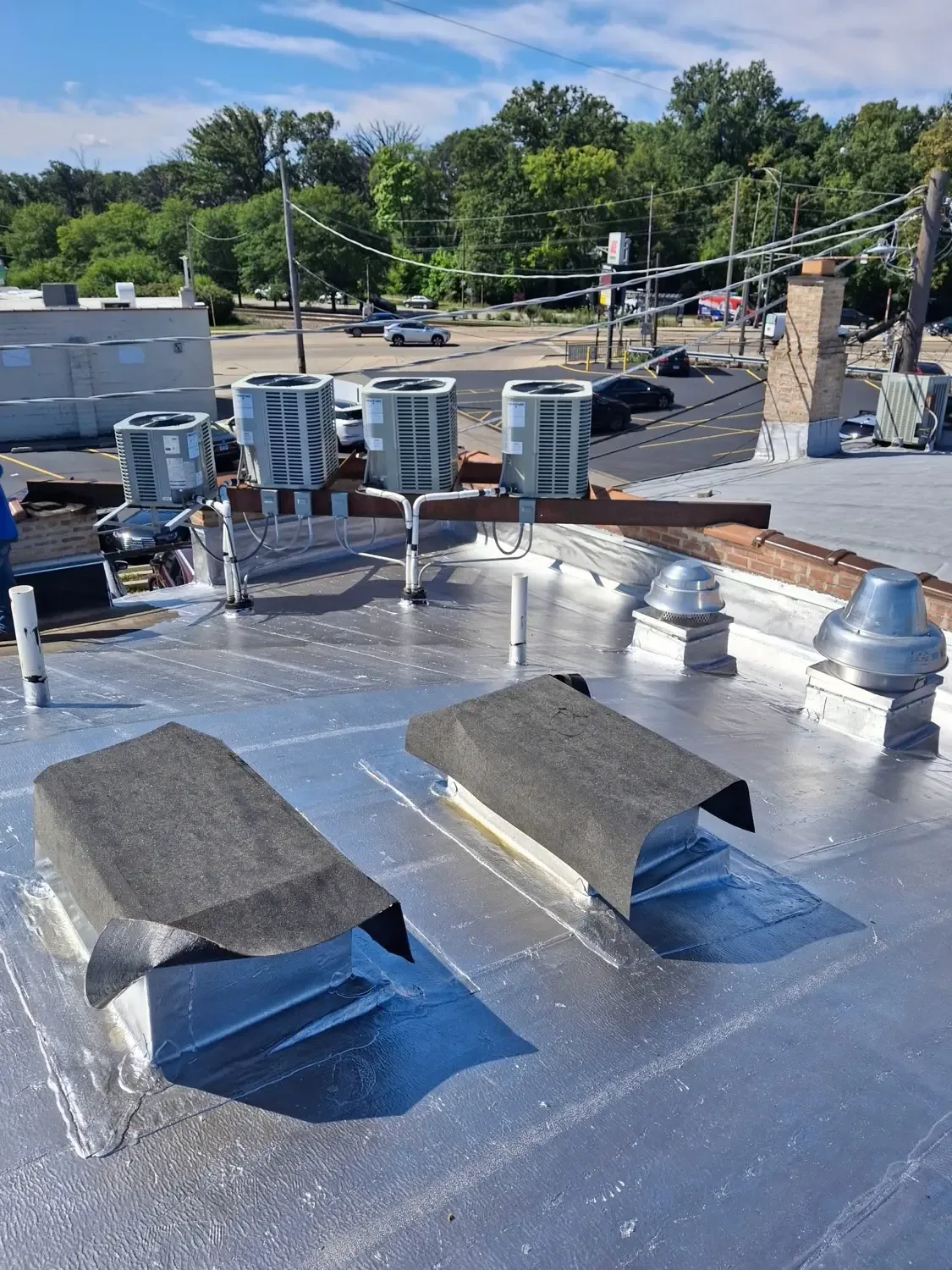
The right roofing system depends on the deck, drainage, exposure, use below, and what the existing roof can support. Commercial Roofing League City installs and repairs low-slope membranes, built-up and modified bitumen, standing-seam and retrofit metal, spray foam, and coating systems. We first identify what is on the building and what the owner needs the new assembly to do. A product name alone does not resolve a weak substrate, poor drainage, or an incompatible tie-in.
Compare TPO commercial roofing in League City, TX with seam testing, attachment review, insulation details, and a work plan tied to operations.
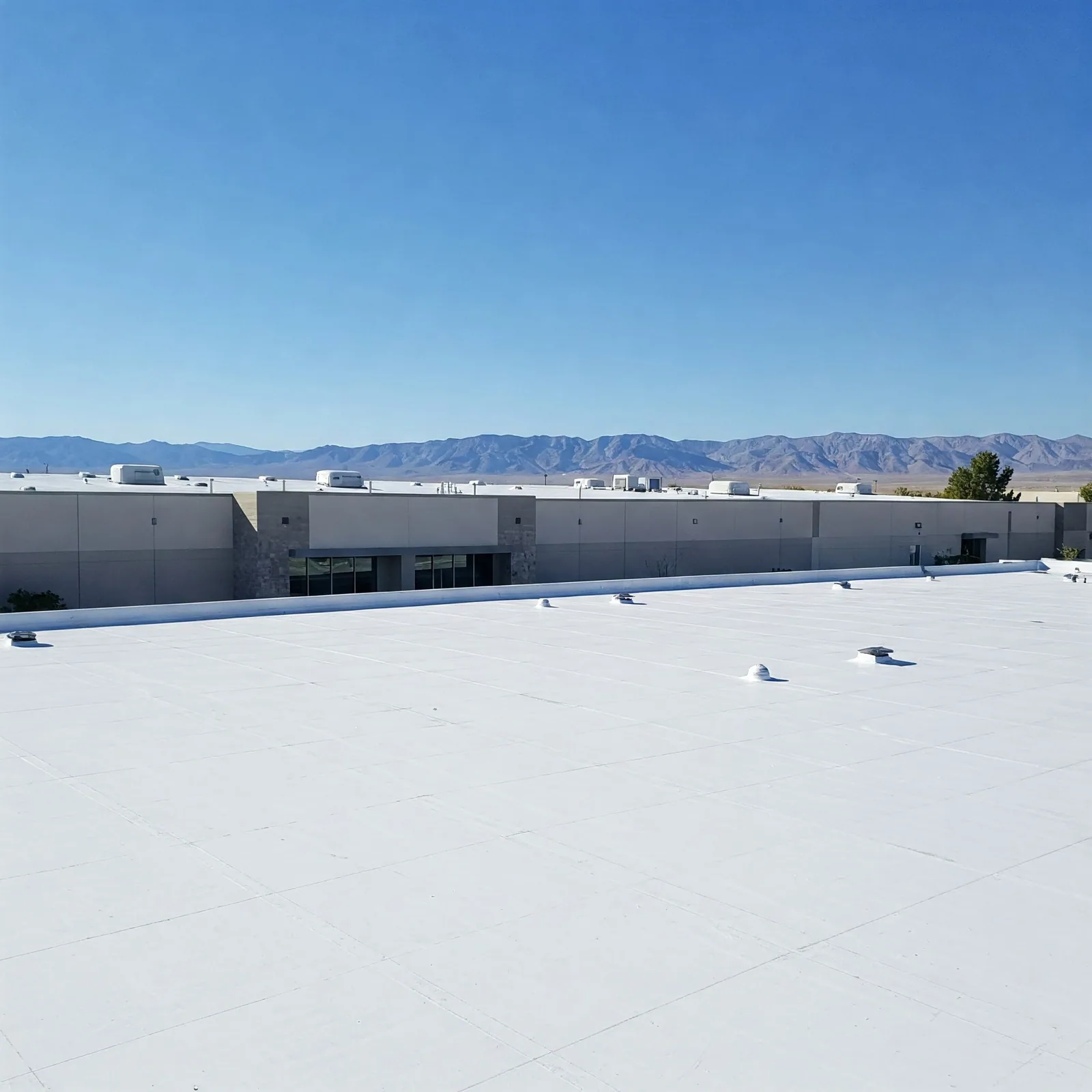
Evaluate a PVC commercial roof in League City, TX with seam testing, exhaust review, substrate checks, and details for drains and penetrations.
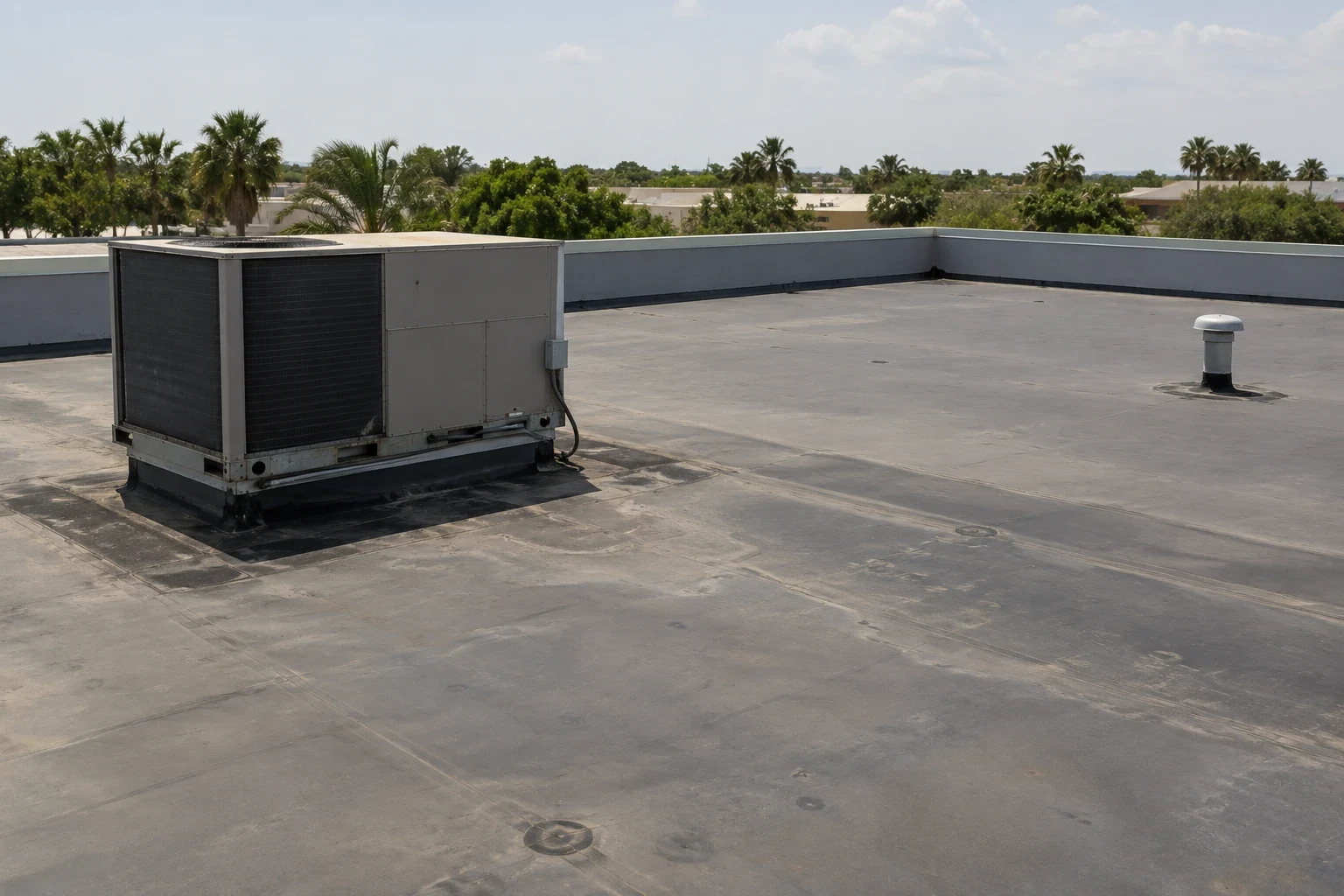
Inspect and repair EPDM commercial roofing in League City, TX with seam evaluation, flashing checks, drainage review, and tested repair limits.
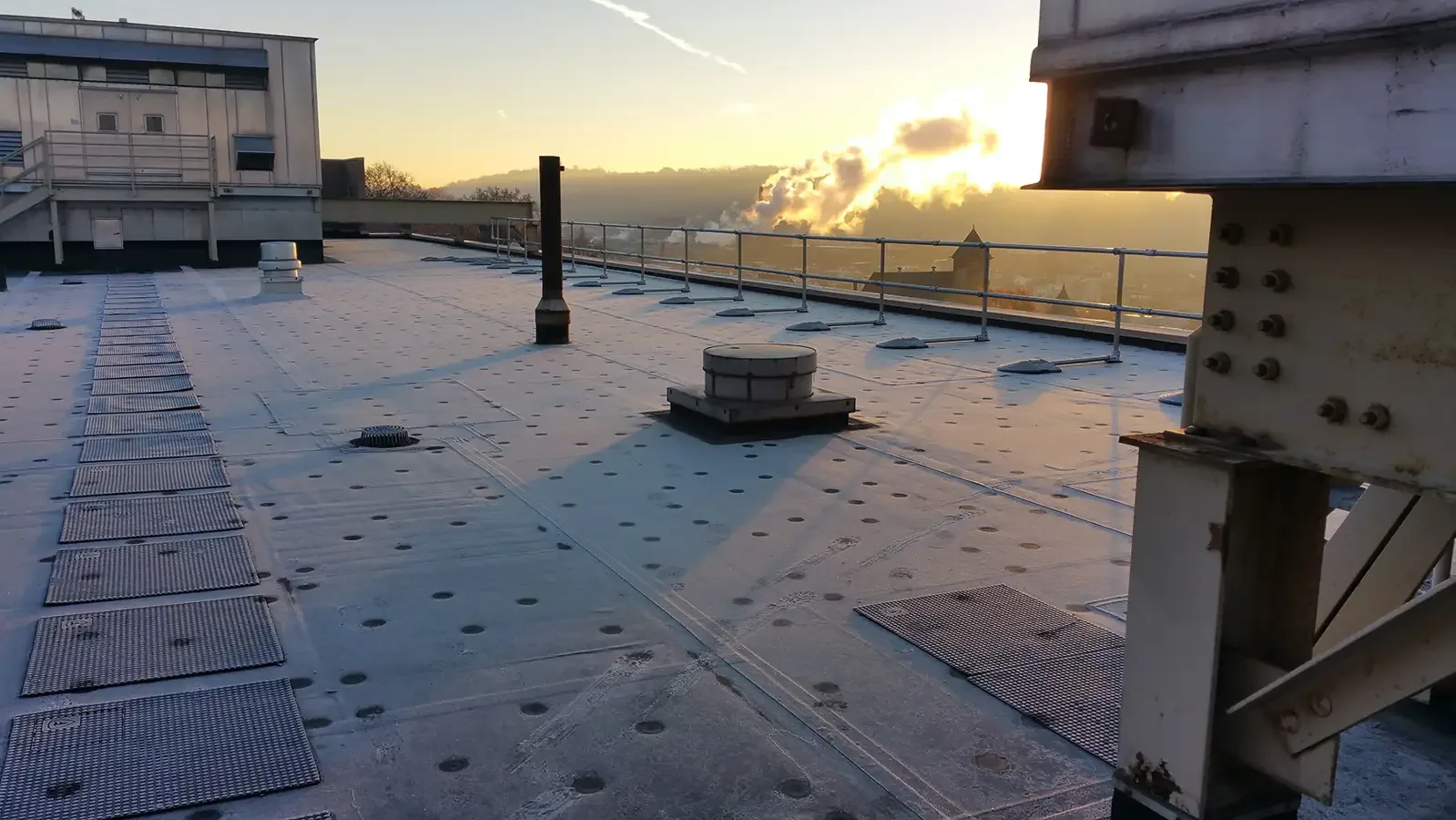
Evaluate KEE commercial roofing in League City, TX with membrane identification, weld checks, flashing details, and attachment review.
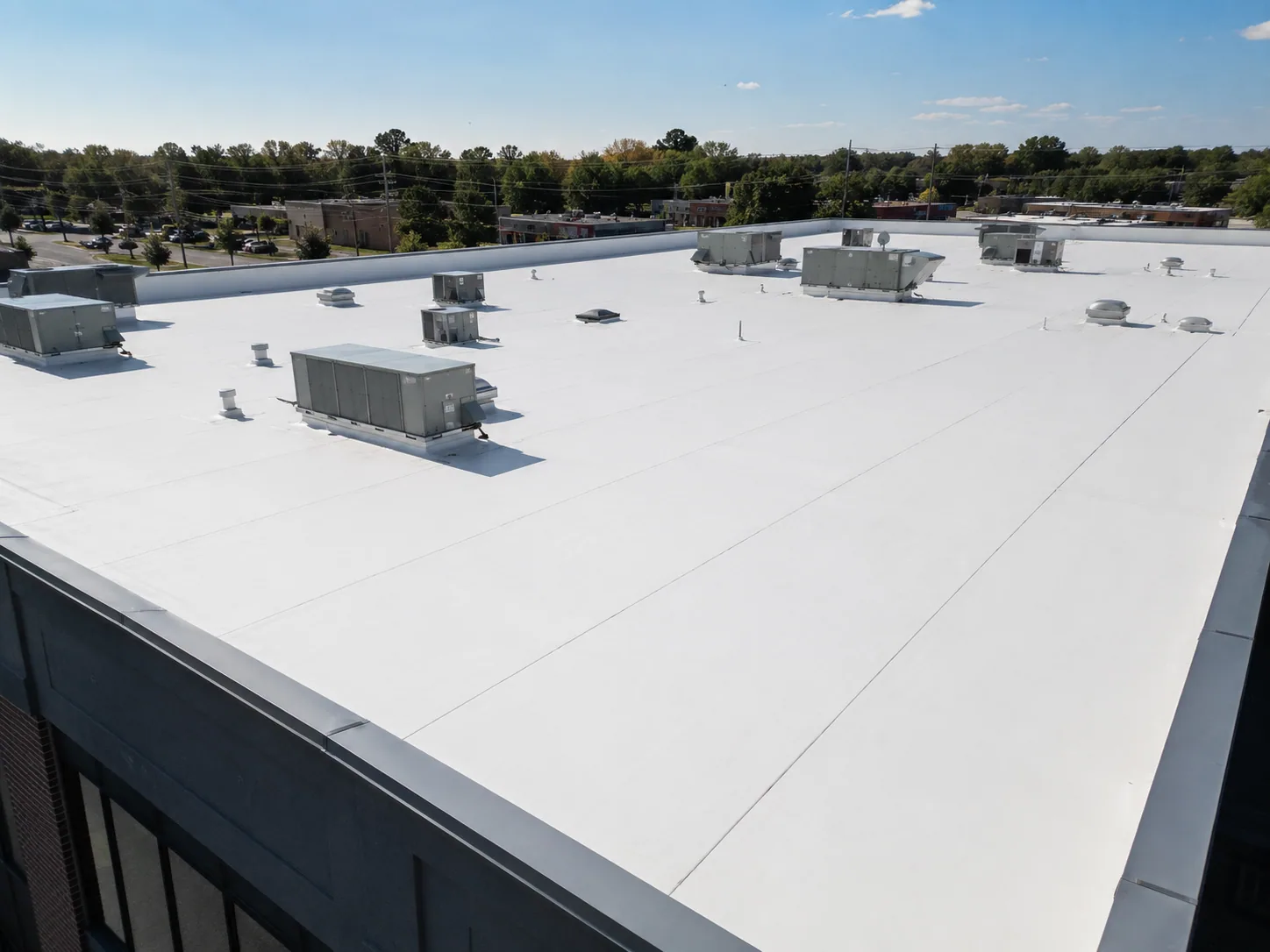
Plan modified bitumen roofing in League City with assembly review, seam inspection, drainage checks, and practical repair or replacement options.
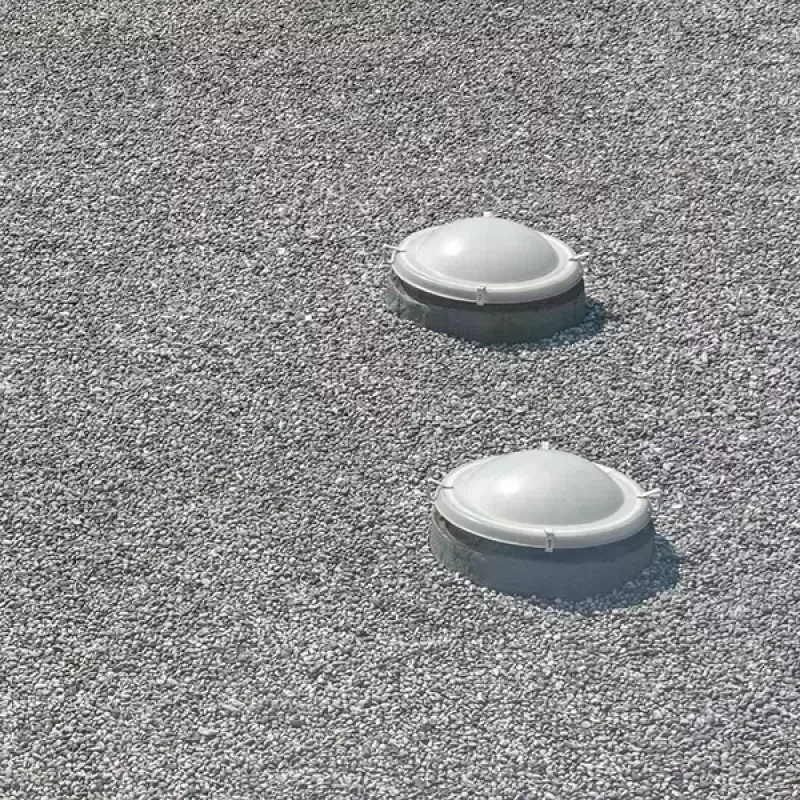
Review built-up roofing in League City with layer identification, gravel and membrane inspections, drainage checks, and clear repair or replacement choices.
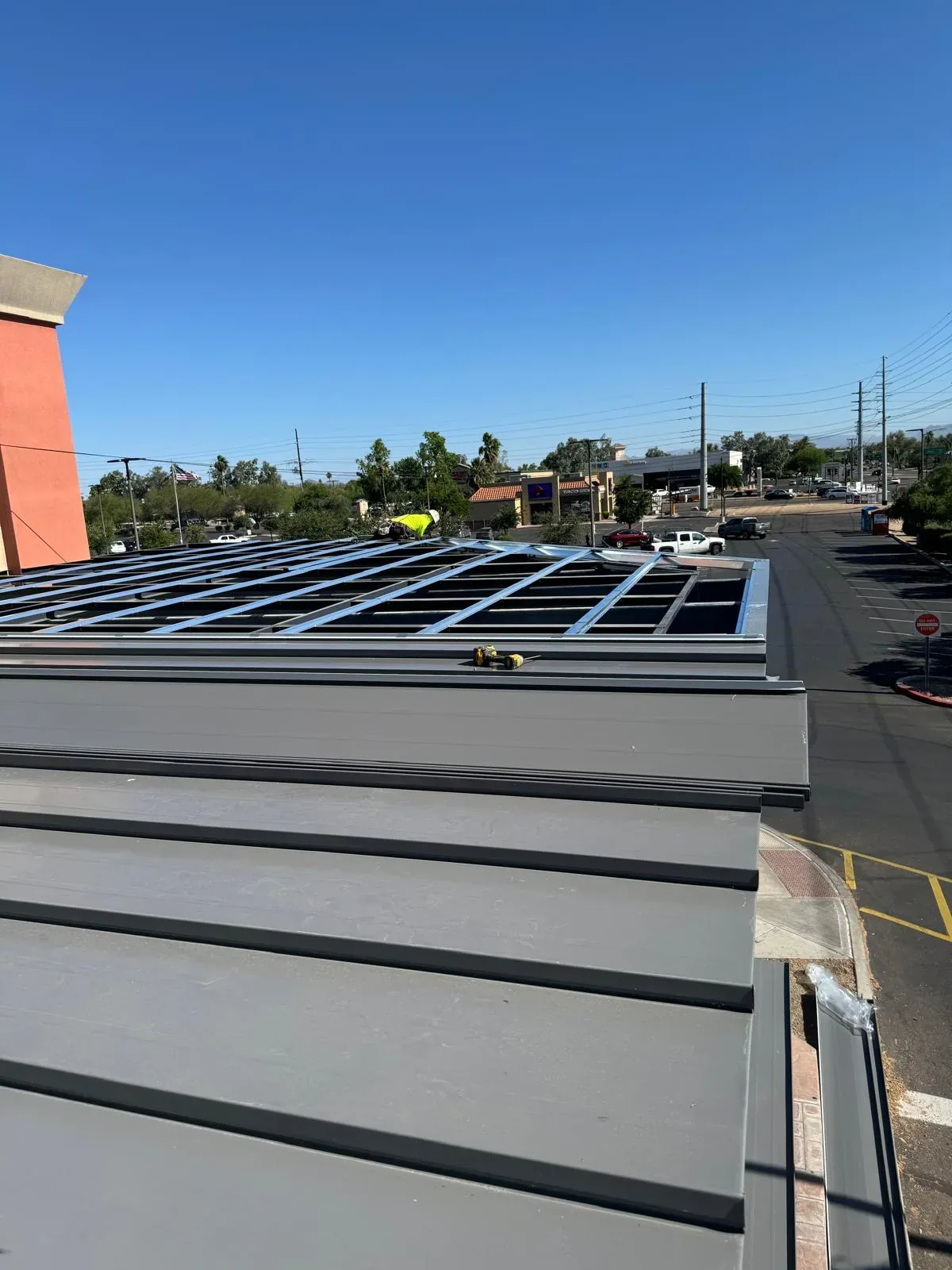
Evaluate standing seam metal roofing in League City with panel, clip, flashing, and movement checks before repair or replacement work.
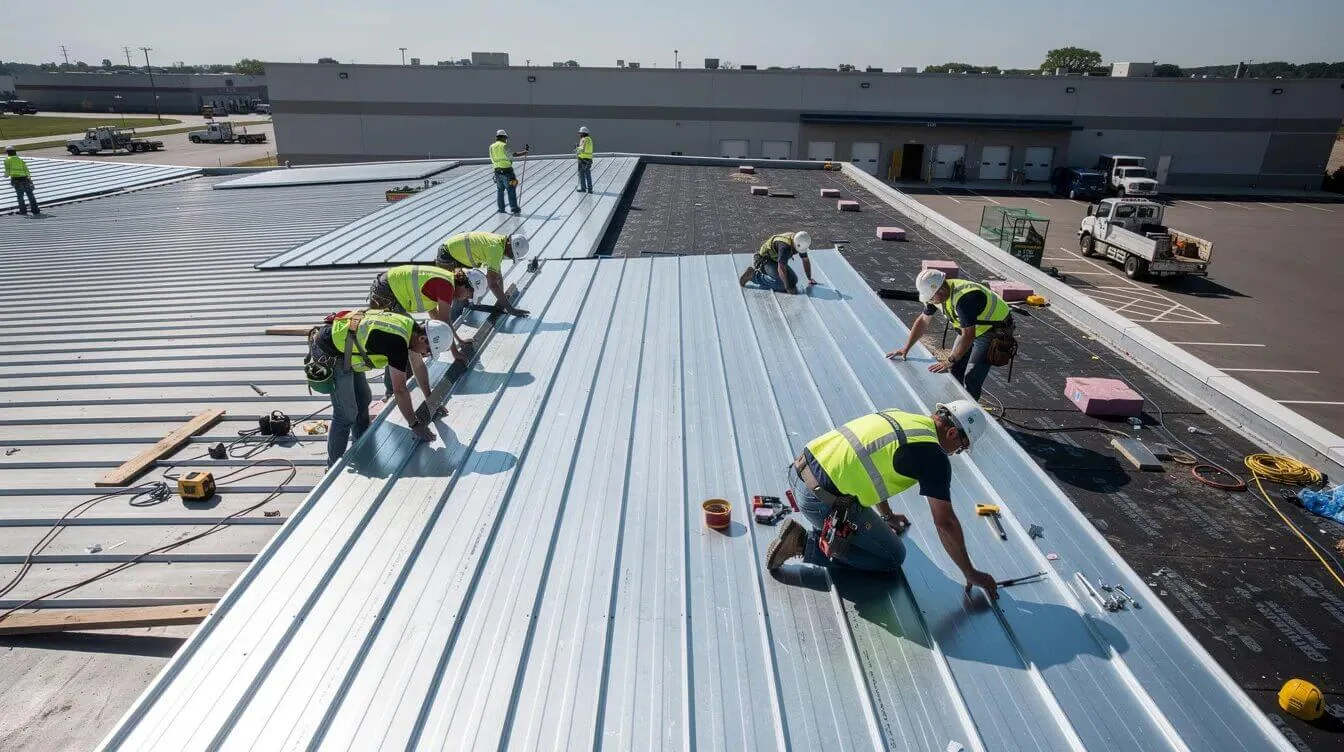
Assess exposed-fastener metal roof retrofit options in League City with panel, fastener, substrate, drainage, and attachment checks.
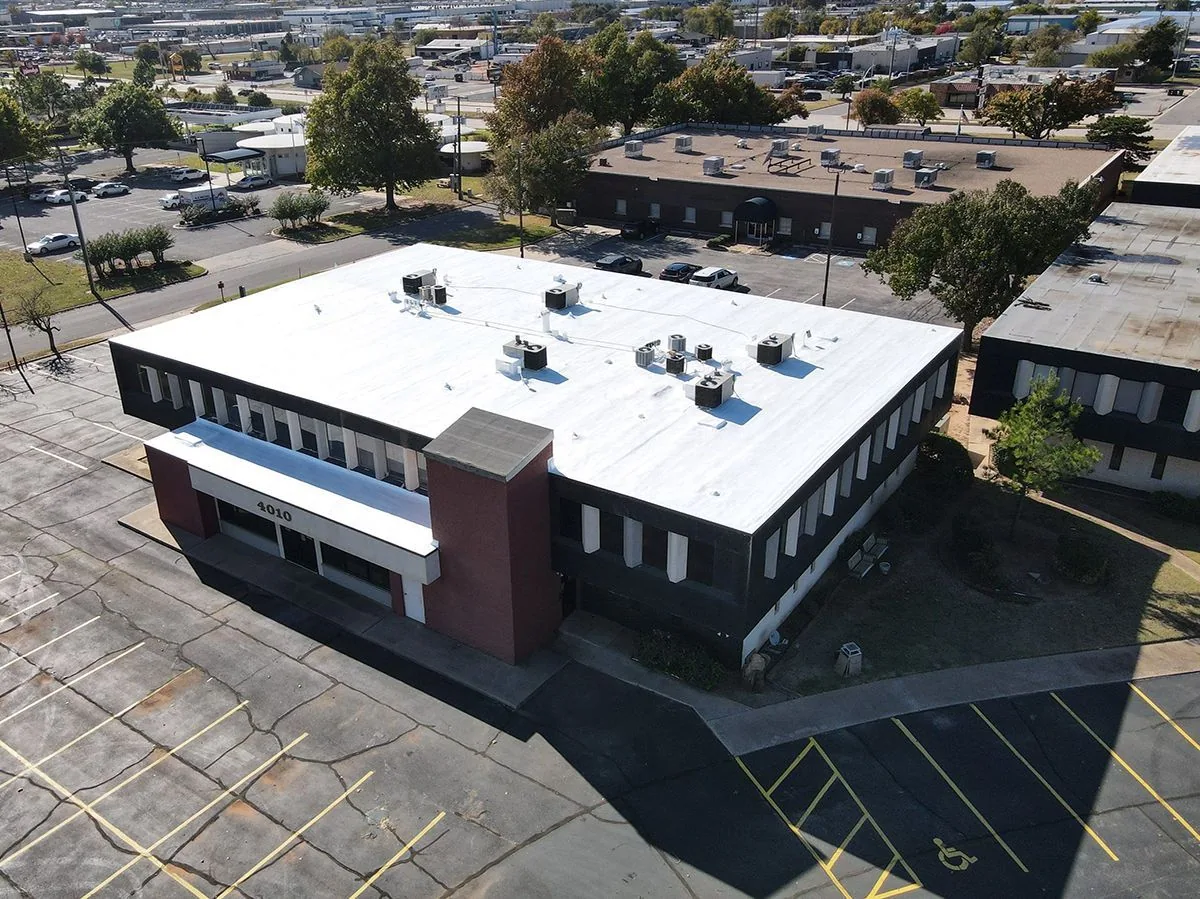
Review spray polyurethane foam roofing in League City with substrate, adhesion, coating, drainage, and maintenance checks before repairs.
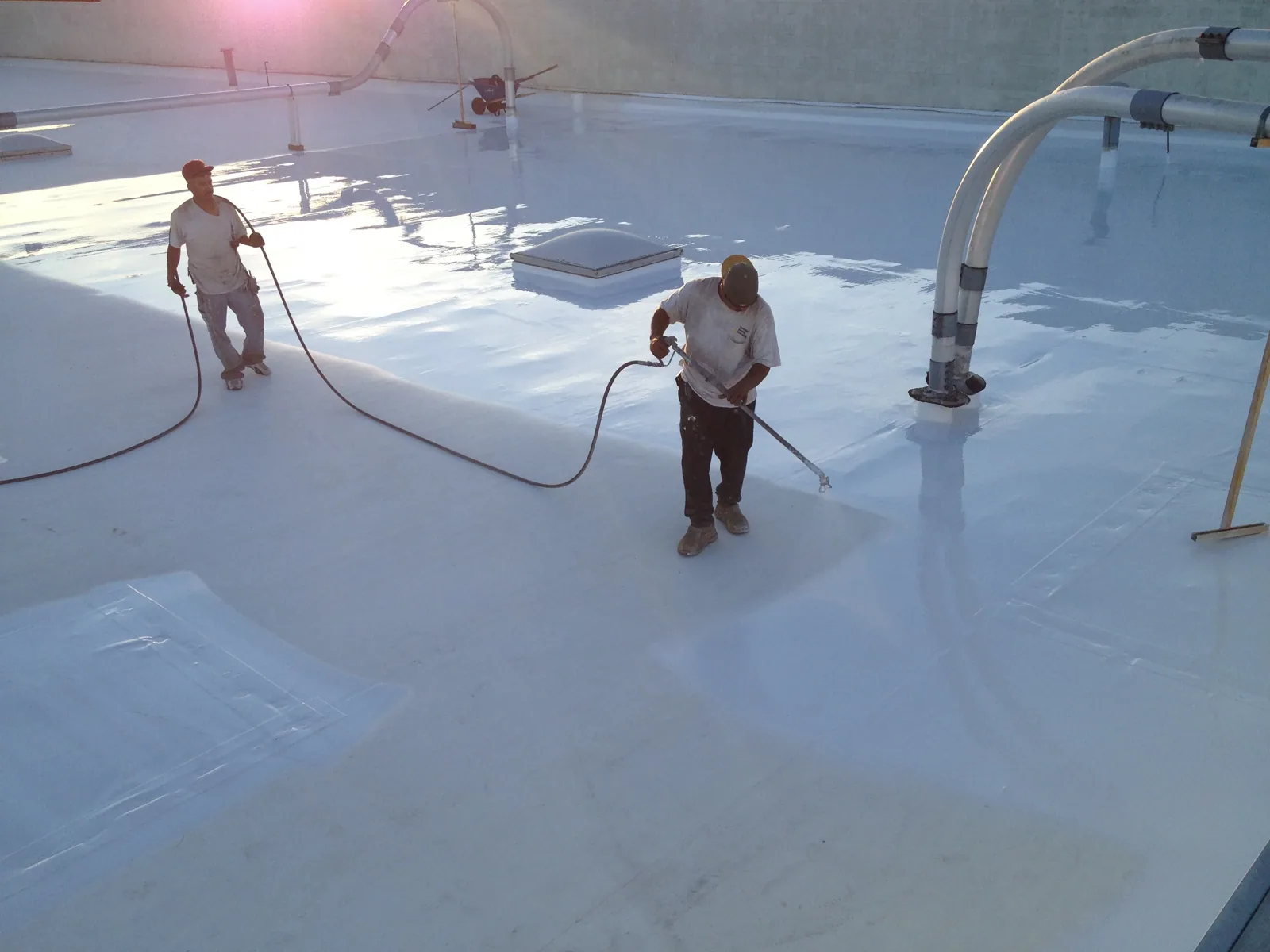
Evaluate silicone roof coatings in League City with adhesion, drainage, substrate, and preparation checks before restoration or replacement planning.
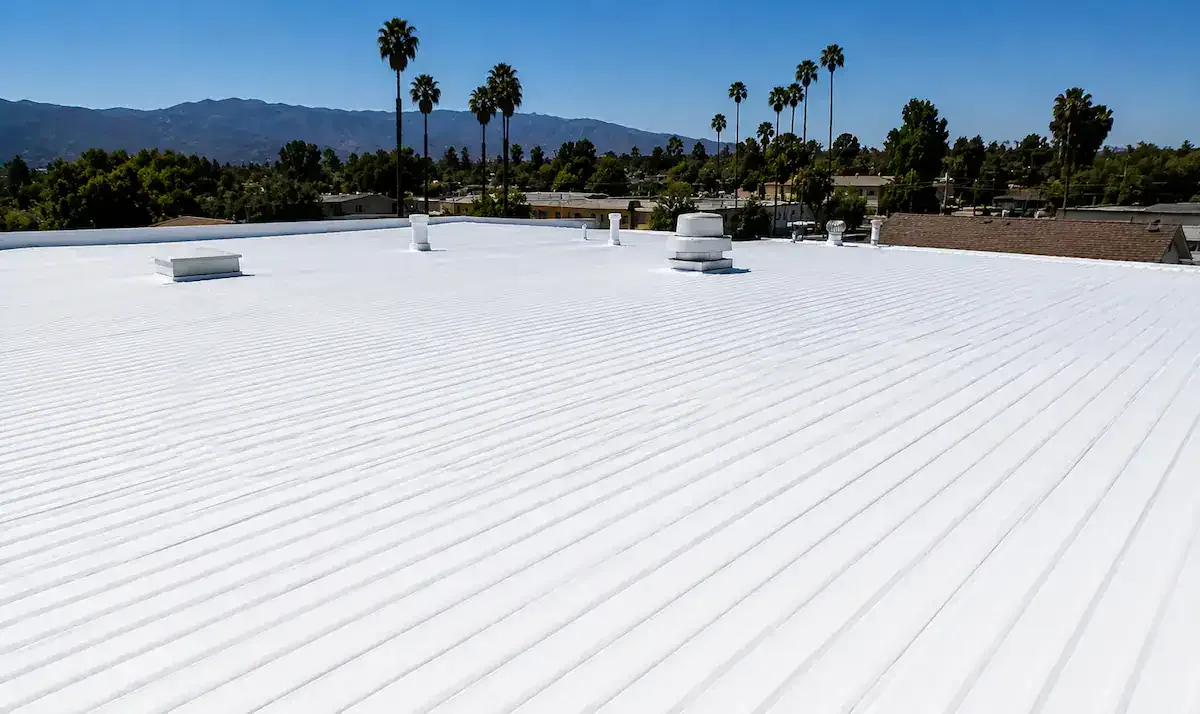
Assess acrylic roof coating options in League City with slope, ponding, substrate, seam, and preparation checks for restoration planning.
A site review records field seams, attachment, penetrations, curb details, edge metal, insulation, slope, and drainage. Available plans and product records are checked against visible conditions. Where layers are concealed, an approved opening may be required before a recover or replacement path is priced. For a single-ply option, owners can compare TPO, PVC, EPDM, and KEE based on the project specification, compatibility, detail conditions, and maintenance needs.
Built-up and modified bitumen systems use different layer and surfacing decisions from a membrane assembly. Standing-seam metal and metal retrofit systems require attention to panel attachment, transitions, and existing roof geometry. We check these details rather than infer a system from a building's use or address.
League City's upper-coast location brings recurring tropical wind and rain. We compare the proposed system's edge securement, wall flashings, seams, drains, and penetrations with the assembly; regional weather cannot substitute for a condition review. We review perimeter securement, wall flashings, seams, drains, and penetrations for the project under consideration. A spray polyurethane foam roof or silicone coating may suit a specific restoration plan only when the substrate and preparation support it; coating is not a substitute for correcting a failed assembly.
A warehouse near the I-45 and FM 646 commercial area may have different access and drainage requirements from a technical facility near the Clear Lake aerospace campus. The owner and design team define occupancy, energy criteria, deck, slope, equipment loads, and work sequence. League City's adopted commercial code and the project authority establish applicable requirements. We show how each proposed assembly handles the actual details and approvals.
System selection must carry through to a buildable scope. The proposal lists removal or recover assumptions, insulation, attachment, edge conditions, drains, penetrations, temporary dry-in, staging, and disposal. If existing moisture or deck damage is concealed, we separate the test opening and any removal allowance from measured work. During installation, each roof zone has an inspection point before later layers cover critical details.
The closeout records the product and assembly installed, approved changes, photographs, maintenance instructions supplied, and unresolved items. Send the address, current roof plans, known system, leak history, and access window to compare options. We will identify what has been verified and which detail still needs design or field approval.
Retain the installed system description, repair materials, approved submittals, tested zones, and warranty documents supplied for the project. A maintenance visit can track seams, flashings, drains, and transitions against the same roof map. League City's I-45 and FM 646 commercial activity includes varied facility needs; each asset still requires its own assembly record and access plan.
A photo can help locate a visible detail, but it may not show the full assembly. We compare records with an inspection and identify any test needed before specifying compatible repair or replacement materials.
No. The substrate, adhesion, moisture, drainage, and existing material must support the proposed coating system. We identify preparation and test areas before including restoration in the approved scope.
The deck, slope, drainage, roof geometry, penetrations, attachment, energy criteria, and project specification all matter. We compare those requirements against the site and approved design.
Provide the building address, roof plan, known material, prior repairs, access limits, and whether the project is repair, recover, or replacement. We will mark assumptions and approval items separately.
Share the address, roof drawings, known assembly, leak history, and project goal. We will identify system options that fit the verified roof and the approved work scope.