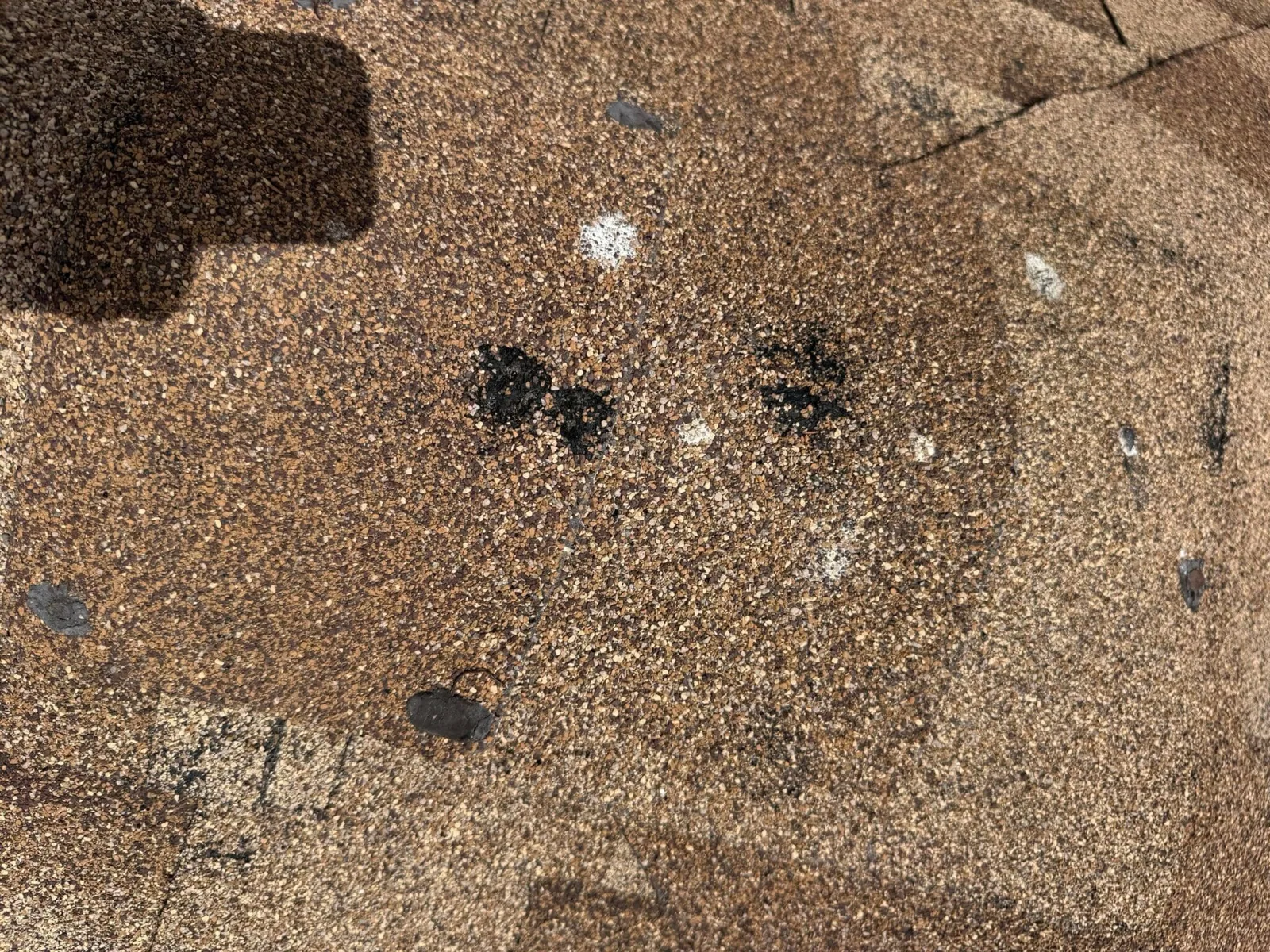
Commercial Roof Seam Failure Repair
An open lap is a visible defect, but the repair boundary depends on what the surrounding sheets and attachment can still support. League City's upper-coast climate brings periods of wind-driven rain that can test seam edges and perimeter transitions. We map the split, compare it with interior reports, and identify whether the membrane, adhesive, fasteners, or substrate has failed before proposing a patch. That keeps a short repair from covering movement that continues beyond the photographed area.
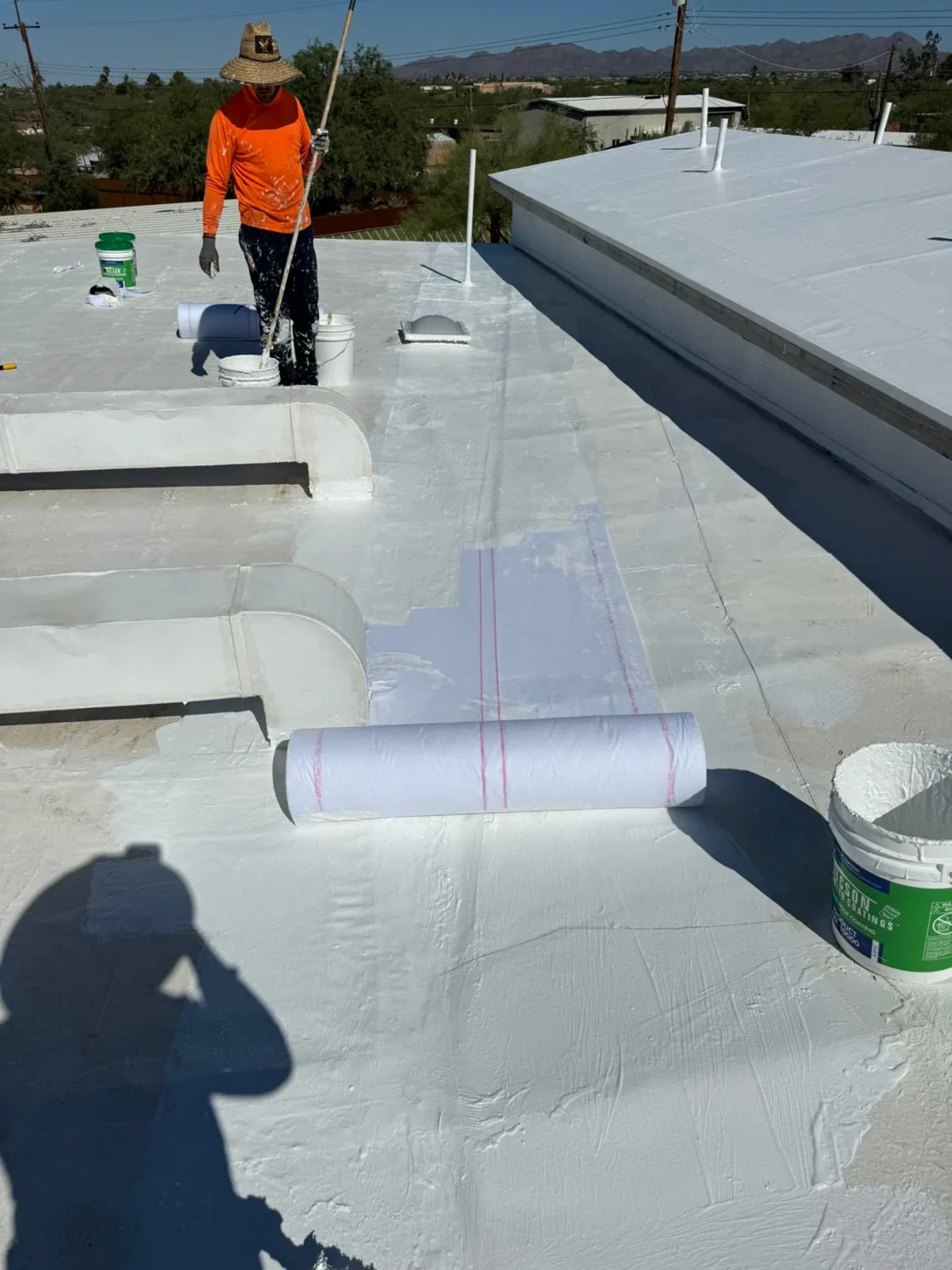
Identify the seam system before opening it
We first determine whether the roof uses heat-welded membrane laps, adhesive-bonded seams, mechanically attached sheets, or metal panel joints. Each system needs a different inspection and repair method. The report marks seam direction, length, nearby penetrations, edge transitions, prior patches, and areas that could not be reached. A commercial roof inspection can include close photographs and a map of the affected runs.
For a membrane lap, we check bond, weld continuity, contamination, wrinkles, fishmouths, and movement at terminations. On a metal roof, we look at panel sidelaps, fasteners, clips, sealant, and ridge or eave details. We distinguish an open seam from a puncture or flashing defect if more than one issue appears nearby. A flashing inspection can trace a separate transition leak instead of folding it into a seam quantity.
League City has a mix of retail, medical, petrochemical, education, and public-sector properties, with Victory Lakes Town Center at I-45 and FM 646. That local building mix does not tell us which seam system is installed at a store or facility. We inspect the actual roof and identify the materials before choosing a compatible repair. A thermal pattern or interior mark can guide testing, but the report states what was confirmed at the seam itself.
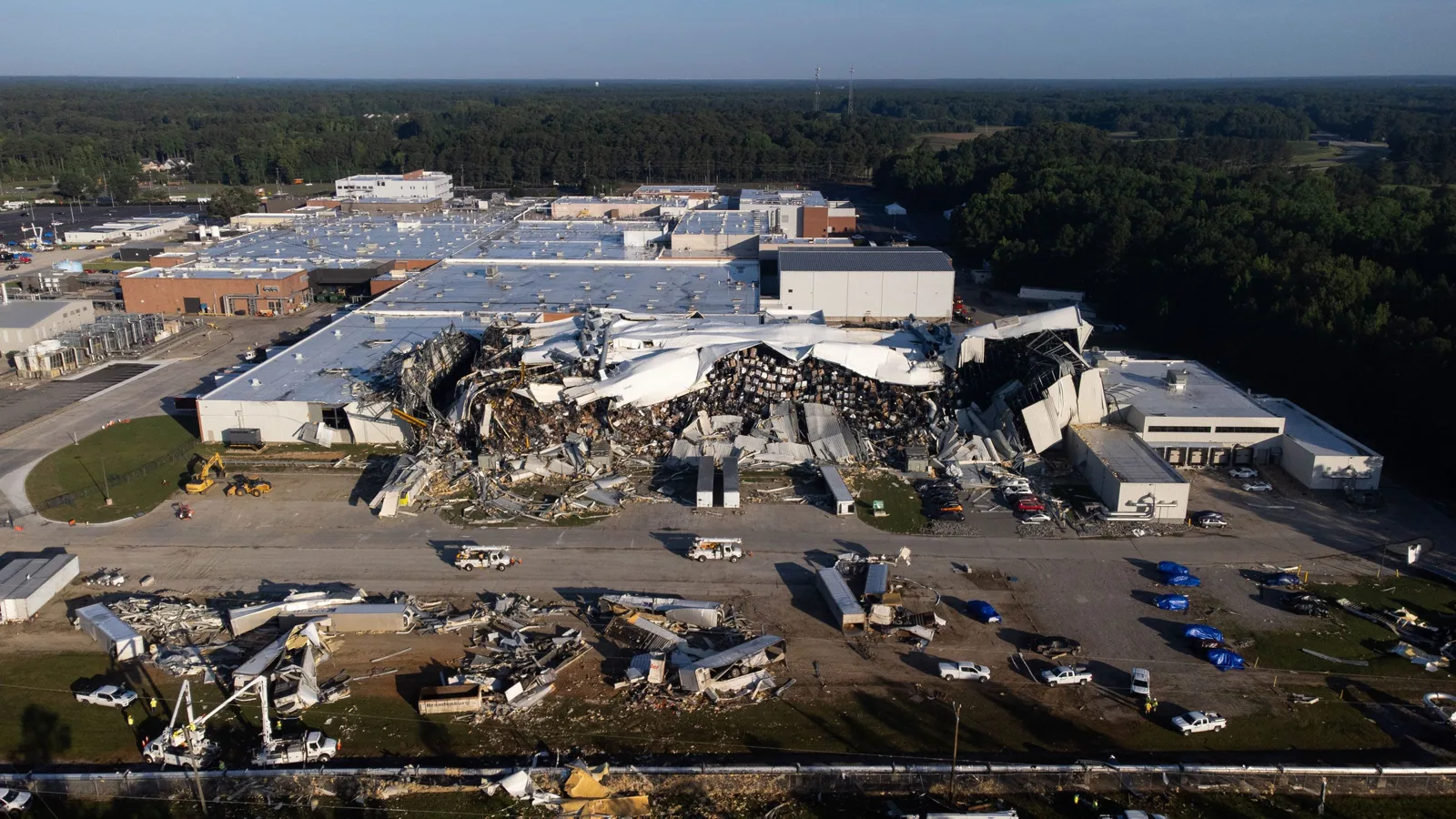
Stop water entry without enlarging the exposure
When rain is active, we limit disturbance to the smallest area needed for a safe temporary measure. The building contact identifies rooms, stock, equipment, or tenant paths below the seam. We record the cover, work zone, and next inspection needed before calling the temporary step complete. A round-the-clock emergency roof visit can stabilize an opening outside standard hours when the roof is safe and access is approved.
Temporary cover must account for roof slope and the direction water will travel. We do not block a drain or direct runoff toward another open lap. After the weather window changes, the permanent repair follows only after seam material, surface preparation, and tie-in length are confirmed. A membrane puncture assessment can separately address a nearby cut or abrasion if the inspection finds both defects.
League City lies along I-45 between Houston and Galveston, with commercial sites connected to regional freight routes. Near FM 646, the property contact sets the gate, delivery window, and roof-access plan before we measure the seam and adjacent details. A Texas City port-area inspection starts with the owner's building address and approved work route.
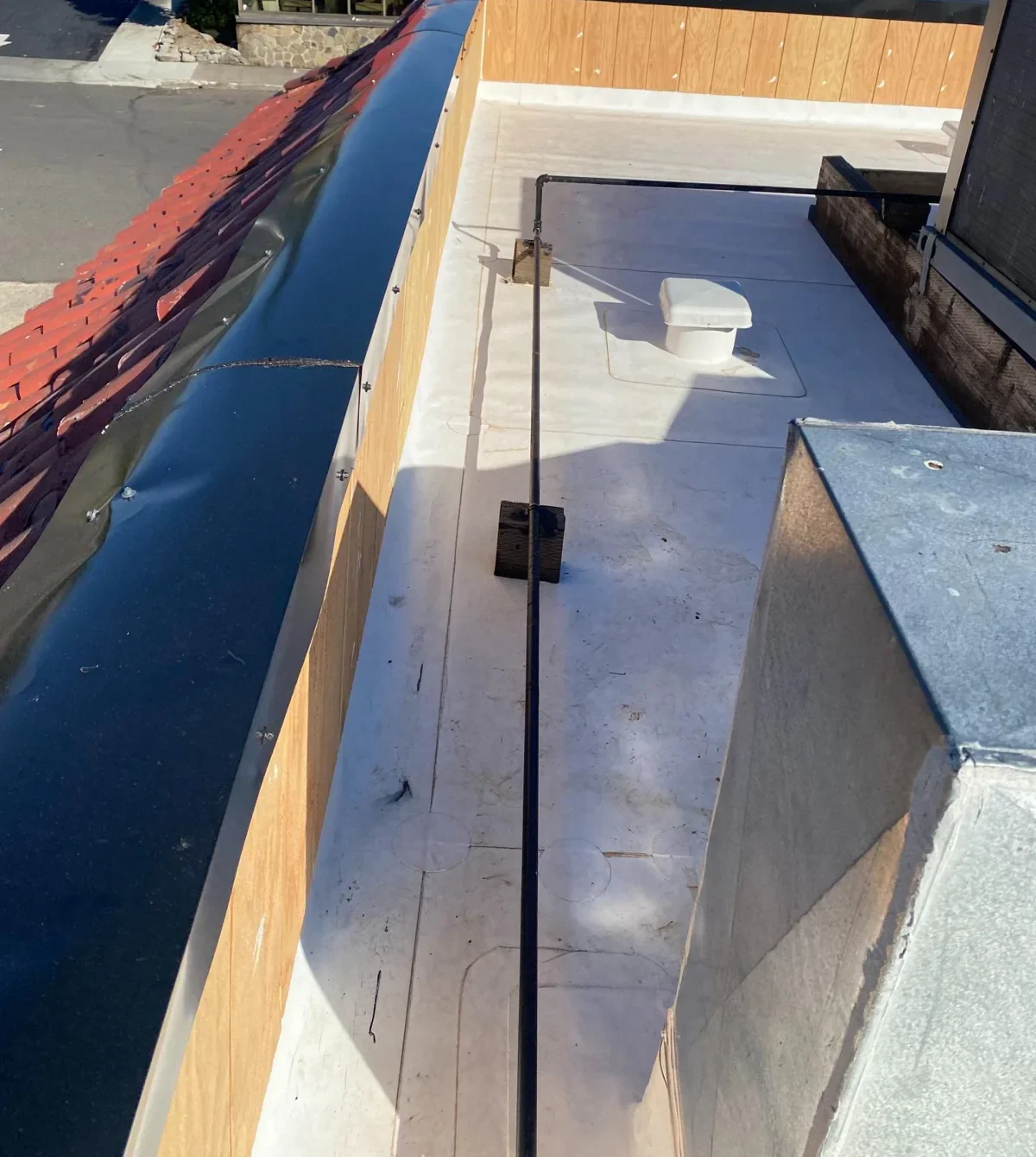
Measure a repair that ends at sound material
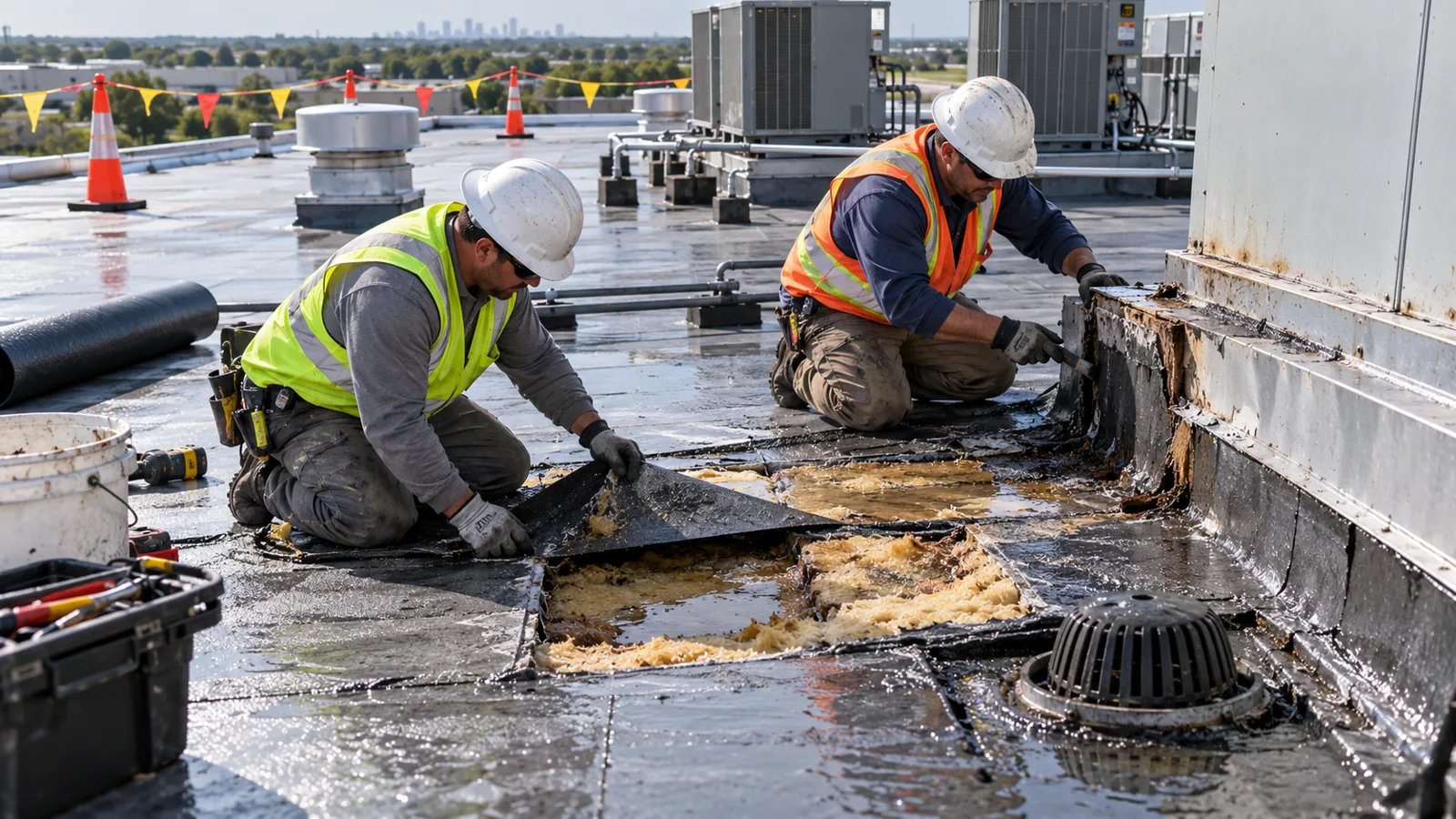
A localized seam repair can work when material around the split remains attached, clean, and compatible with the repair method. Long runs of separation, repeated failed patches, water beneath the assembly, or movement at a transition may call for a broader review. We mark the repair length and include a test or removal allowance only when it is needed to confirm hidden conditions. A commercial seam repair proposal should identify preparation, material, tie-in, and a field check after the work.
Recovering or coating over an open lap does not correct the seam by itself. The proposal first addresses the split and evaluates attachment, moisture, drainage, and existing layers. If a wider renewal is justified, replacement scope shows the areas included, edge details, tie-ins to remaining roof, disposal, and daily dry-in. The owner can see whether the recommendation addresses a single seam or a system-wide condition.
On a heat-welded membrane, the repair area needs clean, dry surfaces and a compatible weld that can be checked after cooling. Adhesive-bonded and mechanically attached assemblies require different preparation and restraint. We identify the system before removal and keep test results with the marked seam, so a later inspection can compare the same length rather than judging the repair from a distant roof photograph.
Price depends on seam type, length, access, roof height, test needs, material, surface preparation, temporary protection, and what the crew finds beneath an approved opening. The schedule also considers deliveries, occupied space, and weather. Any added removal stops at the stated approval point so a measured repair does not become an unreviewed full-roof quantity.
Confirm continuity and retain the seam map
After repair, we record the seam location, repair method, materials, date, adjacent details, and any section that remains open for future review. Photographs should show enough surrounding roof to find the repair later. The supervisor can also note conditions at the next seam and nearby drain. The owner can file the map with leak reports and maintenance notes, then compare future movement or water entry against the same area.
League City's adopted commercial code set includes wind-related criteria that the project designer confirms for the building. The repair report describes the observed seam and proposed detail without substituting for structural or code review. If the roof connects to an equipment curb, wall transition, or metal panel field, the closeout notes which detail was included and which remained outside the work boundary.
Send the address, roof system records, leak history, photos, and access window. We will identify the seam type, measure the affected run, and return repair options with any testing or concealed-condition approval stated. If multiple seams are involved, each receives a separate location mark so the owner can track the repair and monitor other areas.
Frequently Asked Questions
How do you tell a seam failure from a flashing leak?
We inspect the lap itself and compare it with nearby curbs, walls, and penetrations. The roof map records each defect separately so the repair scope follows the actual entry point.
Can an open seam be resealed?
The repair method depends on the roof system, surface condition, attachment, and how much adjacent material remains sound. We identify those conditions before selecting a compatible patch or seam correction.
Will a seam patch stop a leak immediately?
A safe temporary measure may limit water entry, but the permanent repair needs proper preparation and a tie-in to stable material. The closeout identifies any temporary step that still needs follow-up.
What if the seam is wet underneath?
We document the tested area and request authorization before extending an opening. Wet insulation or deck conditions can change the repair boundary and require a separate decision.
What roof records help with seam repair?
Provide system details, prior patch records, leak locations, and photos. We can then compare the installed seam type with the condition and define a measured work zone.