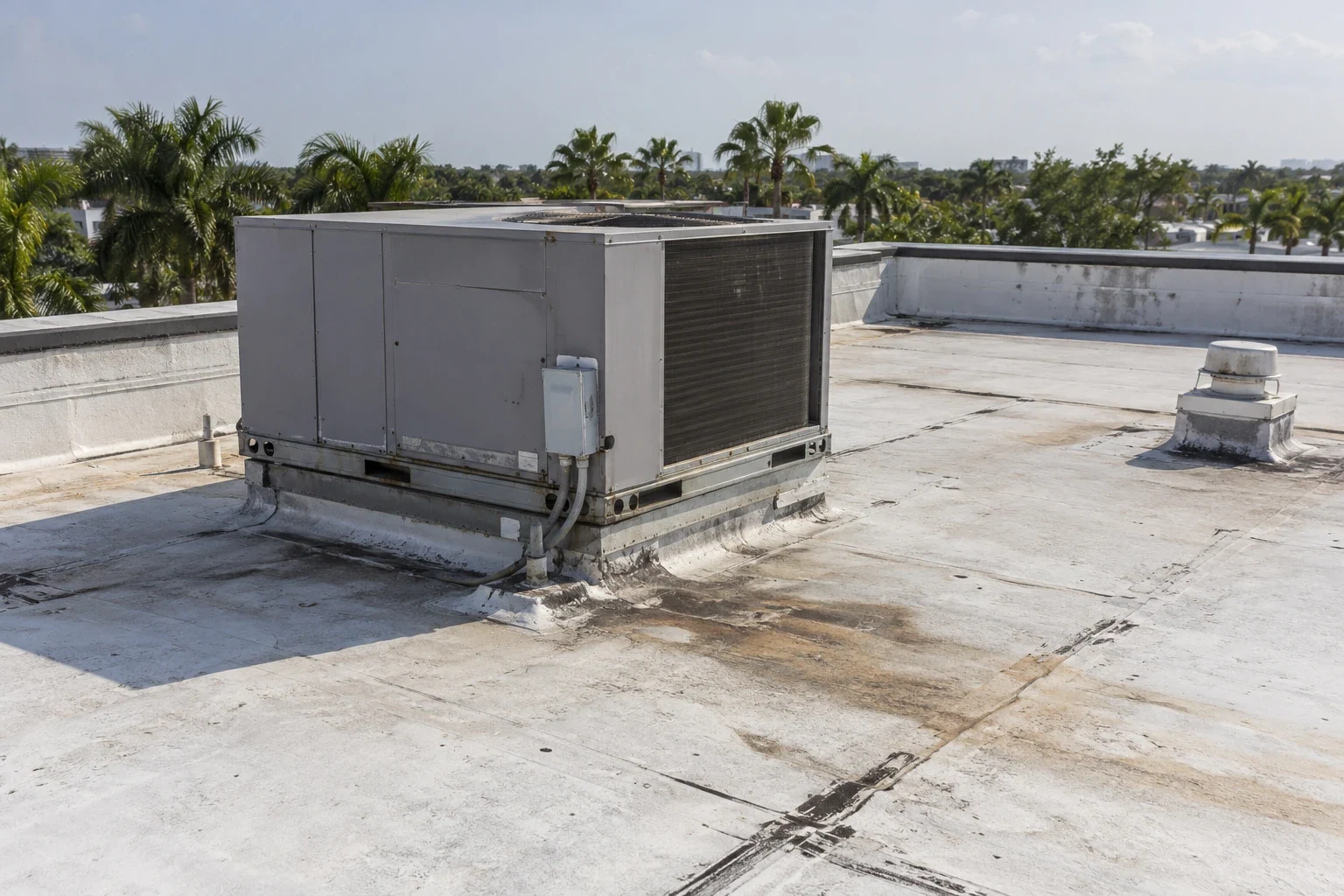
Commercial Roof Warranty Management
A warranty file is useful only when the property team can connect its terms to the actual roof, required records, and work performed. For League City buildings, we organize available documents, inspection history, repair records, and upcoming maintenance so owners can identify the next submittal or verification step. We do not promise coverage from a warranty label or assume that an observed leak is covered. The agreement, system, dates, maintenance terms, and cause of the condition all matter. Our role is to make that information visible and keep field findings separate from a manufacturer's or insurer's coverage decision.
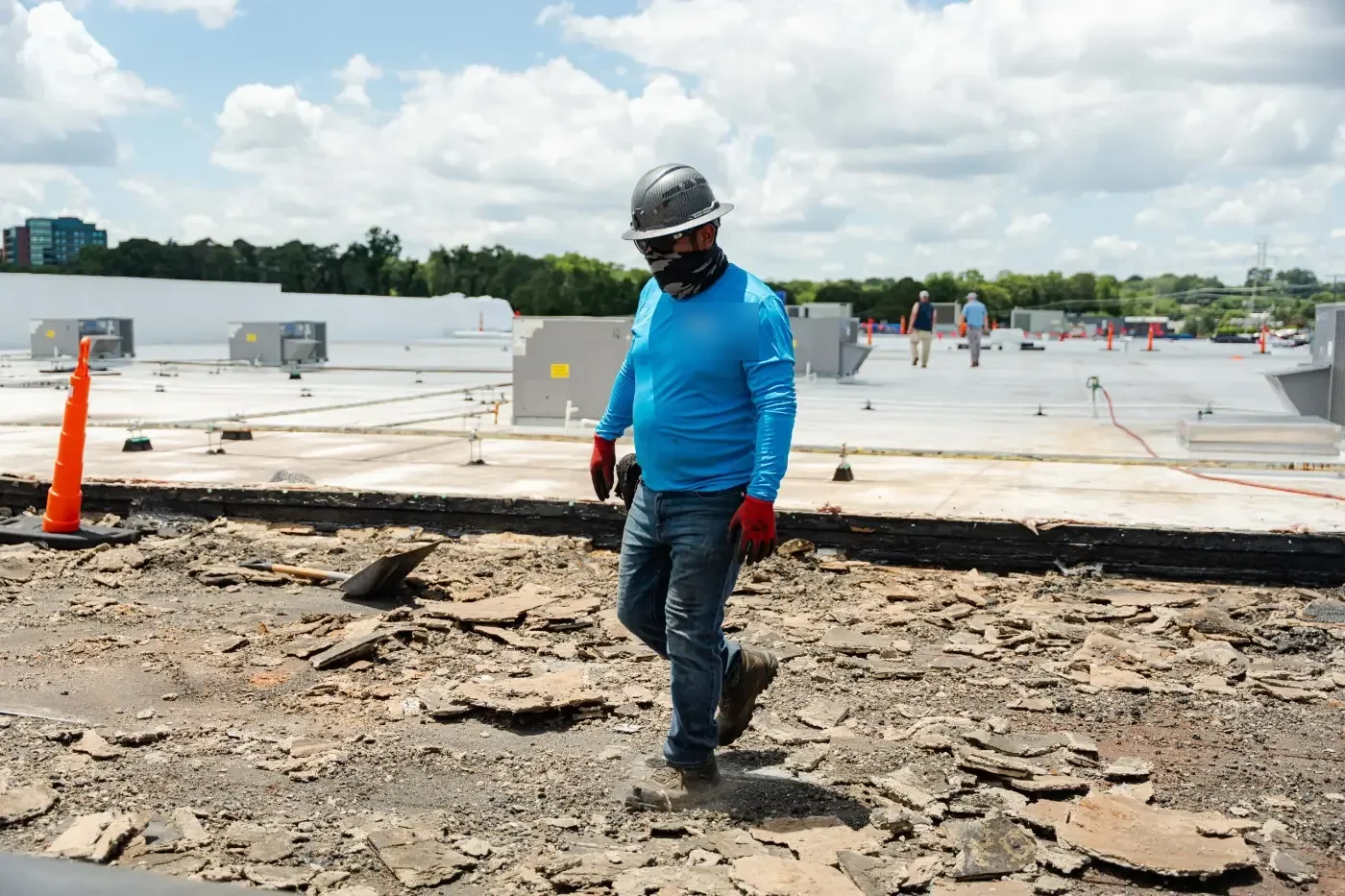
Match each document to the roof assembly
We collect the warranty certificate or agreement, system description, installation date, property address, manufacturer and installer contacts, approved repair history, and any stated inspection requirements. If documents refer to a different building or roof zone, we flag the mismatch before relying on them. Available roof plans and installation records help identify which membrane, coating, insulation, or attachment is associated with the paperwork. A roof condition report can document current observations, and a commercial roof inspection can record the visible conditions needed for a maintenance file. Properties near I-45 and FM 646 may have multiple tenants or service contacts; we record the access person and roof area attached to each inspection. For UTMB's League City campus, we confirm the requested building, facilities contact, and approved access before matching records to a roof. At Victory Lakes Town Center, the property contact identifies the building and roof zone tied to each maintenance file.

Build a calendar from the actual warranty terms
Once the relevant documents are identified, we record inspection intervals, reporting requirements, repair notification steps, prohibited alterations, and any closeout documents specified in the agreement. The calendar cites the clause or document behind each reminder and leaves unclear terms for confirmation with the manufacturer or contract administrator. A maintenance visit should capture date, weather conditions if relevant, roof zone, photographs, observed drainage, flashing, seams, penetrations, and any action taken. A preventive roof maintenance visit can help create that recurring record, while a seam inspection or flashing repair should be documented by location and material. The record distinguishes routine maintenance from corrective work and states who authorized the latter. If terms require a pre-work notice or manufacturer review, that step stays visible before repairs proceed, except where immediate stabilization is needed for safety or water control. The calendar does not decide coverage; it helps the property team meet documented obligations and ask the right question before work changes the assembly.
Document repair approvals before changing details
Before permanent work, we compare the proposed repair with available roof documents and identify whether the agreement calls for a specific material, installer, notification, or inspection. If those terms are unclear, the owner or contracting party confirms them with the responsible manufacturer contact. We record the response and its date rather than treating an informal assumption as approval. For an active leak, temporary protection may be required before the full review is complete; we label it temporary, capture its limits, and set the next decision point. An emergency response record can document that stabilization separately from a permanent repair scope. Additional removal or substitution waits for an authorized approval when the assembly or terms require it. A reported weather event adds a date to the property record. We map the inspected roof zones, retain photographs, and identify which warranty notice or inspection step follows. The file records what the crew observed at the property and which party must review the issue.
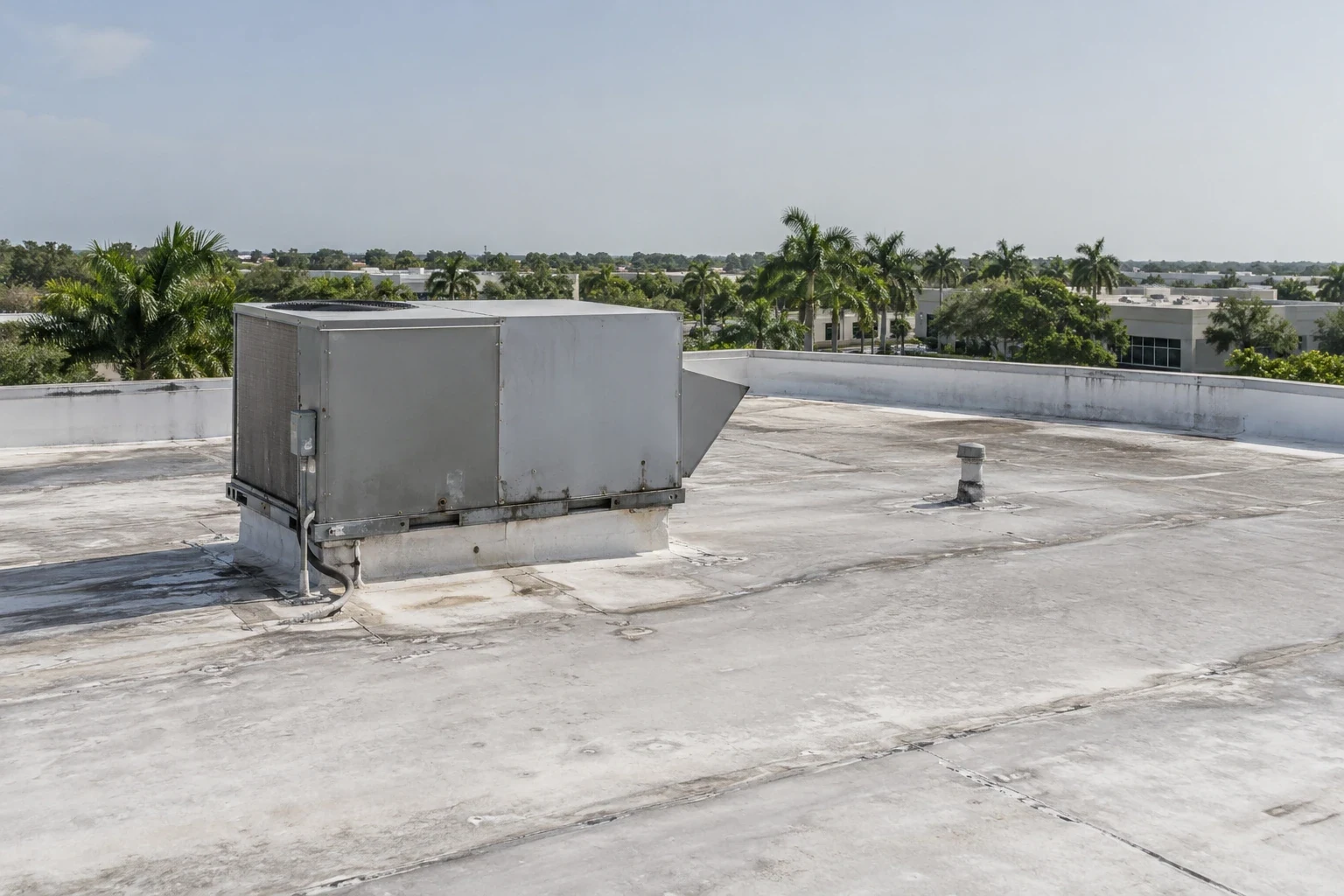
Keep submittals and closeout evidence together
For each work item, retain the original condition, reported concern, photos before and after, scope, approved materials, invoices or work orders, test results, inspection notes, and communications with the manufacturer or warranty administrator. Record where the information is stored and who owns the next action. If a warranty claim is submitted, keep the submitted package and its response together; the submission itself is not a coverage determination. League City's code and permit requirements may affect a repair or alteration, so project-specific design and permitting questions should be addressed by the responsible professional and authority. We can track these records in a roof asset file and prepare a portfolio process when several properties require the same review cadence. A roof system's service history can also inform capital planning, but the budget decision remains distinct from any warranty outcome. To organize a League City warranty file, provide the property address, available agreement, system or installation records, repair history, and upcoming project schedule. We will identify missing documents, upcoming actions, and questions requiring confirmation.
Review open items before the next work phase
At each review, we identify which inspections are complete, which required records are missing, what repairs are pending, and who must authorize the next step. Any unresolved coverage question is listed as a question, not a promise. If roof plans or certificates conflict, the team verifies the affected assembly before relying on either file. A change in ownership, tenant, or facility contact should also trigger a record handoff so inspection reminders and claim correspondence do not disappear. The owner receives a short action list with due dates and original documents. This process can support properties in League City's medical, retail, industrial, and public-sector environment, but operating requirements still come from each site contact. For a roof project with a wider scope, the contract documents and warranty terms should be reviewed before materials are ordered or removal begins. Send the relevant records and contact names, and we will map the immediate maintenance and approval steps to the actual roof file.
Frequently Asked Questions
Does a roof warranty cover every leak?
No. Coverage depends on the agreement, roof assembly, cause, maintenance, exclusions, and required procedures. We organize evidence and identify questions; the responsible warranty party determines coverage.
What documents should a property owner keep?
Keep the warranty agreement, system and installation records, approved repair details, inspection reports, maintenance history, photos, and all claim or manufacturer responses tied to the correct address and roof zone.
Can emergency work proceed before a warranty review?
Immediate protection may be needed to limit water entry or address safety. We record temporary steps separately and identify any permanent work that requires notice or approval under the actual agreement.
Can you tell whether a repair will preserve the warranty?
We can review the available documents and identify stated requirements or questions. The property owner or authorized contract party should confirm uncertain terms with the manufacturer before permanent work proceeds.
How do you manage warranty records across several buildings?
Each property retains its own agreement, system, dates, inspections, and work history. A shared calendar can standardize reminders while preserving address-specific approvals and documents.