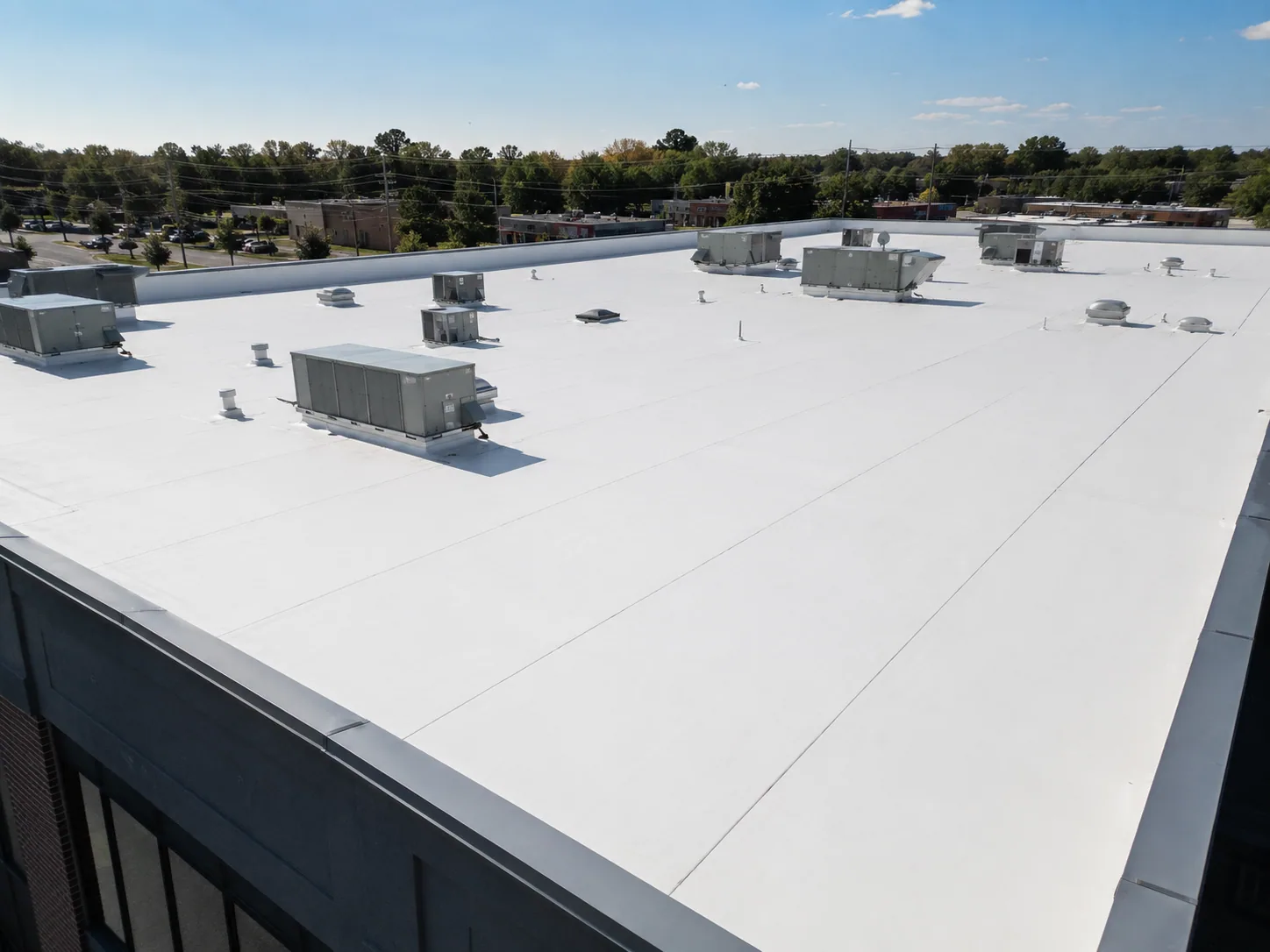
Built-Up Roofing
A built-up roof uses multiple reinforcing plies and bitumen, often with a protective surfacing. The visible top layer does not tell the whole story. We check the roof records, exposed edges, drains, and transitions to understand the assembly before proposing work. Texas City is a port and rail city on Galveston Bay. On any roof project there, the owner confirms the actual building, access route, assembly, and condition before a repair is scoped.
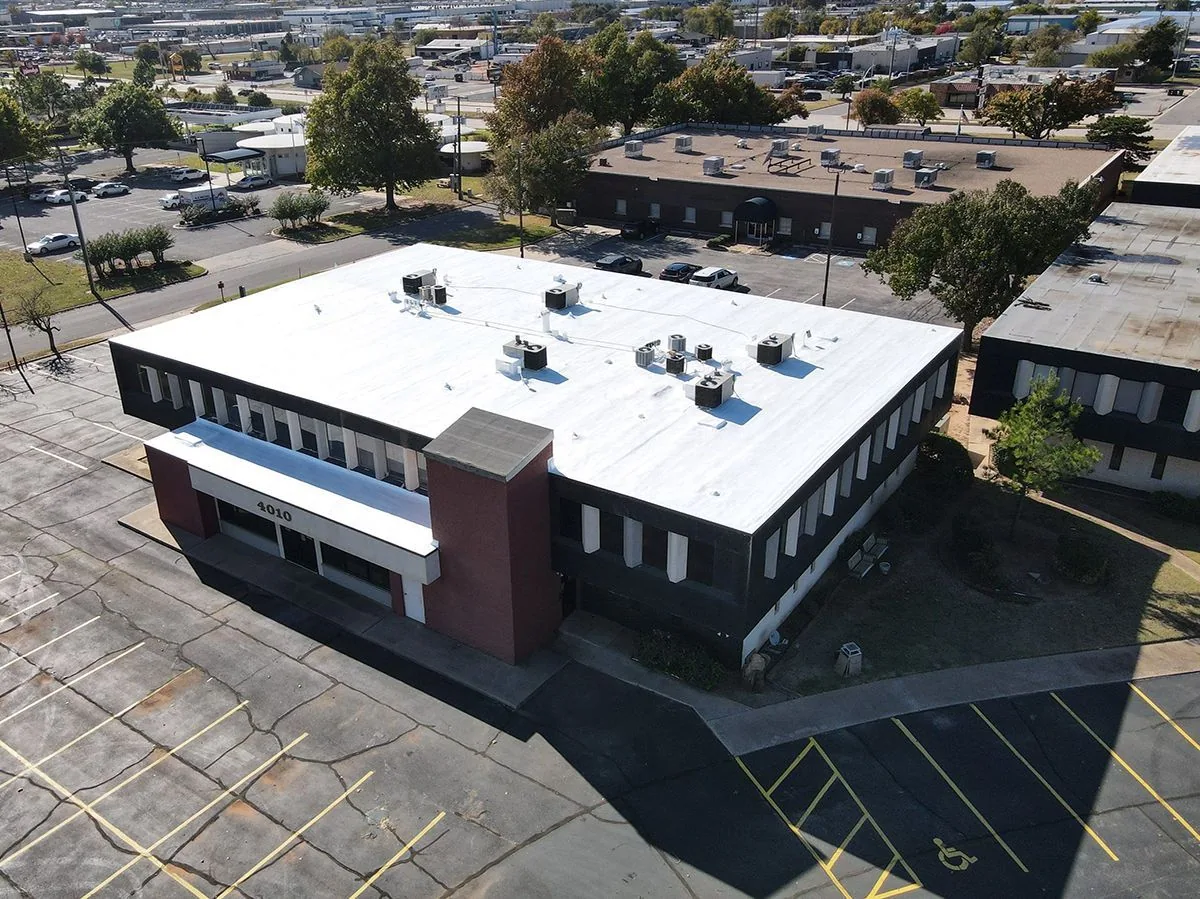
Read the layers and surfacing as one assembly
Built-up systems may have several plies of felt or reinforcing fabric embedded in asphalt or another specified bitumen. Surfacing can include aggregate, a cap sheet, or a coating. Records, roof edges, and selective inspection help establish what is actually present. We note layer count where it can be verified, the apparent deck, insulation, attachment, and areas where prior work created a different assembly.
A modified bitumen system and single-ply membrane uses manufactured sheets and has different seam details. The systems can appear alike from grade, so we avoid specifying a patch until we identify the surface and compatible materials. If an older roof has been recovered, the estimate calls out that uncertainty and recommends a test opening where it could change removal or disposal quantities.
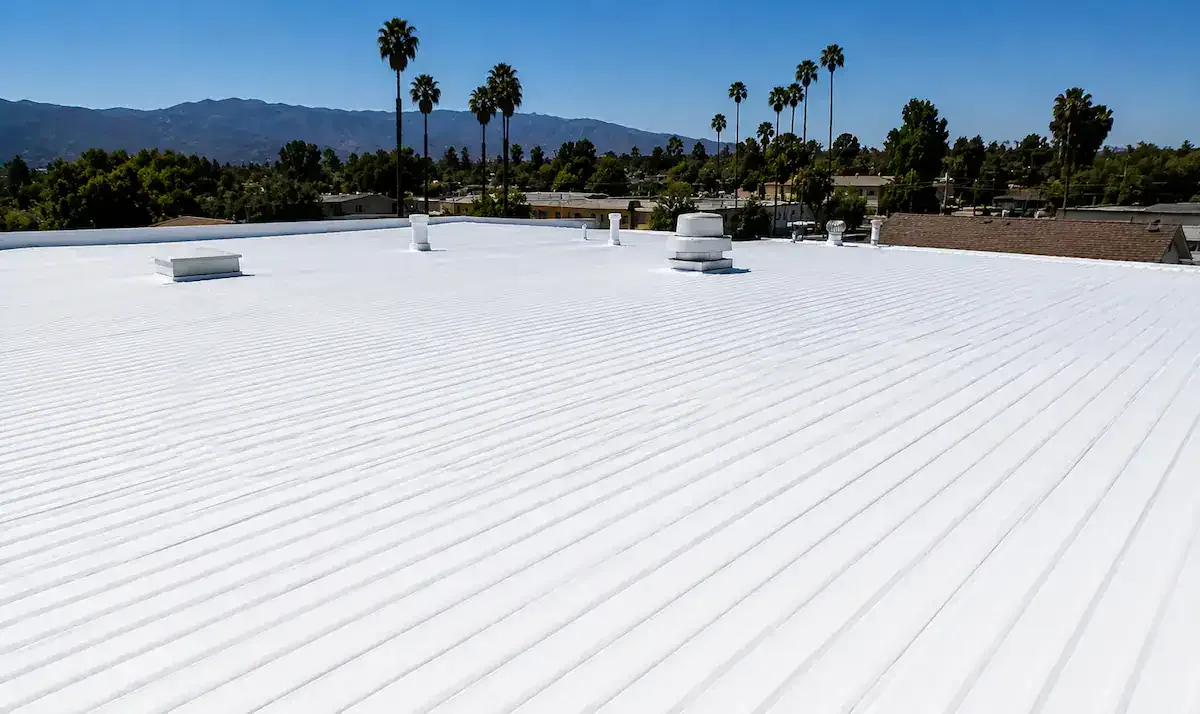
Check surfacing, blisters, seams, and edges
We look for displaced aggregate, exposed bitumen, open laps, cracks, blisters, punctures, and loose metal. On a gravel-surfaced roof, we distinguish loose stone from missing surfacing and examine areas where traffic has shifted the aggregate. At walls, drains, curbs, and expansion joints, the field plies must connect to stable flashing details. The report describes each condition by roof zone and includes photographs that the owner can match to a plan.
Aggregate serves as a protective surface, but its presence can hide conditions below. We check for areas where stone has shifted, settled, or become displaced around drains and service paths. Any repair proposal states whether loose surfacing is removed and replaced, how the patch is protected, and whether the repaired area can be walked immediately. Those details matter to building staff planning equipment access after closeout.
Interior staining is useful context, but it may not sit directly below the entry point. We trace slopes and drainage, inspect penetrations above the report, and check prior patches. A roof inspection separates observed defects from suspected causes and identifies inaccessible areas. Where moisture testing is needed, the scope states whether cores, scans, or other methods are proposed and what the result can establish.
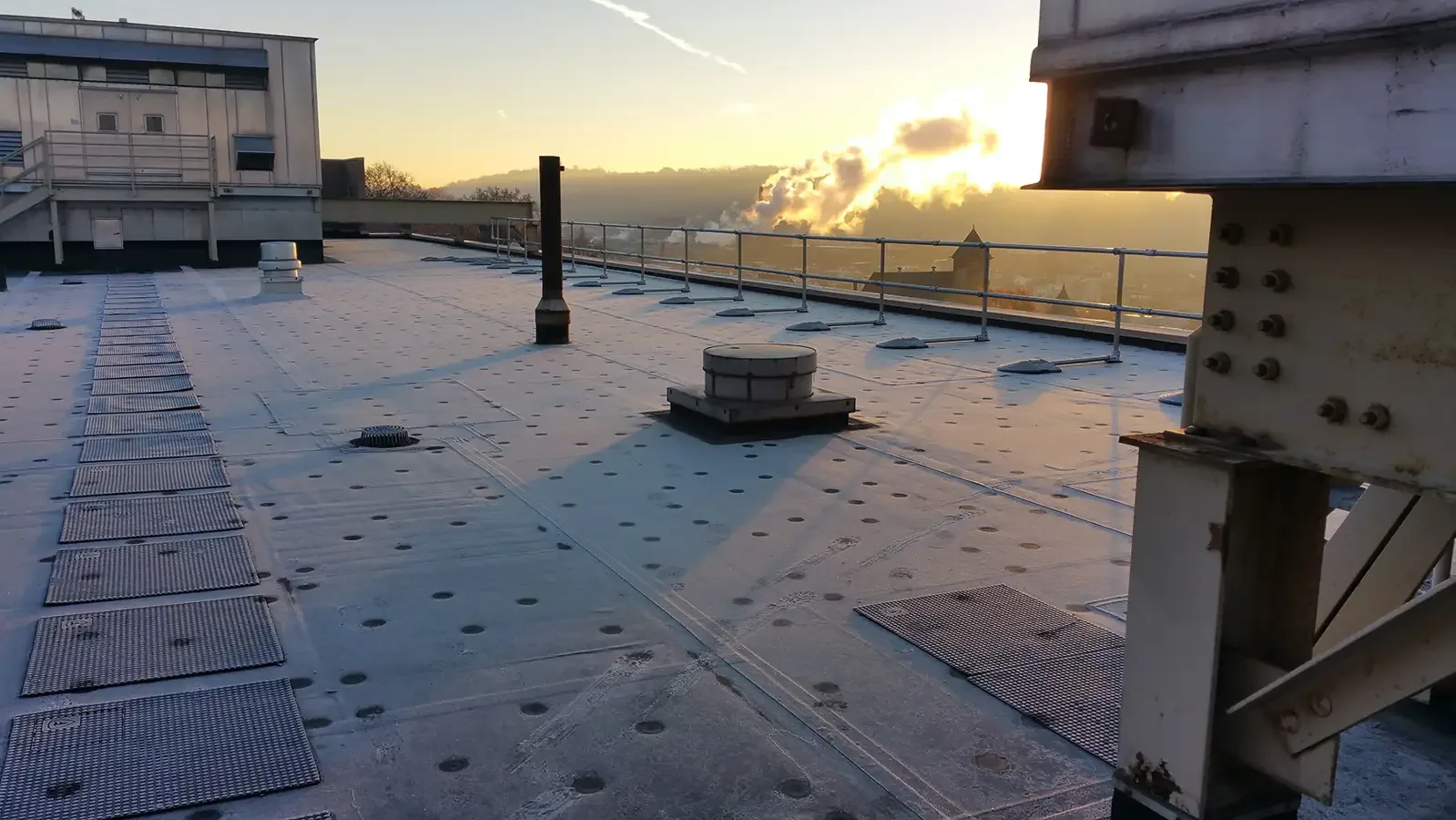
Define the repair area and its limits
Repair design depends on the roof’s composition, surfacing, temperature, and the condition of surrounding plies. The contractor removes loose or damaged material, prepares a sound surface, and applies a compatible patch with properly treated edges. We describe the repair width and length and whether aggregate or a protective coating is part of closeout. A repair estimate also identifies testing, access equipment, and any work excluded from the roofing scope.
At drains and scuppers, repairs need to preserve flow and secure the membrane at the outlet. We inspect the sump, clamping ring or flange where present, and the surrounding layers. A local low spot or blocked outlet may require separate correction. The work order notes whether the water path was simply cleared or whether a drainage change has been designed; those are different levels of work.
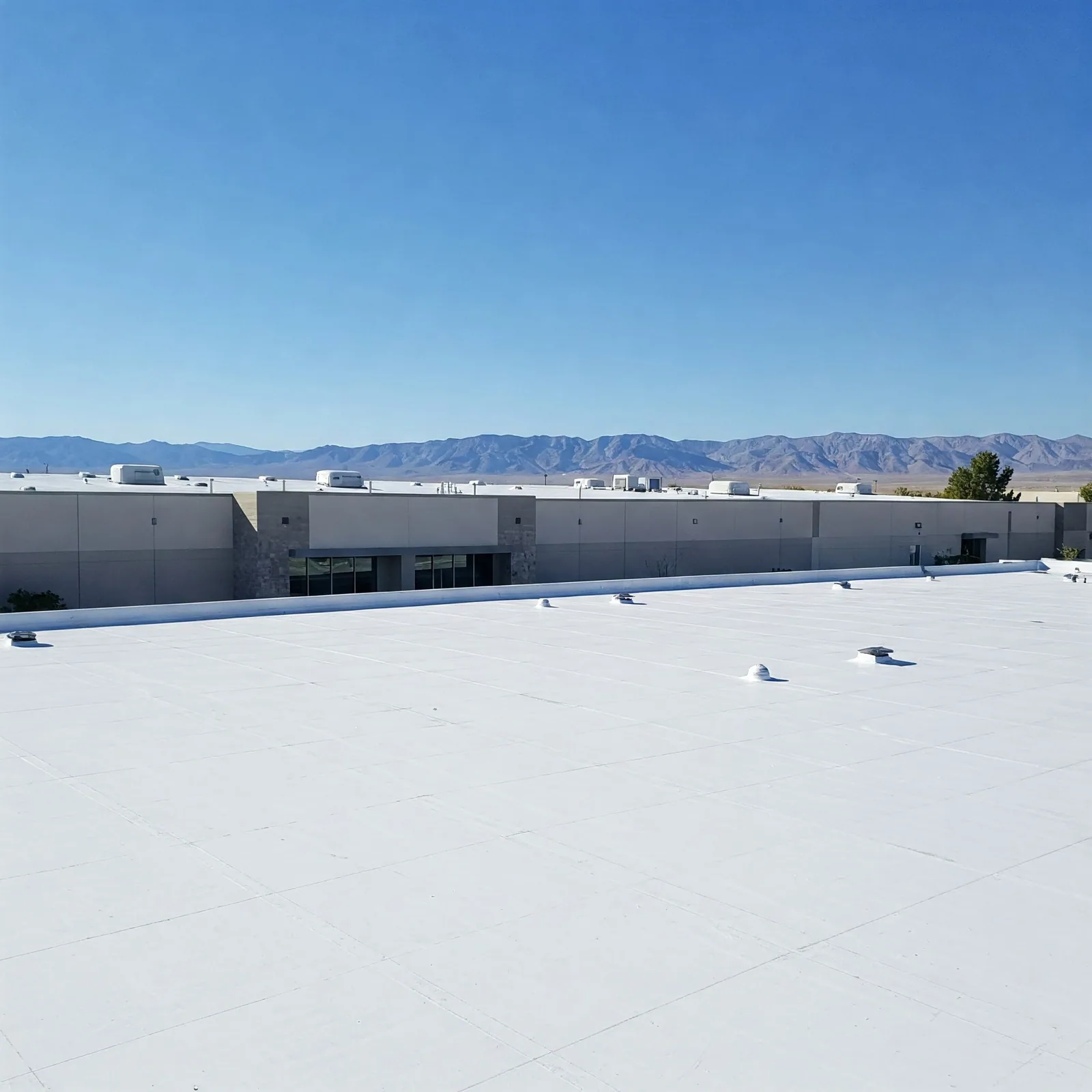
Plan for League City weather and site activity
The upper Texas coast has documented tropical-system exposure. On an existing built-up roof, aggregate surfacing can make it important to identify test locations before choosing a repair. We record the opened section, layers, and repair boundary before work proceeds. After a weather event, we document visible impact and separate temporary water control from permanent repairs.
League City Civic Center District is a planning concept along Walker Street. At a specific occupied building, the owner identifies public entry, deliveries, tenant access, and sensitive operations. A phased reroof plan can sequence removal and replacement to limit the open roof area, specify daily dry-in, and coordinate access notices. The schedule depends on the property, not on the district label.
Compare maintenance, recovery, and replacement
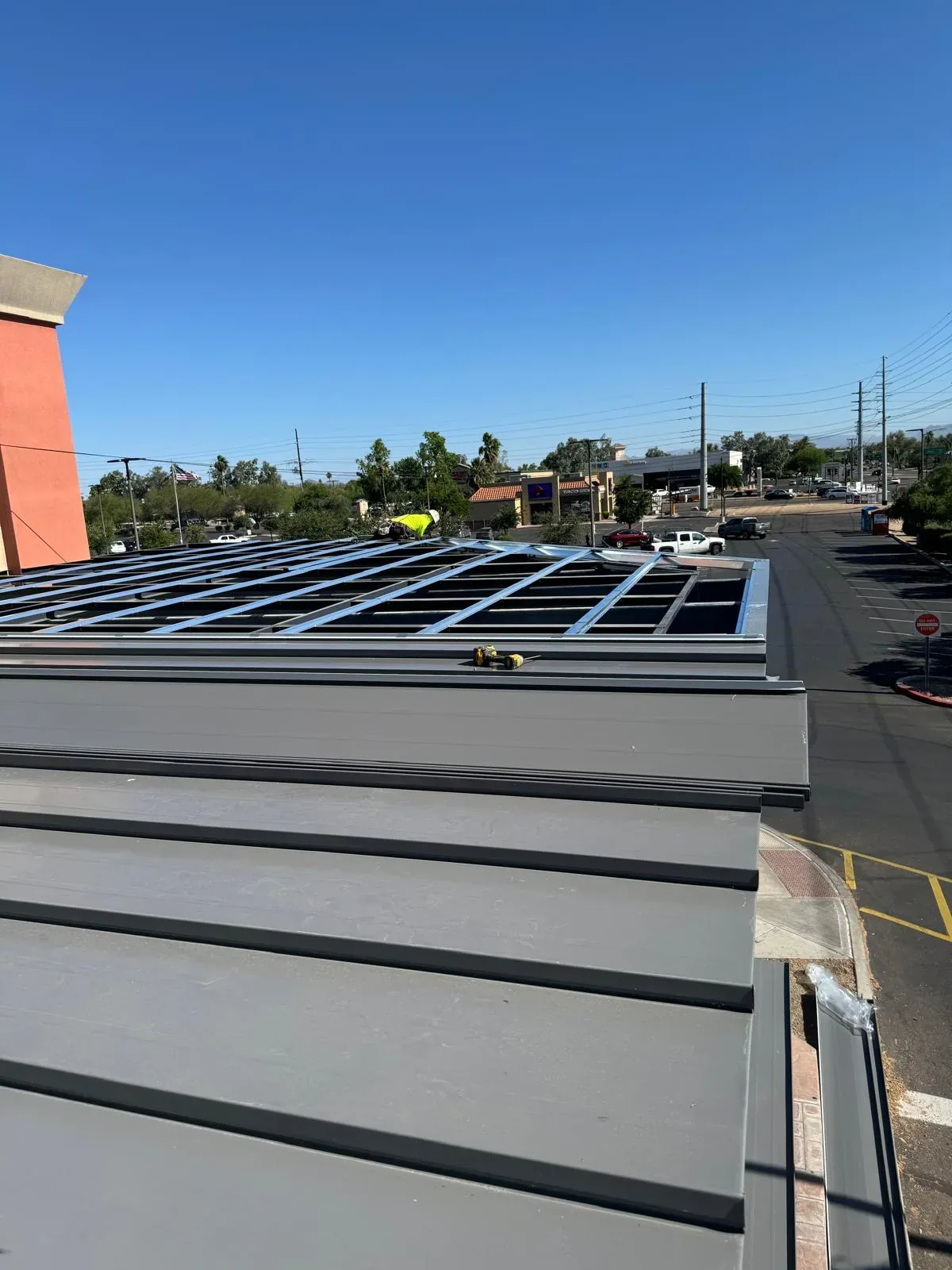
A localized repair can extend service when the surrounding assembly remains sound. Broad moisture, repeated leaks, separated plies, deteriorated insulation, or deck concerns may point to a larger project. A recover review examines existing layers, attachment, moisture, drainage, and load before adding a new system. Replacement planning should define tear-off, substrate repairs, insulation, new membrane, flashing, and debris handling as separate scope items.
For commercial work in League City, the design team checks the 2021 building and energy codes, ultimate design wind speed, and Texas Department of Insurance requirements against the proposed assembly. Project documents and review determine how those requirements apply to a roof alteration. The proposal identifies questions that need design or code confirmation rather than presenting them as settled. Measured quantities, allowances, testing, and possible concealed conditions stay visible, giving the owner a fair basis to compare alternatives.
Keep surface checks and project records current
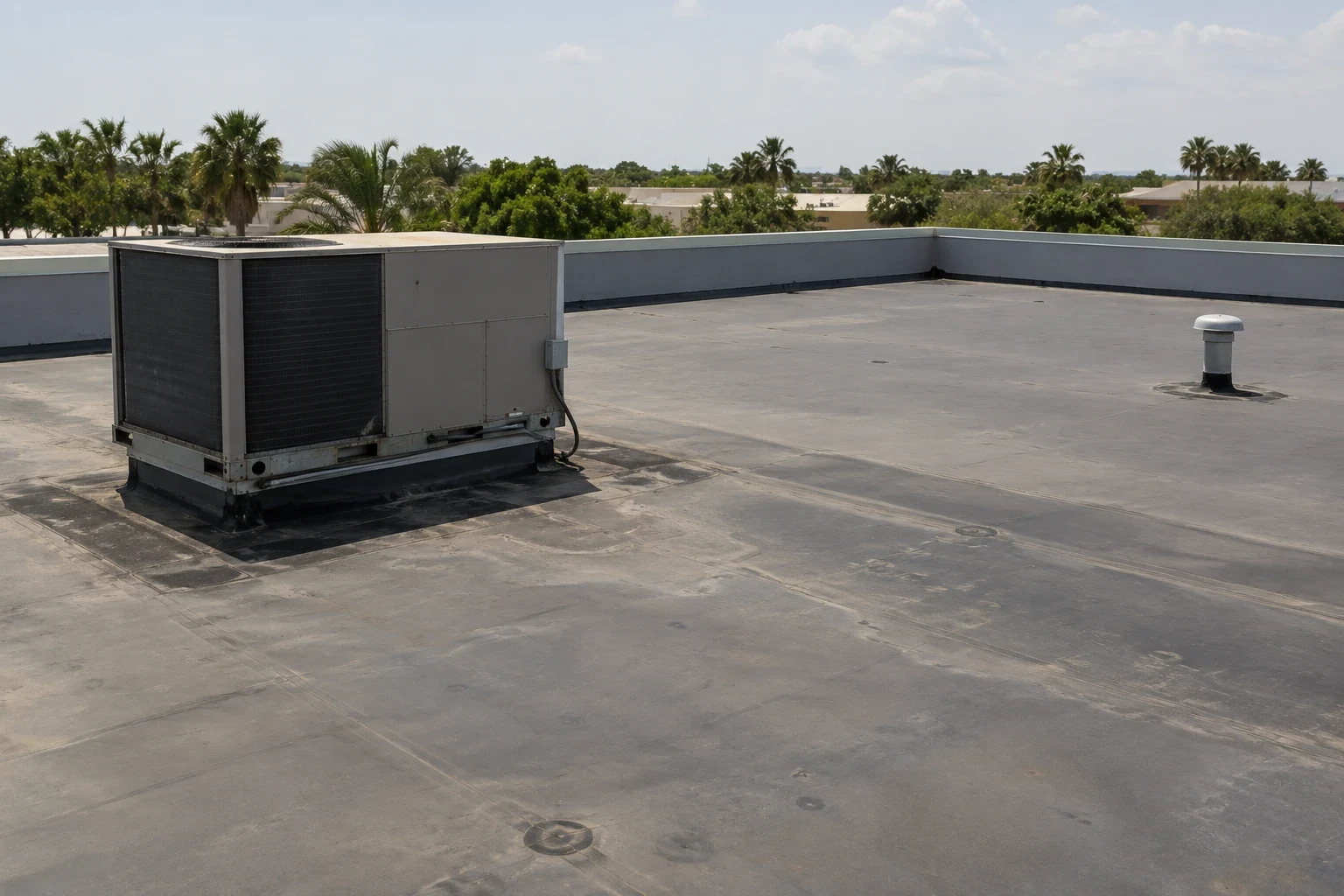
Maintenance records should include the roof plan, verified assembly details, repair locations, photos, and any manufacturer or warranty requirements. Staff can note changes in surfacing, new penetrations, debris, open flashing, or blocked drainage after routine access. A maintenance inspection can document those observations by zone and flag items that need follow-up. Roof access should follow site safety procedures and manufacturer limitations.
Price depends on access, height, layer count, surfacing, preparation, flashing complexity, removal, and disposal. We state the assumptions that affect the number and mark concealed conditions for approval before added work proceeds. Send the League City property address, roof drawings, repair history, photos, and leak locations. We will identify the assembly and return a scope that explains what is included, what is measured, and what needs further testing.
Frequently Asked Questions
How many layers does a built-up roof have?
The number varies by original design and later work. We verify records and accessible edges, then use selective testing if layer count affects the proposed scope.
Can you patch a gravel-surfaced built-up roof?
Yes, when the assembly and surrounding plies accept a compatible repair. The work description should state preparation, patch size, edge treatment, and any surfacing restored.
How is built-up roofing different from modified bitumen?
Built-up roofing is assembled from multiple plies with bitumen; modified bitumen commonly uses manufactured sheets. Field identification guides compatible repair materials.
Can a built-up roof be recovered?
Possibly. Layer count, attachment, moisture, deck, drainage, and project requirements need review before an added assembly is considered.
What can cause leaks on a built-up roof?
Open seams, flashing failures, punctures, surface deterioration, drainage problems, or concealed moisture may contribute. Inspection and targeted testing narrow the source.