Who We Are

About Commercial Roofing League City

League City, Texas
League
City
Texas
Our Story

Commercial Roofing
in League City

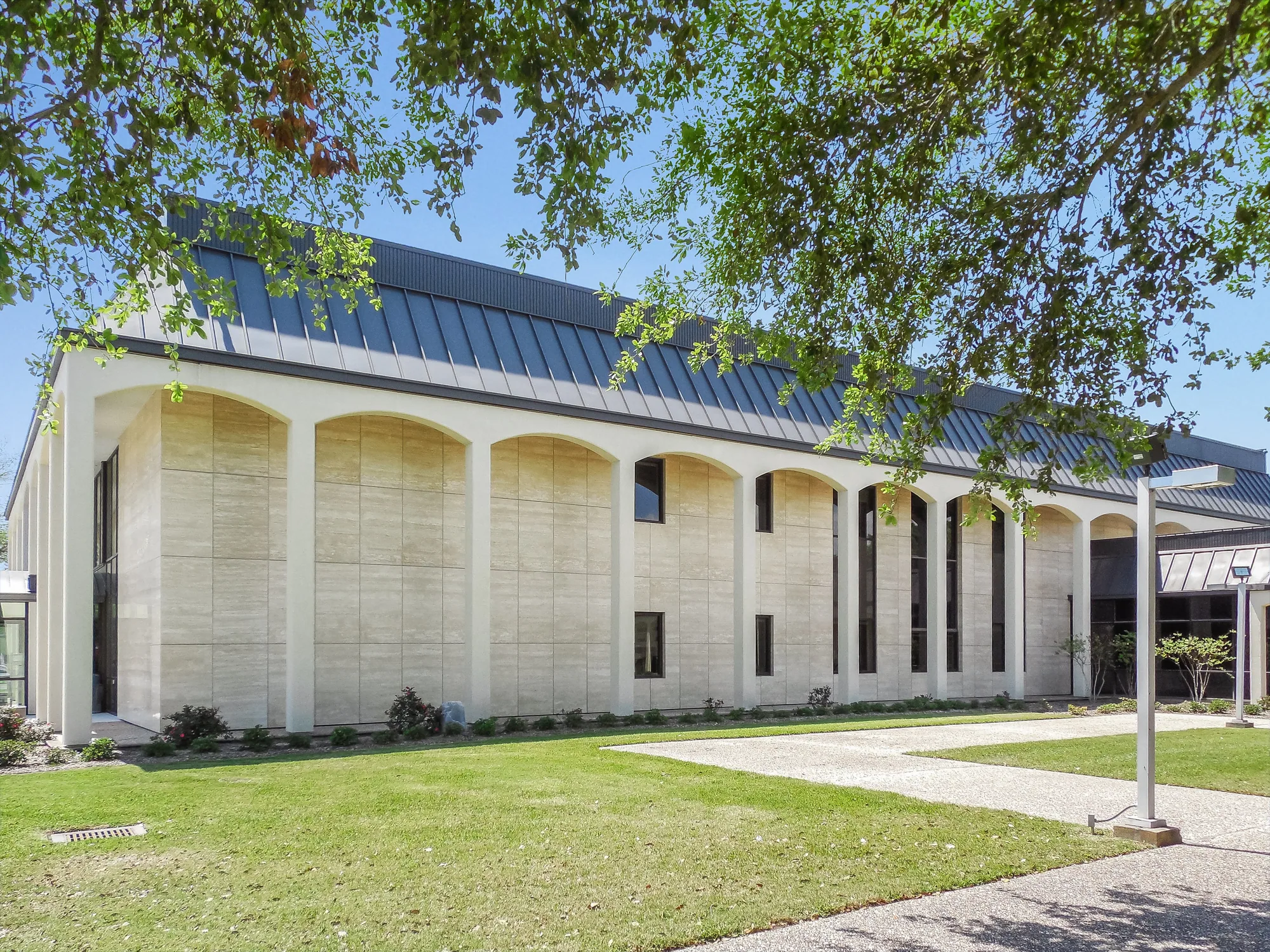
Commercial Roofing League City works with building owners, property managers, facility teams, and general contractors who need a clear roof decision. We repair, replace, recover, restore, coat, inspect, and maintain low-slope and metal commercial roofs. The work begins by identifying the property, roof system, access requirements, and reported concern. Then we document the areas reached, separate visible findings from concealed conditions, and define what can proceed within the authorized scope. A repair proposal should tell the owner what is included, what remains unknown, and which approval moves the work forward.

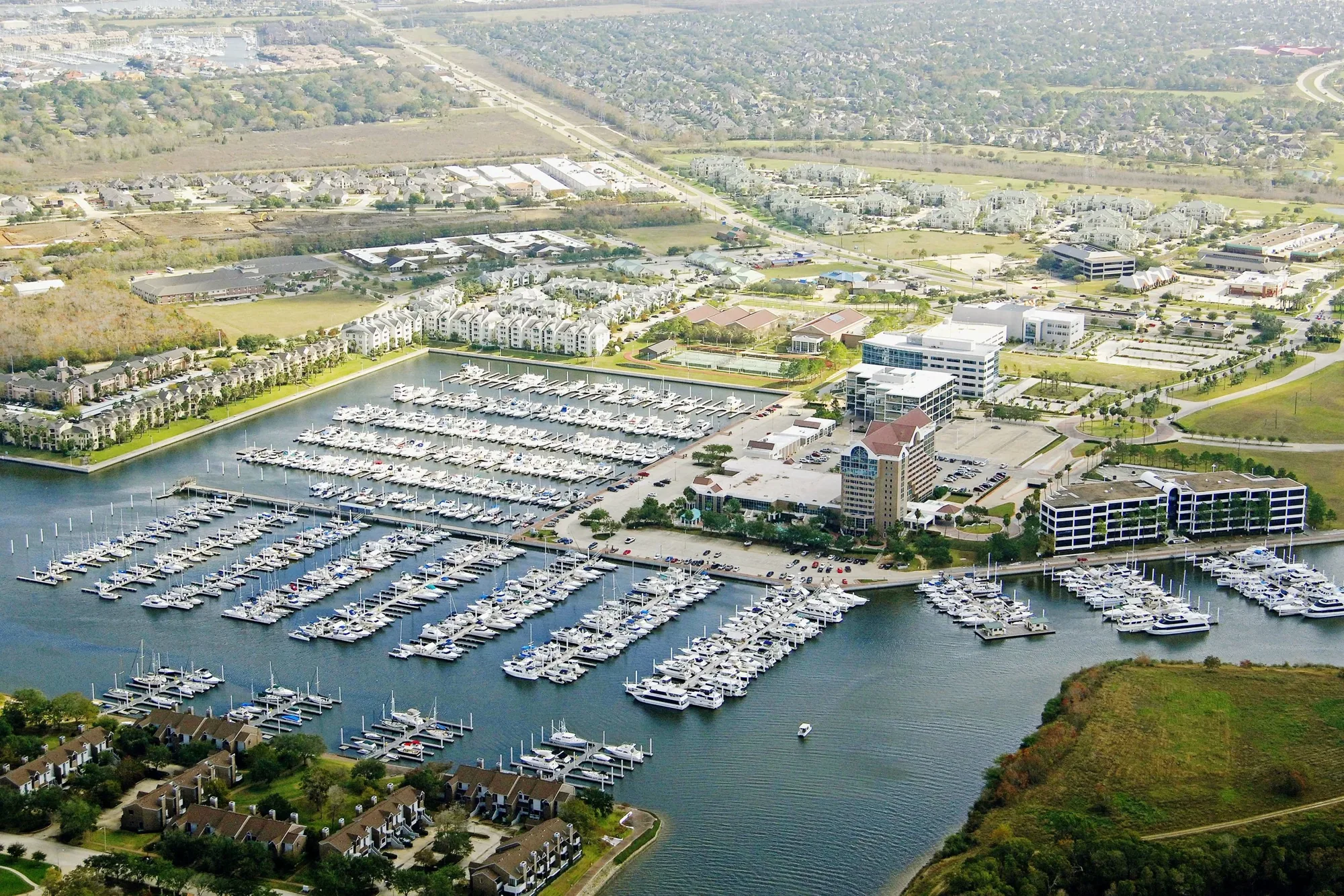
League City sits on the upper Texas coast along I-45 between Houston and Galveston. Local operations range across healthcare, education, retail, petrochemicals, public services, aerospace, and logistics. UTMB, Clear Creek ISD, H-E-B, and INEOS appear among the city's principal employers. Each organization has its own facilities and operating contacts. The service contact identifies the building, access limits, tenant or process requirements, and person authorized to approve testing or additional removal.
Leaks, flashing, seams
Tear-off and recover
Roof visits and reports
Silicone and acrylic
Scheduled roof care
And nearby communities
How We Work

Repair, inspect, and plan commercial roofs

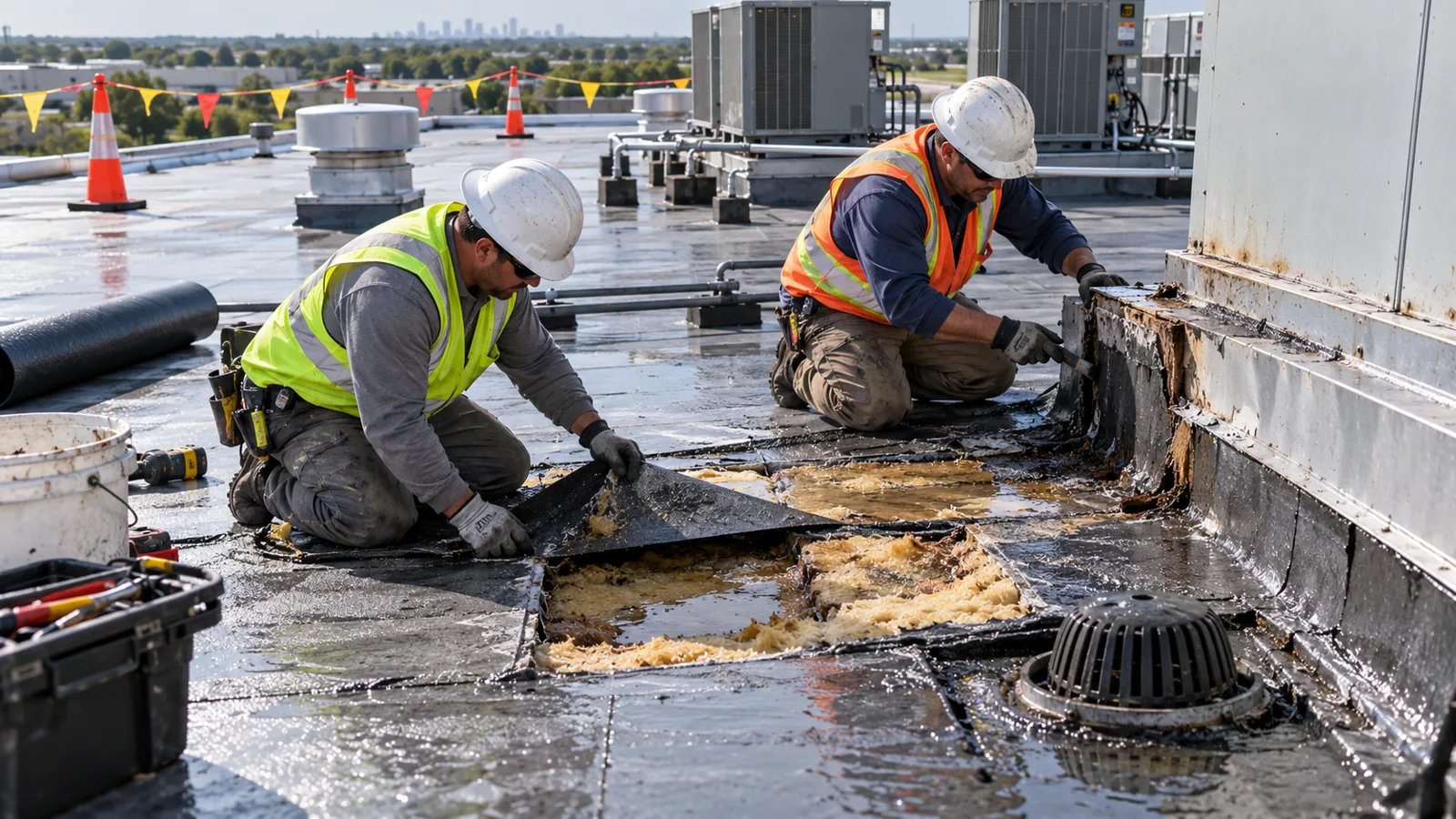
For an active leak, we assess safe access, locate the reported interior area, and inspect roof details that could explain the water path. A leak investigation records the room, timing, roof zone, and any test required before concealed insulation or deck is included in a repair quantity. If water is entering and protection is authorized, temporary stabilization is kept distinct from permanent correction. The report states its limits and return point so an overnight measure is not mistaken for a completed repair.

For broader service, a commercial roof inspection records accessible membranes or panels, seams, drains, curbs, penetrations, edge details, prior patches, and uninspected areas. Drone and infrared methods may assist where access and conditions support them; neither makes an unseen layer certain without verification. Owners considering larger work can compare replacement, recover, restoration, and coating options after reviewing the assembly and substrate. A measured scope identifies preparation, material, tie-in, roof area, access, staging, disposal, protection below, and approval items.

Set scope before the crew opens the roof

Before mobilization, we confirm the address, site contact, work window, access route, material staging, lift placement, debris path, and any areas below that need protection. For occupied buildings, the owner identifies tenant paths, deliveries, equipment service, patient or staff routes, and restrictions. A phased sequence names each roof zone, the maximum exposed area, temporary protection, dry-in check, and the person who releases the next phase. Those details keep roofing work coordinated with the property instead of leaving site decisions until a crew is on the roof.

If the inspection suggests moisture, damaged deck, attachment concerns, or a different roof assembly than the plans show, we document the discrepancy and identify the proposed test. The opening location, restoration method, and approving contact are stated before added removal. Work stops at the authorized boundary while the owner reviews the evidence and decides whether the scope should change. This preserves a difference between a visible repair quantity and a test-dependent allowance. A closeout file then records installed materials, photographs, approvals, excluded work, and any follow-up due.

Storm damage on a commercial roof
Local Conditions

Work with League City's weather and property mix

League City's weather history includes tropical systems such as Ike and Harvey, along with a severe hail, wind, and tornado event in 2004. After a reported event, we inspect the property, note the date and roof areas reached, and document seams, edges, drainage, and visible impacts by roof zone.

Facility work across the area can involve the UTMB League City campus, retail near Victory Lakes Town Center and FM 646, office and business parks in Webster, and industrial operations connected to the Texas City port. Each setting brings its own access and schedule. A medical contact may set escort and clinical-area controls; a shopping center operator may coordinate public paths and deliveries; an industrial facility may require process or safety approvals. The building owner defines those requirements. We document them with the work plan rather than assuming them from the name of a campus, district, or tenant.

After the Work

Make records useful after the repair

The condition record is built for the next decision as well as the current one. It identifies the building, inspection date, roof zones, photographs, materials, repair limits, approvals, and unresolved questions. A photo-supported condition report can set a baseline. Roof asset management can retain service history across multiple properties, while capital planning can organize testing, repairs, and larger work by budget stage. Those tools use consistent categories without treating roofs as identical.

Warranty and maintenance records remain tied to the actual assembly and documents supplied for the property. The owner or authorized contracting party confirms the governing warranty terms and approval requirements. A warranty file can organize notice dates, inspections, and repair records. A maintenance program can then track drains, seams, flashing, and earlier repairs at an agreed interval. If a repair needs a test, the file states what was tested, what was restored, and what the result changes in the scope.

Bring the building details to the first visit

To plan a service call, send the property address, roof concern, interior location and timing, access window, available drawings, previous repairs, and any operating or safety restrictions. If the request covers more than one building, list each address and the contact who can approve access. We will confirm whether the next step is emergency protection, leak tracing, inspection, maintenance, or a capital review. The proposal will identify confirmed quantities and keep concealed-condition work separate until the owner approves it.

For a property near the I-45/FM 646 retail area, a Clear Lake medical facility, or the Texas City industrial channel, we confirm access and operating limits with the site representative. The inspection record ties findings and work limits to the building address. Our aim is a useful record: what we saw, where we worked, what changed, what still needs testing, and who owns the next action.

League City, Texas
Questions

Frequently Asked Questions

What kinds of commercial roofs do you service?

We repair and maintain low-slope and metal commercial systems, including TPO, PVC, EPDM, KEE, modified bitumen, built-up, standing seam, retrofit metal, spray foam, and coating assemblies. We verify the installed system before specifying compatible material.

Can you inspect an occupied building without interrupting operations?

The property contact sets routes, work hours, escorts, equipment access, tenant notices, and protection below. We plan a roof-zone sequence with a daily exposure limit and dry-in check.

How do you handle concealed damage in a repair estimate?

We identify the proposed test opening and restoration method, then keep additional removal separate until the owner approves the test and reviews what it shows.

What do you need to prepare an initial roof scope?

Send the address, reported symptom and timing, available roof plans, access window, prior repair records, and operating restrictions. We will identify what the first visit can confirm and which approval may be needed next.

Talk through a commercial roof decision

Share the property address, roof concern, access window, drawings, and repair history. We will identify the appropriate first step and make the scope boundary clear.

Request a Roof Assessment
ServicesRoof SystemsIndustriesProperty TypesService AreasDamage RepairCapabilitiesManufacturersContactAboutRequest a Roof Assessment555-555-5555
Call555-555-5555