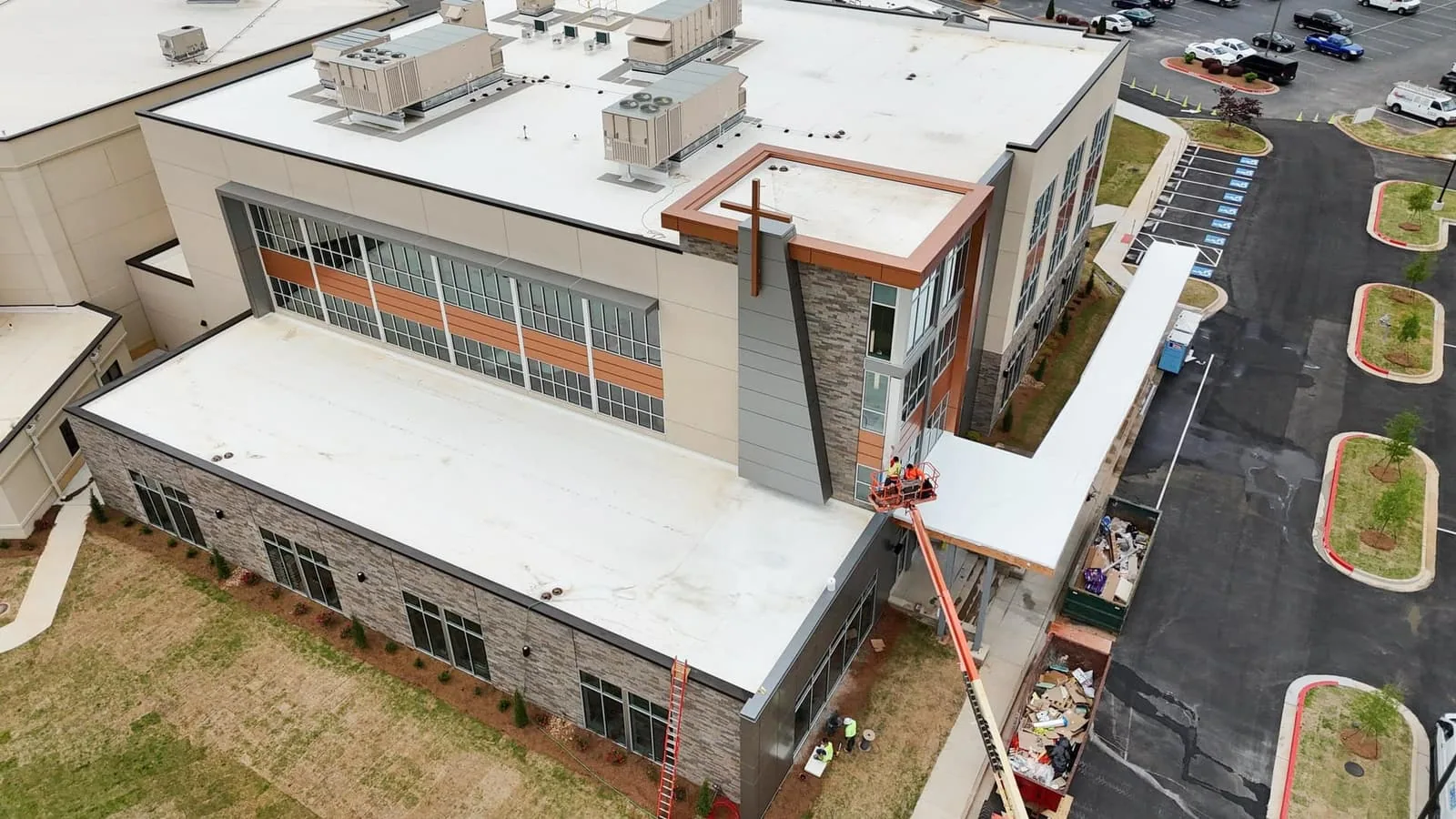
A manufacturer's name does not resolve whether a product fits an existing roof. We confirm the assembly, substrate, drainage, attachment, detail conditions, and owner specification before preparing a repair or installation scope. Commercial Roofing League City works with common single-ply, modified bitumen, metal, and coating systems and describes the proposed materials, preparation, and tie-in. Product selection follows the verified roof and approved documents, not an assumption about what a building should have.
Review GAF commercial roof options for League City properties through assembly, drainage, wind design, access, and project requirements.
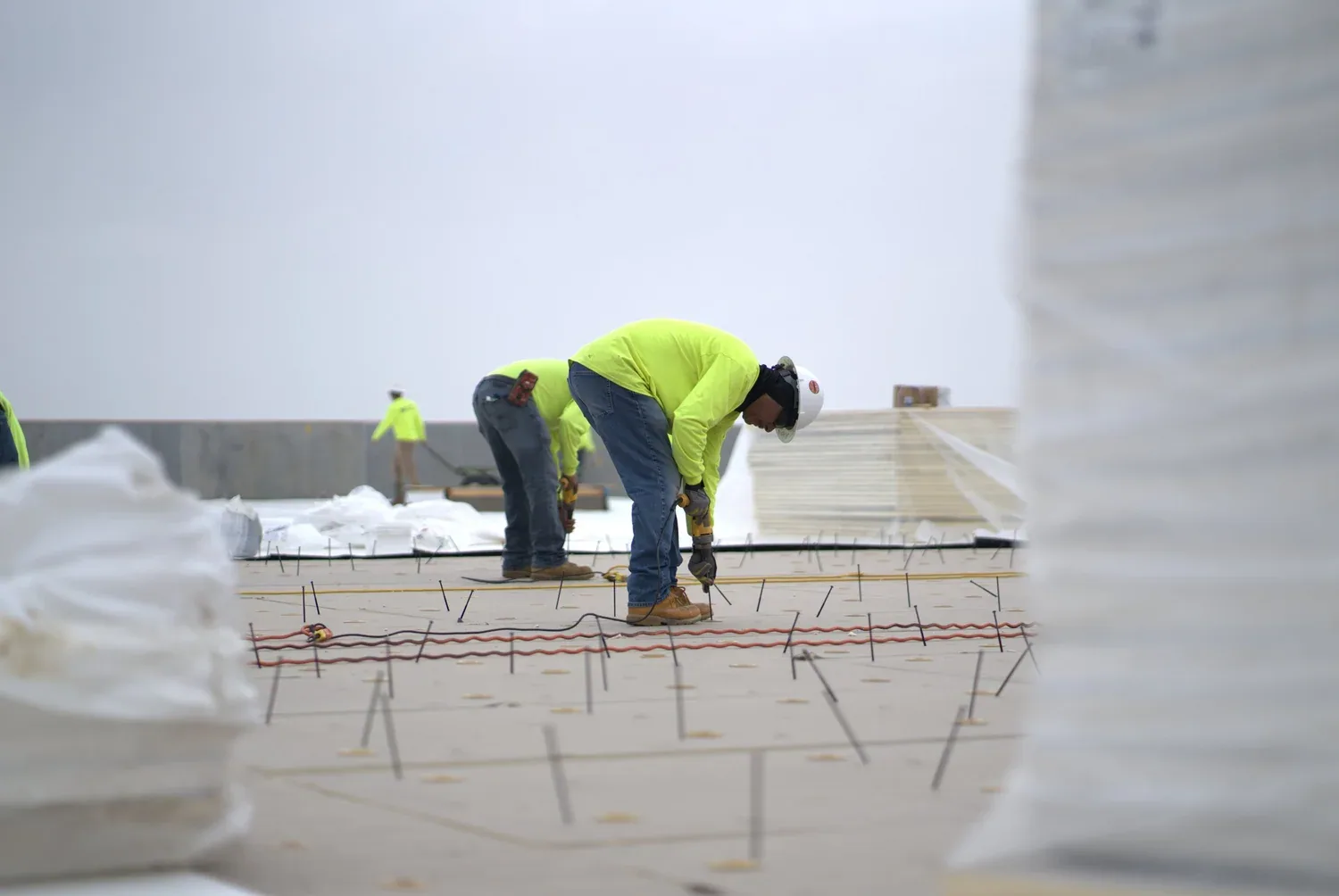
Review Carlisle SynTec roof options for League City using assembly, drainage, access, specifications, and documented site conditions.
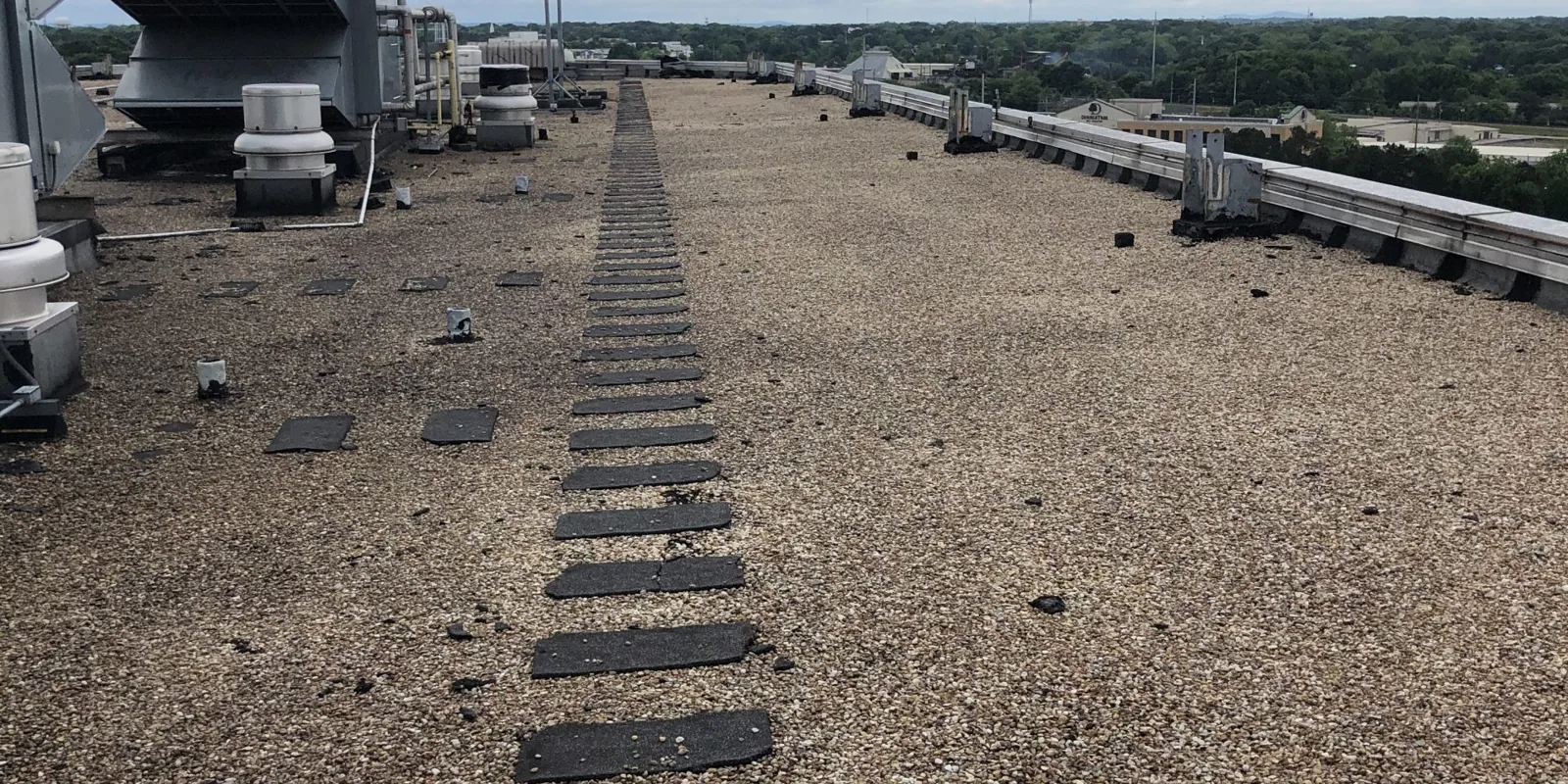
Evaluate Johns Manville commercial roofing options in League City through field verification, system details, repair limits, and project-specific approvals.
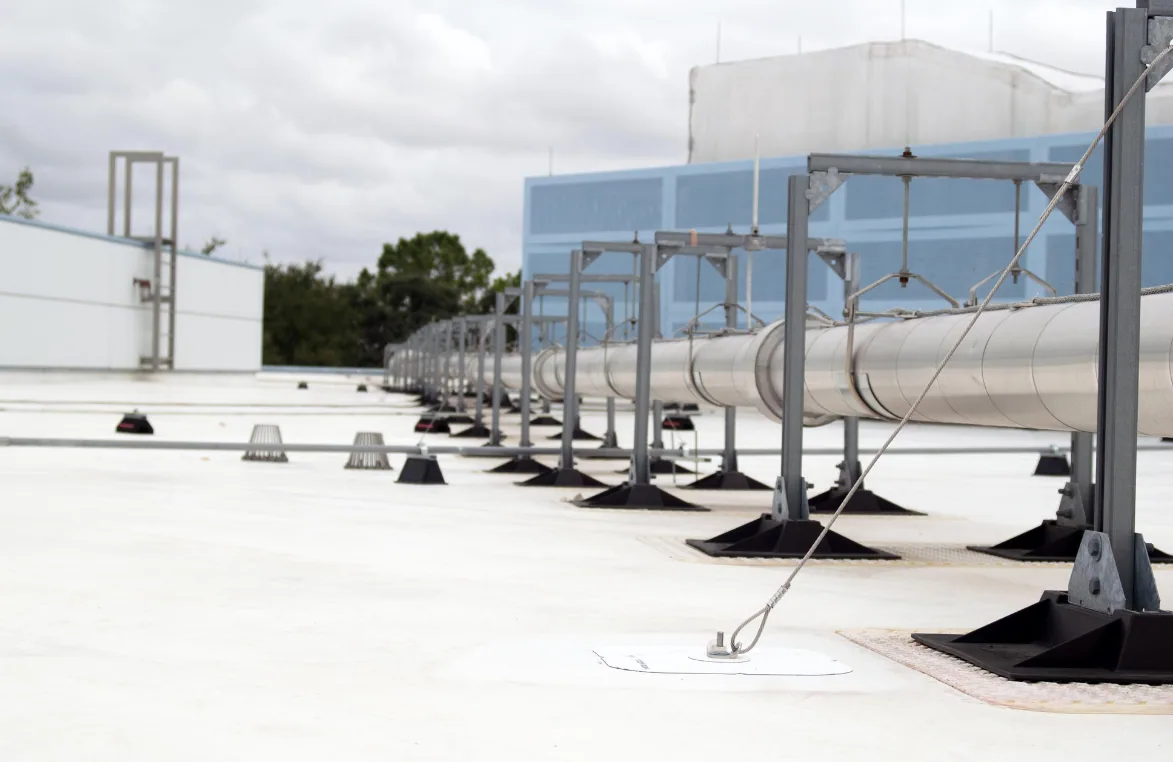
Assess Holcim Elevate commercial roofing options in League City with an assembly review, documented details, and a clear repair or replacement sequence.
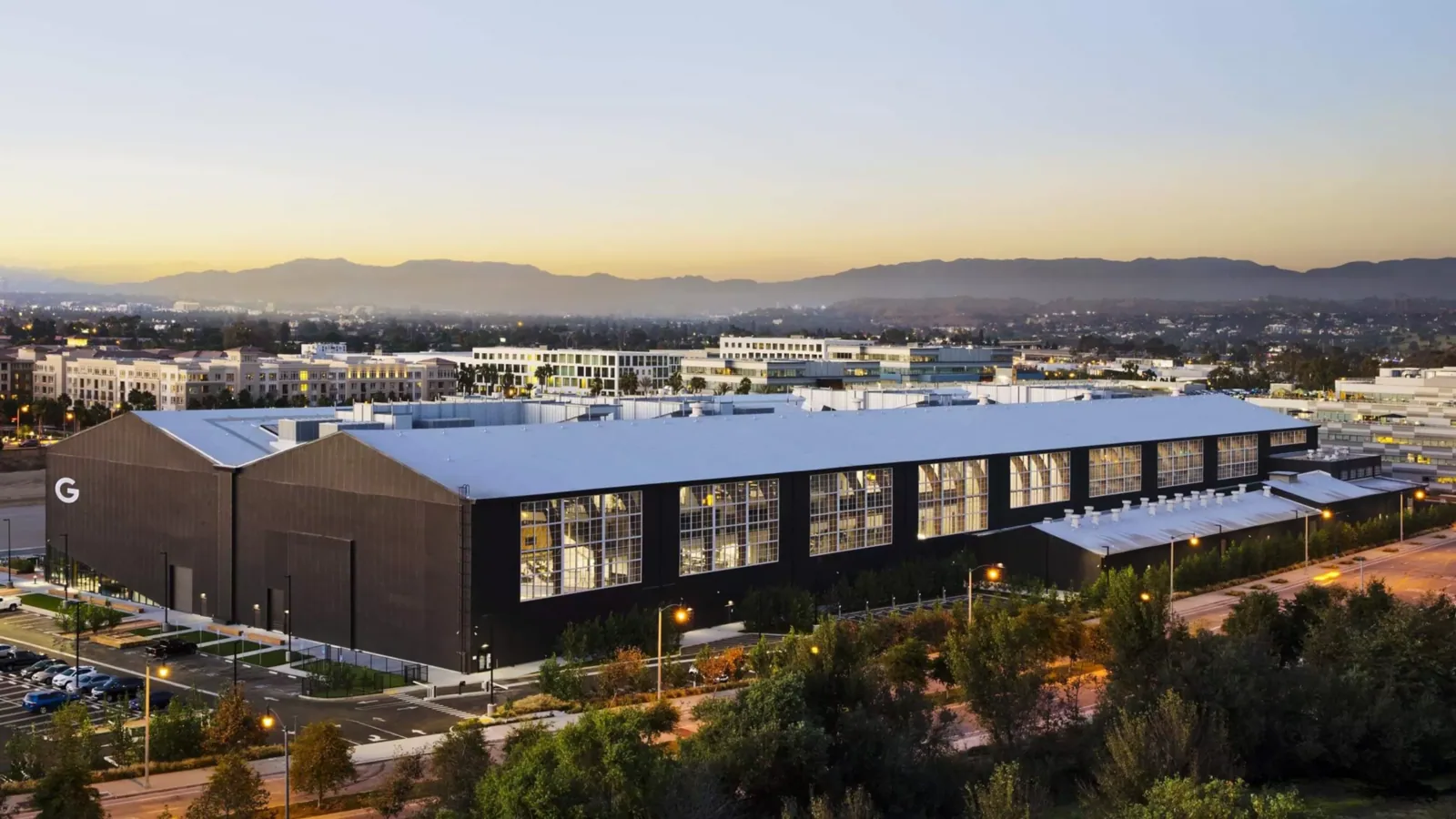
Review Sika Sarnafil commercial roofing options for League City buildings with a site-specific inspection, detail review, and documented approval sequence.
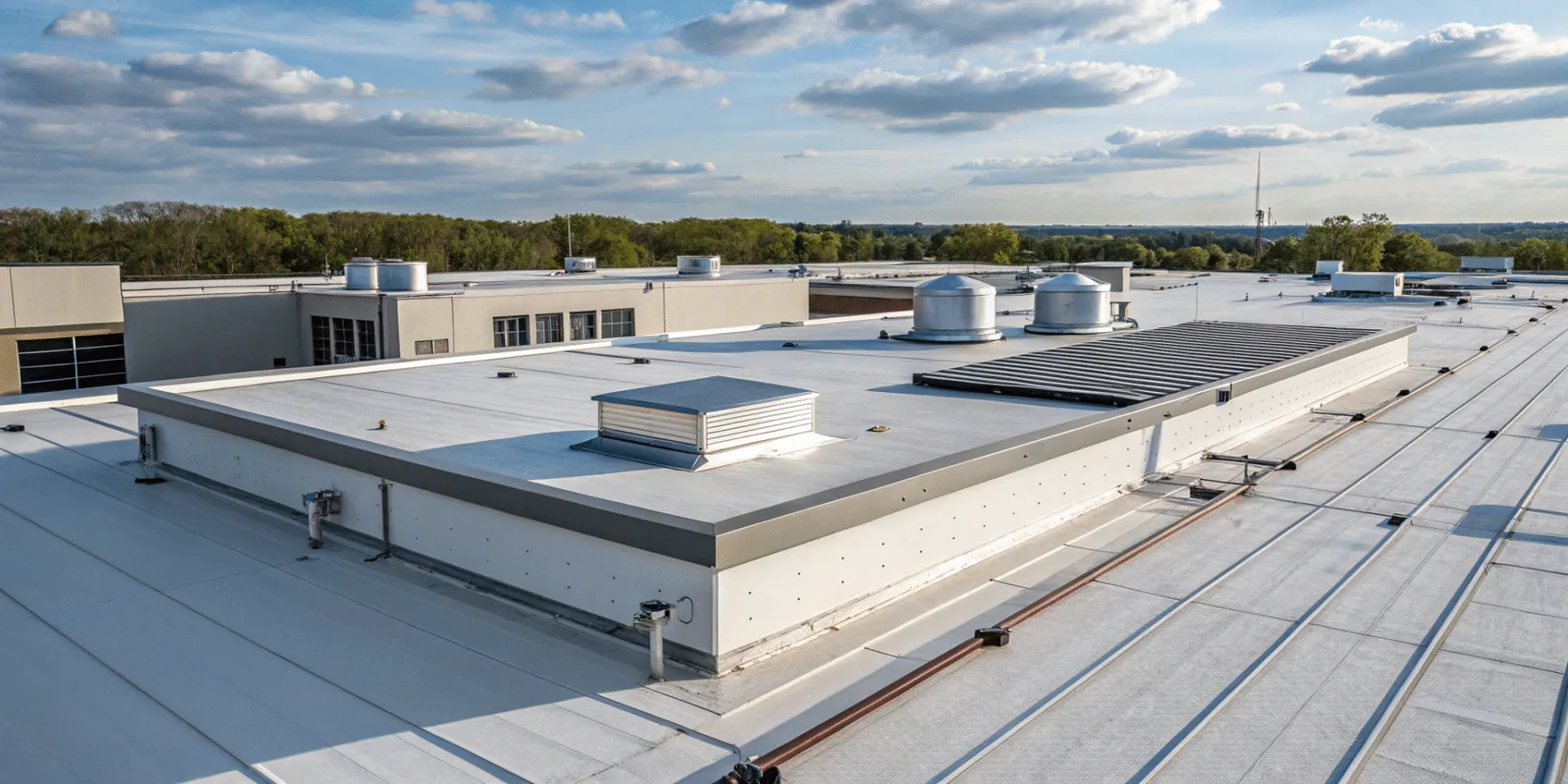
Assess Versico commercial roofing options for League City buildings with verified roof conditions, installation details, and a clear work sequence.
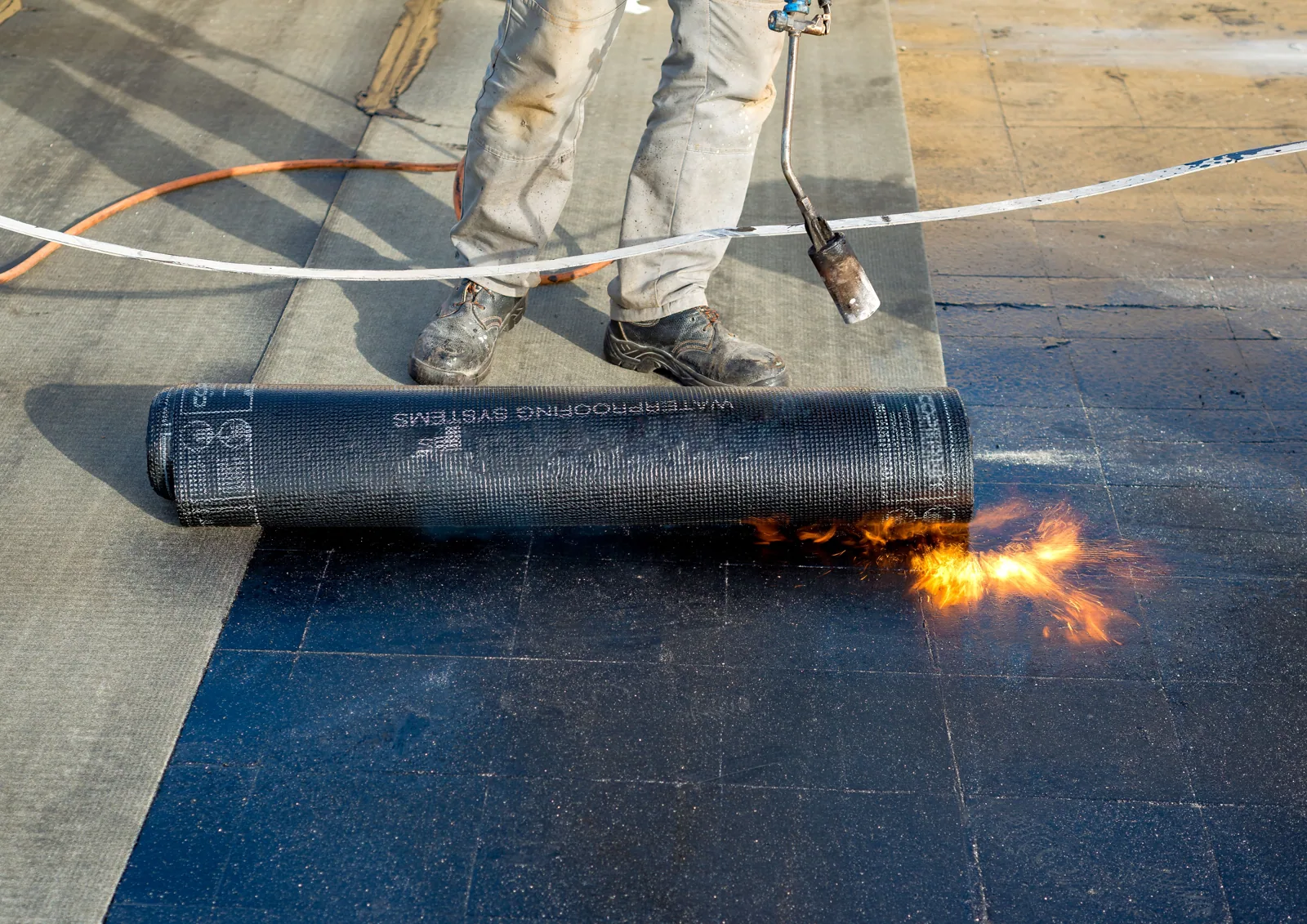
Review Soprema commercial roof options for League City buildings using verified assembly details, drainage conditions, material compatibility, and approvals.
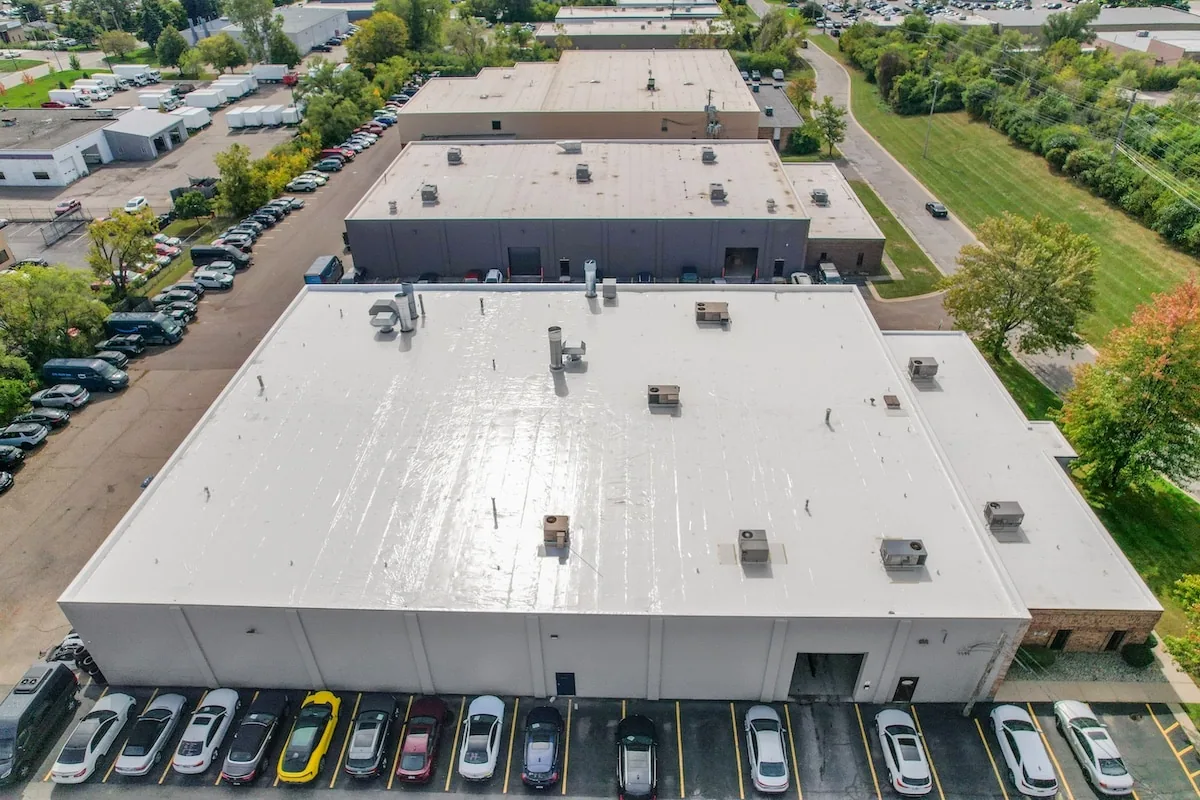
Review Duro-Last commercial roofing options for League City buildings through roof measurement, assembly checks, site logistics, and warranty requirements.
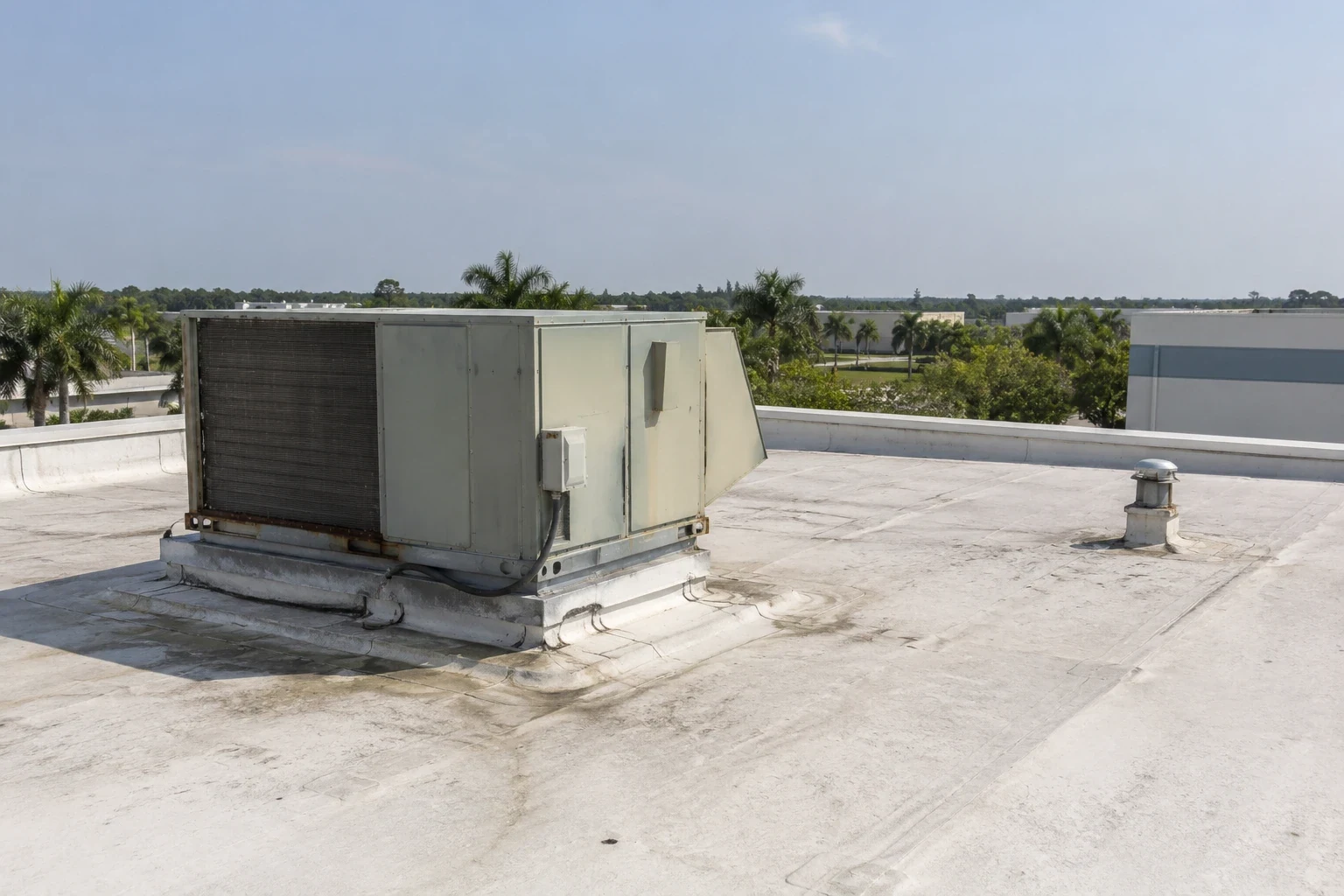
For a new or replacement project, we compare the specified system with field dimensions, deck, insulation, slope, curbs, edges, and penetrations. A GAF, Carlisle SynTec, Johns Manville, or Holcim Elevate assembly is specified against field dimensions, deck, insulation, slope, curbs, edges, and penetrations. Project documents identify the installed system and any applicable authorization, certification, or warranty terms.
A membrane repair using Sika Sarnafil, Versico, Soprema, or Duro-Last material follows the installed system's compatibility, preparation, and tie-in requirements. The appropriate product depends on confirmed materials, compatibility, preparation, and the repair limits. Where the existing roof cannot be identified, we mark that as a verification step before recommending a product-specific patch.
Submittals should identify membrane or panel, insulation, cover board, attachment, perimeter details, flashing accessories, and approved substitutions. Curbs, drains, walls, and equipment support details need coordination before they are covered. If a field condition differs from the drawing, the project team records the location and obtains the responsible design approval before changing the assembly. League City's adopted 2021 commercial building and energy codes apply through the project-specific review by the design professional and authority.
A facility near I-45 and FM 646 may have different access and staging requirements from an industrial site along the Texas City port channel. We verify delivery, material storage, work hours, and protection below for the actual property. The manufacturer's installation instructions and project specifications inform the work, while site conditions determine the allowed sequence and inspection points.
A repair estimate names preparation, compatible material, tie-in, quantity, and exclusions. A replacement scope states removal, substrate assumptions, insulation, edges, penetrations, staging, and inspection milestones. If moisture or deck condition is concealed, testing remains a separate approval. Warranty scope follows the governing manufacturer documents, executed agreement, and project requirements. The owner or contracting party confirms notice, inspection, and repair provisions with the responsible contact.
League City has documented tropical storms including Ike, Harvey, and Beryl. After a reported weather event, we inspect the installed assembly and record any visible product or attachment issue by roof zone. We record the date, roof area, visible details, and any test needed to separate weather-related observations from prior condition.
Closeout should include the installed materials, approved submittals, repair locations, photographs, maintenance notes, and warranty documents supplied for the project. That record can help later crews identify compatible components and preserve the service history. Send the address, current system records, roof concern, project specification, and access window to review a manufacturer's system in context.
No. We verify the assembly from available records and field details. Product recommendations wait until the substrate, system, and compatibility are understood.
We describe the work and materials supported by the project documents. Project documents identify any manufacturer authorization or certification that applies to the specified system.
A substitution needs compatibility review and approval from the responsible design or contracting party. We identify the assembly and detail affected before proposing a change.
Retain approved submittals, installed product information, photographs, tested areas, maintenance directions, and any warranty documents supplied for the project.
Share the property address, existing roof documents, project specification, and work goal. We will verify the assembly and identify the material and approval items that apply.