Public Agencies
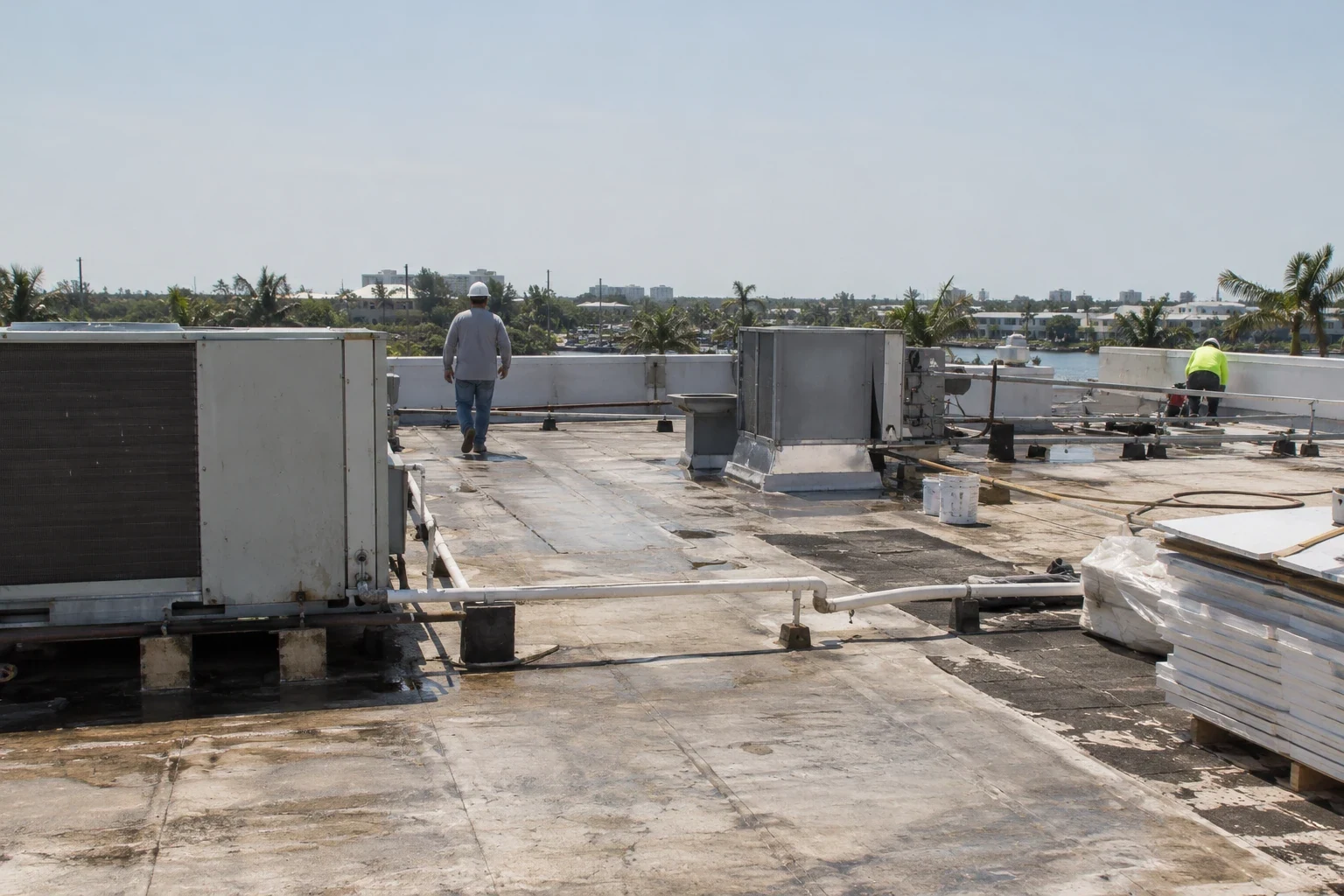
A public roof scope must show what the agency is buying, which quantities are confirmed, and who approves a change after work begins. In League City, the civic area includes City Hall, Helen Hall Library, municipal court, and Johnnie Arolfo Civic Center along Walker Street and nearby blocks. Each facility has its own access and operating needs. We document roof conditions by building, define the repair boundary, and make testing or concealed removal visible before the agency routes a proposal for review.
Create a file that supports public review
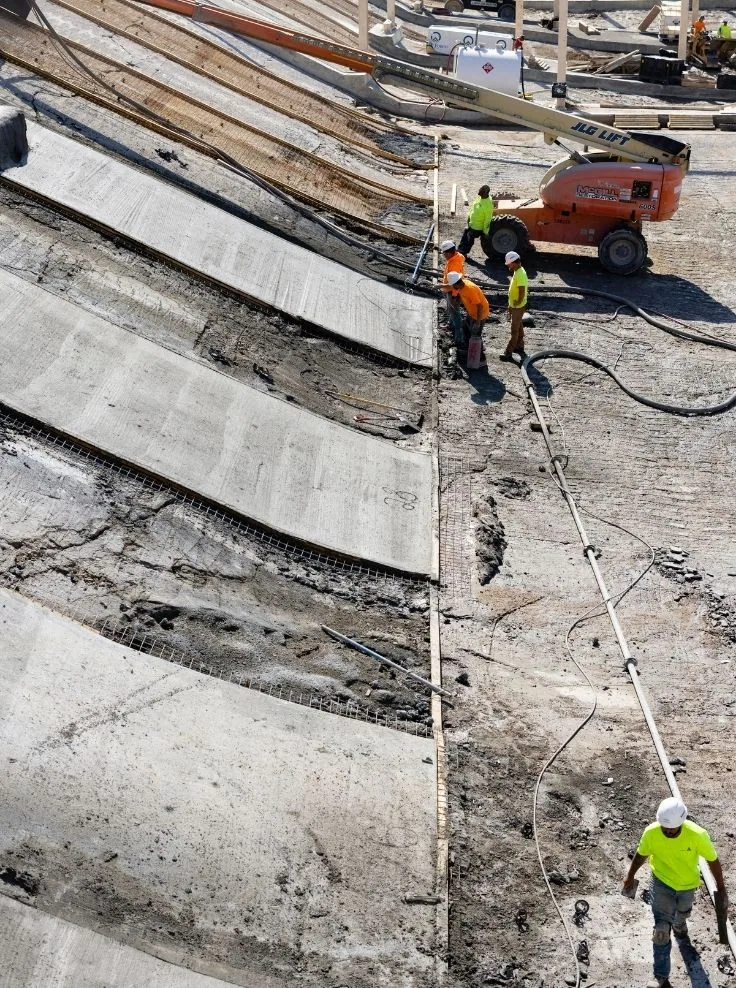
The initial package can include roof plans, inspection photographs, marked work areas, observed defects, test limitations, and a list of approvals still needed. The scope distinguishes measured work from allowances, so reviewers can see which amount could change after a roof opening. A photo-based condition report provides a record for facilities, finance, and procurement staff without implying that every part of a campus was tested.For each facility, the reviewer should be able to identify the approved scope version and match it to photographs taken before and after the work.
For public roofing work, the design team checks adopted codes and ultimate design wind speed against the facility, proposed assembly, and procurement requirements. The responsible designer and agency confirm which requirements apply to each facility and procurement. We describe observed roof conditions and proposed work, then provide product and installation information for the designated review path. A roof due-diligence report can identify missing plans or unresolved conditions before a public project is bid.
Before bidding, facilities staff can confirm whether drawings match the roof currently on the building and whether past repairs changed any details. We identify missing records as open questions rather than filling them with assumptions. This lets the agency decide whether a pre-bid test opening, design review, or a defined concealed-condition allowance is the better next step.
Public records also need a clear closeout trail. We can organize dated photographs, material information, repair limits, daily access notes, and authorizations for added work. If a field condition changes the scope, the crew documents the location and waits for written direction from the agency's authorized contact before proceeding outside the approved boundary.
Plan access around public use
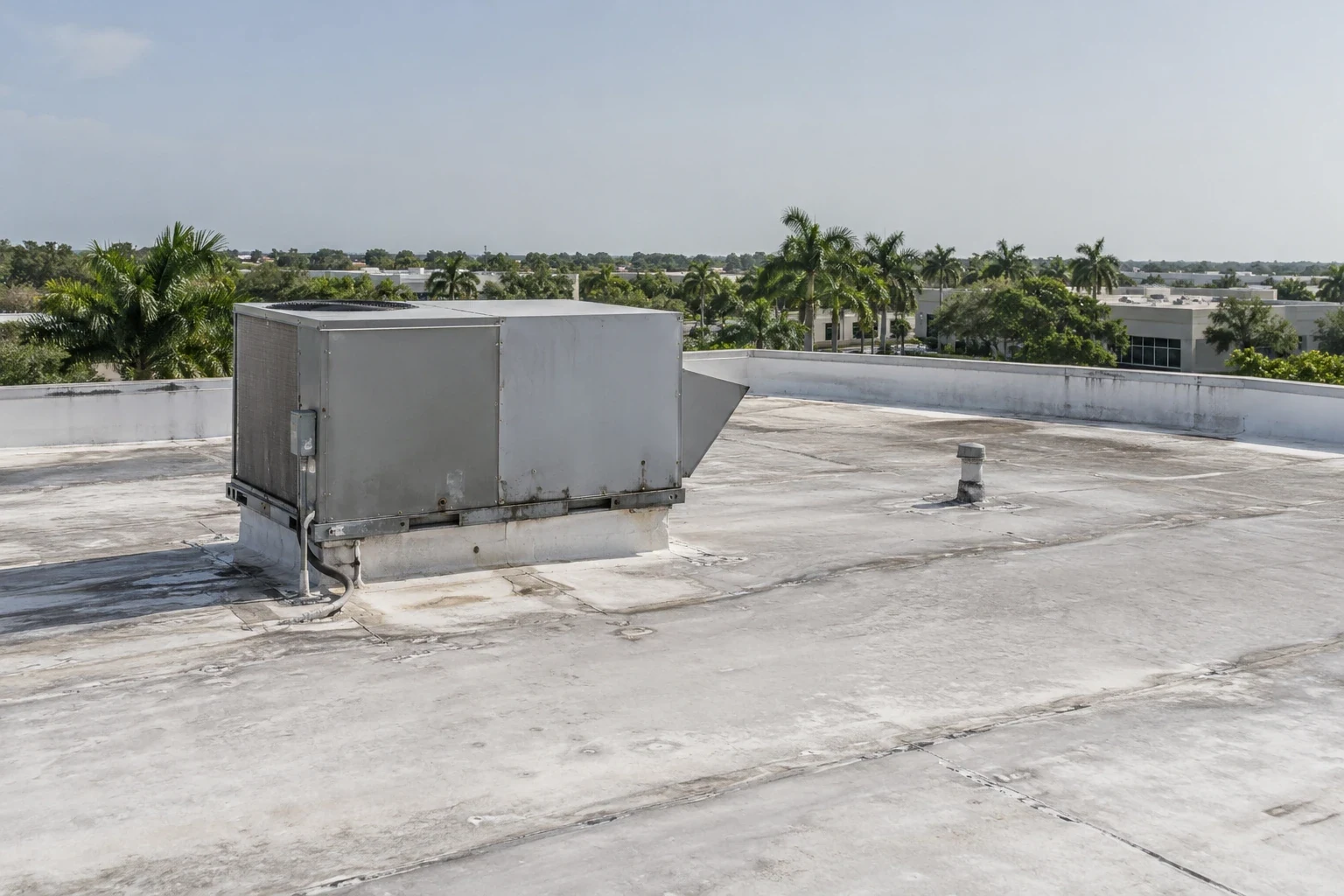
Libraries, courts, offices, community centers, and service facilities often remain open during roof work. The building contact sets public entrances, security procedures, hours, event dates, accessible routes, and vehicle staging. We note which spaces sit below each work zone and whether an interior closure or alternate entry is required. A phased public-building work plan can separate noisy or disruptive tasks from normal public hours and define the daily dry-in check.
The Walker Street civic area contains several public buildings and meeting uses. A League City civic-center roof inspection concerns a specific facility and schedule, not every city property. For district buildings, the agency identifies a separate facility contact and approval path. A school-district roof scope may require student safety and campus-calendar controls, while municipal facilities have their own event and public-service limits.
League City sits on I-45, with FM 518, FM 646, and State Highway 3 serving other commercial routes. Those roads help plan deliveries, but the property manager confirms gate access, loading, parking, and debris removal. We include traffic and staging constraints in the schedule so the agency can evaluate work impact before issuing notice to proceed.
Define what the inspection can establish
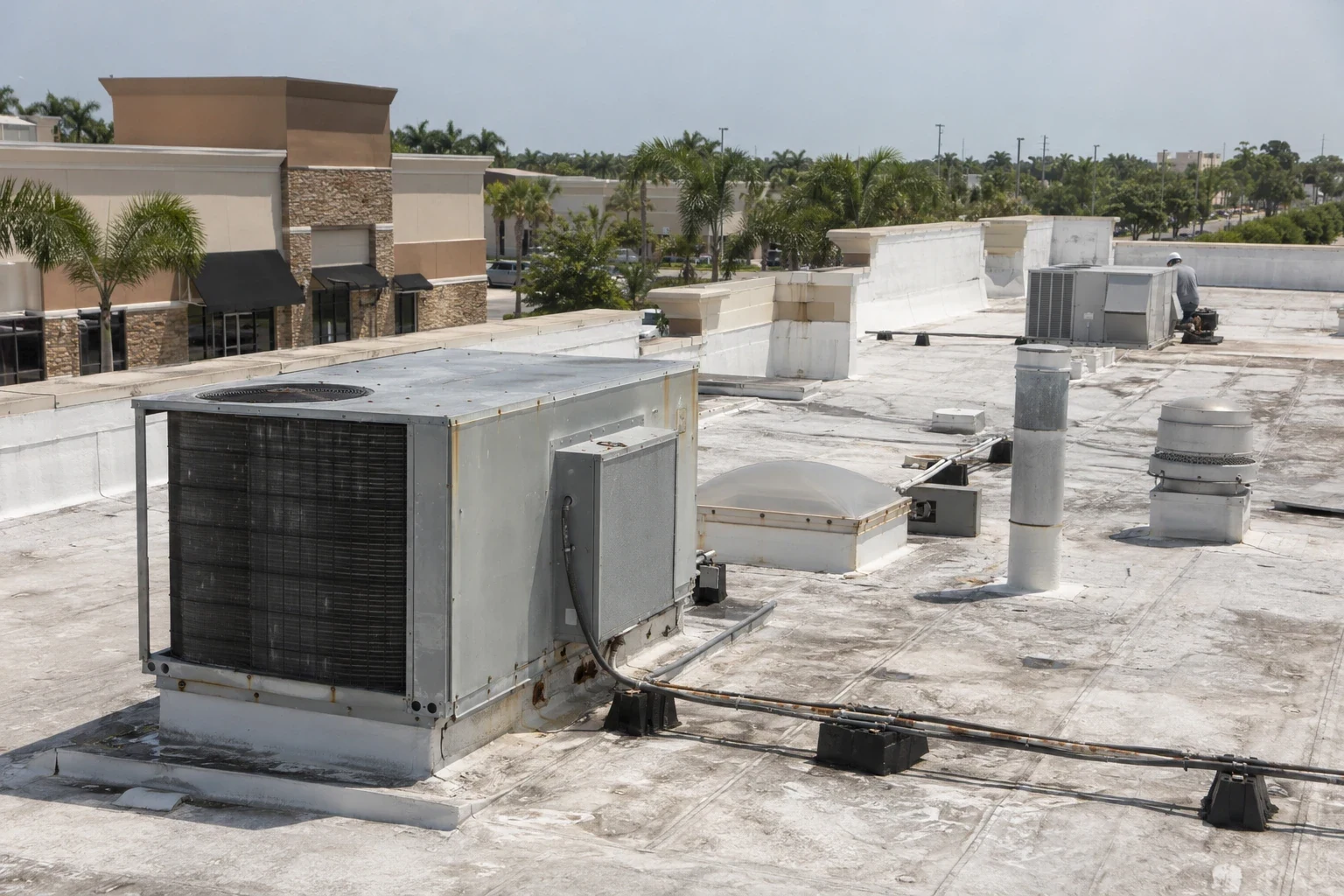
We trace reported leaks to nearby drains, seams, penetrations, curbs, and perimeter details. The inspection records what can be seen safely and identifies roof areas that require testing. Moisture readings or infrared patterns may point toward a selective opening, but neither alone determines the extent of wet insulation. A commercial roof inspection can mark the test area and explain what remains unknown until the agency approves further work.
After severe weather, public works can prioritize inspection of building edges, seams, penetrations, and drainage. The inspection records the event date supplied by the agency, current conditions at the facility, and any test needed to confirm concealed material. We inspect for displaced edge metal, opened seams, punctures, flashing changes, and drainage obstruction, then record findings at that address.
Where a roof is difficult to reach, a drone image can supplement field observation if site rules permit it. The report states where a closer inspection was not possible and what permission or equipment would be needed. That limit matters in public bidding because an inaccessible area should not be counted as a measured repair until a defined verification step occurs.
Choose repair or renewal by evidence
A localized defect can be repaired when surrounding material remains compatible and well-attached. Broad wet insulation, repeated leaks, failed attachment, corrosion, or drainage problems can point to broader work. We separate active leak control from permanent correction, and list concealed removal as an approval-dependent quantity. A defined commercial repair can be bid as a contained scope when the evidence supports that boundary.
A recover or coating proposal requires review of layers, moisture, attachment, deck, drainage, and tie-ins. A recover assessment can compare those conditions with full tear-off and replacement. The estimate identifies preparation, insulation, perimeter work, testing, temporary cover, disposal, and any work that depends on access or a test opening. That structure gives the agency a fair comparison of alternatives.
Cost and duration depend on assembly, roof height, public access controls, work hours, material staging, testing, removal, disposal, and weather protection. If the facility is occupied, phasing may affect crew productivity and the days needed to finish a zone. We show those drivers in the proposal and identify the point where the agency must approve an added quantity or changed detail.
On a capital project with several trades, roof penetrations, curbs, and tie-ins need coordination before equipment or mechanical work reaches the deck. A general-contractor roof coordination scope can set the roofing sequence, submittal handoff, and inspection point beside the wider construction schedule. The agency retains its procurement and approval authority over the complete project.
Frequently Asked Questions
What makes a roofing proposal easier for an agency to review?
A clear scope lists the building, roof zone, quantities, materials, protection, testing, exclusions, and approval point for concealed conditions. We separate confirmed work from items that need direction after opening.
Can public buildings stay open during roofing?
The agency sets public access and closure limits. We can phase work around entrances and service hours, with noise, deliveries, and dry-in checks included in the schedule.
Does a storm report prove that a public roof was damaged?
No. Regional event information helps prioritize inspection, but the roof itself must be checked. We photograph observed changes and distinguish them from concealed conditions that need testing.
How should an agency handle concealed roof damage?
The bid can set a measured base scope and a separate allowance or unit-price process for concealed work. We document the opened area and wait for authorized direction before expanding removal.
What records are available at closeout?
Closeout may include marked roof plans, dated photographs, material data, testing notes, daily reports, approval records, and unresolved items organized by facility.