Commercial Roof Due Diligence Surveys
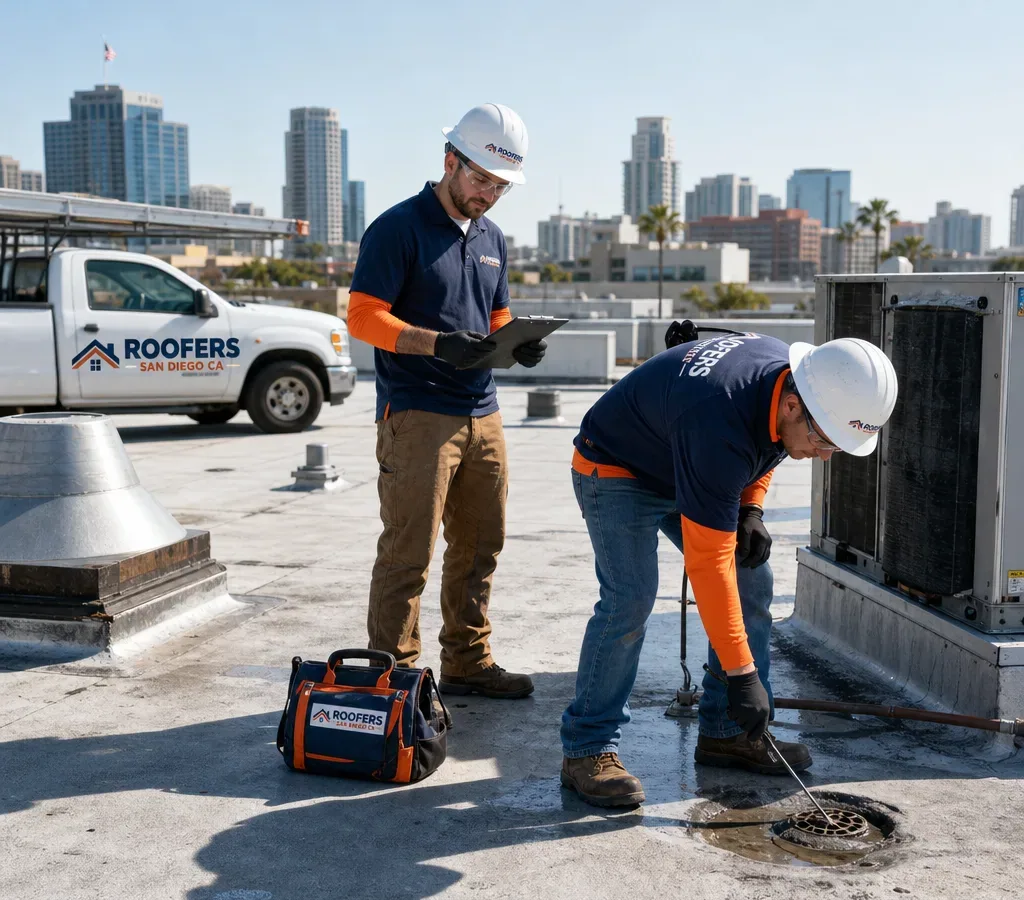
A roof review for an acquisition or refinance needs a clear property boundary, a defined access window, and a report that separates observed conditions from assumptions. For a League City transaction, we inspect the accessible roof areas, compare them with available plans and repair history, and identify follow-up testing or records the buyer still needs. The survey is a condition snapshot for a stated purpose and date; it is not a destructive investigation unless openings are specifically authorized. We document visible defects, drainage, access, prior repairs, and limitations so the transaction team can decide which questions need another approval or specialist review.

Confirm transaction scope and site access
Before the visit, we confirm the address, buildings included, deadline, requested report format, roof access, and any tenant or safety rules. The transaction contact supplies available roof plans, system descriptions, warranties, leak logs, prior scopes, and seller disclosures. We record which documents are current and what areas cannot be reached. A commercial roof inspection can establish visible conditions, while an aerial review may help document sections where safe physical access is restricted, subject to permissions and weather. A property along I-45 or near FM 646 may be easy to locate but can have site-specific loading, tenant, or escort requirements. For an institutional property such as UTMB's League City campus, we confirm entry rules with the site contact. At a retail property such as Victory Lakes Town Center, we confirm public and delivery routes with its contact. Those facts guide coordination only. The report's findings remain limited to the actual parcel and buildings authorized for review.
Review the roof and compare available records
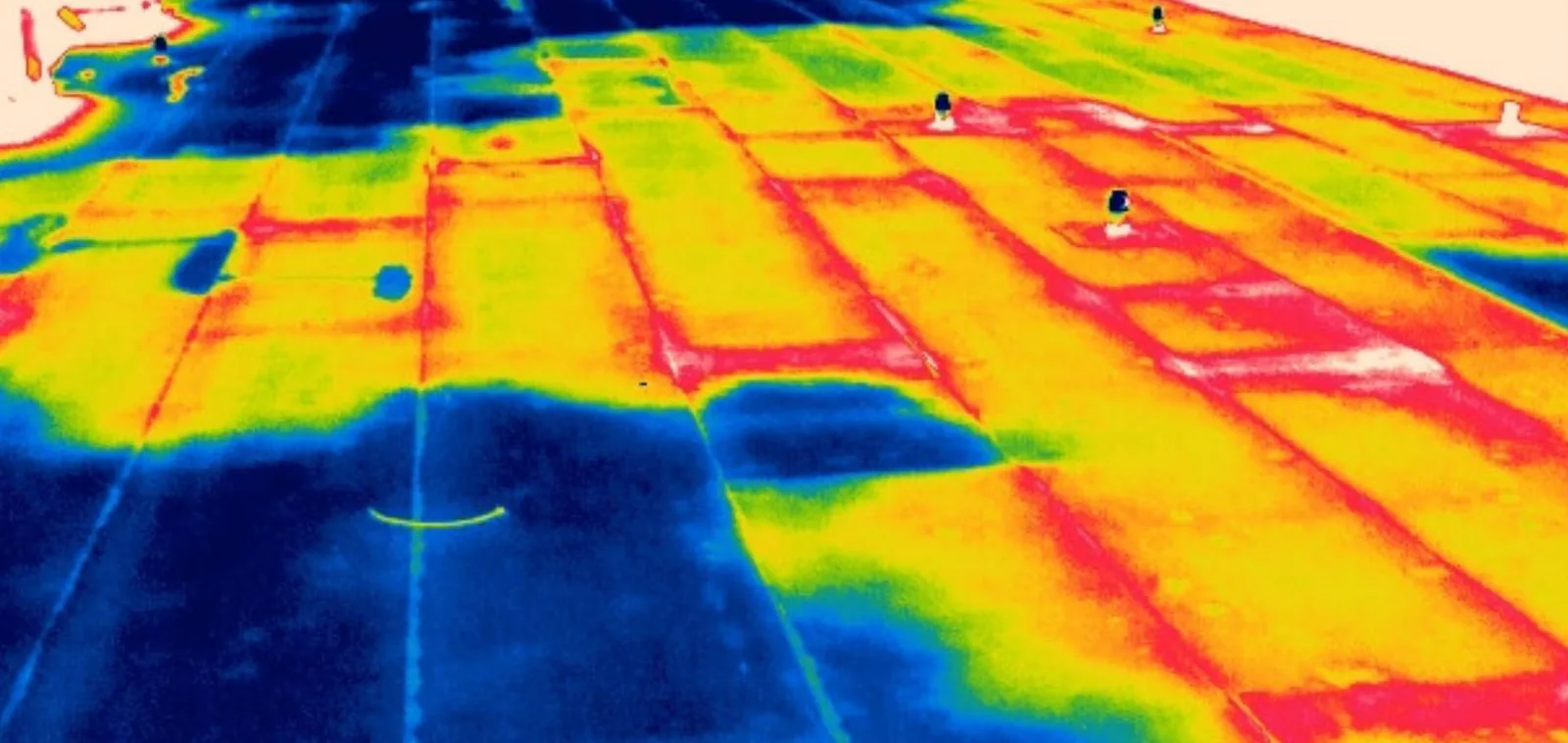
Field work follows a roof-zone map or annotated sketch. We examine visible membranes or panels, seams, flashings, parapets, penetrations, drains, rooftop equipment, transitions, and evidence of previous repair. Where interior access is included, we compare reported staining or active leaks with the roof layout but do not assume a ceiling mark identifies the entry point. We note ponding observations, debris, visible deterioration, loose details, and areas that require testing. An infrared moisture survey can screen for areas that may merit verification when conditions are appropriate; a scan is not a substitute for confirming concealed materials. A ponding-water review or flashing assessment may be recommended when those conditions warrant a more focused scope. We compare field observations with provided plans and repair history, recording discrepancies rather than silently selecting one version. The report distinguishes accessible areas from roof sections omitted for safety, locked access, equipment, or weather. Any test opening or core requires a separate decision, location, restoration plan, and written authorization.
Translate findings into transaction questions
For each material finding, we state its location, evidence, likely operational consequence, and recommended next step. A visible opening may need immediate protection; a worn surface without water entry may call for monitoring or maintenance. Concealed insulation, attachment, and deck conditions remain uncertain until verified. We identify which estimates are measured and which rely on an allowance. A photo-supported roof report can preserve the baseline, while capital planning can separate a near-term repair from future replacement budgeting. If the owner needs a repair proposal, a commercial repair scope identifies work and exclusions after the condition review. We do not state that a roof is suitable for a particular financing or insurance purpose unless that conclusion is within the agreed scope and supported by the necessary evidence. The buyer, seller, lender, and design professional determine how the report affects their transaction. League City's upper-coast storm history, including Ike, Harvey, and Beryl, is useful for local context but does not substitute for a property inspection or establish current roof damage.
Set a decision path for testing and repairs
When a finding needs more evidence, the report names the test area, access requirements, expected roof opening, temporary protection, and who can approve the work. That helps the transaction team distinguish a condition question from a repair commitment. If water is actively entering, temporary protection may be considered while permanent work is evaluated; the emergency response and follow-up scope remain separate. We coordinate the return visit with seller access, buyer representatives, site operations, and any required escort. For a portfolio acquisition involving several buildings, a multi-site review process can standardize records without merging conditions across addresses. League City's regional access along I-45 connects the market between Houston and Galveston, but actual site logistics come from the property contact. We record the agreed route, work window, and restrictions in the report. If a specialized structural, electrical, environmental, or code review is needed, the report identifies that need for the responsible professional rather than extending the roofing conclusion beyond its evidence.
Deliver a dated report with explicit limits
The due diligence package includes the transaction purpose, property address, inspection date, buildings and zones reviewed, photographs, observations, available records, recommendations, and limitations. It flags missing plans, inaccessible areas, and test-dependent conditions. It can include a summary of urgent actions and a longer detail register for transaction counsel, facilities, and project teams. The report does not replace a structural evaluation, code analysis, manufacturer decision, or destructive survey outside the agreed scope. If League City permitting or adopted code requirements affect a planned roof project, the responsible design professional and authority confirm those details. To schedule a survey, send the property list, transaction milestone, seller access contact, drawings, leak and repair history, requested deliverable, and any restrictions. We will confirm the review boundary and return a report that makes the next approval point visible before a repair or capital assumption is carried into the transaction.
Frequently Asked Questions
Is a due diligence roof survey a destructive inspection?
Not unless destructive testing is specifically included and authorized. The standard review documents accessible conditions and identifies where an opening or additional test may be needed.
Can the report estimate remaining roof life?
We can describe observed condition and known system history within the agreed scope. A service-life estimate depends on verified assembly, maintenance, testing, and assumptions, which the report must state explicitly.
Can you inspect a property before a refinancing deadline?
Yes, subject to access, scope, and schedule. Provide the deadline, requested format, site contact, drawings, and available roof records so the inspection boundary can be agreed before the visit.
Will the survey tell the buyer what repairs to require?
It documents findings and recommended next steps. The buyer and transaction professionals decide which items affect negotiations, escrow, or closing requirements.
What if the seller cannot provide roof plans or warranties?
We note which records were unavailable, use field observations within the authorized scope, and identify verification steps that remain open. Missing documents are not replaced with assumptions.