Commercial Roofing Support for General Contractors
A roofing scope on a larger construction job needs a tie-in plan, an access window, and a clear handoff for concealed conditions. Near League City, work may sit beside retail at I-45 and FM 646, medical facilities, public buildings, or industrial properties toward Texas City. Each site has different occupants, deliveries, and review requirements. We give the general contractor a measured roof scope, identify adjacent trade dependencies, and state what must be approved before the assembly is opened or changed.
Set the roofing sequence with other trades
The project schedule identifies when curbs, equipment, piping, structural supports, and roof penetrations will be set. We coordinate the roofing tie-in with those activities so new work does not leave an unprotected opening or conflict with finished membrane. The contractor confirms lift access, crane picks, deck availability, and areas ready for dry-in. A phased occupied-building reroof plan can also account for tenant access and areas that cannot close during construction.A roof detail that changes late in the schedule can affect material ordering, inspection dates, and the sequence for waterproofing adjacent work.
The project design team identifies the criteria and details governing each building, including wind requirements, thermal targets, and any contract-specific submittals. We prepare roof submittals, field measurements, and assembly notes for the contractor's review path. A public-agency roofing scope may involve a different procurement and documentation route, but trade coordination still needs a named approval point.
Before mobilization, we align the delivery date, material staging area, safety access, inspection hold points, and weather protection plan. If the deck or edge condition differs from the drawings, we document the location and pause the affected work until the contractor directs the next step. The schedule can then reflect the actual condition rather than carrying an undocumented assumption forward.
For a civic renovation, public service hours, meeting dates, and entrances can affect when deliveries and lifts are released. A civic-center roof scope should identify the requested building, public access route, and agency contact before setting closures.
Verify the existing roof before a tie-in
Renovation scopes often begin with partial records. We inspect membrane or panels, edge attachment, drains, curbs, penetrations, prior patches, and the transition between existing and new work. A commercial roof inspection can mark the tie-in zone, note test-dependent conditions, and show where current drawings need field verification.
At a hospital or production facility, access to the interior side may be limited by active operations. The contractor and owner identify the permitted test location, protection below, and who can authorize an opening. A thermal pattern or surface stain may guide further review but does not set removal quantity on its own. The roof record separates what is visible from what requires a core, test cut, or design review.
After a weather hold, we inspect the actual membrane, metal edges, seams, and temporary tie-ins, then report whether the sequence can continue or needs repair first.

Define the boundary for included roof work
The proposal should show which roof areas are included, what remains with the mechanical or structural trade, and how the perimeter is protected at each tie-in. A contained leak may call for repair; broad wet insulation, failed attachment, or deterioration can require a larger replacement decision. A measured roof repair states the field condition, material, preparation, and approval for any added removal.
If the project considers recover or coating, we review the existing layers, attachment, moisture, drainage, and compatibility before the assembly is extended. A recover feasibility review can inform the design comparison. Replacement pricing lists insulation, edge metal, curbs, transitions, temporary cover, disposal, and testing so the GC can line up sequencing and scope ownership across trades.
Cost and duration depend on roof height, access, staging, work hours, material lead time, test openings, weather, and how much surface can be completed between inspections. We identify the hold points for deck condition, edge attachment, and final closeout. If another trade changes a penetration or support, the roof scope is updated only after the revised detail and responsibility are confirmed. We can hold installation at that detail, protect the exposed area, and return after the approved drawing or field instruction is available. The superintendent receives the affected zone, not just a general note that roofing is delayed.
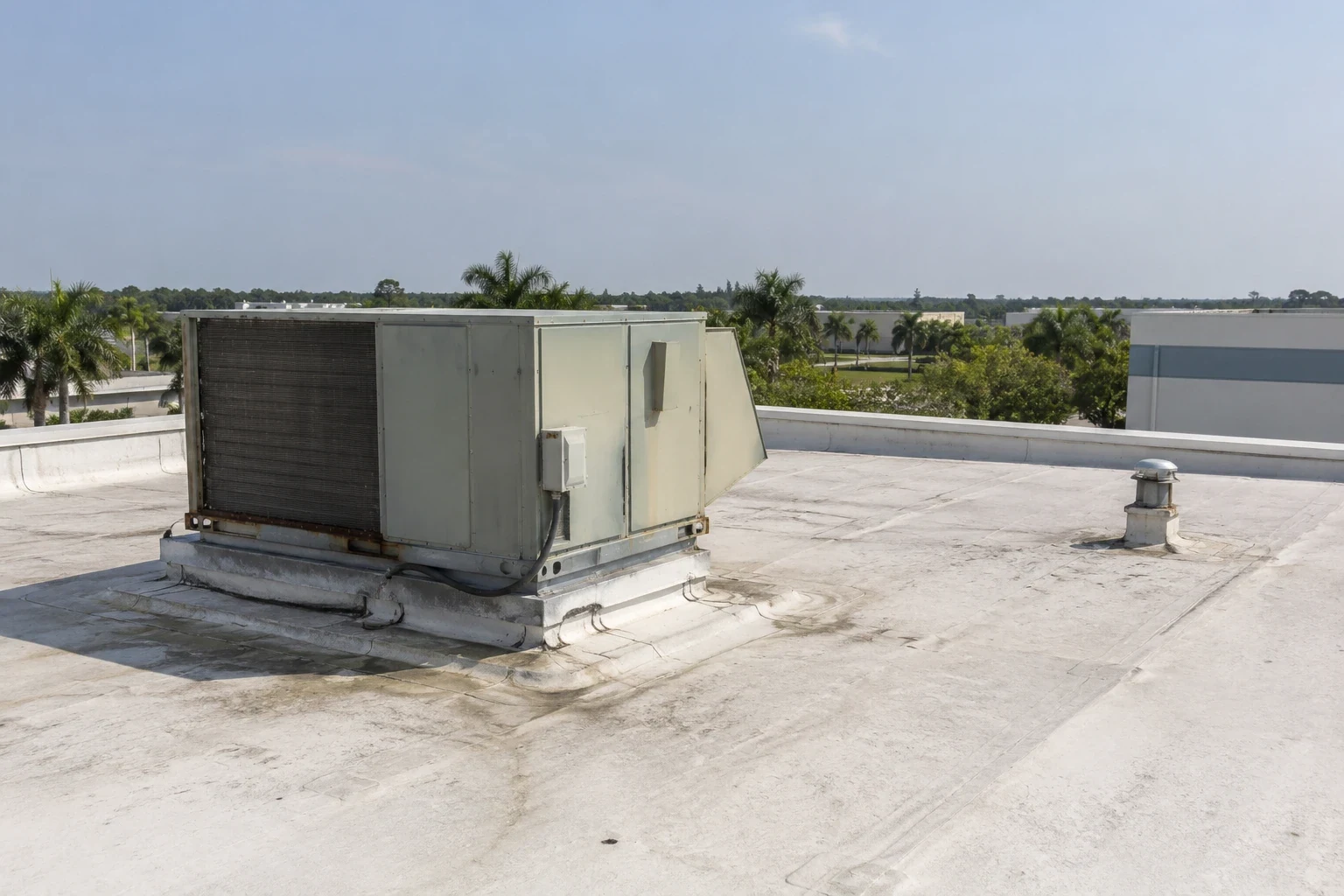
Close out the roof portion of the job
The closeout package can include approved submittals, marked roof zones, inspection photographs, material information, test locations, repair limits, and open items. The contractor can attach it to the project record with inspection signoffs and change approvals. We can label when the roof was ready for each follow-on trade, which details require a manufacturer's review, and where final punch work remains. The closeout should also state whether temporary protection has been removed and all tie-ins inspected. List any work that could not be completed during the scheduled release and the next condition required to resume it. That record gives the superintendent and owner a shared milestone for the follow-on crew. A roof condition report helps preserve existing-versus-new work boundaries for later facility maintenance.
League City has retail, healthcare, petrochemical, education, and public-sector properties across its local economy. That range means a GC may coordinate roof work around a tenant, plant operator, or public facility contact. A manufacturing roof sequence can address process-area restrictions, while the project superintendent sets the overall schedule and safety plan.
Send the drawings, specifications, schedule, existing roof records, site access rules, and contact for field decisions. We will identify needed inspections, tie-ins, testing, and trade dependencies, then return a roof scope with exclusions and approvals stated. If a condition changes in the field, the crew records it before the work boundary moves. The GC can then route a request for information or change approval with the roof-zone photograph and the affected detail, rather than relying on a verbal description passed between trades.
Frequently Asked Questions
What should the roof scope show on a larger renovation?
Identify included areas, assemblies, edges, curbs, tie-ins, temporary protection, testing, and work assigned to other trades. We also list the hold points and approval needed for concealed conditions.
Can you review an existing roof before the GC bids?
Yes. We can inspect accessible areas, compare field conditions with available plans, and identify testing or access limitations that could affect quantity and price before the bid is finalized.
How do you handle a deck condition that differs from drawings?
We document its location and extent, protect the opening, and pause affected work until the general contractor and design authority review the condition and direct the next step.
Who coordinates rooftop equipment and penetrations?
The project team assigns each curb, support, penetration, and flashing detail to the responsible trade. We confirm the approved detail and sequence before roofing work proceeds around it.
What does roofing closeout include?
The file can include submittals, photos, measured areas, test results, material data, completed repairs, open items, and approvals attached to the project record.