Commercial Storm Damage Roof Repair
A storm date can start the inspection, but the roof evidence sets the repair scope. League City's October 2004 severe storm included golf-ball-size hail, damaging winds, an F0 tornado, and reported roof damage. After a reported event, we document current openings, moved edge metal, punctures, seam movement, and water entry by roof zone. At Texas City’s industrial and port district, refining, distribution, and waterfront operations call for an access and protection plan tied to each building and its contents.
Secure the area before inspecting damage
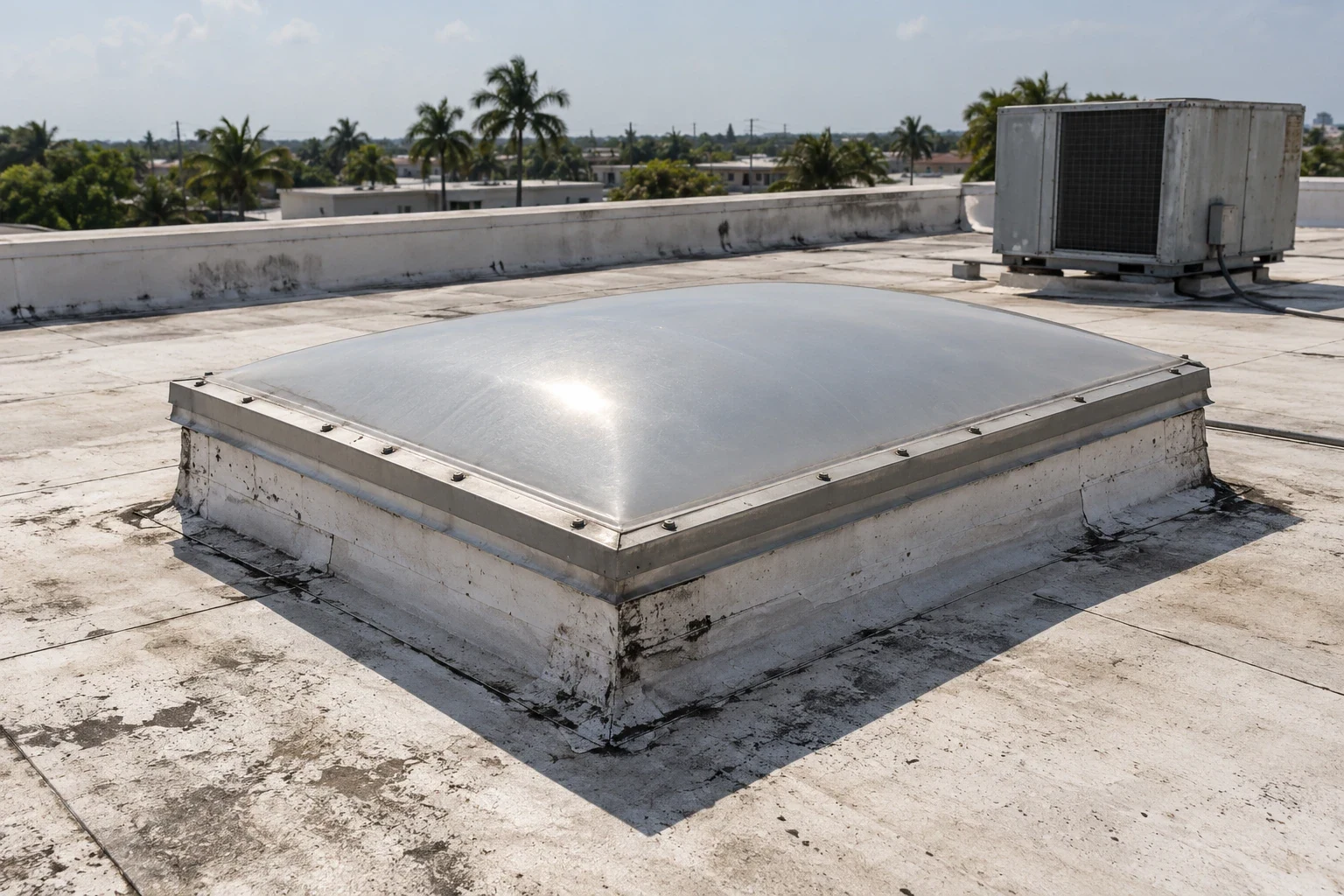
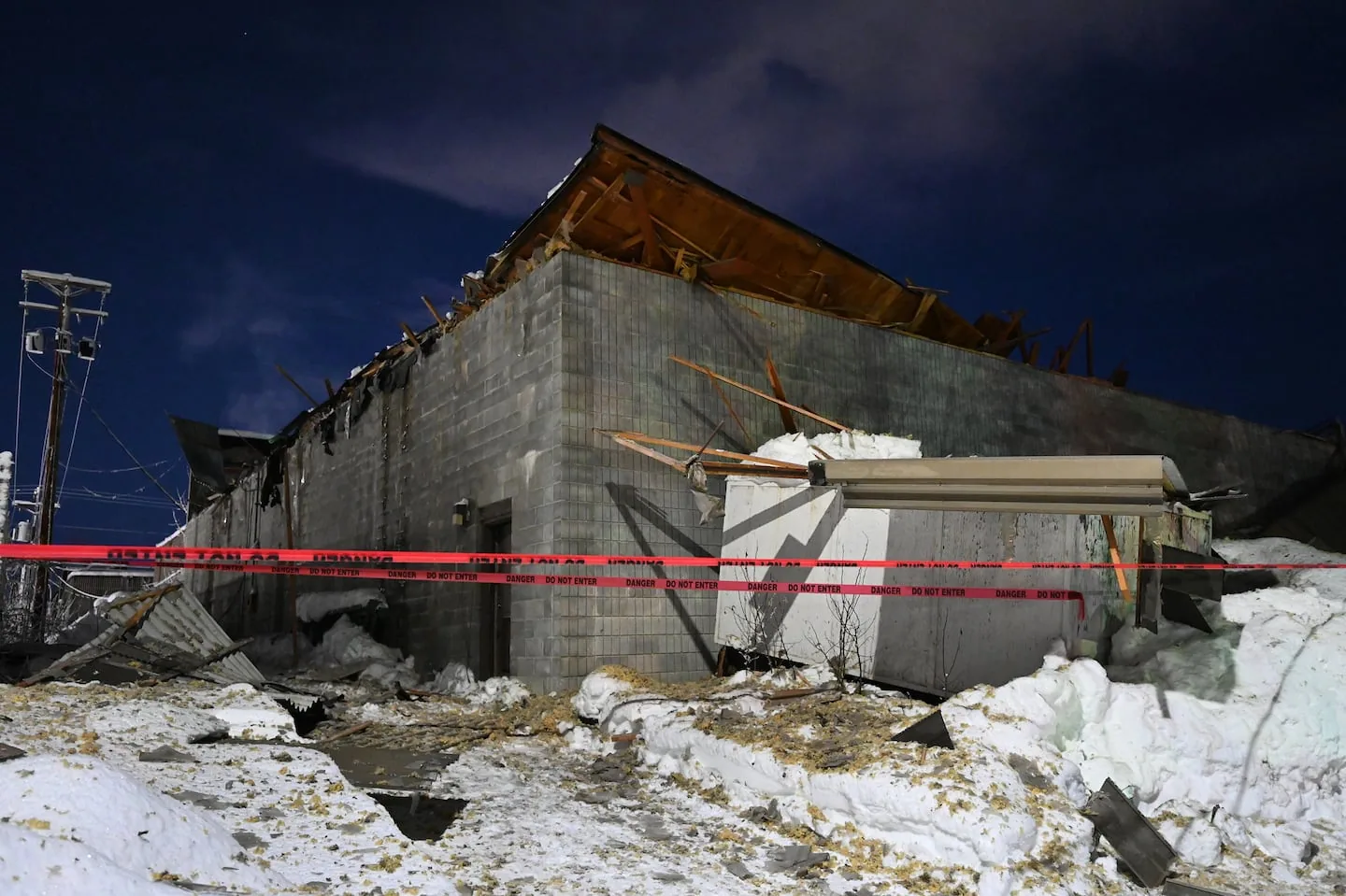
Loose panels, broken skylights, wet electrical equipment, damaged deck, and falling debris can make roof entry unsafe. The site representative identifies emergency restrictions, interior rooms to close, and routes that must remain open. We document the safe access boundary and keep people clear of hazards. If active water entry needs immediate protection, an emergency dry-in can stabilize the exposed area while a fuller assessment waits for safe conditions.
League City lies on the upper Texas coast, with tropical systems including Ike, Harvey, and Beryl in its weather history. A named storm may prompt the call, and the inspection compares observed damage with earlier deterioration and repairs. We record the date, owner-provided event information, areas reached, and conditions that prevented inspection. Photographs, measurements, and approved test openings establish the damage category at the building.
Inspect the roof by damage mechanism
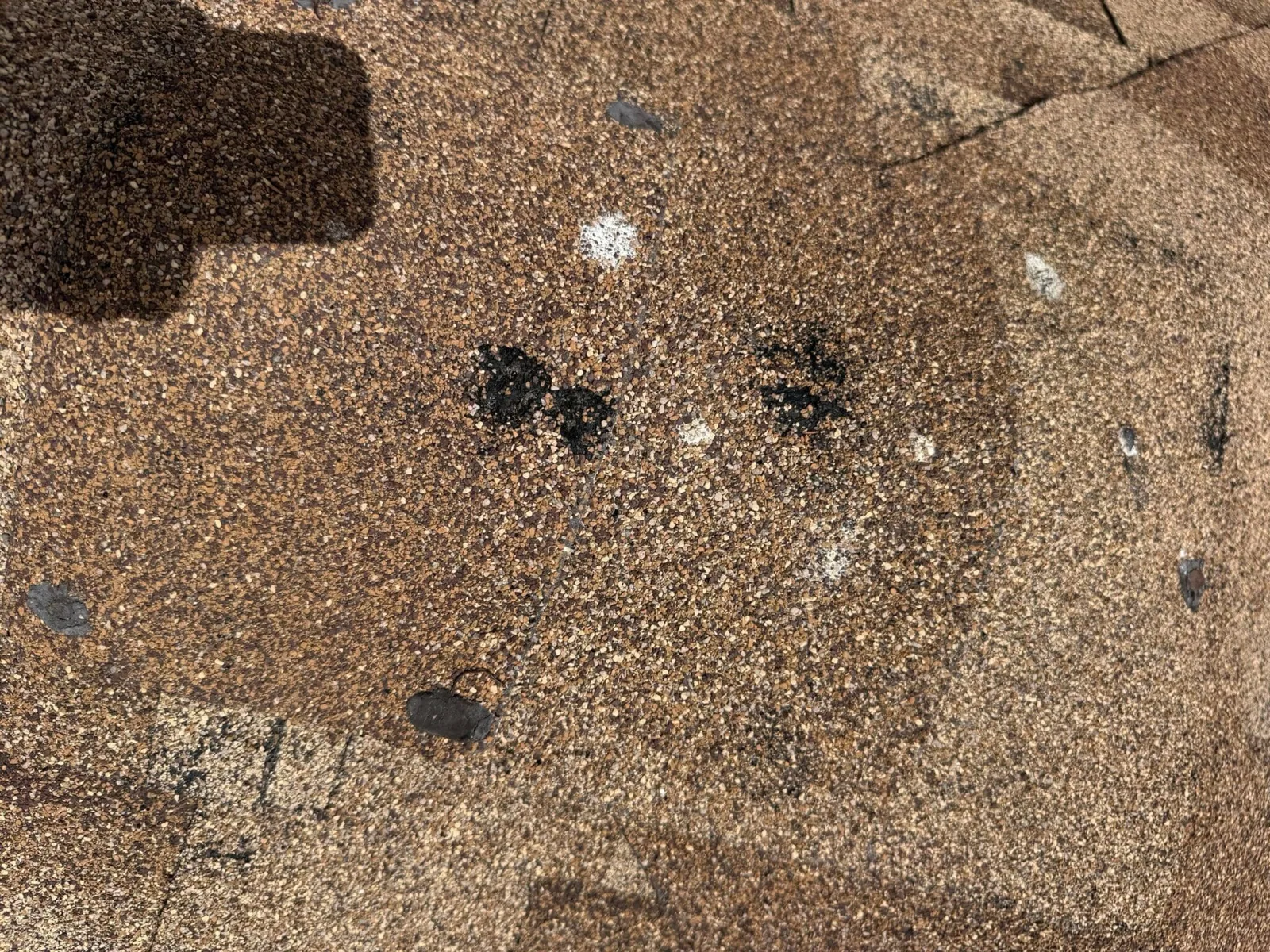
Wind can move edge metal, loosen fasteners, lift laps, or stress rooftop attachments. Hail may leave impact evidence on membrane, metal, skylight panels, or accessories. Wind-driven rain can enter at transitions that were already weak. We photograph each finding, identify the roof zone, and compare it with the interior report. A commercial roof inspection separates visible conditions from test-dependent questions such as wet insulation or hidden deck damage.
The League City Historic District combines historic homes and commercial buildings with museums, gardens, parks, and shops. We confirm the building's roof age, construction, material, and access directly from property records and inspection. We check each assembly directly and mark where a detail, finish, or adjacent structure limits visibility. The report records enough location information for a second crew to revisit the same area.
Test the area before assigning a quantity
A stain below a roof event does not show how far moisture traveled. We compare the reported room with roof slope, drainage, seams, curbs, and previous repairs. Infrared imaging may help select test locations, and a moisture survey can be paired with core cuts to verify material at selected points. The report maps confirmed wet insulation separately from thermal indications or areas that remain untested.
Where a test opening exposes a damaged deck or widespread wet material, we secure the boundary and ask for approval before expanding removal. A repair estimate lists measured work, compatible materials, preparation, access, and closeout checks. If the damage crosses several roof zones or the assembly cannot support local repair, a broader replacement comparison can be prepared separately. Each option states which event-related findings support the work and which roof conditions were unrelated or uncertain.
Document event evidence for owner decisions
For a storm-related roof file, we capture date-stamped photographs, measurements, roof-zone locations, observed conditions, test results, and areas not reached. We identify temporary protection and later permanent work separately. The owner can retain the site plan, interior reports, prior repair records, and weather notice with the inspection record. A claim documentation visit can organize those materials without treating an insurer’s coverage decision as part of the roofing scope.
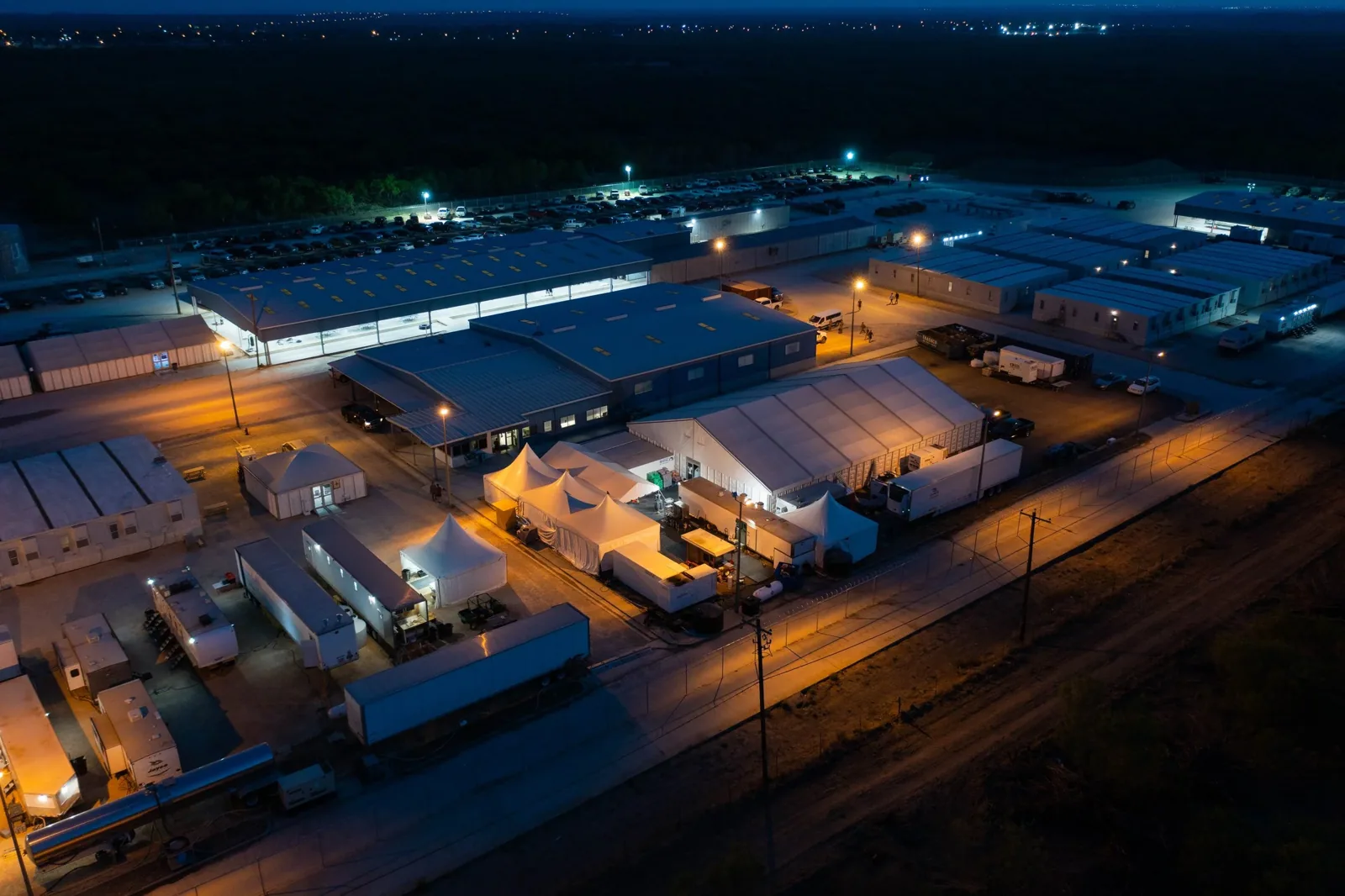
Texas City’s port channel connects Galveston Bay with the Gulf and serves an industrial district with rail, warehouse, grain, oil, and chemical operations. For any active industrial property, we confirm loading, vehicle, process, and emergency access before staging lifts or materials. The crew records roof findings at the address and identifies any area that needs a separate access window.
Separate emergency protection from permanent repair
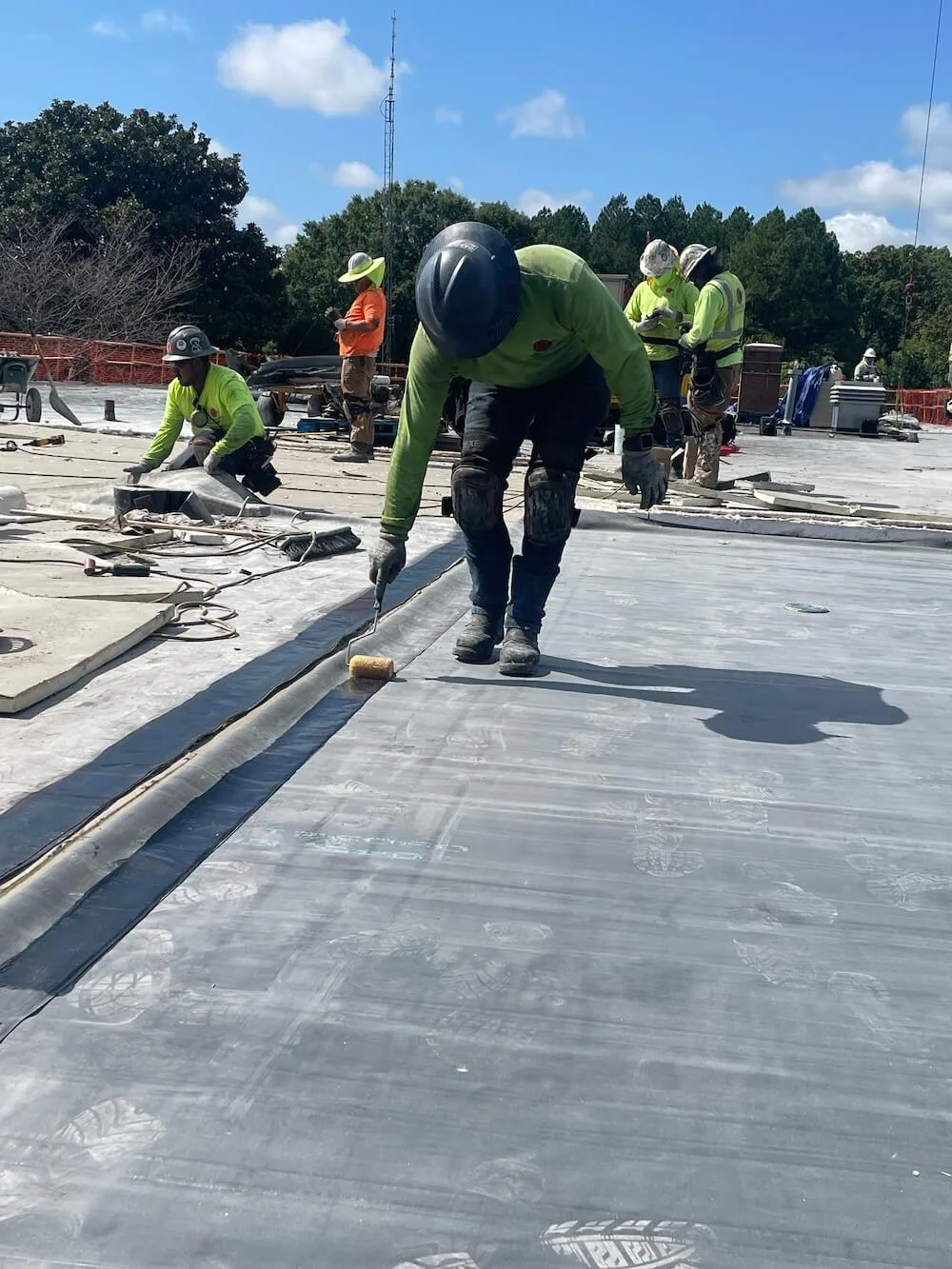
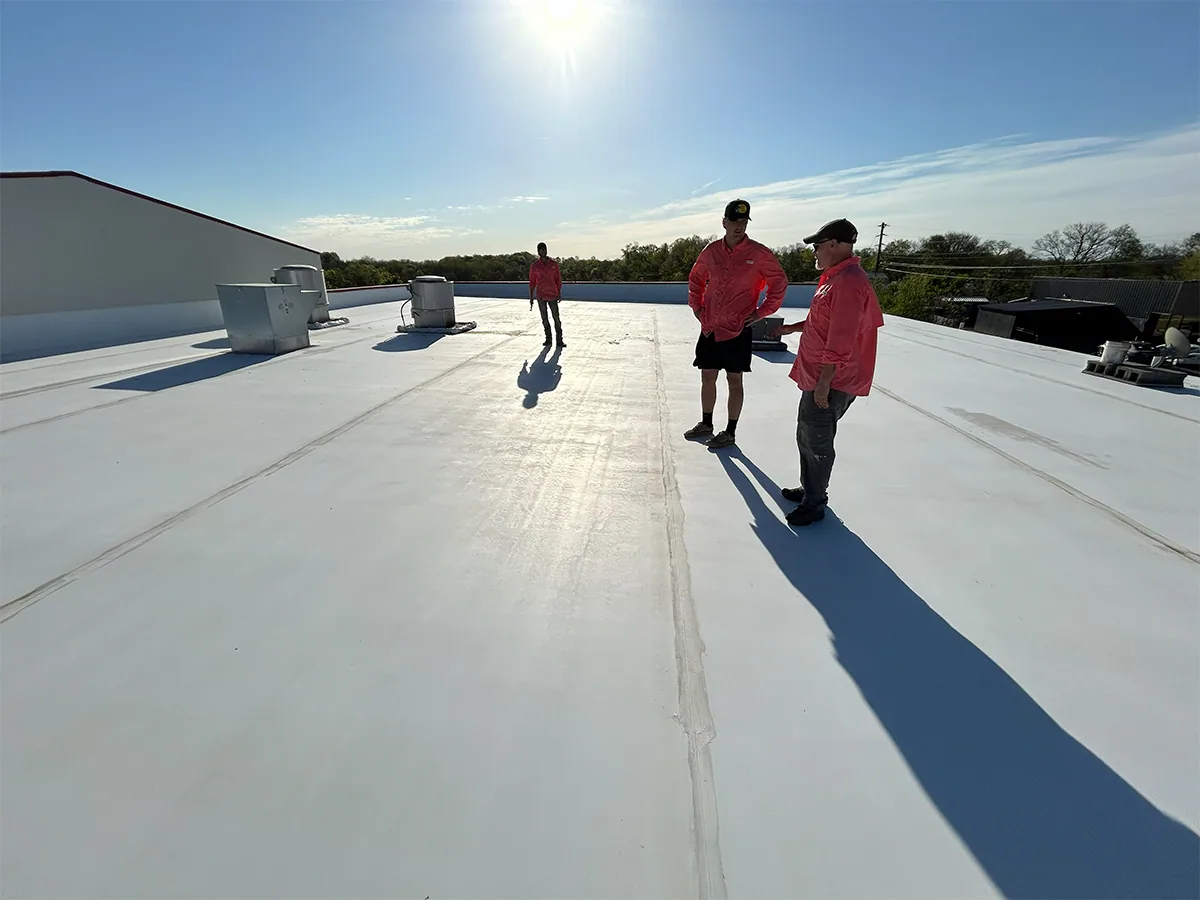
A temporary cover addresses immediate exposure within its attachment and weather limits. Permanent work begins after the affected assembly is safe to access and the surrounding material can accept a compatible tie-in. We state the dry-in location, removal date or follow-up interval, and repair quantity separately. If the owner needs a restricted work zone while operations continue, an occupied-building phase plan identifies closures, overhead protection, and the reopening check.
Cost and schedule depend on roof height, system type, access, removal depth, material availability, weather, and interior protection. A storm repair that changes an assembly or attachment may need design input under the city’s commercial code process and applicable state requirements. We flag those review questions before work proceeds. Engineering, electrical, or interior restoration remains a separate scope unless specifically included. We identify the responsible party and timing for each deferred item in the closeout notes.
Close the storm file with clear next steps
At closeout, we report which roof zones were repaired, what remains protected, and which areas could not be inspected. Photographs show completed tie-ins and nearby conditions, while the written note lists follow-up testing or maintenance. If another leak appears later, the owner can compare the room, date, and roof zone with the event record instead of assuming the new symptom shares the original source.
Send the League City address, reported event date, interior locations, roof plans, access contact, and prior repair records. We will set the safe inspection boundary, document visible findings, and distinguish temporary stabilization from permanent repair. If testing points toward a larger capital decision, the replacement review can use the same measured record.
Frequently Asked Questions
What does a regional storm report add to a roof inspection?
It gives the event date and regional conditions to compare with the building's repair history. We document current roof evidence, prior wear, and any area that remains untested.
What should be documented after hail or wind?
Keep dated photos, the affected rooms, roof-zone locations, access limits, measurements, test results, and temporary protection details. We record the roofing findings separately from any coverage decision.
Can storm repairs start before all damage is known?
Temporary protection can proceed when safe and approved. We set a removal boundary, document what remains concealed, and seek approval before added quantities are included.
How do you separate wind damage from hail damage?
We describe the observed condition and its location, then document impact marks, displaced components, fasteners, and seams separately. Testing and prior records can help distinguish different causes.
What if the affected area is unsafe to access?
We keep clear of restricted or unstable areas, protect the interior where possible, and record the reason inspection is deferred. A return visit follows release by the responsible site contact.