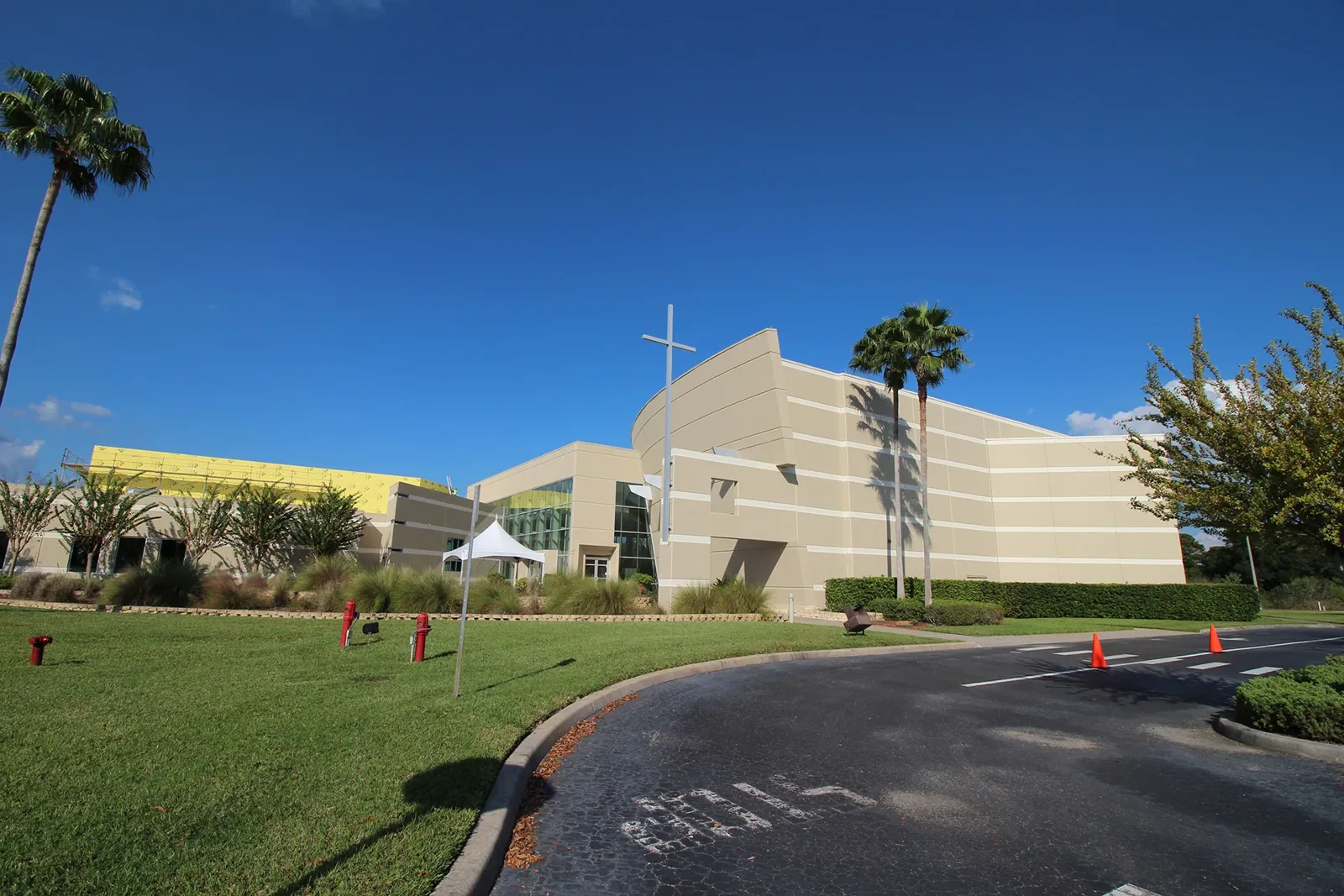
National Guard Armory Roofing
A readiness-center roof has to serve routine occupancy and periods of concentrated activity, so the project sequence matters as much as the membrane choice. For a facility near League City, we first confirm the building, roof records, security contact, and operating calendar. Ellington Field Joint Reserve Base includes Texas Army National Guard and Army Reserve units. Its facilities include one 32,000-square-foot Army National Guard hangar. That is facility context, not a description of every local roof.
Define the building and approval path
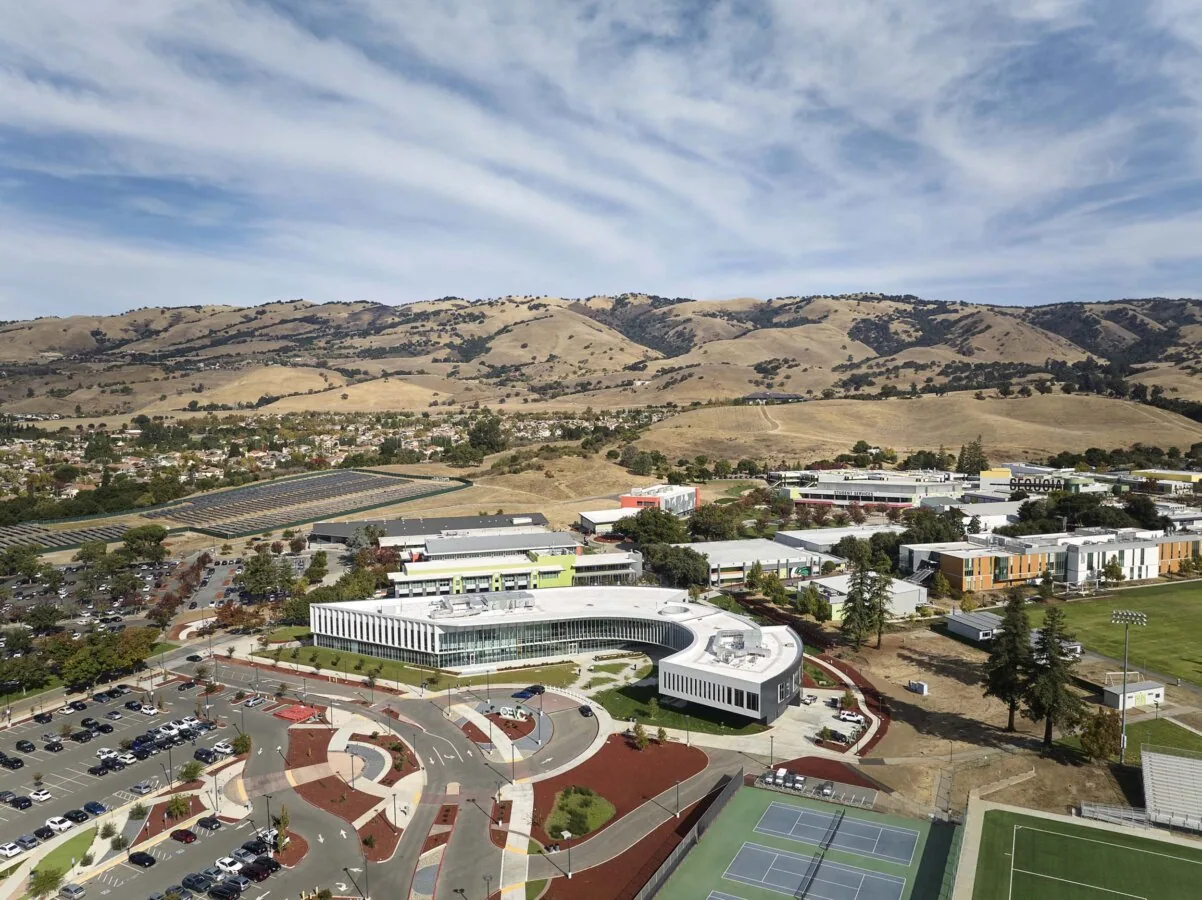
Armories, readiness centers, and aviation support buildings have different roof details and users. Before an inspection, we confirm whether the assigned property is a drill facility, administrative building, storage space, or hangar, then match the site contact and available drawings to that address. The owner or installation representative sets badging, escorts, vehicle entry, photography, tool controls, and the area available for staging. A Army installation roof review can account for a broader facility access chain; each actual project still follows the rules of its assigned site.
The scope also needs an approval path for selective openings and added removal. We label visible conditions separately from test-dependent questions, so no one mistakes a ceiling stain or surface split for a measured quantity of wet insulation. If the building must remain available for training or administrative use, a phased work schedule can identify daily roof limits, access routes, and the time needed to secure each section.
Ellington Field has one 32,000-square-foot Army National Guard hangar alongside maintenance, fuel, and airport-support facilities. The airfield illustrates the distinction between readiness and aviation facilities. It does not establish the roof type, condition, or mission schedule at a different facility. For a hangar, a separate hangar inspection sequence considers door lines, clearances, and the approval needed before staging lifts or material.
Map drainage and concealed conditions
Start by tracing the reported leak toward the nearest seam, curb, roof-to-wall transition, drain, or scupper. We check the membrane or panels, attachment, perimeter metal, penetrations, and interior evidence, then mark each observation by roof zone. An October 2004 storm in League City brought golf-ball-size hail, damaging winds, and an F0 tornado, with roof damage reported. That history makes post-event checks relevant, but it does not show that a Guard facility was affected; inspection findings must establish the building's current condition.
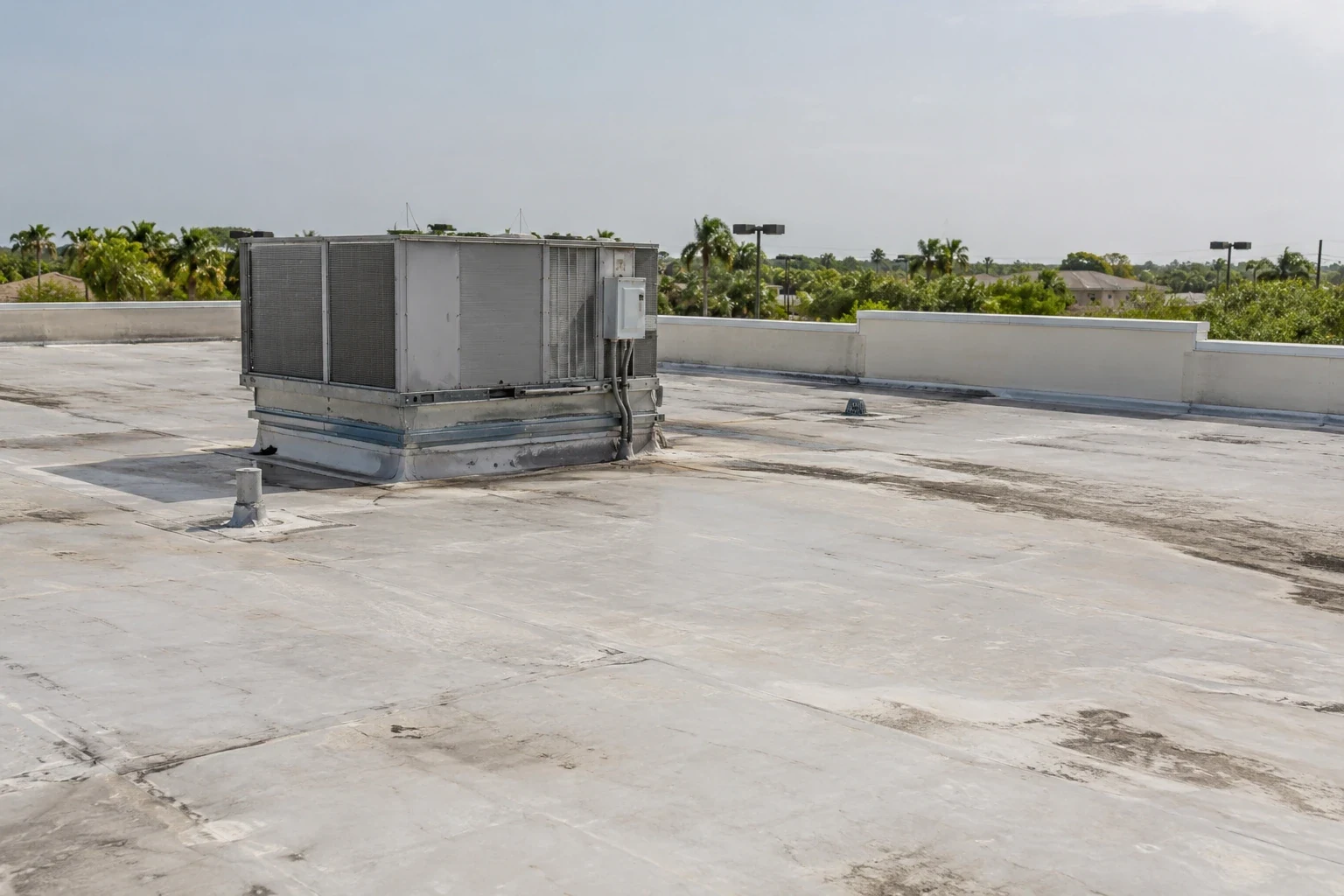
Where the roof is accessible, we photograph open laps, displaced fasteners, cracked sealant, ponding, corrosion, and prior patches. Readings from a moisture survey can help select a test location, but a thermal image alone does not establish wet insulation. We explain the test method and boundary, then request approval for a core or selective opening if the deck, insulation, or attachment remains uncertain. The resulting photo-based roof condition report shows confirmed findings and unresolved questions separately.
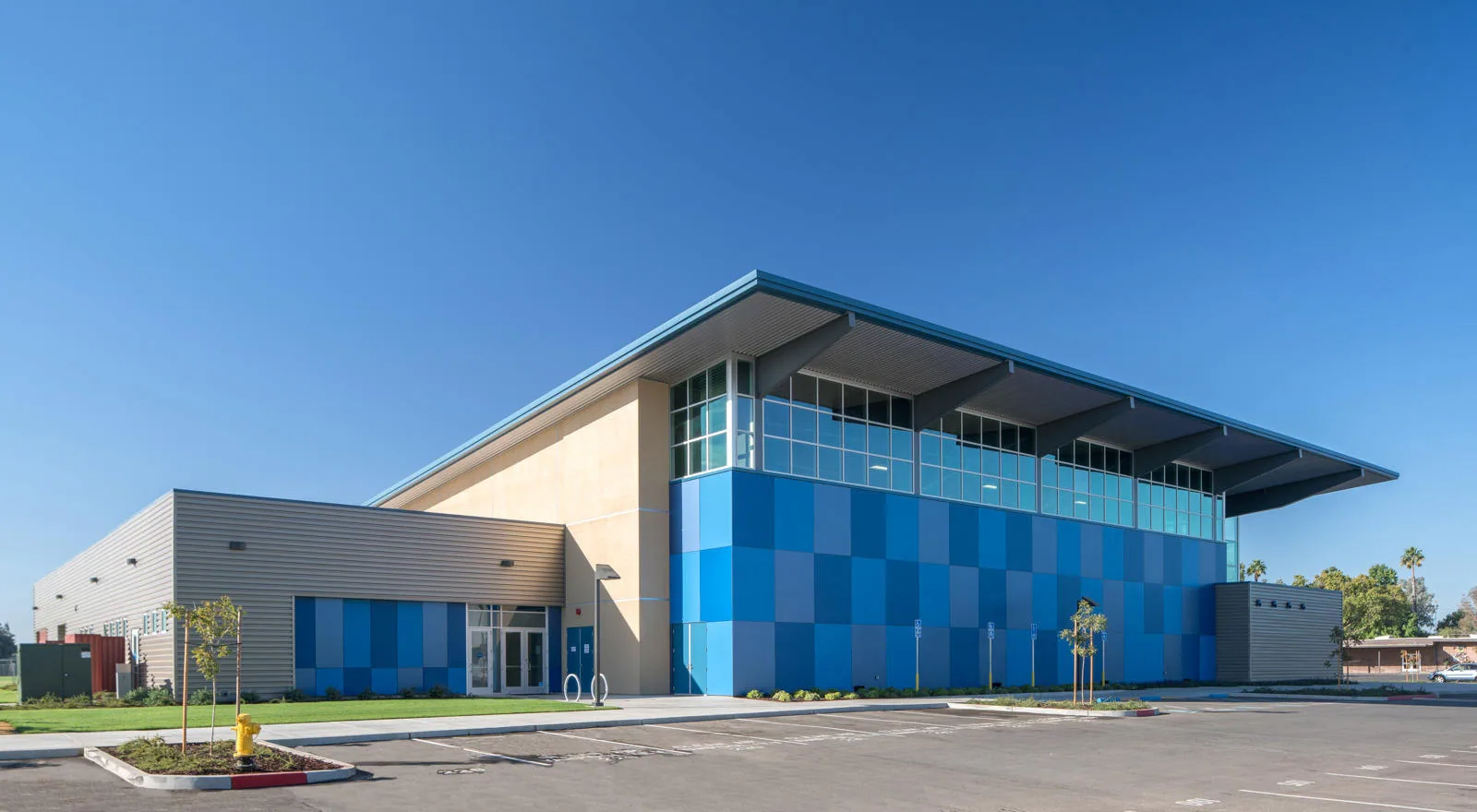
On a metal roof, we compare panel seams, fasteners, sidelaps, ridge details, and edge attachment. On a low-slope membrane, we trace seams, flashing, drains, and penetrations as a connected water path. A commercial roof inspection can also document roof slopes and drainage restrictions before a repair is designed. We keep the report tied to the specific facility rather than carrying assumptions from Ellington Field to another armory.
Sequence access with training and operations
A workable roof schedule identifies who opens the building, where a lift can travel, how materials reach the roof, and when crews must clear the site. If the facility has drill periods, training events, vehicle movement, or controlled rooms below the work, the contact establishes protected zones and restricted hours. We can divide the scope by roof area and provide a daily dry-in checkpoint. The next section opens only after the site contact accepts the prior work and the crew can protect the assembly before leaving.
League City connects to I-45 and FM 646, while FM 518 and State Highway 3 serve other parts of the commercial corridor network. These routes can inform a delivery plan, but the property controls its own entry, staging, and truck path. A FM 646 commercial-site review concerns a separate owner-requested property, not a Guard facility. For a military project, the installation determines whether its contracting and security requirements permit the proposed delivery and work sequence.
Rain or high wind may close the access window even when the roof itself is ready. A 24-hour emergency response can address an urgent opening outside standard hours when site authorization and conditions allow. The field plan records temporary protection, the remaining permanent repair, and the person who approves a return visit. This keeps emergency work from being mistaken for a completed corrective scope.
Compare a targeted fix with broader work
A single failed penetration or localized seam may support a repair if nearby material is sound and the patch can bond to the existing assembly. Repeated leaks, widespread fastener movement, broad corrosion, wet insulation, or poor drainage may require a larger scope. We identify the repair boundary and list removal allowances separately from confirmed work. A targeted roof repair can address active water entry while additional testing determines whether the surrounding area should be included.
Recover or coating options require a review of existing layers, attachment, moisture, drainage, and compatibility. A coating can protect a suitable surface after seams and details are corrected, but it cannot repair a weak deck or conceal unresolved moisture. A recover evaluation checks those conditions before an added assembly is proposed. Replacement planning identifies tear-off limits, insulation, perimeter details, tie-ins, debris handling, and daily protection so the facility can compare access impact alongside material and labor drivers.
Military work may require project criteria, submittals, or design review beyond an ordinary commercial roof scope. The responsible agency or design authority confirms applicable UFC requirements and site approvals. We can measure roof areas, document existing details, and describe proposed work, but engineering and procurement decisions stay with the authorized project team.
Keep maintenance decisions traceable
After the work, the facility should be able to find the inspection photos, repair location, material data, tested areas, and any remaining recommendation. We label each item by roof zone and note whether it was observed, repaired, or left for a later approval. It can guide later inspections without implying future conditions are unchanged.
The cost and duration depend on roof height, access procedure, assembly, edge detail, testing, removal, disposal, weather protection, and the hours the site can release. We show those items as scope drivers rather than blending them into an unexplained allowance. If an opening reveals a different layer or damaged deck, the crew photographs the condition and pauses until the designated representative authorizes the next step.
Send the League City-area facility address, drawings, roof history, reported leak locations, security procedure, and work calendar. We will identify the inspection needs, access questions, and approval points before proposing repair or replacement. If the site has multiple buildings, list each structure separately so the proposal does not assign one roof's findings to another.
Frequently Asked Questions
Does Ellington Field have a documented Guard building?
Ellington Field has a documented 32,000-square-foot Army National Guard hangar and other aviation-support facilities. That record does not describe every regional armory or establish any roof condition.
What information is needed before a site visit?
Supply the building identifier, roof drawing set, leak log, security contact, and operating calendar. We can list any escort, equipment, test, and roof-opening approvals before arranging access.
Can repairs be planned around drill periods?
Yes, the facility can identify restricted dates and daily access hours. We translate those limits into work zones, material deliveries, temporary cover checks, and a return-visit plan for any deferred area.
When should a leak lead to a larger roof review?
Repeated leaks, soft or wet insulation, broad corrosion, failed attachment, or drainage problems may extend beyond one patch. We document those findings and seek approval before enlarging a test opening or removal limit.
Who confirms federal roof criteria and submittals?
The agency's project authority or design team sets the applicable criteria and reviews required submittals. Our scope can document the existing roof and proposed work for that review.