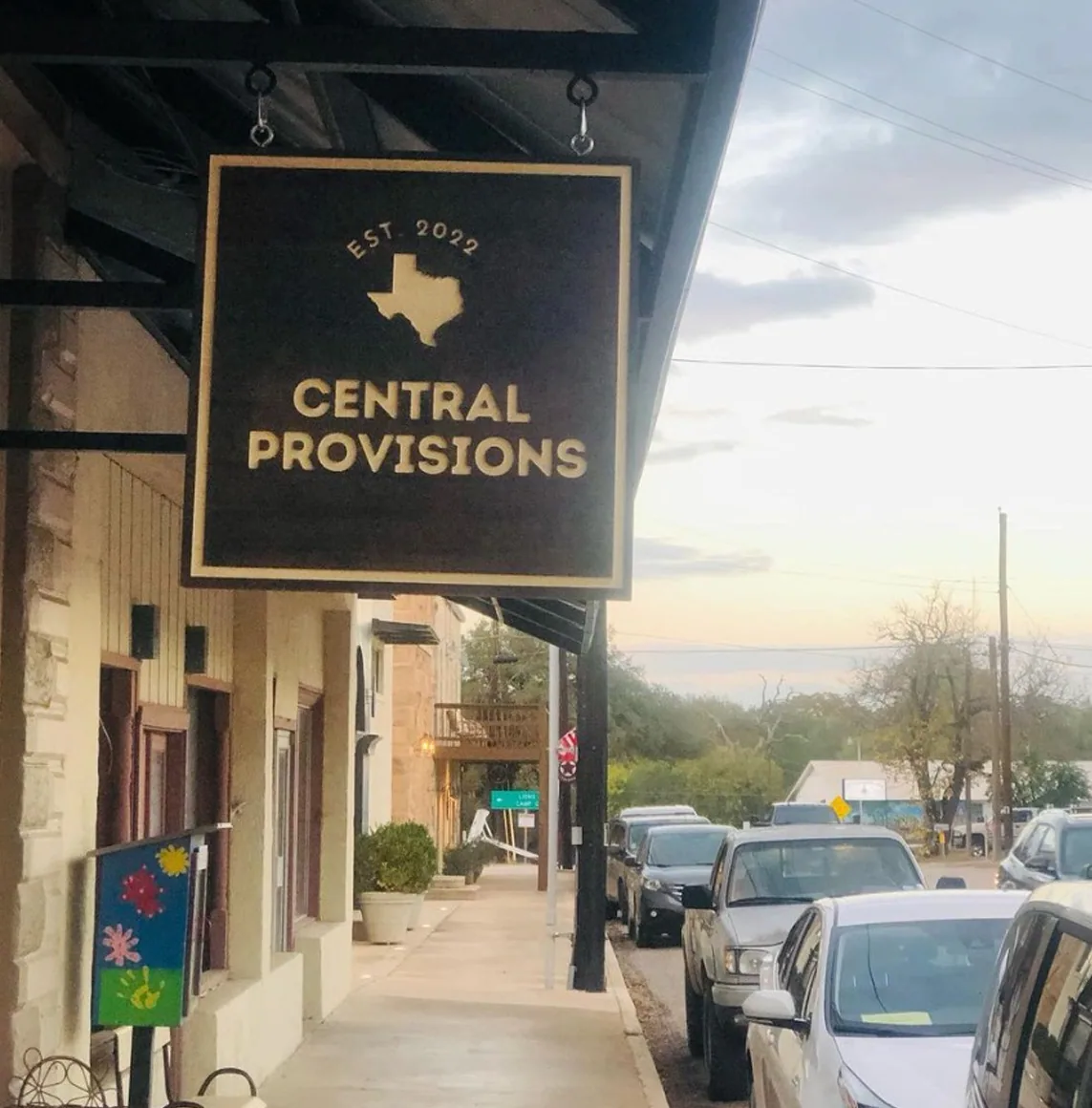
Tanger Outlets Houston
A repair at an open-air outlet center must be assigned to the building and roof zone where the condition was observed. Tanger Outlets Houston is at 5885 Gulf Freeway, I-45, in Texas City, on the route between Houston and Galveston. The center has about 353,000 square feet of gross leasable area and national fashion and lifestyle retailers. The owner confirms the roof assembly and access for each storefront building. We confirm the property contact, building, reported concern, access rules, and customer-protection plan before scheduling an inspection.
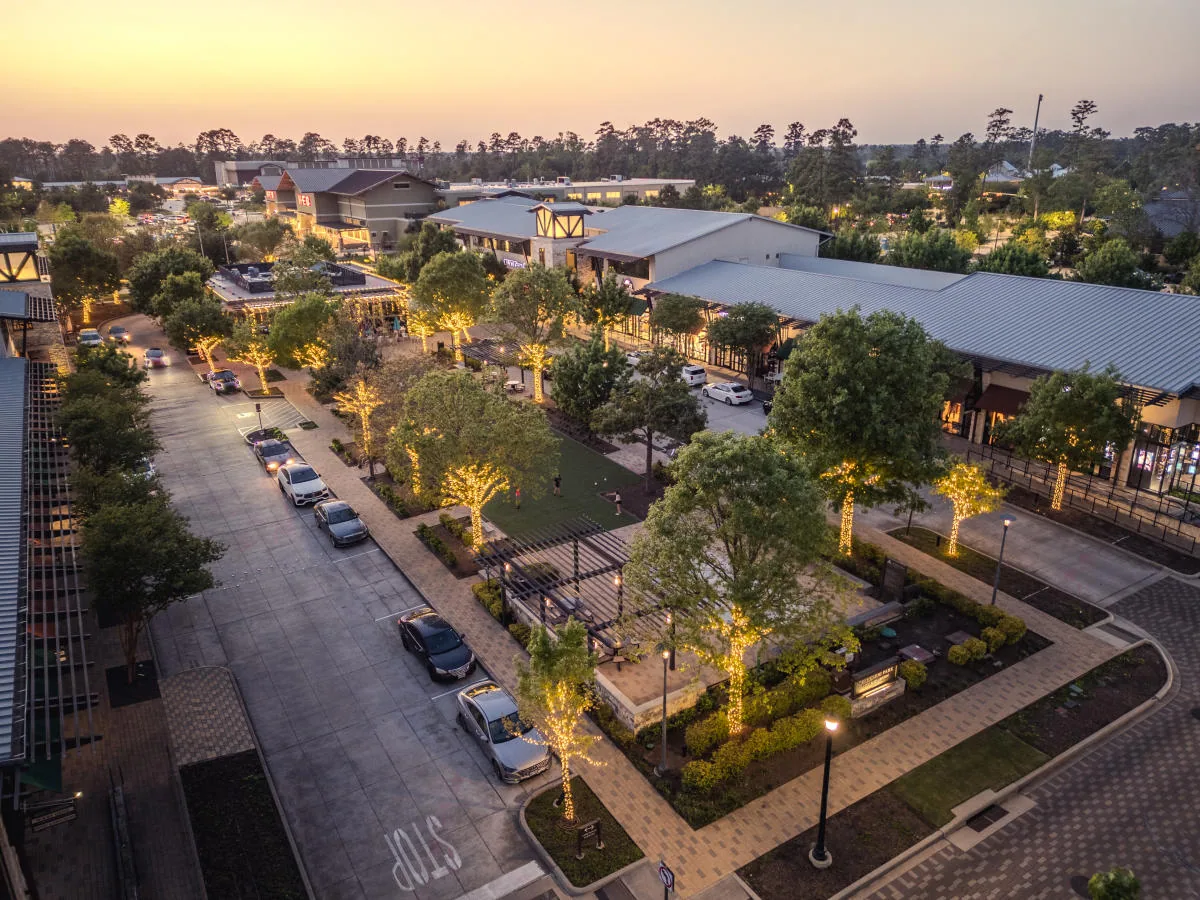
Trace the report to one outlet building
We start with the tenant or building name, the interior area affected, when the symptom appeared, any prior response, and the person who can arrange access. The roof walk documents accessible seams, membrane or panels, flashing, drains, curbs, penetrations, perimeter metal, and earlier patches. A commercial roof inspection records the zones reached and any access limits. An open-air retail directory helps identify the businesses, but it does not show which units share a roof section or where an interior complaint originated.
If water appears inside a retail unit, we compare its location and timing with available roof plans and field conditions. A leak investigation can examine drains, wall transitions, seams, equipment, and penetrations before assigning the entry point. If an opening is needed to evaluate concealed insulation or deck, the report states where it will be made, how it will be restored, and who must approve additional removal. We keep each tenant's photos and findings attached to the correct building rather than applying an observation from one storefront to the entire center.

Keep customers and delivery paths clear
The operator identifies customer entrances, pedestrian routes, delivery windows, loading areas, lift location, staging, work hours, and any area below that needs protection. I-45 connects the center's Houston-Galveston location; the operator confirms the crew entrance and traffic-control setup. We verify the route with the property contact and record it before mobilization. The contact also confirms whether tenant notices or temporary barriers are required around the actual work area.
For a repair lasting more than one shift, each day has a defined roof opening limit, temporary protection, and a dry-in check. A phased retail sequence can divide work by section or building when the manager approves the order. If water entry is active, temporary stabilization is tracked separately from the permanent correction, with the materials and return point listed. A Friendswood inspection has its own tenant schedule and roof details; the two retail properties do not share a work plan or condition record.

Use measured quantities for each scope
A split seam, open flashing, puncture, or obstructed drain calls for its own preparation and tie-in. We name the roof zone, compatible material, measured quantity, and excluded work in the repair proposal. If the defect may extend below the surface, testing is a separate decision. The proposed opening has a size, location, restoration method, and owner approval point. This gives the asset manager a way to authorize a confirmed correction without agreeing to an undefined area of removal.
If inspection supports broader work, a replacement review verifies each assembly and field quantity, notes deck and insulation assumptions, and accounts for perimeter conditions, access, tenant safeguards, and disposal. A photo-supported report can retain the baseline for later maintenance or capital planning. The Texas City Industrial and Port District has separate freight and operating constraints from outlet retail. Tanger's roof plan follows its own storefronts, tenant schedules, customer routes, and approved access.
Review wind and rain at the property
For outlet-center roof work, timing must protect customer paths, storefronts, and deliveries. After a reported storm, we inspect accessible edges, seams, flashings, curbs, and drains at the building and log findings by roof zone. The operator confirms current customer hours and access limits before we set the visit.
Wind-driven rain at a perimeter or wall transition is a different issue from water retained at a drain. We mark each visible condition, note any concealed area, and identify a test if needed before adding removal. If the owner is documenting a claim, the visit can organize dated photographs and prior repair records without treating a regional storm report as proof of site damage. New work must also follow the applicable local code path confirmed by the design professional and permitting authority. Work staging and customer protection remain part of the scope even when the repair itself is small.
Close out by tenant and roof location
The handoff packet names the storefront or building served, records the date and roof areas reviewed, attaches job photographs, and states which work was accepted or remains pending. If an area could not be reached, it stays marked uninspected. A maintenance visit can track drains, seams, flashings, and repair locations on the same map. If temporary cover remains, the record names the next inspection date and the party responsible for permanent correction.
Tanger's Gulf Freeway address and retail directory help orient the request, but the operator confirms the building and access window. Send the tenant or building name, reported area, timing, roof plan, customer or delivery restrictions, and repair history to start. We will separate what is confirmed from what needs a test, state which costs are measured, and identify who must approve the next work boundary. That record lets a property team review immediate repair and longer-term roof planning without treating 353,000 square feet of leasable area as a roof quantity.

Frequently Asked Questions
Does the outlet center's leasable area represent roof area?
No. The published figure measures gross leasable retail space, not the roof quantity of each storefront or building. We verify the exact roof dimensions and assembly before pricing work.
Can you work while outlet stores remain open?
The property manager confirms customer routes, tenant hours, deliveries, staging, and protection below. We set a work zone, roof opening limit, and shift-end check that the operator can approve.
How do you tell which store is connected to a reported roof leak?
We identify the affected room, time, and tenant, then compare the report with roof plans, drainage, seams, curbs, and wall details. We do not assign a roof entry from the tenant name or interior stain alone.
Does a League City storm report prove damage in Texas City?
It supplies regional context for an inspection request, but not a building finding. The assessment describes the actual roof zones, visible conditions, and tests that remain necessary at Tanger.
What should the outlet manager send before an inspection?
Send the building or tenant, interior symptom and timing, access contact, customer and delivery restrictions, roof drawings, and previous repair records. We will define the inspection and work boundary.