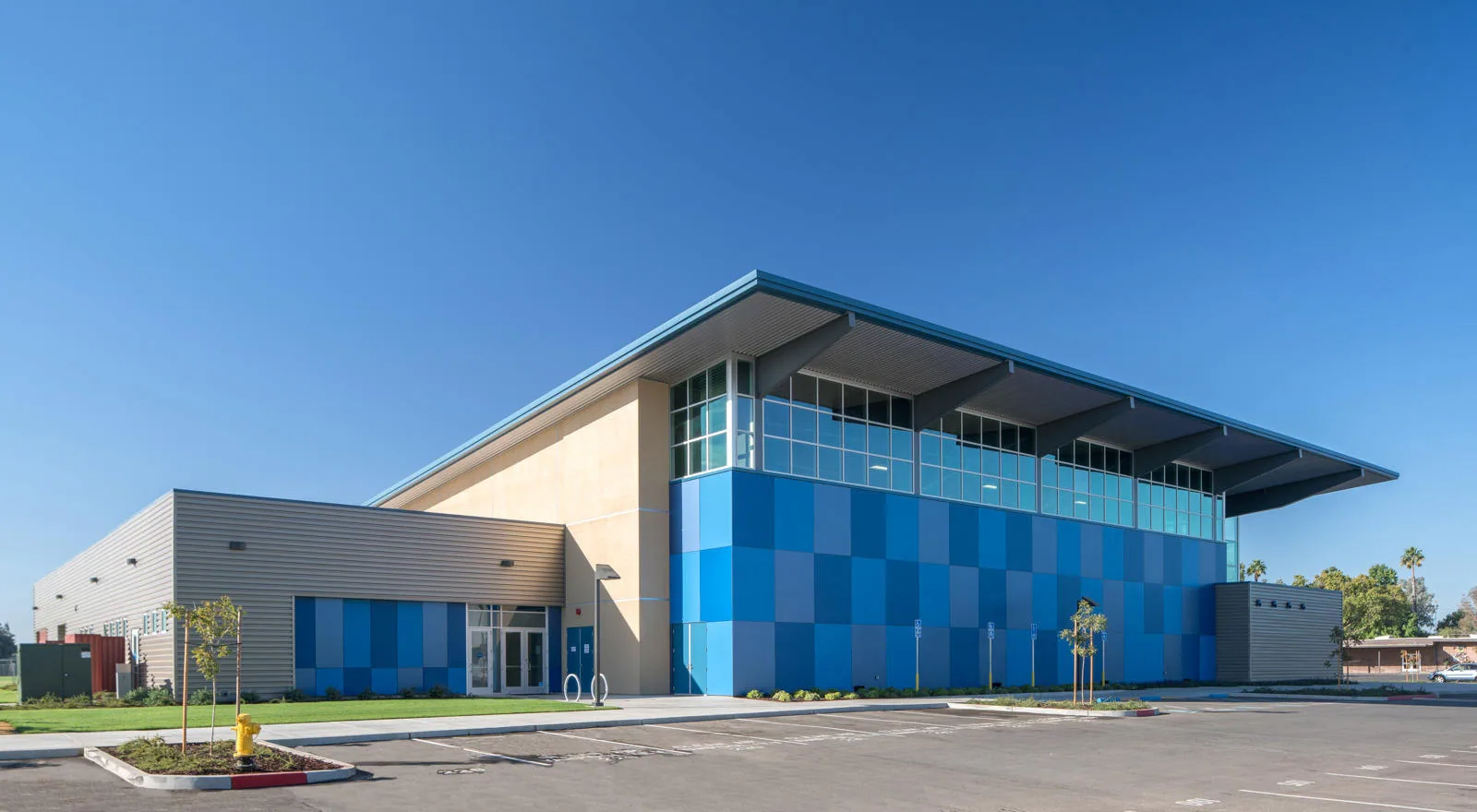
Restaurant Roofing
Restaurant roofs have frequent equipment openings for kitchen exhaust, make-up air, refrigeration, and plumbing. Grease, service traffic, and later equipment changes can affect roof details. We inspect the assembly and coordinate work with the operator before setting a schedule. La Marque includes restaurants, rides, shops, and events. The operator confirms customer access, patio use, delivery routes, and event restrictions at the building under review.
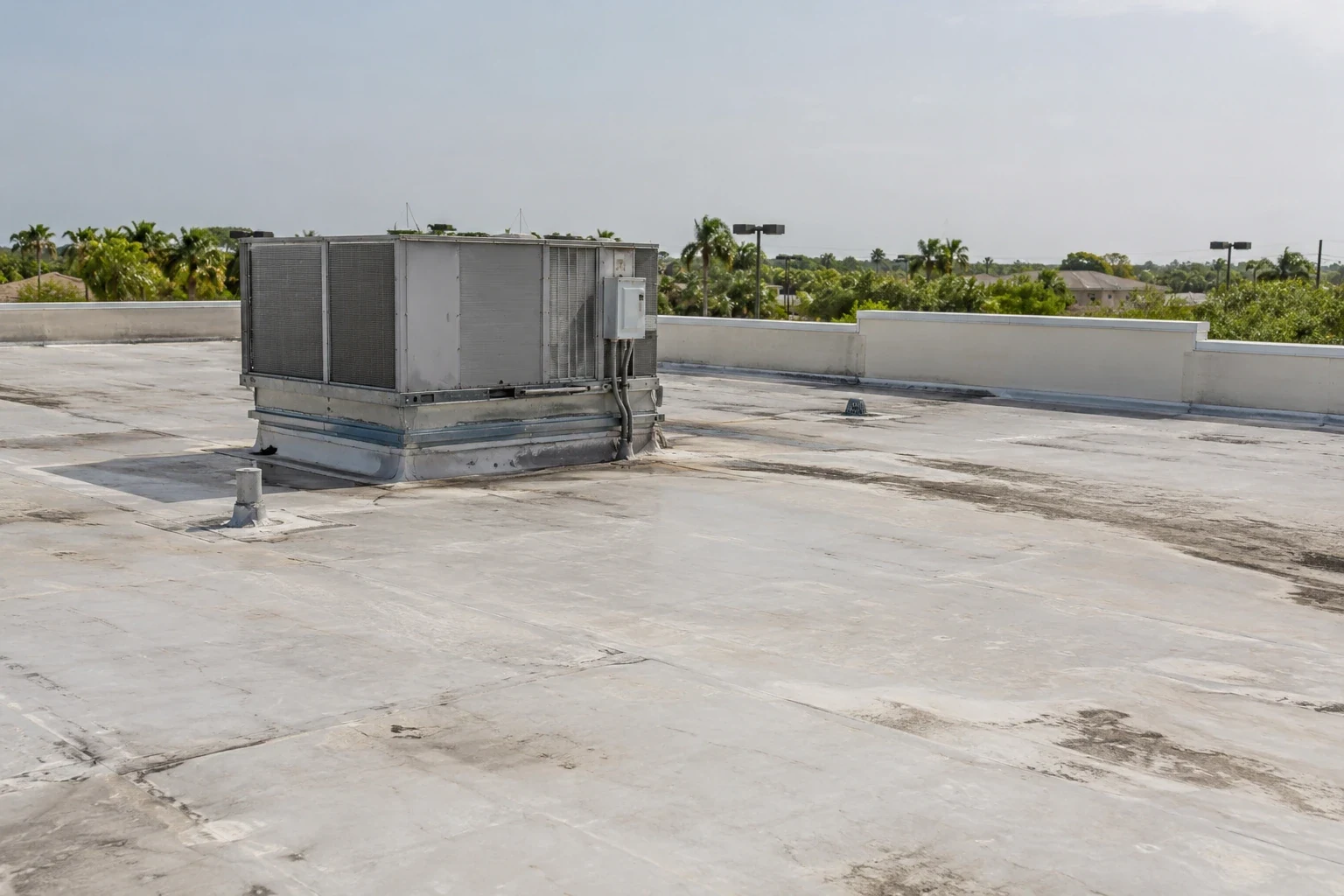
Coordinate around food service and dining hours
The operator confirms meal periods, deliveries, kitchen ventilation, waste routes, outdoor seating, and customer entrances. The manager identifies when odors, noise, or a temporary exhaust interruption would affect service. We confirm where roofing materials can be staged and how crews reach the roof without crossing food-preparation areas. Any unit shutdown requires approval from the person responsible for kitchen operations.
A grocery roof assessment may involve refrigeration and product protection, while restaurant work often needs attention to exhaust and dining schedules. A hotel roof plan can add guest-room and event coordination. The actual operator sets the property rules, and we list those limits before estimating work.
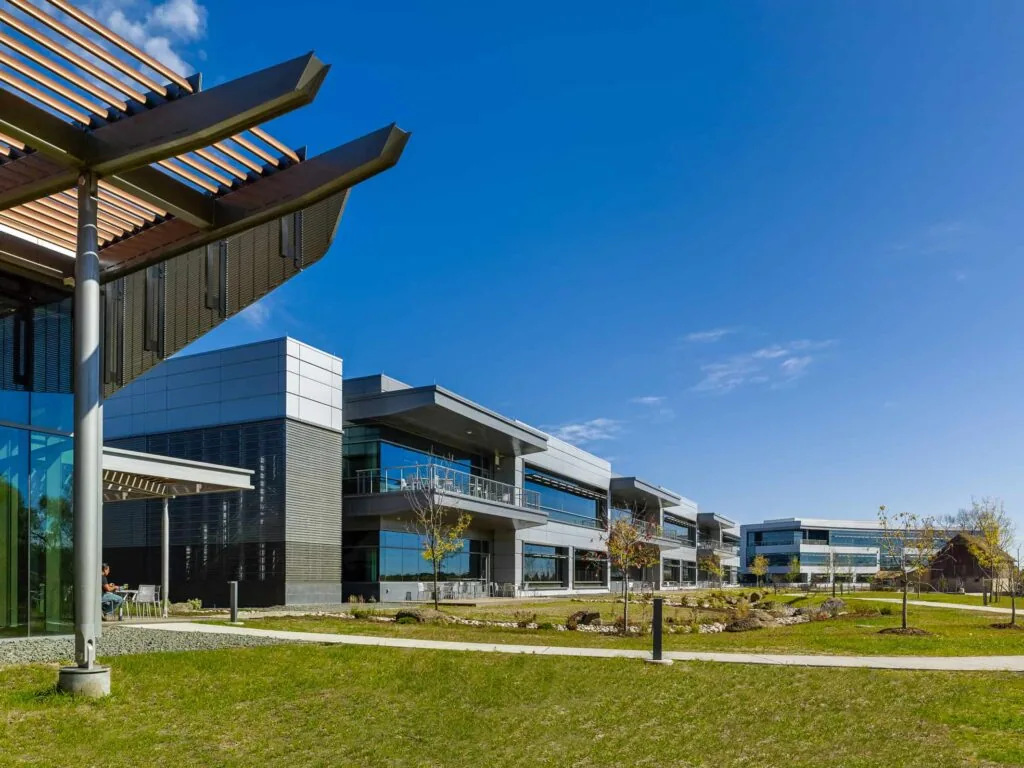
Check hood curbs, exhaust, and drainage details
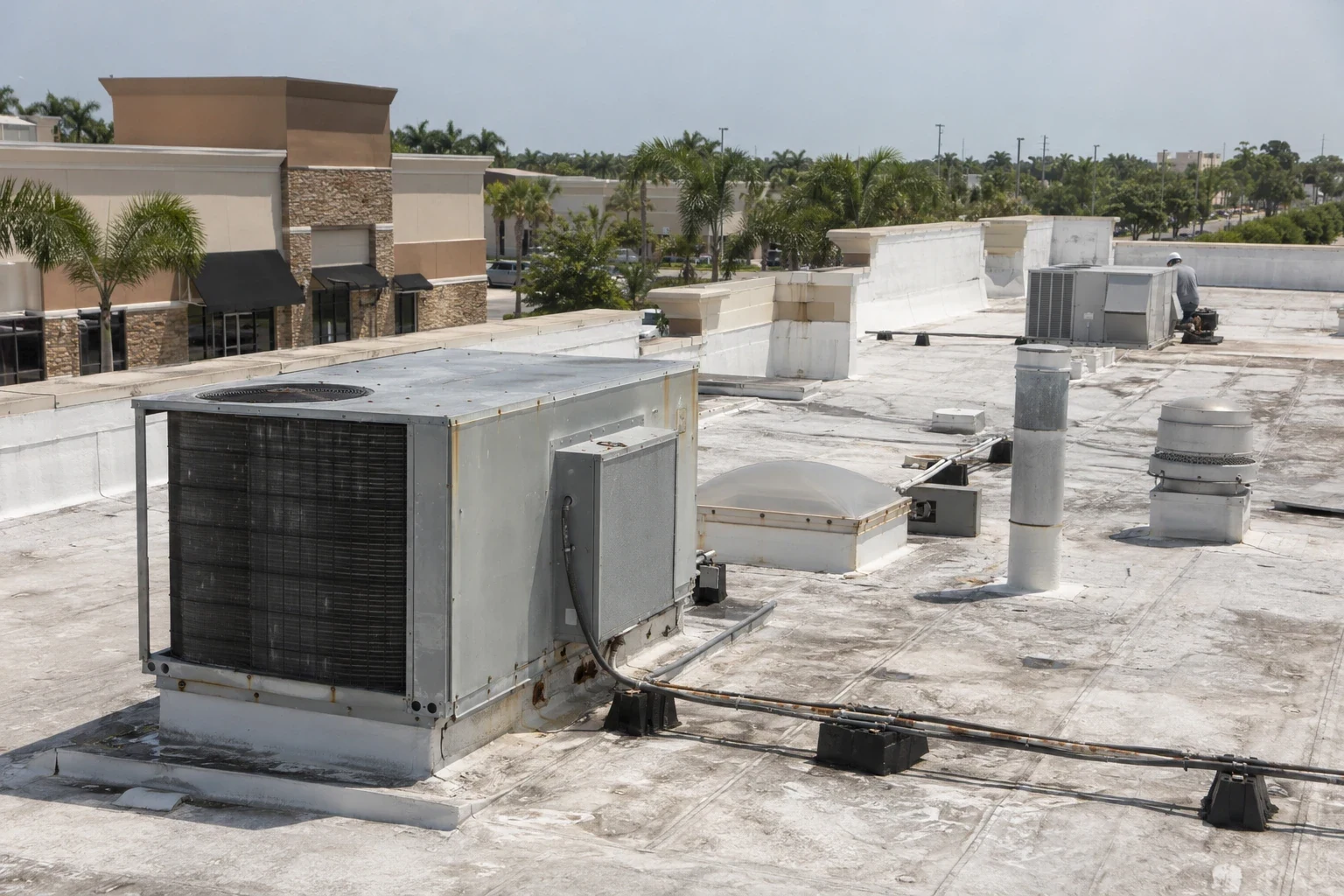
We inspect hood curbs, duct supports, pipe penetrations, roof seams, drains, parapets, and flashing where equipment meets the roof. Grease residue or cleaning activity may affect the surrounding surface. We document damaged sealant, loose metal, open seams, ponding, and prior patches by roof zone. Where access is restricted near equipment, that limit appears in the inspection record.
Kitchen exhaust can carry grease and condensate through a curb, and repeated cleaning may expose a weak termination. We note the condition of the curb and surrounding roof separately from the fan or duct. If the equipment vendor must remove a section for access, the proposal identifies that coordination and who restores the roofing detail after service is complete.
A leak above a dining room may originate near a kitchen opening, but the water path needs to be traced. We compare reports with roof slope, drainage, and penetrations and identify when a test opening could clarify the source. A restaurant roof inspection records observations separately from ventilation or plumbing issues that another trade may need to evaluate.
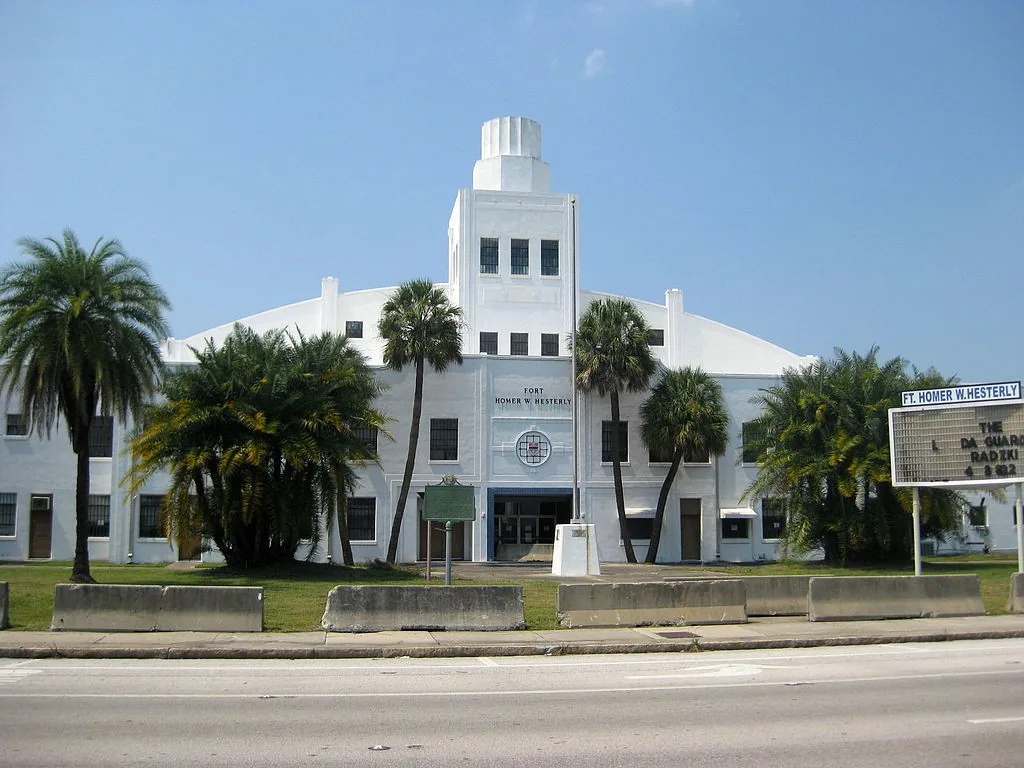
Protect kitchen equipment and customer areas
Before work starts, the operator confirms whether hood fans, exhaust, or refrigeration must remain active. We coordinate barriers, cover equipment as approved, and set a route for crew and waste that avoids food areas. The repair scope names the roof detail, materials, preparation, and completion check. A roof repair scope lists any equipment trade or interior restoration separately.
Temporary water control and a permanent repair are different tasks. For an urgent leak, the manager identifies affected food or dining areas and decides on temporary closure or protection. The daily sequence says when an exhaust unit can be accessed and how the crew confirms the roof is dry-in before leaving. Work that changes a hood curb or duct support needs coordination beyond a surface patch.
Plan around League City dining and visitor districts
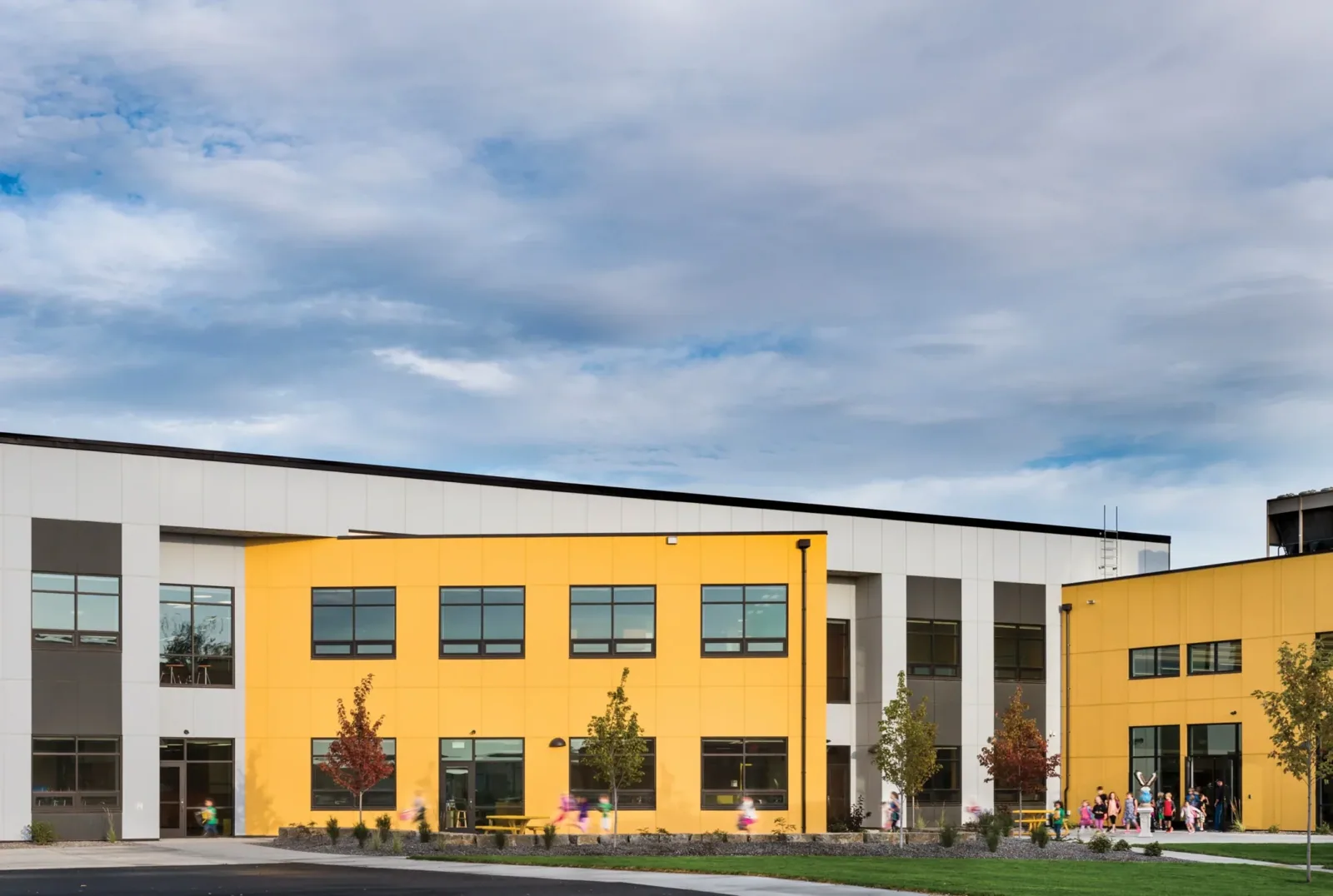
Pinnacle Park includes restaurants, retail, and boat-related tenants. Kemah Boardwalk also includes food service. A restaurant operator confirms customer access, patio use, delivery routes, and event restrictions for the building under review. For the project address, the operator confirms customer access, patio use, delivery routes, and event restrictions.
League City sits on the upper Texas coast and weather conditions can affect coating cure, temporary cover, and roof openings. The superintendent checks the product limits and forecast for each work period. A phased roofing sequence can schedule noisy tasks outside peak meal periods, define temporary barriers, and identify when the kitchen or patio can return to normal use.
Compare detail repair with broader roof renewal
A localized repair may work if the hood curb, membrane, and adjacent roof remain in serviceable condition. Multiple leaks, failing seams, saturated insulation, or deteriorated deck can require broader testing. A recover evaluation reviews existing layers, moisture, drainage, attachment, and loading before a new system is installed over the old one. Replacement scope should include curbs, exhaust supports, drains, edge details, and equipment coordination.
The owner’s design professional confirms commercial code, wind, energy, and permit requirements for the work. We list design questions and measured roof items separately. Estimates include access, protection, equipment coordination, testing, and allowances for concealed conditions. That gives the operator a basis to compare cost with hours of service interruption and the roof details each option addresses.
Document equipment service and roof repairs
Store roof plans, hood and equipment layouts, repair photographs, product details, and warranty terms together. After kitchen equipment is cleaned or replaced, note any roof access and changes made by the service contractor. A routine roof inspection can revisit flashing, drains, seams, and service paths before a leak interrupts a busy shift.
Restaurants that share a roof with other tenants should also confirm responsibility for common drains, exhaust penetrations, and roof access. The property manager can identify who approves alterations and how urgent notices are delivered. A dated photo before and after service helps separate a new equipment change from an earlier roof repair and reduces confusion if a later leak appears nearby.
Price depends on access, roof height, equipment, exhaust details, service hours, testing, and any removal. We make work boundaries clear and identify who approves a shutdown. Send the League City address, roof plan, hood and duct locations, leak reports, operating schedule, and prior repairs. The inspection record will list roof details and leave the operator with a work sequence for kitchen and facility leads.
Frequently Asked Questions
Can a restaurant remain open during roof repairs?
Often, if crews can work away from customer routes and the operator approves noise, exhaust, and access controls. The schedule identifies affected hours.
Do roof repairs require the kitchen hood to shut down?
Not always. The operator and equipment contractor determine whether a unit can remain online or needs a controlled shutdown for the roof detail.
What causes leaks around restaurant exhaust systems?
Curbs, duct supports, penetrations, seams, and past equipment changes can contribute. Inspection traces the water path before materials are selected.
Can roofing work be scheduled between meal periods?
The sequence can target lower-activity windows when access and weather allow. The operator confirms the service schedule and any restrictions.
What should a restaurant provide for a roofing estimate?
Roof plans, hood and duct layout, store hours, delivery rules, leak locations, photos, and previous repair records help establish access and scope.