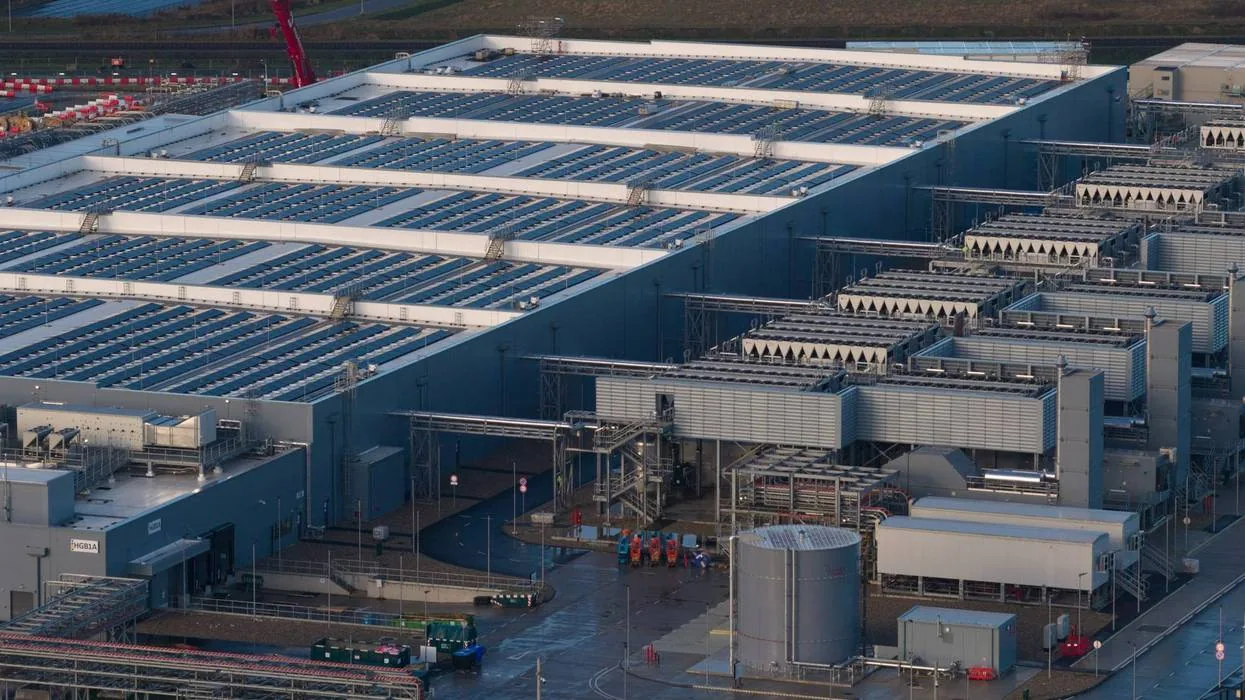
Grocery Store Roofing
Grocery roofs cover sales areas, coolers, freezers, receiving zones, kitchens, and mechanical equipment. A roof leak may affect stock or refrigeration, so response and permanent repair need clear coordination. We review the store plan, leak history, and operating schedule before inspection. H-E-B and Kroger appear among League City's principal employers. For the store in scope, its roof records and inspection identify the assembly and current condition.
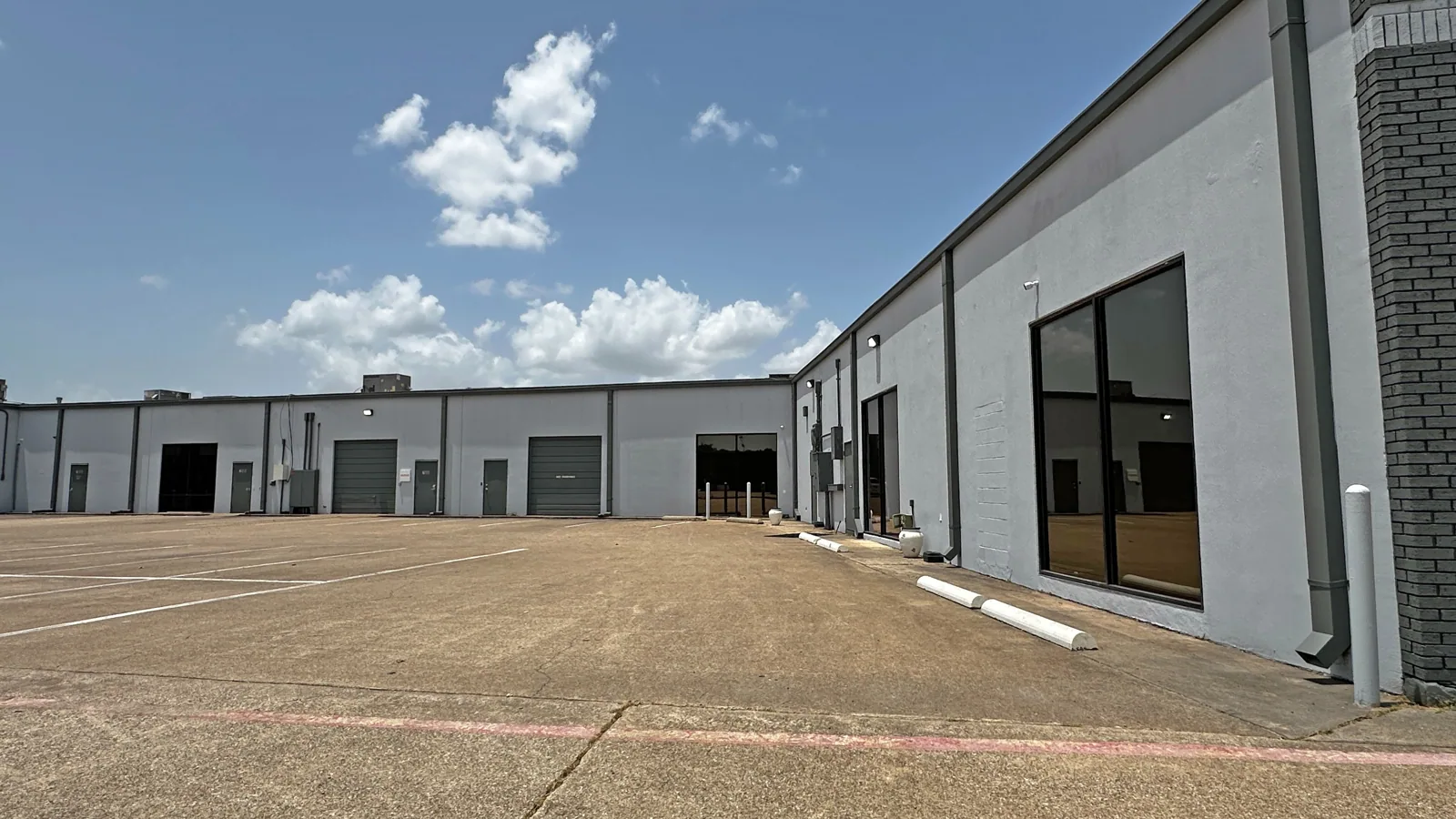
Coordinate around receiving and temperature-controlled areas
The store identifies delivery hours, loading doors, stock routes, cooler and freezer locations, and any area where product needs immediate protection. Facilities staff confirm which equipment can be accessed or temporarily shut down. We map roof zones to interior departments so the site lead can respond to a leak above a cooler, prep room, or sales aisle without confusing it with a different roof section.
A big-box retail roof survey may focus on a broad sales floor and stockroom, while grocery work adds refrigeration and food-handling coordination. A shopping-center roof project may also involve shared property rules and adjacent tenants. We confirm the actual store procedures before setting any work plan.
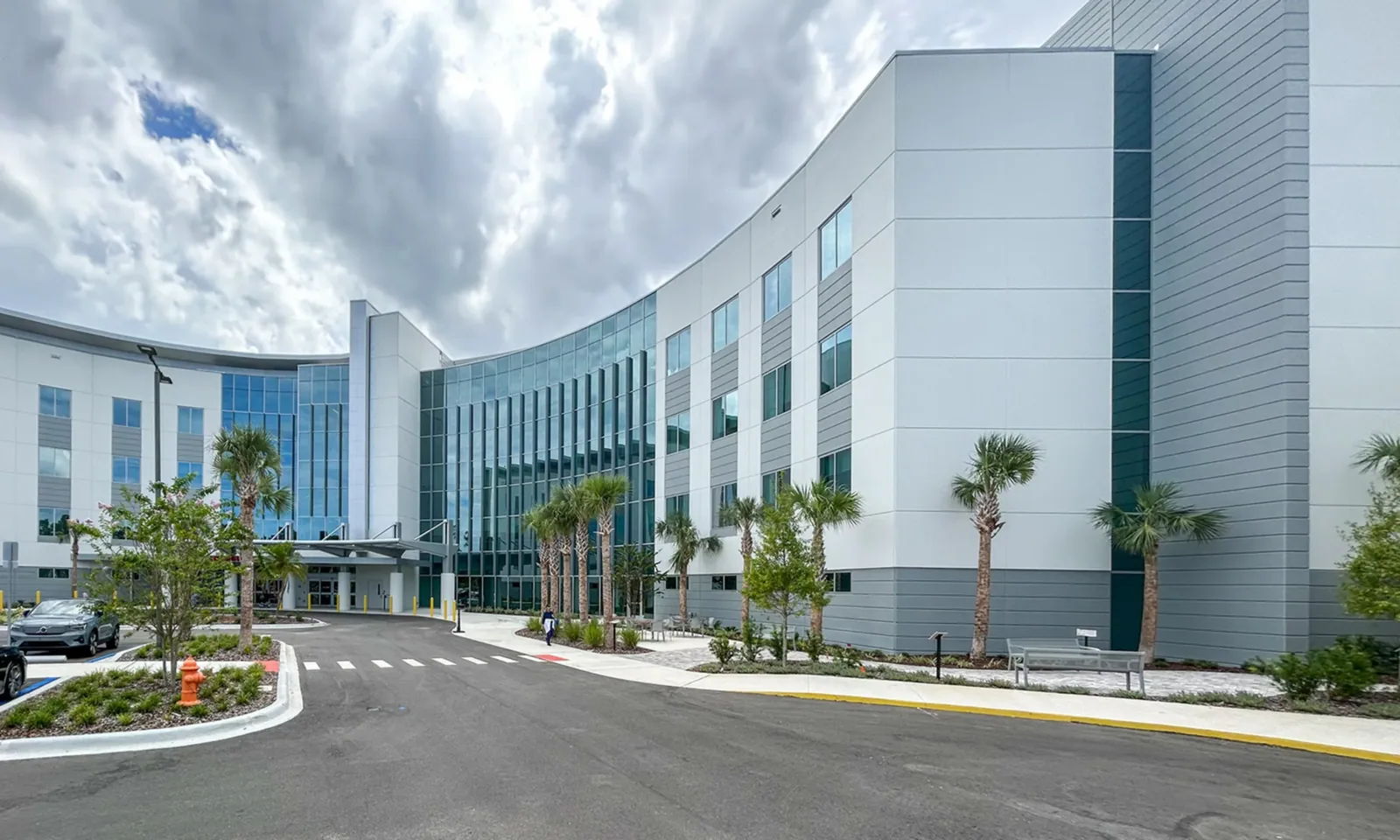
Inspect penetrations near refrigeration and kitchen equipment
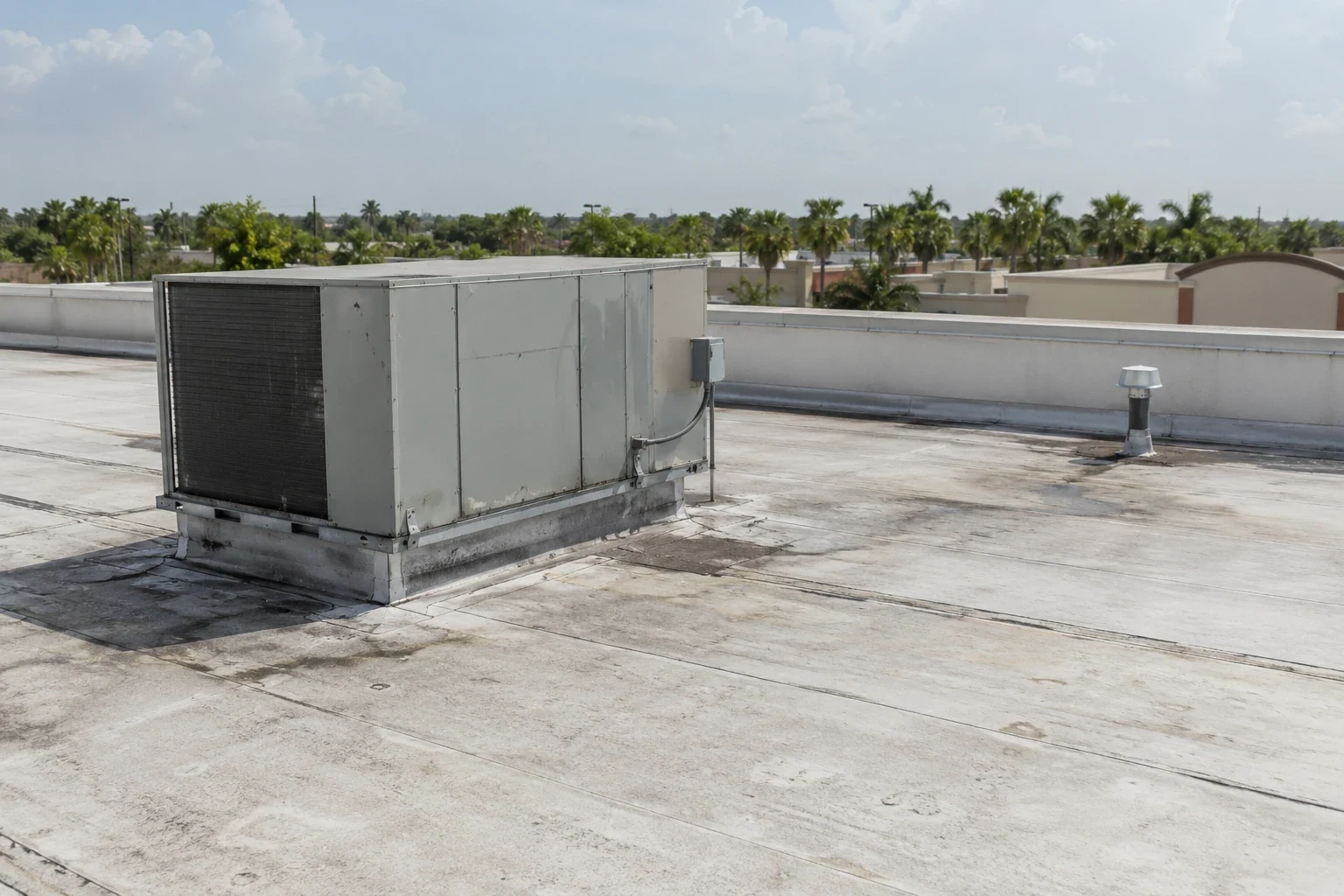
We check drains, seams, curbs, rooftop units, exhaust hoods, refrigeration lines, pipe supports, and perimeter details. A new line or equipment support can interrupt the roof surface and require a compatible flashing. The report identifies loose metal, open seams, damaged membrane, ponding, and prior repairs. Each observation is tied to a roof zone and nearby equipment label when available.
Cooler and freezer lines often cross the roof at several points. We note which lines, sleeves, and supports are visible and whether a later equipment change appears to have altered the flashing. Roof work should preserve the intended drainage path and avoid creating a low pocket around a curb. The facilities contact can use those observations to coordinate roofing and refrigeration trades before the next service visit.
Interior reports are compared with roof slopes and drainage, but staining can appear away from an entry point. Condensation or plumbing may also contribute. The report separates roof evidence from mechanical questions that require another trade. A commercial roof inspection can include selective moisture testing if it would affect removal quantities; a scan by itself does not prove concealed damage.
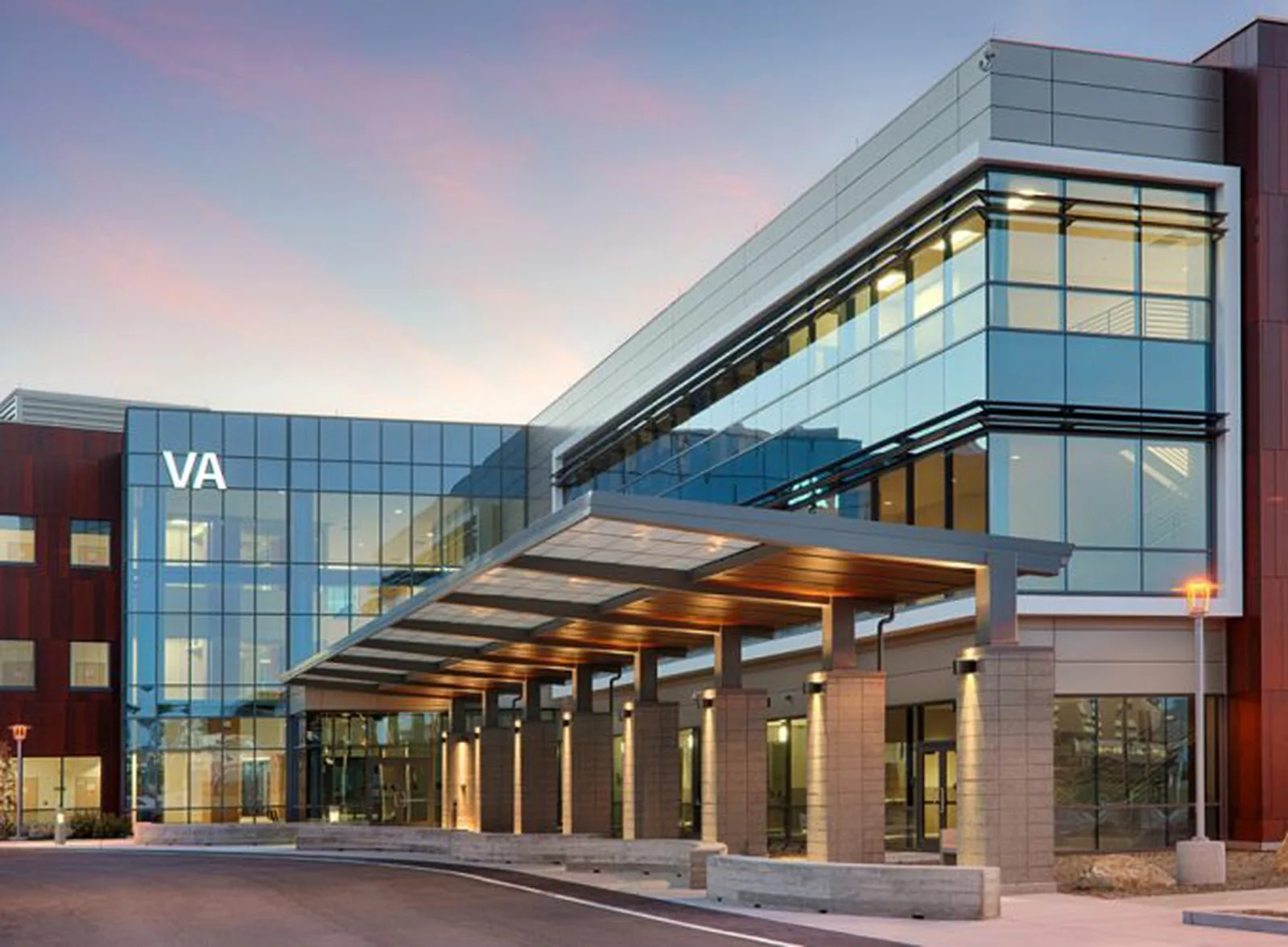
Protect food and store operations during a leak
For active water, the store lead identifies product-protection, sanitation, and access procedures before a crew enters. Temporary containment is listed separately from permanent repair. The work record describes what was stabilized, which roof area was accessed, and what follow-up remains. A roof emergency visit should provide a clear handoff to store management and the facilities contact.
Permanent work requires an agreed route for materials and waste that avoids food preparation and customer areas. The site team confirms refrigeration redundancy, equipment access, and any shutdown approval. A daily sequence names the section opened, weather protection, and inspection before dry-in. We do not assume product can be moved or equipment switched off without store authorization.

Place the store within League City retail activity
Victory Lakes Town Center and League City Marketplace form a large retail concentration near I-45 and FM 646. The area includes department stores, large retailers, restaurants, and a UTMB Health location. This retail concentration places food stores among the area's large commercial uses. The store manager verifies the actual entrance, delivery timing, customer routes, and access restrictions.
League City also identifies regional connections along I-45, FM 646, and FM 518. A project team still needs a property-level plan for lift placement, truck turns, and staging. A phased reroof sequence can keep receiving and customer areas available where the scope allows and state when a temporary closure or notice is needed.
Choose a measured repair or a broader roof project
A localized repair can fit a defined defect when surrounding materials and transitions remain sound. Multiple leak areas, moisture near cold rooms, failed attachment, or deteriorated deck may call for testing or replacement. A recover assessment checks existing layers, moisture, drainage, and loading before adding a new assembly. Replacement scope should identify cooler penetrations, insulation, edge details, protection, tear-off, and disposal.
The property owner’s design team confirms city review, wind, energy, and permitting requirements for the proposed work. We identify those questions and separate them from measured roof tasks. The estimate includes testing, access, food-area protection, equipment coordination, and concealed-condition allowances. Store operations can compare alternatives with both cost and disruption visible.
Keep roof and refrigeration records together
Retain the roof plan, equipment layout, product data, photos, test records, warranty terms, and repair locations. When refrigeration or kitchen contractors add a penetration, the store should record its position and request a compatible flashing. A scheduled roof review can check drains, seams, and equipment interfaces and note changes that need service before the next busy period.
Store staff should record any temporary relocation of product during an emergency and note which cooler or sales area was affected. The roofing closeout can then connect the leak location, repair, and follow-up inspection with the store report. If a repair is deferred pending equipment work, the open item should name the responsible trade and the approval needed to finish the detail.
Costs reflect access, roof height, refrigeration coordination, food protection, testing, shift limits, and the material needed for repairs. We show those factors and state what requires store approval. Send the League City address, roof and equipment plans, leak reports, delivery hours, and food-protection rules. We will inspect the assembly and prepare a work plan that the store’s operations and facilities contacts can use.
Frequently Asked Questions
Can a grocery store stay open during roof work?
Often, if work areas, access, deliveries, and customer routes are planned with management. The store identifies closures or restrictions before scheduling.
How do you protect refrigerated products during a leak?
The store controls product handling and identifies affected areas. Roofing staff coordinate temporary water containment and the permanent repair boundary with facilities.
Can roofing work affect refrigeration equipment?
It can if penetrations or units need attention. Store engineering staff approve access, protection, and any shutdown before work proceeds.
What should a grocery store report after a leak?
Share the department, date, duration, roof equipment nearby, and any product or ceiling impact. Those details help focus roof inspection and follow-up.
What influences a grocery roof estimate?
Roof condition, access, cooler and kitchen details, food protection, testing, work hours, and the extent of removal affect the proposal.