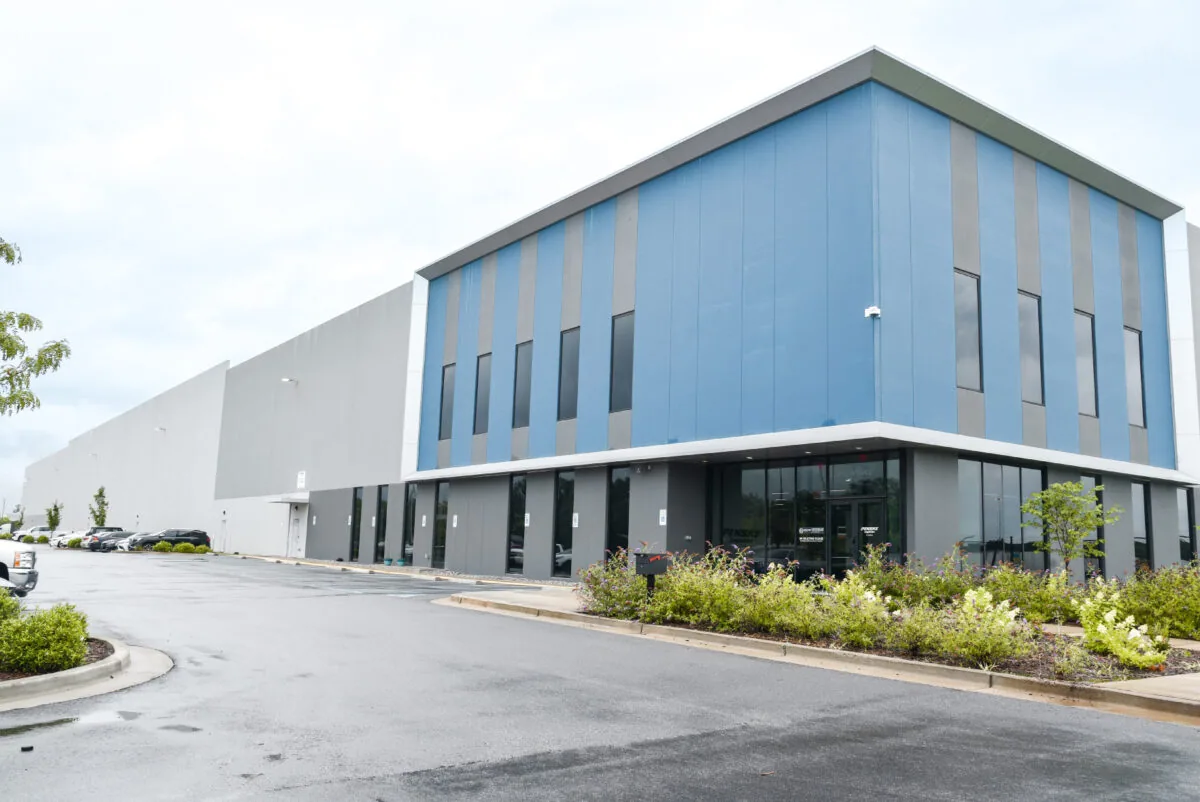
Big-Box Retail Roofing
Big-box retail roofs can cover a large sales floor, stockrooms, loading bays, offices, and rooftop mechanical equipment. A small opening may affect merchandise or customer space, so the inspection should connect roof findings with operations. We review plans, prior repairs, and reports from store staff before recommending work. Pinnacle Park includes Bass Pro Shops as one of its retail tenants. We confirm the store's roof system, drainage, and visible condition during the building inspection.
Protect customers, stock, and store receiving
The store contact confirms opening hours, receiving windows, customer entrances, cart paths, fire lanes, and where materials can be staged. We identify departments or stock areas below the proposed work and coordinate barriers with store management. Roof zones are labeled so a leak over a sales aisle can be tracked separately from a loading-bay repair or an office area.
A shopping-center roof project may coordinate several tenants and shared parking, while one big-box operator can set store-wide receiving and safety rules. A grocery store roof review may also need food and refrigeration controls. The site lead confirms what applies to this store, rather than relying on the category name.

Check large roof areas and concentrated details
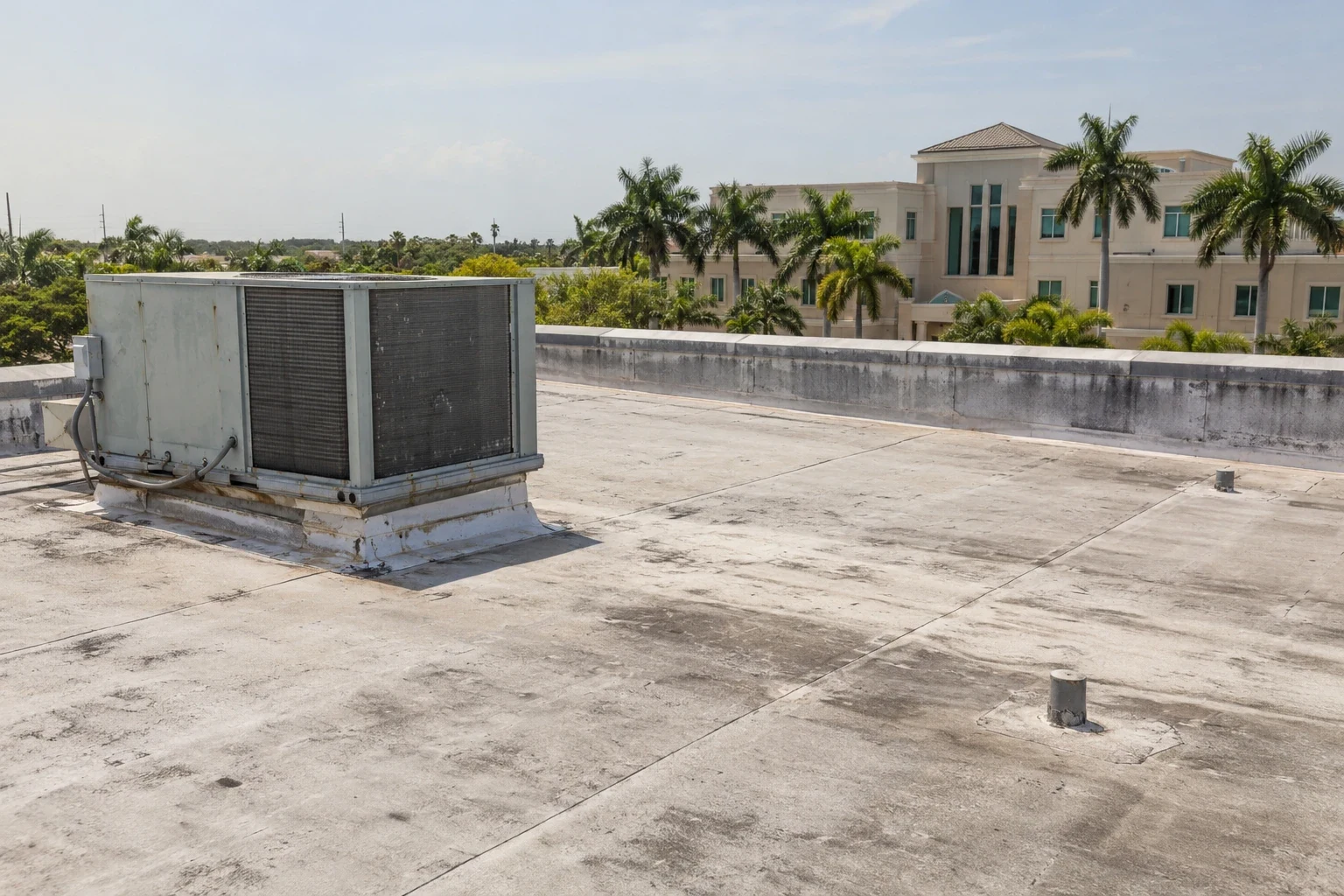
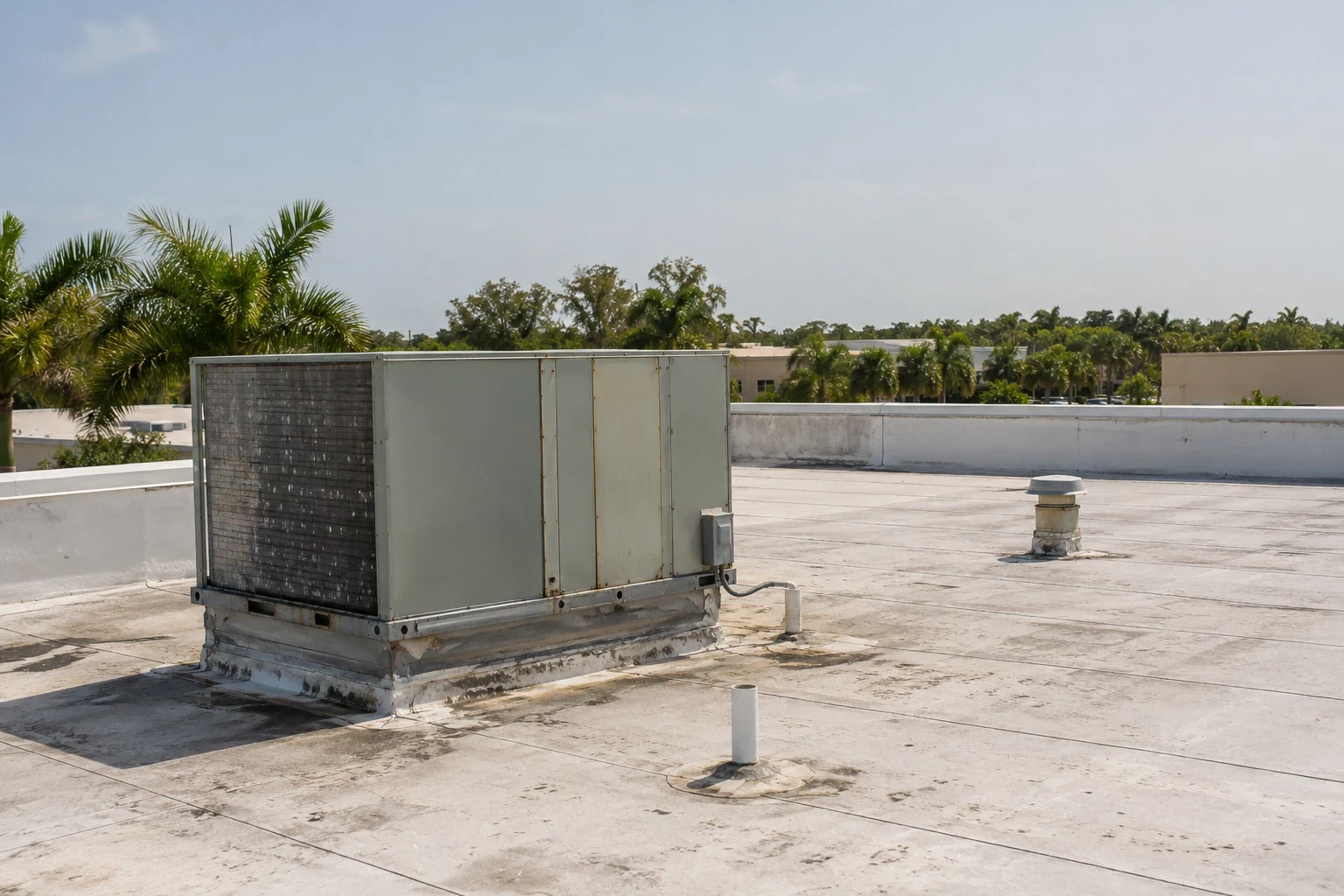
We inspect the field membrane or panels, seams, perimeter, drains, skylights, equipment curbs, and penetrations. Rooftop service paths can cause punctures or loose flashing, so we note where maintenance traffic is concentrated. The report marks ponding, surface wear, prior patching, and locations needing a closer look. Each photo includes enough orientation to find the detail from a roof plan.
Large open sales areas can make interior protection and leak localization especially important. We ask whether racking, high-bay lighting, or ceiling-mounted utilities limit access below. Skylights and roof monitors receive separate attention because they intersect the field membrane and may need different flashing or safety controls. The condition record names any obstruction that prevented direct inspection.
Interior reports are plotted against roof drainage and mechanical units. The visible ceiling point may not be directly below the entry. A commercial roof inspection separates observed conditions from a suspected source and identifies whether selective testing would change the work quantity. Thermal images can guide testing but do not independently verify concealed moisture.
Stage work without blocking store service
Before starting, the store approves lift access, truck routing, delivery timing, and temporary barriers. Crews protect merchandise and public paths beneath a work zone. The repair scope names the roof area, materials, preparation, flashing, and final inspection. A store roof repair should also state whether signage, awnings, interior finishes, or equipment shutdowns are included.
If overnight work is requested, the site lead confirms when alarm systems are armed, when doors lock, and how the roofing supervisor contacts store management. The crew also identifies where tools and materials remain between shifts. These details reduce confusion at opening time and keep the store’s security procedure intact while work is underway.
For a larger project, we sequence areas to keep primary entrances and receiving functional where practical. Debris removal and roof access need a defined route. Store staff identify times when a lift cannot cross customer traffic or deliveries. The daily plan records which areas are open, what is covered, and who confirms the work zone is safe to resume normal use.
Use League City retail facts as context, not a roof survey
Pinnacle Park is a League City mixed-use development with retail, restaurants, and boat-related businesses. The area's mix of retail uses makes tenant hours, deliveries, and public access part of each store's work plan. At the store being inspected, management confirms loading access, outdoor storage, customer routes, and any adjoining tenant or shared-site requirements.
Victory Lakes Town Center is located at I-45 and FM 646, within a major multi-store retail area. The address is a regional access reference; the project team still verifies the actual store entrance and delivery schedule. A phased roofing schedule can identify temporary closures, daily dry-in, and checks before customer areas are reopened.
Choose a repair or renewal scope by roof zone
A localized defect may be repaired while other areas remain in service. Recurring water entry, broad moisture, failed attachment, or aging details may justify a wider assessment. A recover review tests whether an added assembly fits the existing roof by examining weight, bond, layer count, water conditions, and flow to drains. A replacement scope should define tear-off, insulation, penetrations, edges, protection below, and disposal.
The project team confirms city plan-review, wind-design, and energy requirements for a commercial alteration. We state questions that need the owner’s design professional and list tested facts separately from assumptions. The estimate identifies store access, testing, equipment handling, and allowances for concealed conditions. Management can compare price and disruption with the roof condition documented by area.
Keep store maintenance and roof records linked
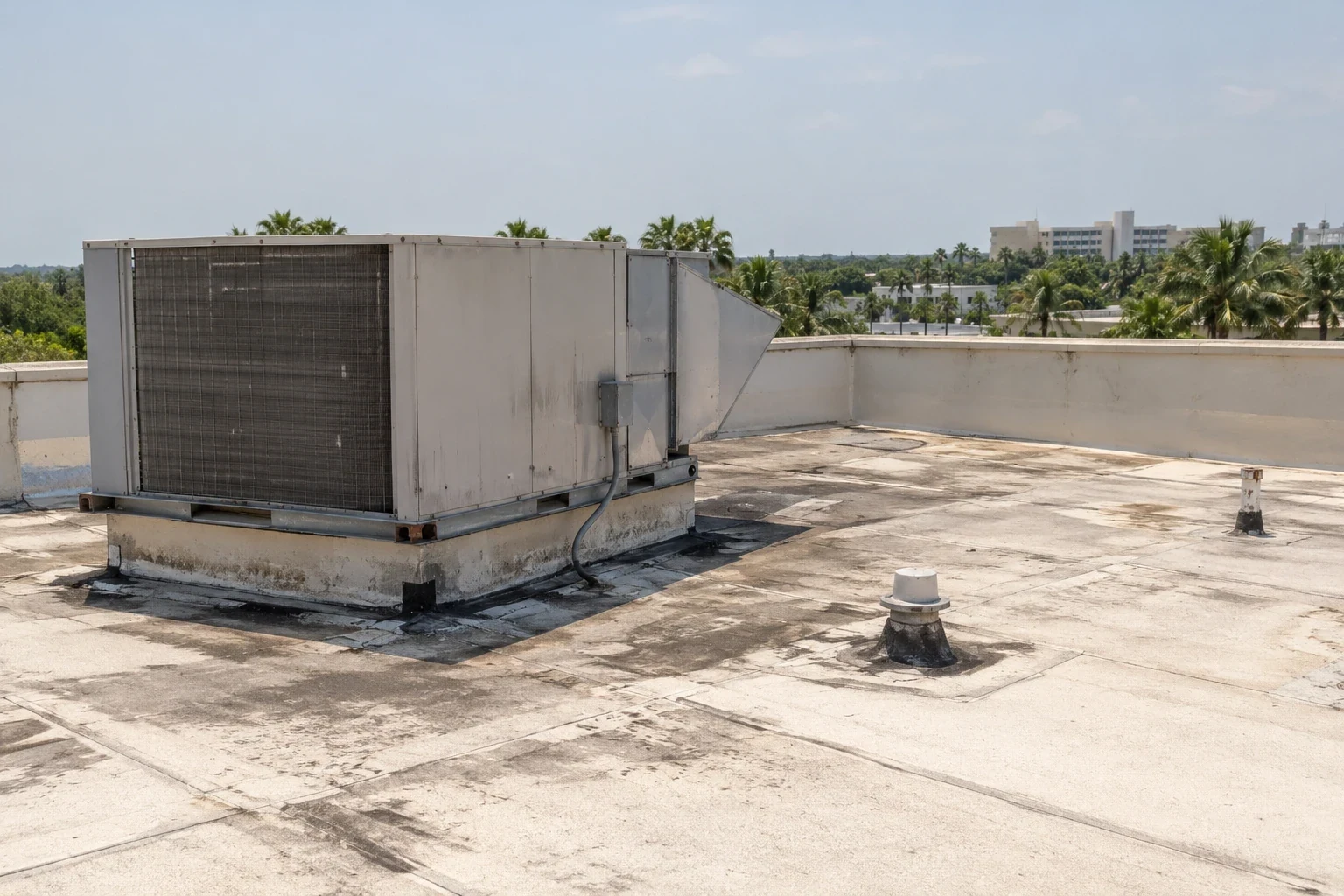
Retain the roof plan, photos, repair history, product data, and warranty terms in the store’s facilities file. New signs, exhaust equipment, antennas, or service lines should be recorded with compatible flashing details. A roof maintenance inspection can note drains, seams, perimeter, and service-traffic areas before they become urgent issues.
Cost reflects roof height, access, total area, equipment, lift needs, work hours, testing, and how much material must be removed. We list those factors and explain approval for concealed work. Send the League City store address, roof drawings, photos, leak locations, receiving hours, and previous repair records. We will inspect the roof and return a measurable scope with operational assumptions stated.
Frequently Asked Questions
Can big-box store roofing happen after closing?
It may fit after-hours work windows, but crews also need access, lighting, weather protection, and an approved route. Store management sets the schedule.
How do you protect merchandise during a roof repair?
The store identifies the affected area and protection rules. The roofing plan records barriers, interior covering, temporary water control, and the final inspection.
Can a big-box roof be divided into work zones?
Yes. A zone map can help sequence repairs or replacement while tracking which sales-floor, stock, and receiving areas are affected.
What causes leaks in a large retail roof?
Possible causes include flashing, seams, penetrations, drains, and damage from service traffic. Inspection and testing help identify the supported repair area.
Which records help estimate store roof work?
Roof drawings, leak reports, store hours, receiving schedule, photos, equipment locations, and prior repair documents help set access and scope.