Galveston
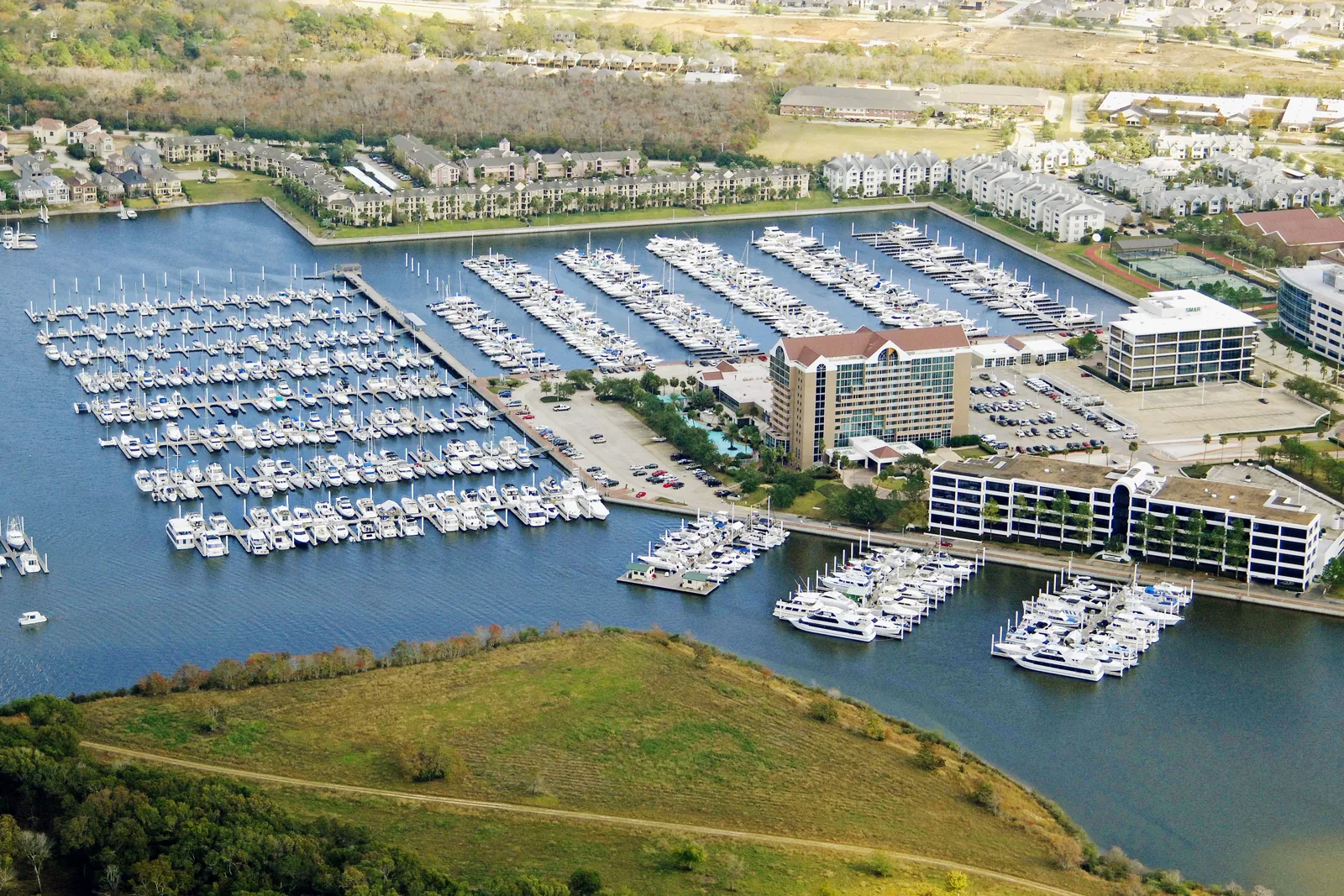
Salt air and wind-driven rain put a roof’s edge details into the same inspection conversation as its field membrane. In Galveston, that means documenting the actual building and roof zone before choosing a repair, coating, or replacement path. The City describes Galveston as a Gulf Coast barrier island and an employment center for Galveston County, with maritime, healthcare, education, and hospitality activity. Those uses create varied operating schedules, but they do not tell us what assembly sits overhead. We confirm plans, access, roof material, current condition, and the owner’s immediate concern before setting the scope.
Trace the water path before opening the roof
A ceiling mark gives us a starting point, not a repair location. We record the room, the time water appeared, weather at the time of the report, and any temporary action, then compare that account with drains, curbs, seams, wall transitions, and perimeter metal above. A commercial roof inspection maps accessible conditions by roof section and notes what could not be reached. If the path remains uncertain, a leak investigation identifies the next test instead of assigning concealed moisture from a stain alone.
On a Gulf Coast property, wind-driven rain can reach a transition that looks sound from below. We check laps and terminations, then look for movement, open sealant, displaced edge components, and prior patches that may redirect water. A photo records each observation with its location and date. We separate visible damage from suspected conditions and describe what an approved test opening would show. The owner can authorize immediate protection while deciding whether further investigation is warranted, keeping the first work limit narrow enough to track.
Set the access window with building operations
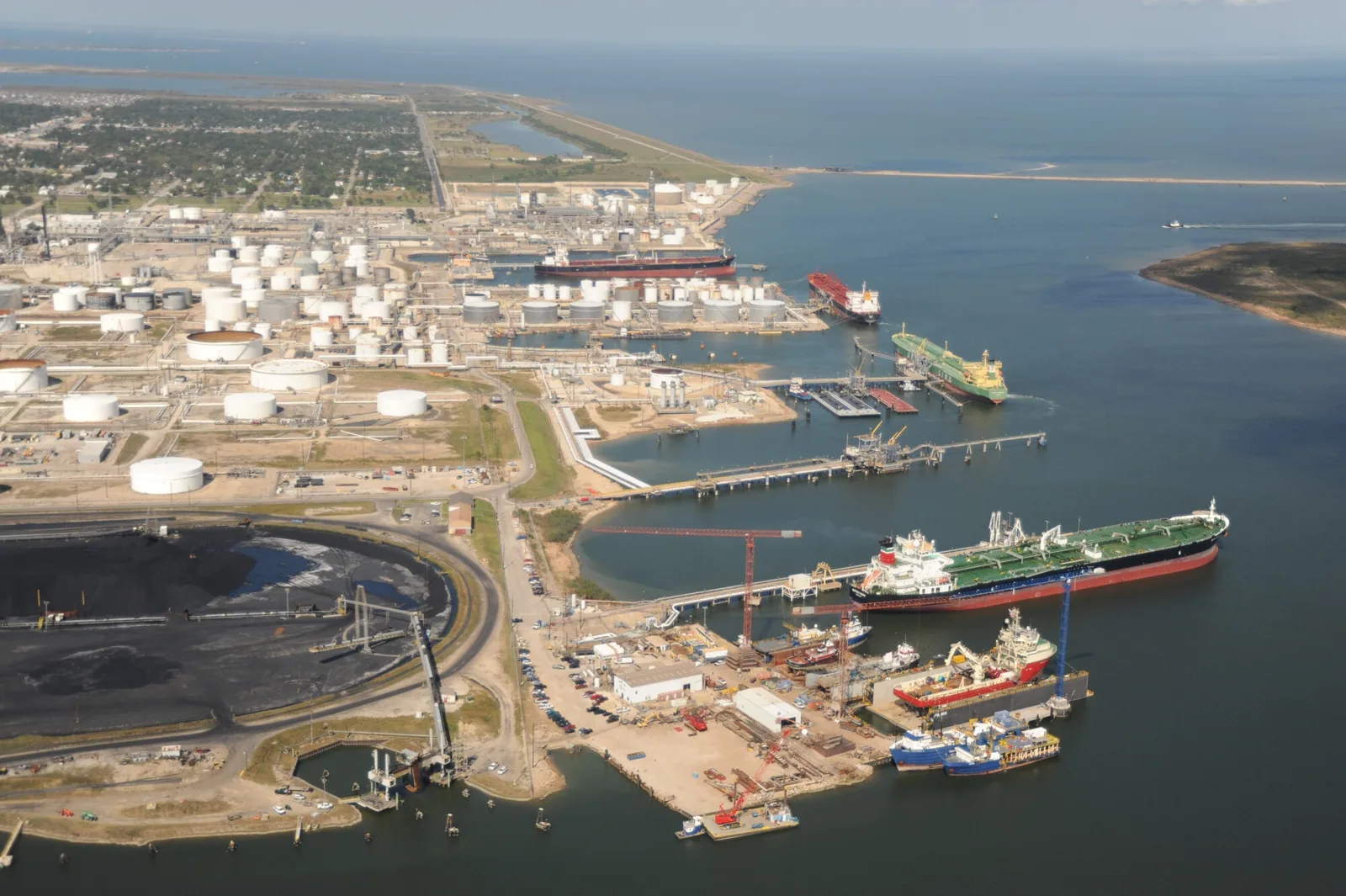
Galveston’s economy includes healthcare, education, maritime uses, and tourism and hospitality, so the roof plan begins with the specific operator rather than a generic schedule. We ask which entrance, loading path, occupied room, or service area must stay available. The property contact confirms roof access, lift position, material staging, tenant notice, and any work-hour restriction before mobilization. An occupied-building sequence can divide the project into zones, with a daily exposure limit and a dry-in check recorded before crews leave.
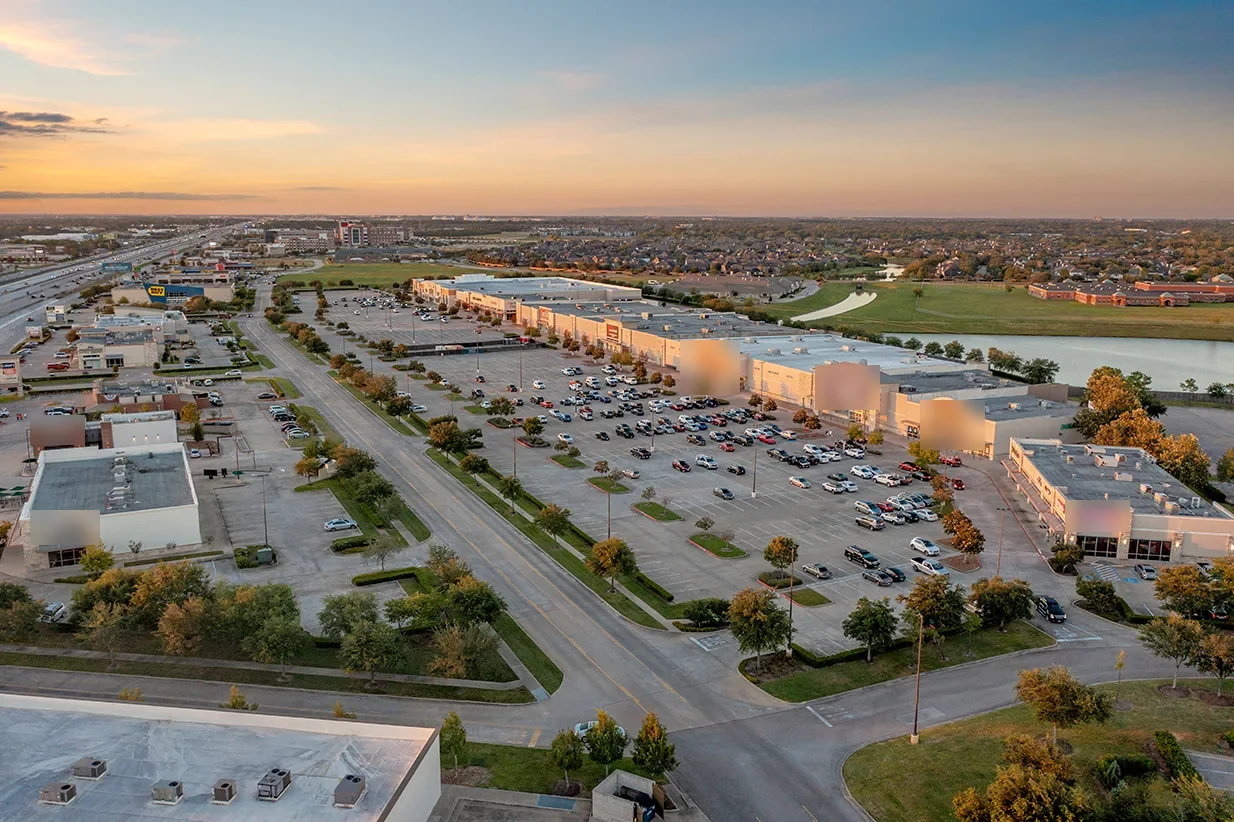
Staging and disposal affect cost as much as the repair material when access is tight or operations remain active. We identify the route for materials, where debris can be lowered, and what protection is required below. If a section needs removal, the work plan names the area to be opened and the person who can approve added removal after the assembly is visible. Texas City and Alvin have distinct municipal and commercial contexts, so records and access assumptions stay attached to the property being inspected.
Compare repair with restoration using field evidence
A repair is appropriate when the defect and its boundary can be measured. We specify preparation, compatible material, tie-in, and quantity for an open seam, failed flashing, puncture, or localized drainage concern. A commercial repair scope distinguishes that work from concealed insulation or deck replacement. If the roof surface is a candidate for restoration, a coating assessment checks adhesion, existing layers, seams, and details first; a coating does not correct a wet assembly or a failed drain by itself.
Material choice follows the same evidence. A single-ply membrane, modified bitumen, built-up roof, metal assembly, or existing coating each calls for a different repair detail, and a new system must account for deck support, drainage, penetrations, and perimeter attachment. We verify the existing assembly from records and field conditions before naming a compatible repair material. If plans are incomplete, the proposal says what is known and what needs a test opening, so the owner is not asked to approve a product against an assumed substrate.
For a broader capital decision, we compare localized work with a replacement assessment that lists roof area, insulation, deck allowance, edge details, penetrations, staging, disposal, and temporary protection. Galveston’s Strand District and Historic Downtown are named in the City’s redevelopment priorities, a reminder that a project may need careful coordination with active property use and preservation planning. That city context does not determine a building’s roof design. We verify the assembly and applicable project requirements with the owner and design team before pricing a system or removal quantity.
Record the roof after a coastal weather event
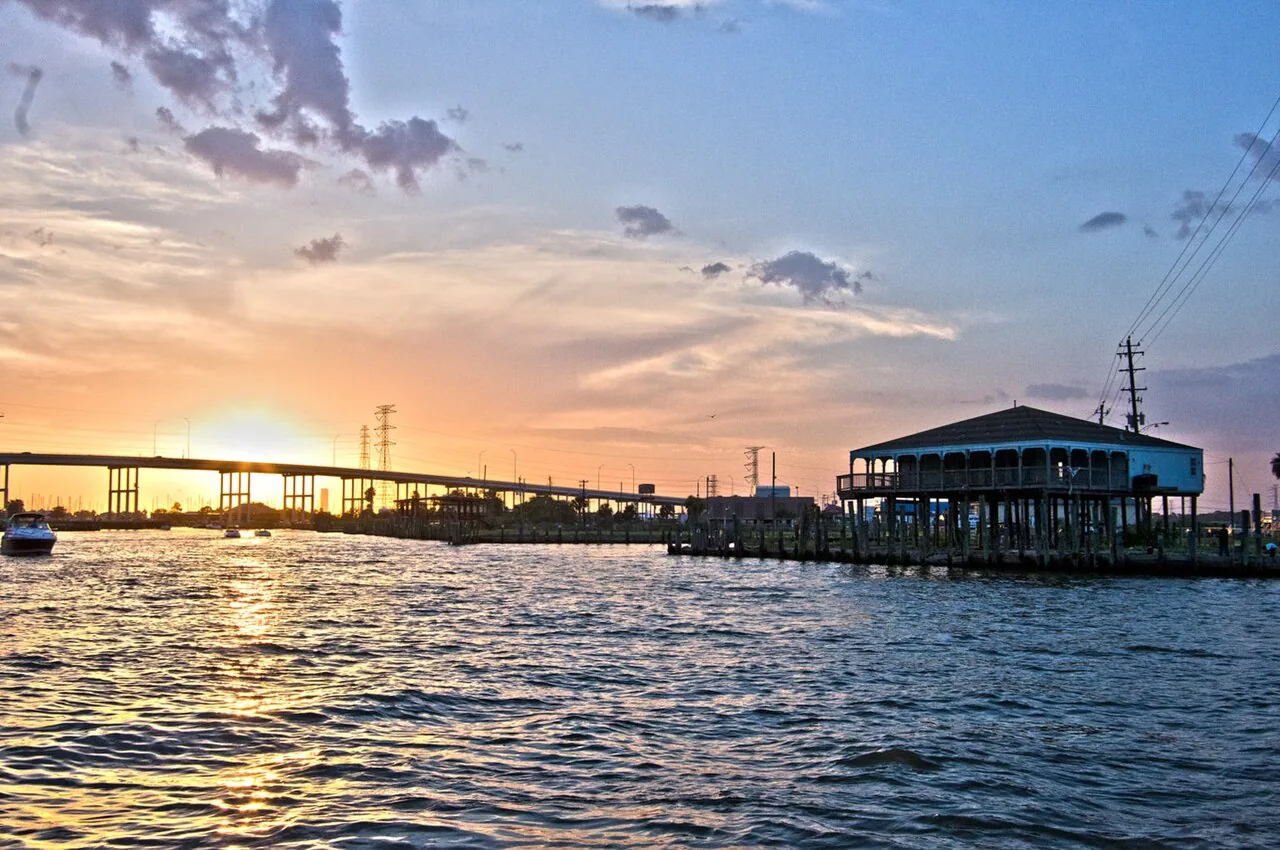
The upper Texas coast has a documented history of tropical systems, and Galveston’s barrier-island setting makes a dated roof record useful after severe weather. We inspect edges, seams, penetrations, curbs, drains, and any temporary protection, then photograph visible conditions by zone. The report states what the visit confirmed and what remains untested. A regional storm history can give context to the service request, but it cannot establish damage at a specific property or replace a current inspection.
Wind-driven rain and standing water are separate findings. Water entry at a curb or lap calls for a different repair detail than ponding around a drain. We document each condition, determine whether testing is needed, and separate temporary stabilization from permanent correction. For a claim file, dated photos, interior reports, prior repairs, and current roof observations remain clearly distinguished. A storm-damage assessment can preserve that evidence while identifying the next approval point, and a photo-supported condition report can carry the baseline into future maintenance.
Leave a usable record for the next decision
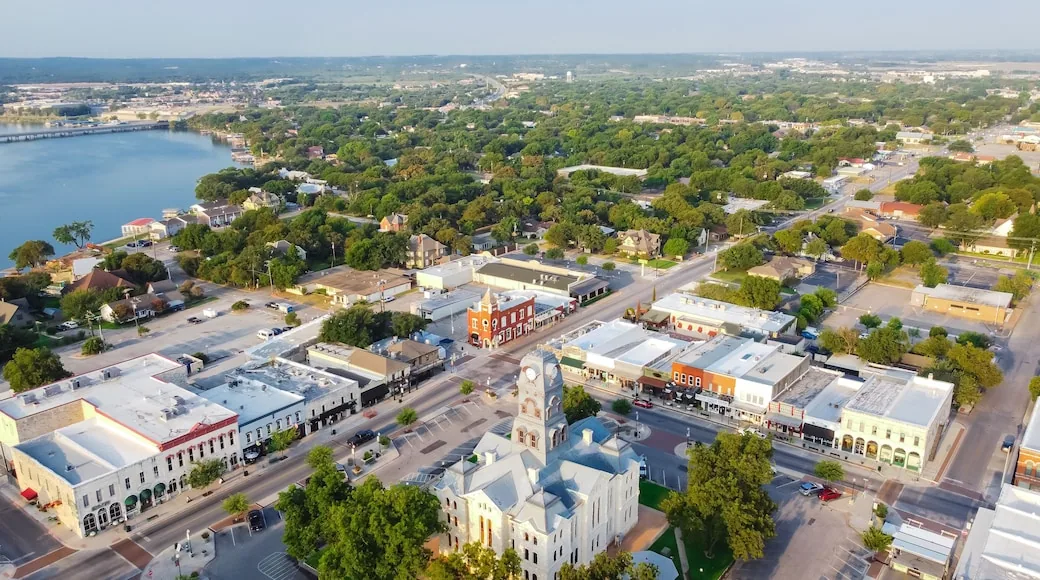
Closeout should make the next visit easier to plan. We list the inspection date, roof sections reviewed, photographs, repairs completed, materials installed, approvals, and open items. A maintenance plan can track drains, flashing, seams, and earlier repairs on the same roof map. The owner can then compare recurring defects with the original findings rather than reconstructing the work history from scattered service notes.
For larger properties, a roof map also helps separate immediate leak response from capital work. We can label priority repairs, watch items, and areas that need access or testing, then tie each entry to dated photographs. A future visit can confirm whether a prior repair remains sound or a new water path has appeared. That continuity is useful where several operating groups share the building, because the facilities contact can hand off a clear work limit and approval history rather than a collection of unlocated photos.
Send the Galveston building or district, the affected room or roof area, access window, operating restrictions, available drawings, and prior repair records. We will confirm the first inspection boundary and identify any opening that requires separate approval. A repair can proceed from visible evidence, while a larger replacement question stays tied to measured quantities and confirmed assembly conditions. That gives the property team a clear decision now and a documented path if later findings change the scope.
Frequently Asked Questions
How do you handle a leak when the interior stain is far from a roof edge?
We record the interior location and timing, then trace likely water paths through the roof layout, drainage, curbs, seams, and wall transitions. If the source is not visible, the next test is listed separately for approval.
Does Galveston’s coastal setting tell you which roofing system to use?
No. It makes edge and water-management details important to inspect, but the assembly, deck, slope, existing layers, and owner requirements determine which repair or replacement options fit.
Can the inspection happen while a building remains open?
Yes, with an agreed access route and schedule. We coordinate roof entry, staging, lift location, interior protection, and any restricted areas with the building contact before setting the work window.
What goes into a post-storm roof record?
The dated inspection area, photographs, visible edge and membrane conditions, drainage observations, interior reports, and any untested zone. We keep emergency protection separate from permanent repairs.
What information helps price a Galveston roof project?
Share the roof plan, reported concern, prior repairs, access limits, operating schedule, and any project deadline. We measure the work area and list concealed-condition allowances separately.